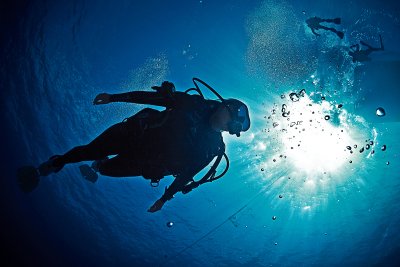
Explorers Huatulco
Huatulco to miejscowość turystyczna położona w południowym stanie Oaxaca na południowym wybrzeżu Meksyku, nad Oceanem Spokojnym. Huatulco było kiedyś nazywane Bahías De Huatulco, ponieważ składa się z serii dziewięciu mniejszych zatok (i 36 plaż!). Pięć z tych dziewięciu zatok jest chronionych jako część Parque Nacional Huatulco od 1998 roku. W tych zatokach znajduje się ponad trzydzieści miejsc do nurkowania, które są domem dla różnorodnej flory i fauny morskiej.
Top Huatulco Dive Sites
Isla San Agustin
Explore the rock formations with cracks and crevasses that offer a delightful marine experience. Encounter colorful fish and octopuses. The site is suitable for both scuba and freediving, ideal for beginners and intermediate divers. No protected areas noted.
Cacaluta
Perfect for both beginners and advanced divers, depths range from 15–40 meters/49–131 feet. Spot sea turtles, seahorses, and reef sharks among corals and rocks. Both scuba and freediving are possible. It is part of a marine park, adding ecological significance.
Maguey
A versatile site with sandy shallows and deep canyons. Suitable for novices and experienced divers. Discover lobsters and manta rays while scuba diving. Not specifically noted as a protected area.
El Violin
Known for its rays and small caves, this site offers excitement for adventurous divers. Scuba diving is recommended to explore the rocky depths and spot nurse sharks. The area is ecologically important due to rich marine life.
La Montosa
Another excellent spot for scuba divers, offering vibrant marine life with various species of fish and coral gardens. Suitable for intermediate divers, it's not primarily known for freediving. No specific mention of a protected zone.
Najlepsze miesiące na nurkowanie w Huatulco
Najlepszą porą roku na odwiedzenie Huatulco i nurkowanie w jego miejscach jest okres od listopada do maja. To właśnie wtedy warunki oceaniczne są najspokojniejsze, a nurkowie mogą dostrzec gatunki pelagiczne, takie jak rekiny wielorybie, humbaki i manty! Te gatunki pelagiczne są przyciągane przez zakwity planktonu, które mają miejsce w chłodnych, bogatych w składniki odżywcze wodach i niestety znacznie ograniczają widoczność. Przy temperaturze 27°C/80,6°F te "chłodne" wody zimą są nadal stosunkowo ciepłe.