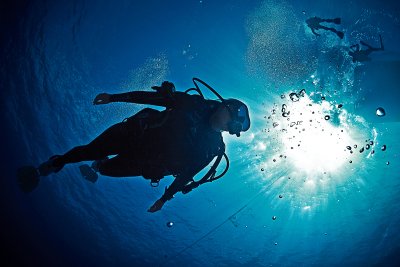
Дослідіть Уатулько
Уатулько – це туристичне місце, розташоване в південному штаті Оахака на південному узбережжі Мексики, навпроти Тихого океану. Раніше Уатулько називався Баїяс-де-Уатулько, оскільки він складається з дев'яти менших заток (і 36 пляжів!). П'ять із цих дев'яти заток охороняються як частина Національного парку Уатулько з 1998 року. У цих затоках є понад тридцять місць для дайвінгу, де мешкає різноманітна морська флора та фауна.
Top Huatulco Dive Sites
Isla San Agustin
Explore the rock formations with cracks and crevasses that offer a delightful marine experience. Encounter colorful fish and octopuses. The site is suitable for both scuba and freediving, ideal for beginners and intermediate divers. No protected areas noted.
Cacaluta
Perfect for both beginners and advanced divers, depths range from 15–40 meters/49–131 feet. Spot sea turtles, seahorses, and reef sharks among corals and rocks. Both scuba and freediving are possible. It is part of a marine park, adding ecological significance.
Maguey
A versatile site with sandy shallows and deep canyons. Suitable for novices and experienced divers. Discover lobsters and manta rays while scuba diving. Not specifically noted as a protected area.
El Violin
Known for its rays and small caves, this site offers excitement for adventurous divers. Scuba diving is recommended to explore the rocky depths and spot nurse sharks. The area is ecologically important due to rich marine life.
La Montosa
Another excellent spot for scuba divers, offering vibrant marine life with various species of fish and coral gardens. Suitable for intermediate divers, it's not primarily known for freediving. No specific mention of a protected zone.
Найкращі місяці для дайвінгу в Уатулько
Найкраща пора року для відвідування Уатулько та пірнання на його місцях – з листопада по травень. Саме в цей час океанські умови найспокійніші, а також саме тоді дайвери можуть побачити пелагічні види, такі як китові акули, горбаті кити та гігантські скати манта! Ці пелагічні види приваблює цвітіння планктону, яке відбувається в прохолодних, багатих на поживні речовини водах і, на жаль, значно знижує видимість. При температурі 27°C/80,6°F ці «прохолодні» води взимку все ще відносно теплі.