開放水域潛水員
這項全球認可的認證課程是開啟您終身潛水探險之旅的最佳途徑。個人化訓練與水下實務結合,確保您掌握所需的技能和經驗,真正適應水下環境。您將獲得SSI開放水域潛水員認證。
2026年9月9日
+134 更多


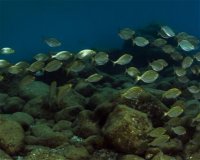
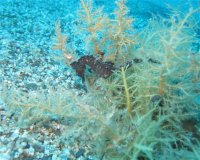
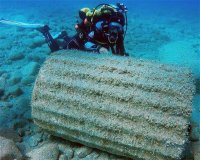
Active since 2007 in Calabria, in the heart of the Mediterranean Sea, the Diving Center Megale Hellas, operates throughout the province of Reggio Calabria, in an area naturally predisposed to welcome those who love the sea, the nature, the variety of the landscapes and the richness of archaeological vestiges and ancient traditions. In the territory that was the ancient Magna Grecia - hence the choice of the name "Megale Hellas" - we invite you to discover the hidden secrets of a crystal sea, and along the wide sandy beaches of the Southern Ionian sea, and along the vertical cliffs of the Tyrrhenian "Violet Coast" and in the Strait of Messina, a unique place in the Mediterranean for biodiversity.
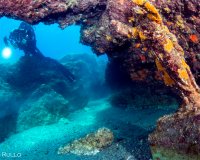
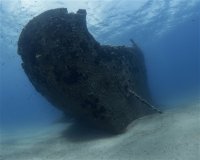
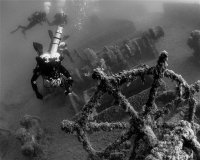
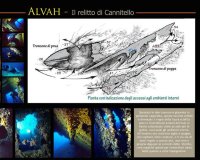
You can choose from over 20 different dive spots, including well-preserved wrecks of World War II, colored cliffs, large caves and reefs with "forests" of gorgonians, like the mythical Scylla!
The headquarters of the Diving, comfortable and well equipped, is located a few steps from the sea, on the promenade of Marina di Gioiosa Ionica, in the heart of the so-called Jasmine Coast. It has a large reception, a multimedia educational classroom, a full deposit with rental equipment, bathroom, hot shower and a comfortable laudry for washing equipment after diving.
Attending a diving course at our Diving Center means to enjoy every comfort, doing all the educational activities immediately at sea, in a limited safe area, but with the fun that only the sea can offer!
Choose the course perfect for you, training or specialty! There's a very wide choise: shipwrecks, underwater archeology, marine biology, night dive, nitrox or extended range, for those who want more ...
But Megale Hellas is not only this… It’s a structured center of tourist services for the discovery and knowledge of the territory of the province of Reggio Calabria. We are able to offer all-inclusive tourist services, for divers and not, which include, in addition to courses and scuba diving, guided tours, hiking, trekking and food and wine tours, to discover the natural, architectural and archaeological beauty of this area of Calabria, surrounded by two seas, dominated by the massif of the Aspromonte National Park and inhabited by people characterized by deep and generous hospitality.
Visit our website to discover all dive spots and follow us on our Facebook page to stay connected and updated on events and activities!



| 星期一 | 09:00 - 13:00 15:00 - 20:00 |
| 星期二 | 09:00 - 13:00 15:00 - 20:00 |
| 星期三 | 09:00 - 13:00 15:00 - 20:00 |
| 星期四 | 09:00 - 13:00 15:00 - 20:00 |
| 星期五 | 09:00 - 13:00 15:00 - 20:00 |
| 星期六 | 09:00 - 13:00 15:00 - 20:00 |
| 星期日 | 09:00 - 13:00 15:00 - 20:00 |
Si consiglia di prenotare le proprie attività e telefonare per info. In bassa stagione, il Centro potrebbe essere chiuso quando siamo in immersione.
+39964411555 https://megalehellas.net 聯絡資訊
| 星期一 | 09:00 - 13:00 15:00 - 20:00 |
| 星期二 | 09:00 - 13:00 15:00 - 20:00 |
| 星期三 | 09:00 - 13:00 15:00 - 20:00 |
| 星期四 | 09:00 - 13:00 15:00 - 20:00 |
| 星期五 | 09:00 - 13:00 15:00 - 20:00 |
| 星期六 | 09:00 - 13:00 15:00 - 20:00 |
| 星期日 | 09:00 - 13:00 15:00 - 20:00 |
Si consiglia di prenotare le proprie attività e telefonare per info. In bassa stagione, il Centro potrebbe essere chiuso quando siamo in immersione.