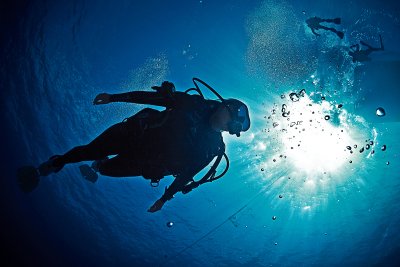
Jelajahi Huatulco
Huatulco adalah destinasi wisata yang berada di negara bagian selatan Oaxaca di pantai selatan Meksiko, menghadap ke Samudra Pasifik. Huatulco dulunya disebut Bahías De Huatulco, karena terdiri dari serangkaian sembilan teluk kecil (dan 36 pantai!). Lima dari sembilan teluk ini telah dilindungi sebagai bagian dari Parque Nacional Huatulco sejak tahun 1998. Ada lebih dari tiga puluh situs selam di teluk-teluk ini yang menjadi rumah bagi beragam flora dan fauna laut.
Top Huatulco Dive Sites
Isla San Agustin
Explore the rock formations with cracks and crevasses that offer a delightful marine experience. Encounter colorful fish and octopuses. The site is suitable for both scuba and freediving, ideal for beginners and intermediate divers. No protected areas noted.
Cacaluta
Perfect for both beginners and advanced divers, depths range from 15–40 meters/49–131 feet. Spot sea turtles, seahorses, and reef sharks among corals and rocks. Both scuba and freediving are possible. It is part of a marine park, adding ecological significance.
Maguey
A versatile site with sandy shallows and deep canyons. Suitable for novices and experienced divers. Discover lobsters and manta rays while scuba diving. Not specifically noted as a protected area.
El Violin
Known for its rays and small caves, this site offers excitement for adventurous divers. Scuba diving is recommended to explore the rocky depths and spot nurse sharks. The area is ecologically important due to rich marine life.
La Montosa
Another excellent spot for scuba divers, offering vibrant marine life with various species of fish and coral gardens. Suitable for intermediate divers, it's not primarily known for freediving. No specific mention of a protected zone.
Bulan terbaik untuk menyelam di Huatulco
Waktu terbaik untuk mengunjungi Huatulco dan menyelam di lokasi penyelaman adalah bulan November hingga Mei, saat kondisi laut paling tenang, dan juga saat penyelam dapat melihat spesies pelagis seperti hiu paus, paus bungkuk, dan pari manta raksasa! Spesies pelagis ini tertarik pada mekarnya plankton, yang terjadi di perairan yang sejuk dan kaya nutrisi dan sayangnya mengurangi jarak pandang secara signifikan. Pada suhu 27°C/80,6°F, perairan "sejuk" di musim dingin ini masih relatif hangat.