Sea Diver
Via Faro Scaletta Porto SNC, 91010 San Vito lo Capo, TP - Italia
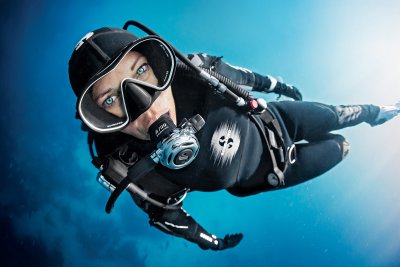
San Vito lo Capo es una pequeña ciudad de la costa noroccidental y provincia de Trapani de la isla de Sicilia, en Italia. Su playa es famosa por ser una de las más bellas del Mediterráneo, y miles de turistas y lugareños acuden a ella cada verano.
Hay varios centros de buceo en el paseo marítimo de San Vito lo Capo, todos los cuales ofrecen cursos de buceo desde principiante hasta profesional, incluidos algunos cursos de buceo técnico. Hay Resorts de buceo en toda la costa de Sicilia. Para bucear en Sicilia, hay varias opciones de embarcaciones de crucero.
At Punta Negra Wall, divers encounter vibrant red sea fans and elusive octopuses nestled among the rocks. With depths ranging from 12m to over 40m, this dive is suited for advanced divers. Scuba diving is recommended, and the wall's stunning features make it a must-see.
Perciata Cave offers a captivating dive with a maximum depth of 23m. Divers can explore the cavern littered with lobsters and nudibranch, while sunlight pierces through holes in the cavern's roof. This site suits intermediate scuba divers and is known for its mesmerizing light play.
Tonnara del Secco, featuring an ancient tuna factory, is ideal for easy scuba diving. The seagrass-covered plateau hosts octopuses, cuttlefish, and scorpionfish, alongside Roman artifacts. Advanced divers can explore the 25m drop-off, where yellowtail tuna are occasionally spotted.
The Kent wreck lies at 48m and is a technical dive suitable for experienced divers. This sunken ship, once carrying books, now teems with marine life like morays, congers, and groupers. Scuba divers can penetrate the wreck, making it a thrilling underwater exploration.
Though not specified in the reference, Monte Cofano Marine Park is of ecological importance and offers both freediving and scuba diving opportunities. Known for its diverse marine life and geological formations, it provides an engaging dive experience within a protected area.
Se puede bucear en San Vito lo Capo durante todo el año. Los meses de invierno, entre noviembre y abril, traen algo más de lluvia y temperaturas del agua más frías, de unos 16°C, pero el buceo sigue siendo excelente y el sol sigue brillando la mayoría de los días.
De mayo a octubre es la temporada alta. Los días son largos, soleados y templados, con temperaturas que rondan los 30°C durante el día. El agua también se calienta hasta unos 26°C, con una visibilidad de más de 40 m. Como es la temporada más concurrida, se recomienda reservar con antelación.
La vida marina de San Vito lo Capo es típica del mar Mediterráneo. Los arrecifes rocosos albergan una gran variedad de peces, entre los que se incluyen bancos de diminutos peces damisela, sargos plateados y sape, pequeños blénidos camuflados y lábridos RainBow y ornamentados de colores vivos. Escondidos en las grietas, es posible que veas morenas y congrios, así como al escurridizo Octopus.
Se puede encontrar una gran variedad de especies macro, como nudibranquios y crustáceos, ideales para los fotógrafos. En los puntos de inmersión más profundos se pueden ver bancos de peces más grandes, como la seriola y la barracuda, junto con algún que otro atún. De vez en cuando se avistan los enormes mola mola, al igual que tortugas, tiburones y delfines.
Los avistamientos de vida marina se basan en el contenido generado por los usuarios
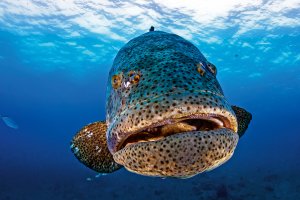
La imagen mostrada es una ilustración representativa y no muestra todos los animales individuales de esta categoría.
Número total de especies: 200
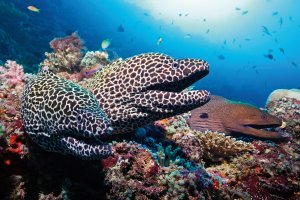
La imagen mostrada es una ilustración representativa y no muestra todos los animales individuales de esta categoría.
Número total de especies: 250