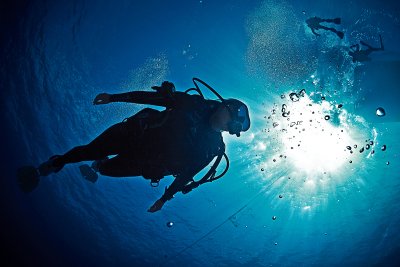
สำรวจเมืองฮัวตุลโก
ฮัวตุลโกเป็นแหล่งท่องเที่ยวที่ตั้งอยู่ในรัฐโออาซากาทางตอนใต้ของเม็กซิโก บนชายฝั่งทางใต้ติดกับมหาสมุทรแปซิฟิก เดิมทีฮัวตุลโกมีชื่อว่า บาเฮียส เด ฮัวตุลโก (Bahías De Huatulco) เนื่องจากประกอบด้วยอ่าวเล็กๆ 9 แห่ง (และชายหาด 36 แห่ง!) ห้าในเก้าอ่าวนี้ได้รับการคุ้มครองเป็นส่วนหนึ่งของอุทยานแห่งชาติฮัวตุลโก (Parque Nacional Huatulco) ตั้งแต่ปี 1998 มีจุดดำน้ำมากกว่า 30 แห่งในอ่าวเหล่านี้ ซึ่งเป็นที่อยู่อาศัยของพืชและสัตว์ทะเลหลากหลายชนิด
Top Huatulco Dive Sites
Isla San Agustin
Explore the rock formations with cracks and crevasses that offer a delightful marine experience. Encounter colorful fish and octopuses. The site is suitable for both scuba and freediving, ideal for beginners and intermediate divers. No protected areas noted.
Cacaluta
Perfect for both beginners and advanced divers, depths range from 15–40 meters/49–131 feet. Spot sea turtles, seahorses, and reef sharks among corals and rocks. Both scuba and freediving are possible. It is part of a marine park, adding ecological significance.
Maguey
A versatile site with sandy shallows and deep canyons. Suitable for novices and experienced divers. Discover lobsters and manta rays while scuba diving. Not specifically noted as a protected area.
El Violin
Known for its rays and small caves, this site offers excitement for adventurous divers. Scuba diving is recommended to explore the rocky depths and spot nurse sharks. The area is ecologically important due to rich marine life.
La Montosa
Another excellent spot for scuba divers, offering vibrant marine life with various species of fish and coral gardens. Suitable for intermediate divers, it's not primarily known for freediving. No specific mention of a protected zone.
เดือนที่เหมาะที่สุดสำหรับการดำน้ำในฮัวทูลโก
ช่วงเวลาที่ดีที่สุดในการเยี่ยมชมและดำน้ำที่เกาะฮัวทูลโกคือเดือนพฤศจิกายนถึงพฤษภาคม เพราะเป็นช่วงที่สภาพทะเลสงบที่สุด และเป็นช่วงที่นักดำน้ำจะได้พบเห็นสัตว์ทะเลขนาดใหญ่ เช่น ฉลามวาฬ วาฬหลังค่อม และปลากระเบนราหูยักษ์! สัตว์ทะเลเหล่านี้ถูกดึงดูดด้วยแพลงก์ตอนจำนวนมาก ซึ่งเกิดขึ้นในน้ำเย็นที่อุดมไปด้วยสารอาหาร และน่าเสียดายที่ทำให้ทัศนวิสัยในการดำน้ำลดลงอย่างมาก แม้ว่าน้ำในฤดูหนาวจะมีอุณหภูมิ 27°C/80.6°F ซึ่งถือว่า "เย็น" แต่ก็ยังค่อนข้างอุ่นอยู่