Continentes
Explore this destination and discover its diving opportunities.
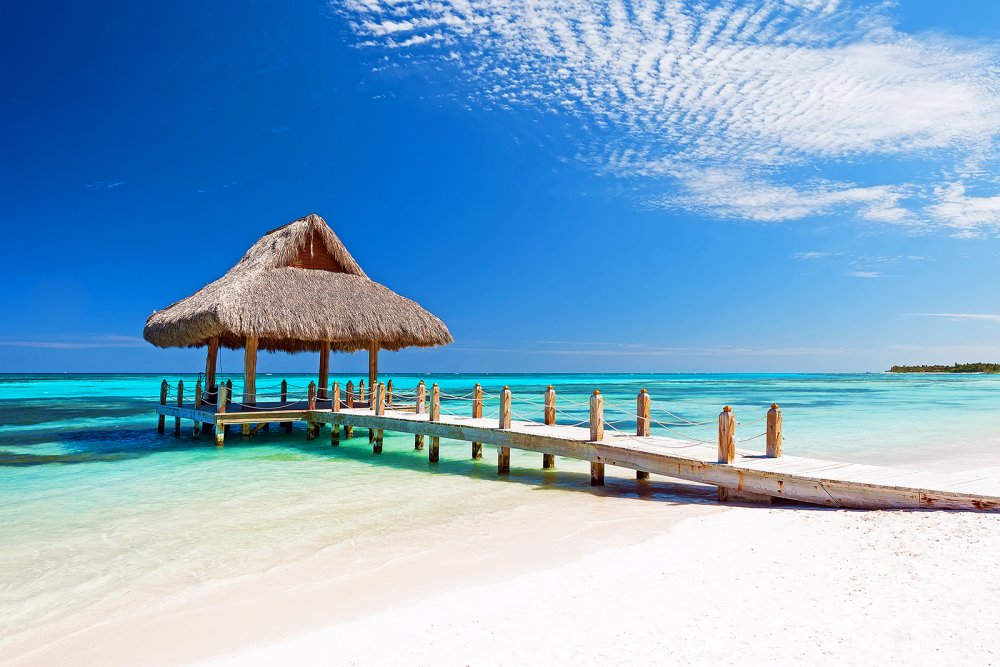
Submerged at 12 meters off Bávaro's coast, the Astron Wreck is home to abundant marine life and offers stunning sights like its massive propeller. The dive is suitable for both scuba divers and freedivers, with an easy adventure level and an opportunity to explore a famous shipwreck.
The Monica Wreck features an established ecosystem of encrusted corals and large schools of squirrelfish. This site is suited for scuba diving and is considered easy to intermediate in adventure level. Divers can explore both the wreck and the vibrant reef life.
Resting at 18 meters, this site is ideal for advanced divers. Snappers, turtles, and horse mackerel are often seen here, along with bountiful corals. It is primarily for scuba diving and offers a mix of marine life and wreck exploration.
La Cueva's caverns, at a maximum depth of 13 meters, are accessible even to beginners. Perfect for scuba diving, this site offers an easy adventure level and the thrill of exploring underwater caverns within a safe depth range.
This must-dive site features cultural native Taino sculptures, making it ideal for underwater photography. Suitable for both scuba divers and freedivers, it offers an easy adventure level and unique cultural immersion.
Aunque el buceo es estupendo durante todo el año gracias a un clima tropical que mantiene las aguas a 26°C-28°C, la mejor época para bucear en Punta Cana es de marzo a julio, cuando el mar está en calma y la visibilidad es máxima. Además, a diario, Punta Cana disfruta de aguas más claras y tranquilas por la tarde, lo que hace que una relajante inmersión vespertina sea una actividad muy popular.
De junio a noviembre es la temporada de lluvias, aunque los aguaceros suelen ser breves. También es la temporada de huracanes, así que considera la posibilidad de contratar un seguro de viaje. Como es temporada baja, encontrarás grandes ofertas en buceo, alojamiento y vuelos, y es probable que disfrutes de lugares de buceo poco concurridos.
De diciembre a mayo es la estación seca, cuando el tiempo es cálido y soleado. La costa norte puede experimentar mares y corrientes más agitados, pero esto se compensa con la increíble oportunidad de avistar ballenas jorobadas migratorias. Vienen del Atlántico Norte a Bávaro, y luego dan a luz en Samaná. Los machos suelen montar espectáculos impresionantes para atraer a las hembras.