Nova Irlanda
A Nova Irlanda é uma das ilhas da Papua Nova Guiné, que fica a leste da ilha principal. Esta ilha
 © iStock-Divepic
A região insular de Papua Nova Guiné fica a leste da ilha principal e inclui várias ilhas com alguns pontos de mergulho. Todas estas ilhas têm um ambiente de ilha paradisíaca tropical, com uma vegetação luxuriante e praias de areia que ladeiam águas turquesa cintilantes com muitas oportunidades de mergulho. Alguns dos principais destinos de mergulho incluem Kimbe Bay e Rabaul na ilha de New Britain, Kavien na ilha de New Ireland, Father Reef, ilha de Witsu, ilha de Bougainville, ilha de Manus e New Hanover. A região das ilhas é um destino de mergulho quente, com temperaturas que variam entre 22 e 32 graus Celsius e temperaturas da água entre 28 e 29 graus Celsius. É possível mergulhar durante todo o ano e a visibilidade é superior à média, devido às águas vulcânicas.
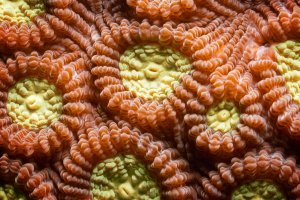
Mergulhar nesta região significa que os mergulhadores de muitos interesses irão certamente ver e experimentar algo excitante. Quer os mergulhadores queiram mergulhar na história e ver uma série de diferentes tipos de destroços, desde aviões da Segunda Guerra Mundial a barcos de pesca, quer queiram ver recifes florescentes repletos de uma variedade de corais moles, corais duros, leques marinhos, gorgónias e muito mais. As espécies que habitam estes recifes vão desde o camuflado peixe-escorpião até às graciosas tartarugas marinhas. A topografia vulcânica criou algumas formações rochosas únicas, incluindo montes submarinos, arcos, canais e paredes marinhas íngremes que atraem muitas espécies de tubarões, incluindo os tubarões cinzentos dos recifes. Os locais de mergulho encontram-se a diferentes profundidades, pelo que são acessíveis a mergulhadores de todos os níveis. Os mergulhadores podem chegar a estes locais de mergulho embarcando num liveaboard ou entrando em contacto com os centros de mergulho e estâncias de mergulho locais. Esta é uma região de mergulho a não perder!
Located in Witsu Island, Goru Arches features two impressive arches encrusted with vibrant sea fans and soft corals. The site offers a colorful dive with easy adventure level, suitable for scuba diving. It's a must-visit for its stunning underwater formations.
Found in Kimbe, Susan’s Reef is recognized as the most vibrant and photographed dive site, featuring two large seamounts with stunning pink sea whips and pygmy seahorses. Ideal for easy to advanced scuba diving, it is a visual feast for all divers.
In Rabaul, the George Wreck is a Japanese WWII minelayer lying between 12 and 60 meters. It accommodates divers of all levels with abundant marine life inhabiting the wreck. Suitable for both scuba and freediving, it's perfect for historical exploration.
This narrow channel in Kavieng has strong currents, bringing large pelagic species, sea turtles, and rays. It's for advanced scuba divers seeking adventure and the thrill of drift diving. It's a vibrant passage with abundant marine life.
Located in Father's reef, Shaggy Reef is a hotspot to see different shark species, including silvertip and grey reef sharks. Suitable for advanced scuba divers, it offers a thrilling dive experience with a focus on marine life diversity.
A Taiwanese fishing boat scuttled in 1988, Der Yang in Kavieng is now encrusted with hard and soft corals, providing a colorful wreck dive. It's an easy to moderate dive site, perfect for scuba divers interested in wreck and coral exploration.
These are three reefs in Rabaul connected by a 15-meter deep ridge, each offering unique marine life. A dive here promises a colorful and thrilling experience, suitable for easy scuba diving, showcasing a variety of underwater habitats.
A região das ilhas da Papua Nova Guiné oferece condições de mergulho excepcionais durante todo o ano, com temperaturas da água que variam entre 27°C e 30°C (81°F e 86°F). Este clima quente torna possível mergulhar durante todo o ano. Normalmente, a visibilidade varia entre os 20 e os 40 metros, proporcionando excelentes vistas subaquáticas aos mergulhadores.
Embora seja possível mergulhar durante todo o ano, a região apresenta variações sazonais. Os meses de dezembro a março são considerados a estação húmida, que pode trazer ventos mais fortes e chuva ocasional, afectando potencialmente as condições da superfície e a visibilidade. No entanto, estes factores são geralmente moderados e o ambiente subaquático permanece praticamente inalterado, tornando-o um destino privilegiado para os mergulhadores em qualquer altura.
A região insular da Papua-Nova Guiné é conhecida pela sua vida marinha vibrante, o que a torna um paraíso para os mergulhadores. Peixes de recife comuns, como o peixe-palhaço, o peixe-papagaio e o peixe-borboleta, podem ser vistos durante todo o ano, proporcionando um cenário colorido para a exploração Underwater. Os CORAL REEFs da região também abrigam uma variedade de nudibrânquios e anémonas-do-mar, o que contribui para a diversidade.
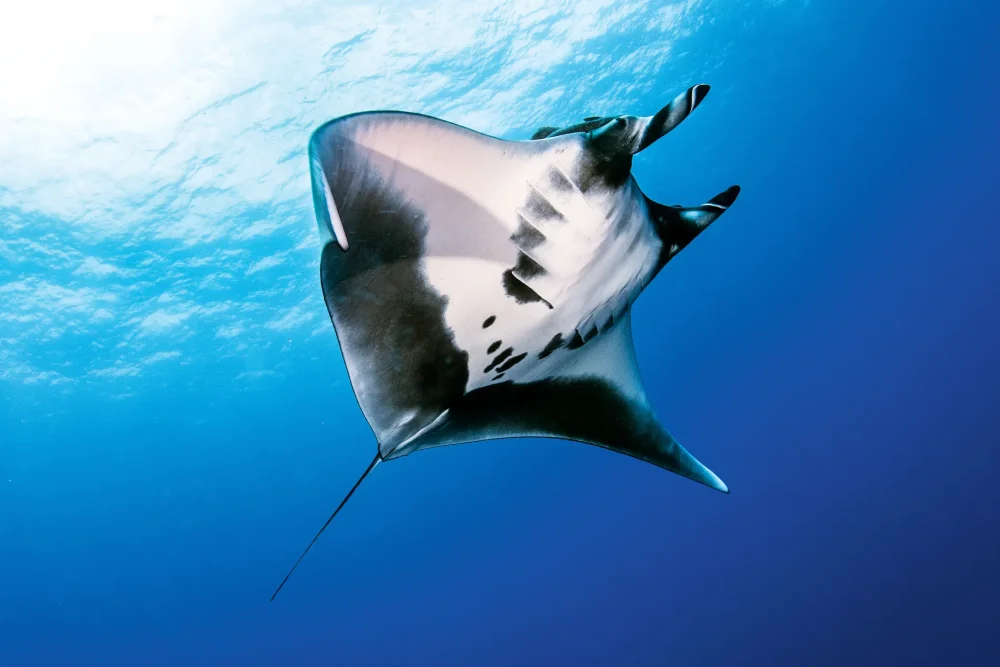
Os destaques sazonais incluem o aparecimento de tubarões, tartarugas e raias. De novembro a abril, os mergulhadores podem encontrar tubarões-cinzentos-dos-recifes e, ocasionalmente, tubarões-martelo perto da Baía de Kimbe, enquanto as tartarugas-de-couro podem ser vistas a nidificar nas praias de novembro a fevereiro. As raias-manta são mais frequentes na zona de Kavieng e no Mar de Bismarck, de maio a outubro. Estas espécies são geralmente mais visíveis em períodos específicos, o que torna a escolha da época do ano crucial para os mergulhadores que querem aproveitar ao máximo os seus encontros com a vida selvagem.
A observação da vida selvagem é baseada no Conteúdo Gerado pelo Utilizador
A imagem apresentada é uma ilustração representativa e não representa todos os animais individuais desta categoria.
Número total de espécies: 400
A imagem apresentada é uma ilustração representativa e não representa todos os animais individuais desta categoria.
Número total de espécies: 80000
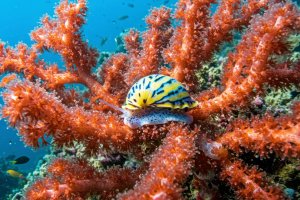
A imagem apresentada é uma ilustração representativa e não representa todos os animais individuais desta categoria.
Número total de espécies: 1500