Khám phá Huatulco
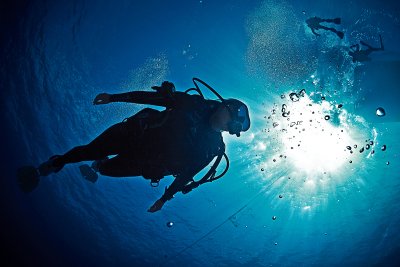
Huatulco là một điểm du lịch nằm ở bang Oaxaca phía nam, trên bờ biển phía nam của Mexico, hướng ra Thái Bình Dương. Huatulco trước đây được gọi là Bahías De Huatulco, vì nó bao gồm một chuỗi chín vịnh nhỏ hơn (và 36 bãi biển!). Năm trong số chín vịnh này đã được bảo vệ như một phần của Vườn quốc gia Huatulco từ năm 1998. Có hơn ba mươi địa điểm lặn ở những vịnh này, là nơi sinh sống của một hệ động thực vật biển đa dạng.
Top Huatulco Dive Sites
Isla San Agustin
Explore the rock formations with cracks and crevasses that offer a delightful marine experience. Encounter colorful fish and octopuses. The site is suitable for both scuba and freediving, ideal for beginners and intermediate divers. No protected areas noted.
Cacaluta
Perfect for both beginners and advanced divers, depths range from 15–40 meters/49–131 feet. Spot sea turtles, seahorses, and reef sharks among corals and rocks. Both scuba and freediving are possible. It is part of a marine park, adding ecological significance.
Maguey
A versatile site with sandy shallows and deep canyons. Suitable for novices and experienced divers. Discover lobsters and manta rays while scuba diving. Not specifically noted as a protected area.
El Violin
Known for its rays and small caves, this site offers excitement for adventurous divers. Scuba diving is recommended to explore the rocky depths and spot nurse sharks. The area is ecologically important due to rich marine life.
La Montosa
Another excellent spot for scuba divers, offering vibrant marine life with various species of fish and coral gardens. Suitable for intermediate divers, it's not primarily known for freediving. No specific mention of a protected zone.
Những tháng tốt nhất để lặn biển ở Huatulco
Thời điểm tốt nhất để đến thăm Huatulco và lặn biển ở đây là từ tháng 11 đến tháng 5. Đây là lúc điều kiện biển lặng nhất, và cũng là lúc thợ lặn có thể bắt gặp các loài sinh vật biển khơi như cá mập voi, cá voi lưng gù và cá đuối khổng lồ! Những loài sinh vật biển khơi này bị thu hút bởi sự bùng phát của sinh vật phù du, diễn ra trong vùng nước mát, giàu chất dinh dưỡng và không may là làm giảm tầm nhìn đáng kể. Ở nhiệt độ 27°C/80.6°F, vùng nước "mát" này vào mùa đông vẫn tương đối ấm áp.