AMBON DIVE EXPLORE
Jl. Sultan Khairun Djamil, 97236 Ambon, MA - Indonesia
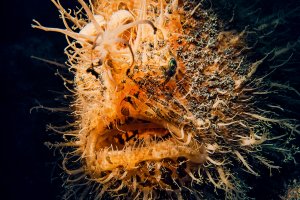
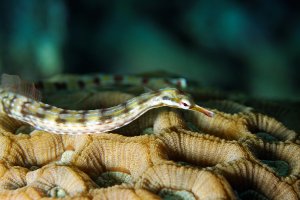
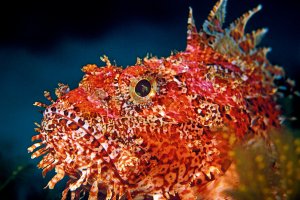
In Eastern Indonesia lies Ambon, an island in Maluku once famous for its role in the spice trade. Ambon today, has become world-renowned for having some of the best muck diving on the planet. Rival to the silty black-sand sites at Lembeh, the discovery of the psychedelic frogfish, found only in Ambon Bay, has set the two locations apart. Aside from the psychedelic frogfish, the rare Ambon scorpionfish and Halimeda ghost pipefish are also known to the area if you are keen-eyed enough to spot them!
Search for weird and wacky creatures from the north coast in Ambon Bay or take a break from critter hunting and head to the south coast to explore caves and reefs. Ambon diving is great for novice divers, where calm conditions mean easy dives, while aspiring underwater photographers can enroll in macro photography dive courses.
Scuba diving in Ambon is possible from a few dive resorts and dive centres yet, most visitors decide to delve into the waters via liveaboards. This way, divers can enjoy diving the Ambon region along with the incredible Banda Islands, where current-swept sites, cetaceans, and an astounding abundance of fish await.
Laha, located in Ambon Bay, is renowned for its rich macro marine life. Divers can encounter frogfish, shrimpfish, and mandarin fish. The site is suitable for scuba diving at an easy adventure level. Special features include a sandy slope and a jetty with diverse marine life.
Notable for the rare weedy rhinopia, Rhino City offers a fascinating dive on a sandy slope. Divers often see anemones with shrimp and porcelain crabs. Suitable for advanced scuba divers, this site features unique creatures like black razor shrimp. No freediving is recommended here.
Located in southern Ambon Bay, Silale is ideal for observing nudibranchs, various frogfish, and the elusive ghost pipefish. This dive site caters to both scuba and freediving at an easy level. The area's rubble slope makes it perfect for macro photography.
This wreck dive features the sunken cargo ship, SS Duke of Sparta. Advanced scuba divers can explore the cargo compartments and swim-throughs. Found in deep waters, the wreck is now home to thriving corals, offering a technical diving experience.
Pintu Kota, or 'Gate of the City,' boasts underwater arches with excellent visibility. Scuba divers can enjoy exploring the vibrant reef fish. The site is suitable for both scuba and freediving at an intermediate level, with its unique underwater formations making it a must-visit.
Scuba diving in Ambon is possible all year round as the island—particularly Ambon Bay, where you’ll spend your time hunting for the ‘small stuff’—is more sheltered than other areas of the Banda Sea, and so the dive sites are usually calm despite the season. In the monsoon season, in June, July, and August, some of the dive centers close due to heavy rains perturbing dive tourists, meaning liveaboards rarely visit during this time.
Visibility seldom exceeds 20 meters/66 feet at Ambon, where critters thrive in the murky conditions, although during the dry season from April to October there is less rain and the likelihood of better visibility. Aside from the few months in the monsoon season, Ambon’s temperature is steady throughout and has an average temperature of 27°C/81°F.
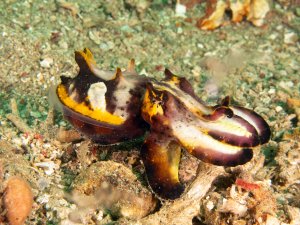
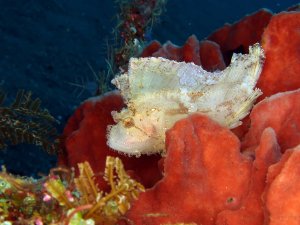
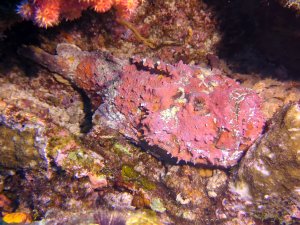
The eponymous Ambon scorpionfish is one of the rare creatures that can be found by divers here alongside the psychedelic frogfish, found only in Ambon Bay, and the Halimeda ghost pipefish. Aside from the psychedelic frogfish, the giant and painted frogfish lurk while flamboyant cuttlefish and the psychedelic batwing nudibranch add colour to the otherwise dull underwater landscape.
In the ‘Twilight Zone’ one of Ambon’s most renowned muck dive sites, the seabed - littered with rubbish and fish carcasses - provides the perfect refuge for weird critters. Despite not being somewhere everybody would choose to reside, rhinopias, unusual octopus species, crustaceans and nudibranch have all set up house. Among the legs of Ambon Island’s jetty, striped catfish, moray eels and the venemous stonefish feed on the spoils of local fishermen.
Wildlife Sightings are Based on User Generated Content
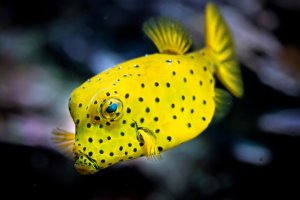
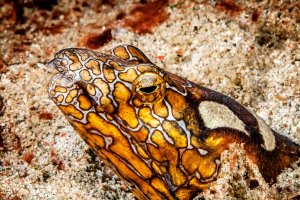
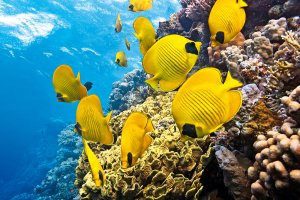
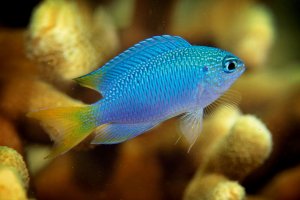
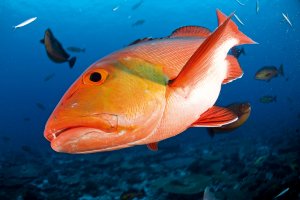
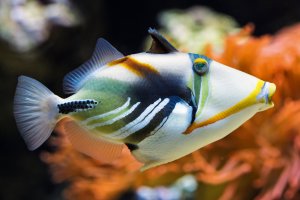
The image shown is a representative illustration and does not depict every individual animal in this category.
Total number of species approx.: 200
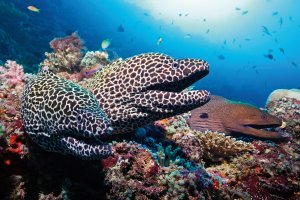
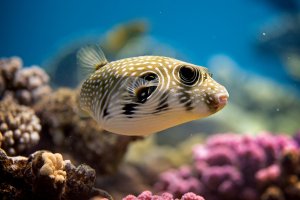
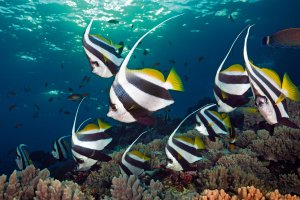
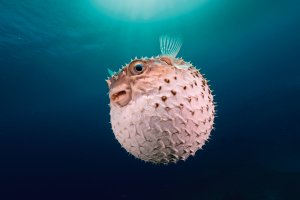
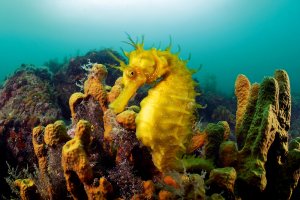
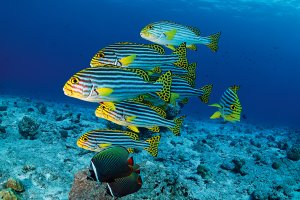
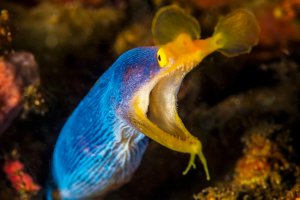
The image shown is a representative illustration and does not depict every individual animal in this category.
Total number of species approx.: 300
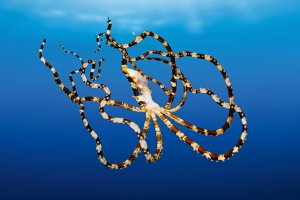
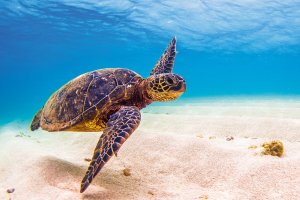
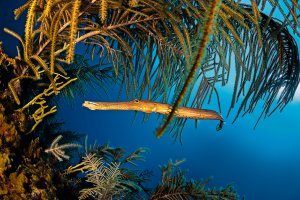
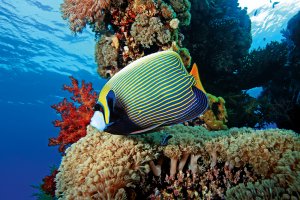
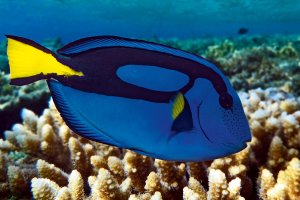
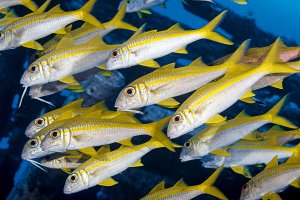
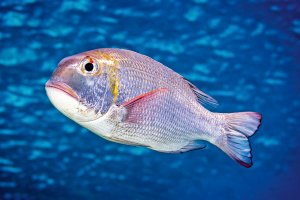
The image shown is a representative illustration and does not depict every individual animal in this category.
Total number of species approx.: 3000
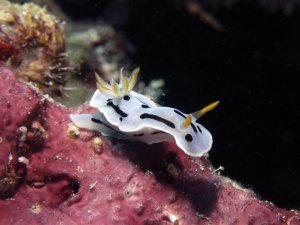
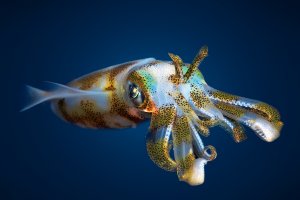
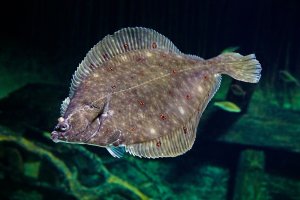
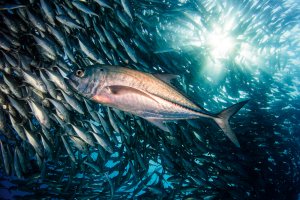
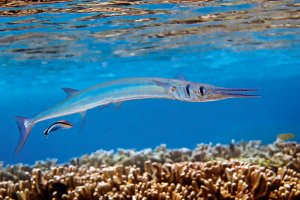
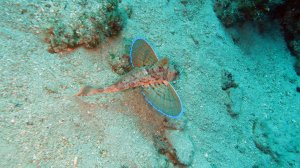
The image shown is a representative illustration and does not depict every individual animal in this category.
Total number of species approx.: 12
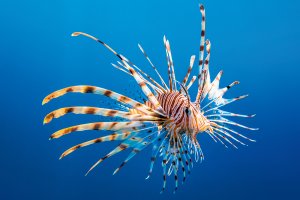
The image shown is a representative illustration and does not depict every individual animal in this category.
Total number of species approx.: 3400
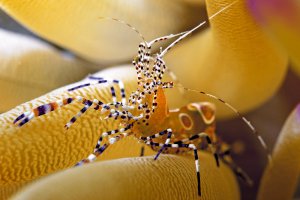
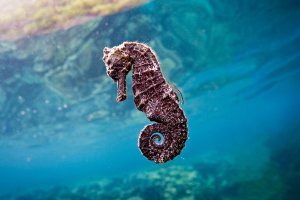
The image shown is a representative illustration and does not depict every individual animal in this category.
Total number of species approx.: 7000
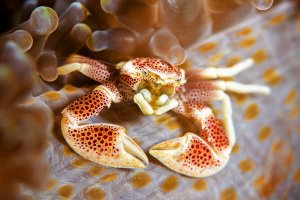
The image shown is a representative illustration and does not depict every individual animal in this category.
Total number of species approx.: 28
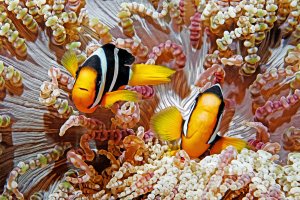
The image shown is a representative illustration and does not depict every individual animal in this category.
Total number of species approx.: 50