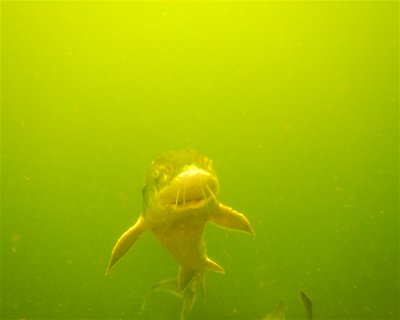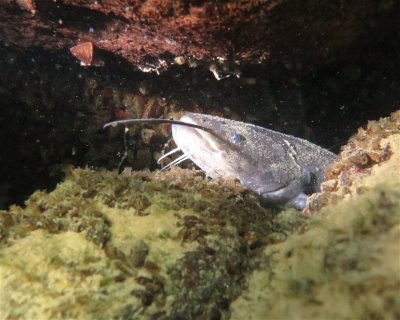
Catfish is the common name given to any fish in the order Siluriformes and are one of the most widely diverse and abundantly distributed species on the planet, occurring on every continent except Antarctica. Most of them live in freshwater lakes, rivers, and ponds with the exception of a few saltwater species. They are easily recognizable by their barbels on the upper jaw and, sometimes, snout and chin, which look like the whiskers of a cat, giving them their name.
In addition to these “whiskers” most catfish have spines in front of their dorsal fins, some with venom, so be cautiois when diving with, and handling them. They are also unique amongst most fish as they do not have scales, making them feel slimy to the touch. They come in all sizes from the monstrous wels, a large European species that can grow up to 4.5 meters (15 feet) in length, to the dwarf micro cat which can be as small as 4-5 centimeters long. They are important as a food source, often times farmed, are desirable in the aquarium trade, and are fun to see while diving. If you want to go diving with catfish, explore the map below for dive sites where their sightings are common.
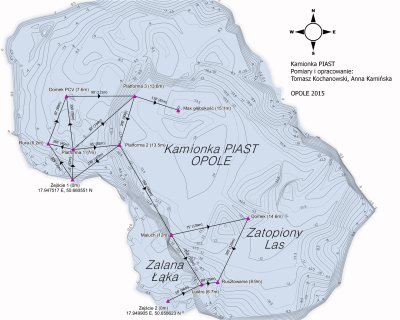
Marl quarry is the best reservoir for diving in Opole. It has 2 descents to the water with easy access. Enter from Parking lot 2 where you can penetrate a bit deeper and sites are more interesting. This area is intended for experienced divers or with a good guide.
The entrance is on the camping site "Am Waldsee". The entrance is at a small sandy beach. From 7 m depth you will find gravel walls.
Lake Pichlinger is an artificially created recreational area in the southeast of Linz, in the district of Ebelsberg. It includes the bathing lake, the green belt with various parking lots, restaurants, and snack bars, playgrounds and a camping site.
Lake Süli - Šulianske jazero, Slovakia5 Sea DC Training Site - On the gravel road you can get into the dive site by passing the buffet. Due to a closed gate, an appointment must be made in advance.
The entrance is via the embankment. At the bridge piers are often many fish hidden. In summer often a large catfish. Toilets are available
Set in a 70-hectare natural area, this 120-hectare lake is a former gravel pit redeveloped for swimming and leisure activities.