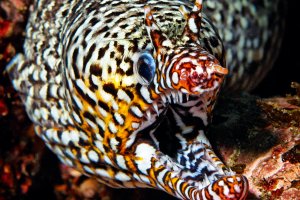
Freediving Expedition in Cape Verde
together with the shark researchers at Ocean Collective
wet, in der Kumme 60, 53175, Bonn, DEU
August 15, 2027





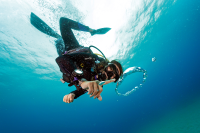
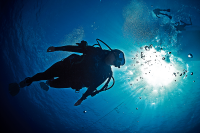
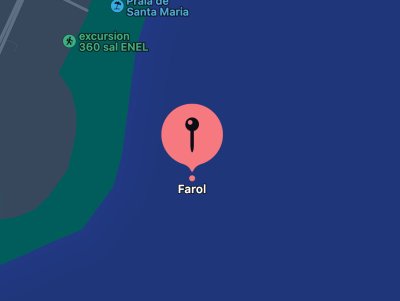
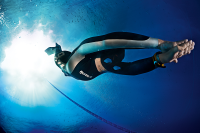
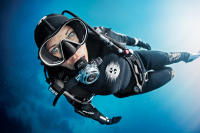
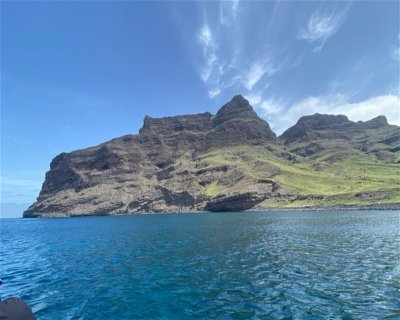
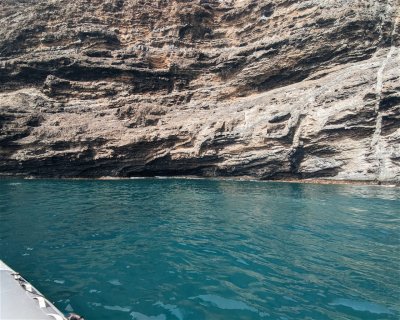
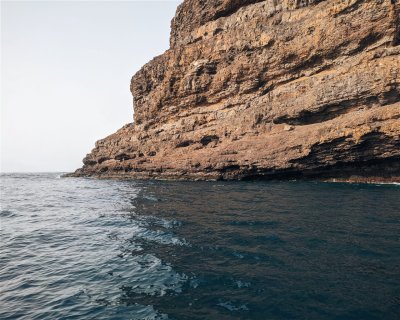
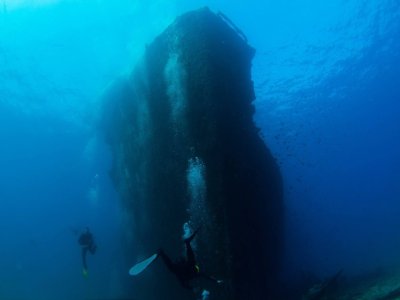
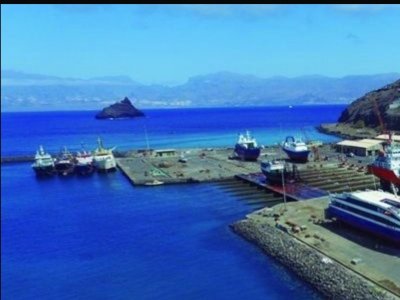
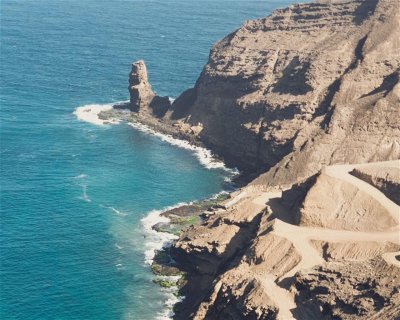
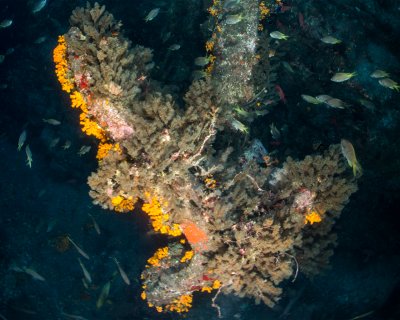
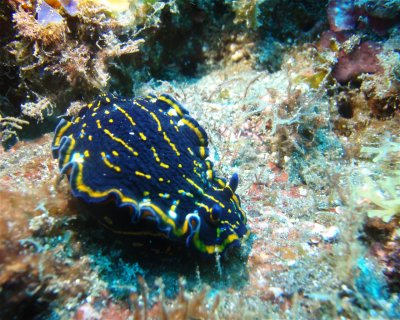
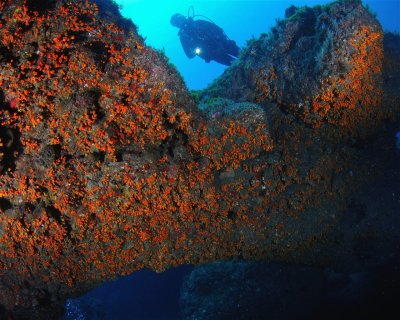
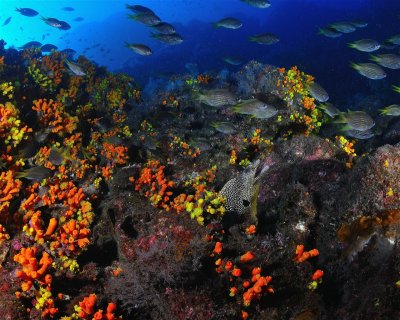
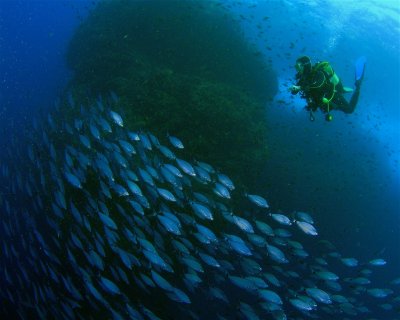
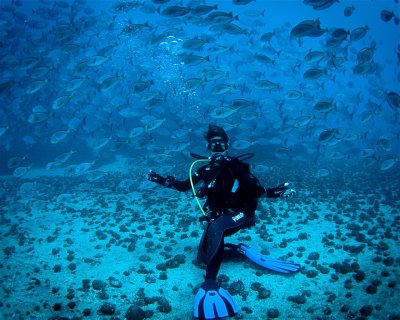
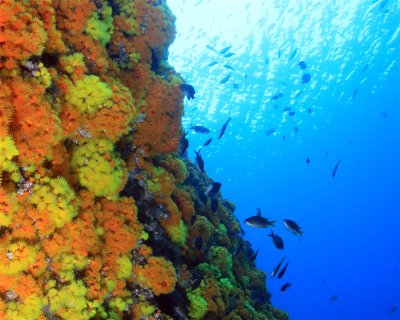
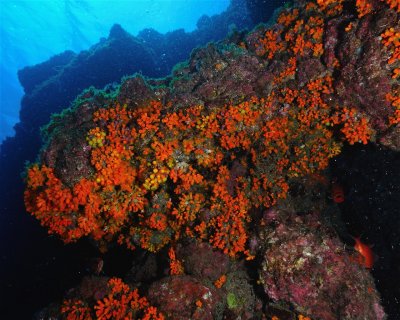
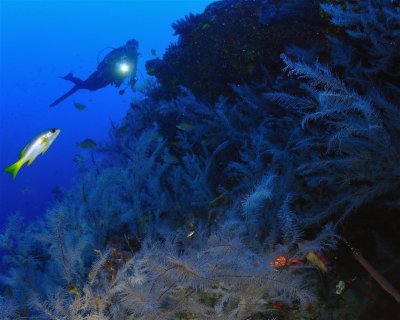
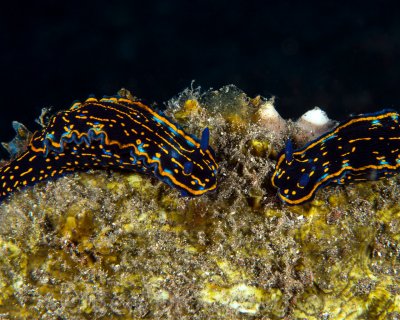
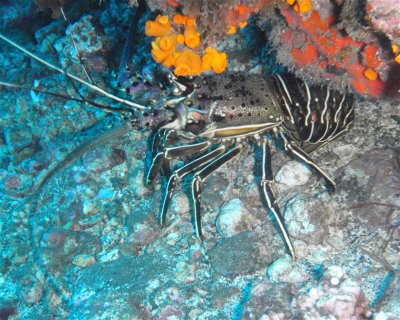
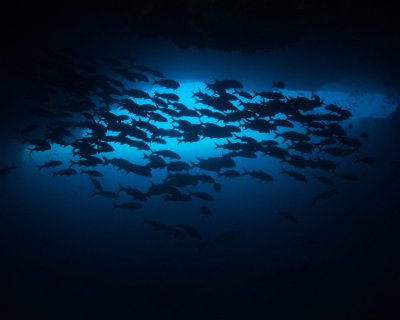
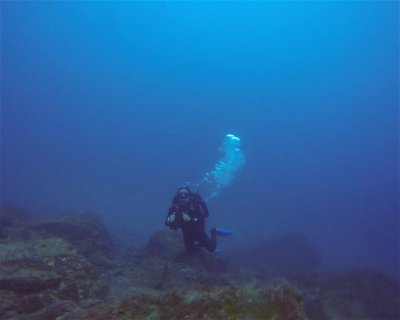
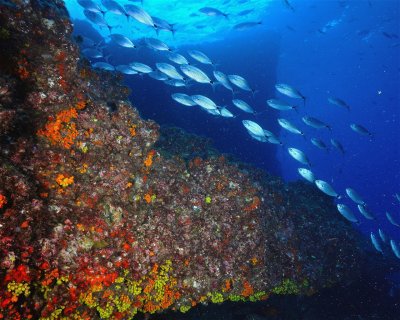
Cape Verde offers an exceptional diving experience thanks to its unique location and diverse marine environments. Nestled below the Canary Islands, this archipelago of ten volcanic islands presents a stunning underwater landscape. Divers can explore a variety of sites, including vibrant coral reefs, dramatic walls, and intriguing wrecks. The islands are home to a rich array of marine life, from colorful tropical fish to larger species such as manta rays and sharks. Each dive promises encounters with Cape Verde’s distinctive underwater ecosystems, offering exciting and rewarding experiences for divers of all skill levels. A popular dive destination is Sal Island, the main flight hub, offering easy access to some of the country's best dive sites. The islands' warm waters, ranging from 22°C–27°C/72°F–81°F, provide excellent conditions for both shore and boat dives. Seasonal changes bring different marine visitors, with humpback whales often spotted between March and May. Beyond the water, the islands' volcanic origins create intriguing landscapes that extend below the surface, making each dive a journey into Cape Verde's geological past. English-speaking dive operators ensure that international divers feel welcome, adding to the ease and enjoyment of exploring Cape Verde's underwater wonders.
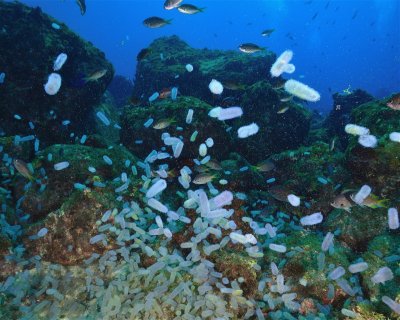
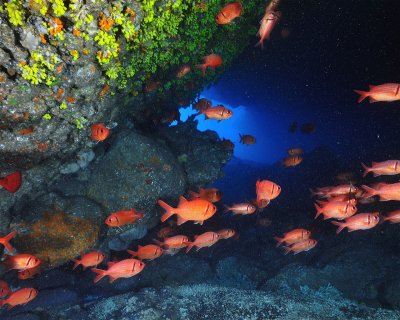
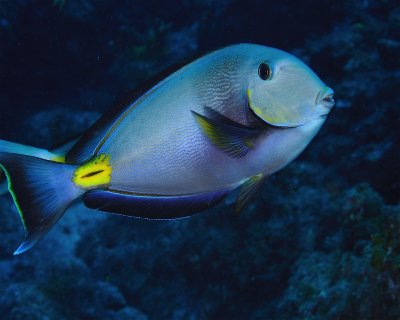
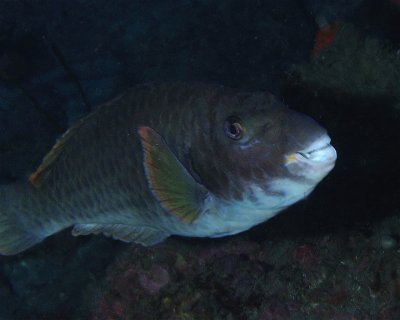
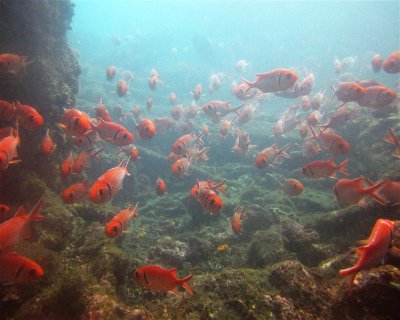
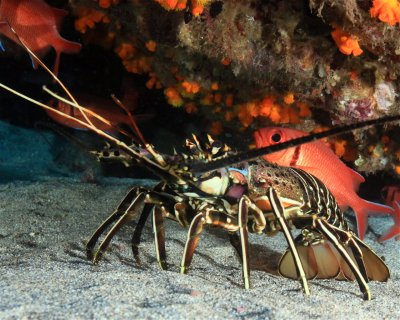
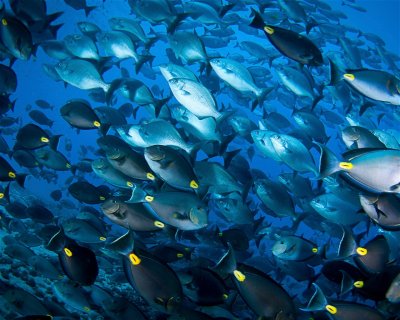
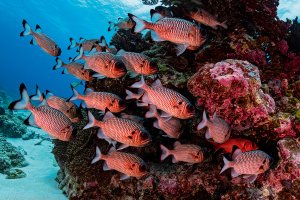
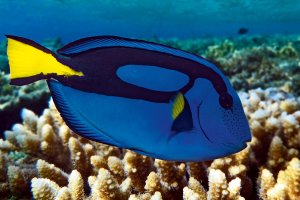
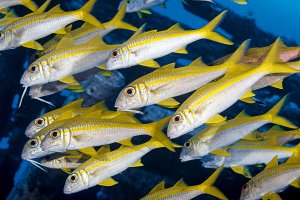
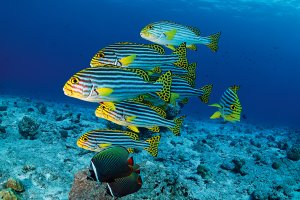
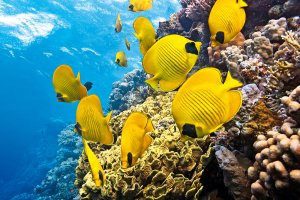
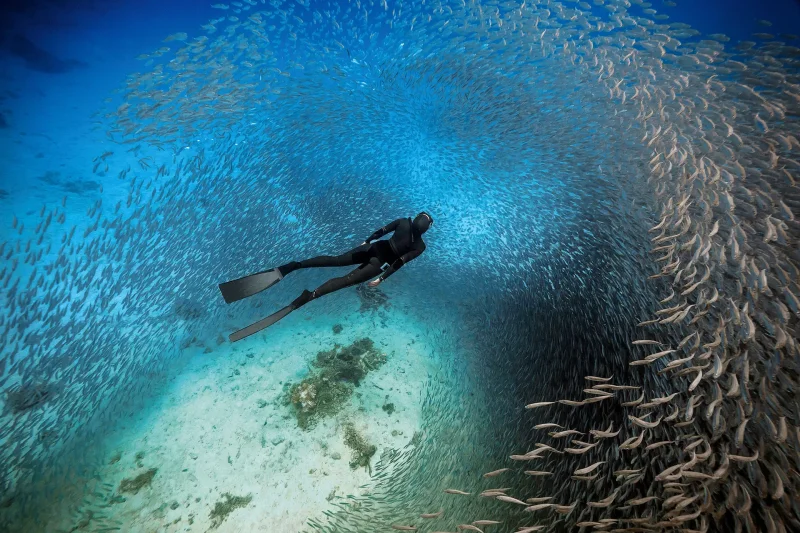
Cape Verde's marine life is a vibrant mix of tropical and temperate species due to its location in the Atlantic Ocean. The coral reefs around the islands host a variety of common reef fish such as parrotfish, butterflyfish, and sergeant majors, making them a delight for divers throughout the year. Divers can frequently encounter these colorful species in the shallower reef sections.
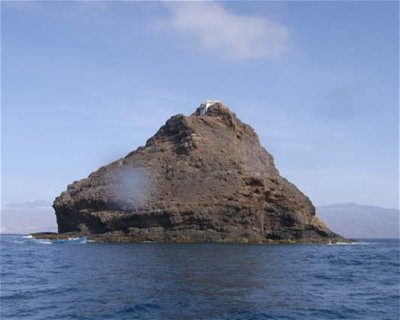
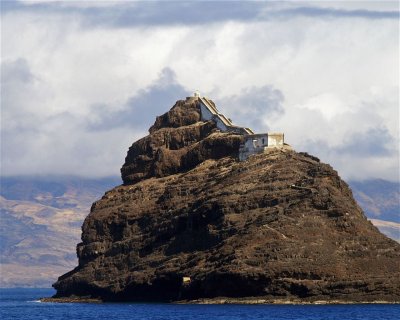
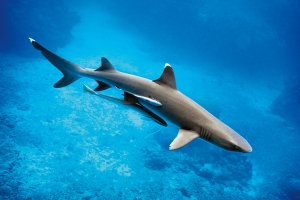
Seasonal highlights include sightings of larger marine creatures like sharks, rays, and turtles. Loggerhead turtles are particularly notable around the beaches of Boa Vista and Sal, especially during nesting season from June to October. Sharks are more likely spotted off the island of Santa Luzia, where hammerhead and nurse sharks are known to frequent the waters. Rays, including the striking manta ray, are often seen gliding gracefully around the deeper reefs year-round, offering divers a chance to experience these majestic creatures up close.
Wildlife Sightings are Based on User Generated Content
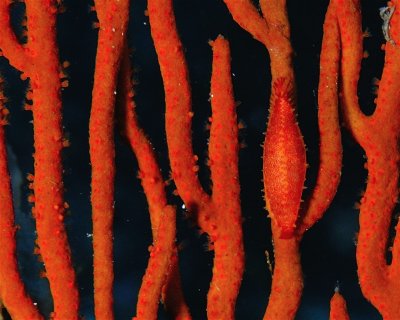
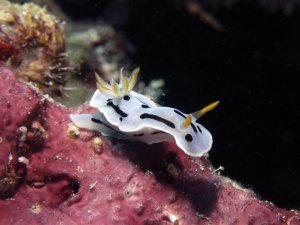
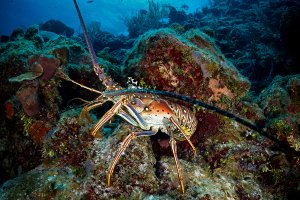
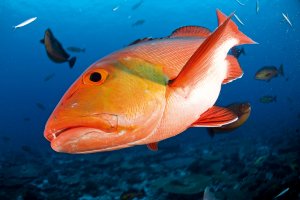
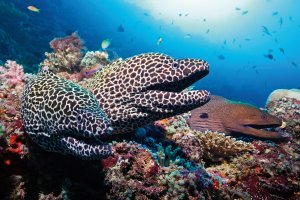
The image shown is a representative illustration and does not depict every individual animal in this category.
Total number of species approx.: 200
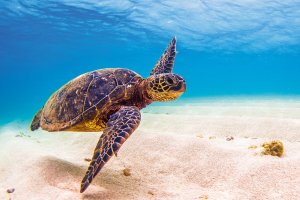
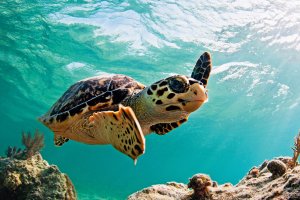
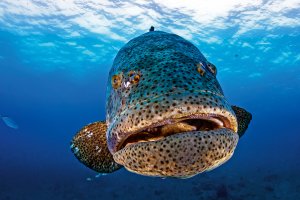
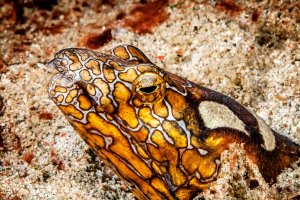
The image shown is a representative illustration and does not depict every individual animal in this category.
Total number of species approx.: 300
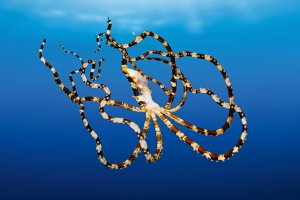
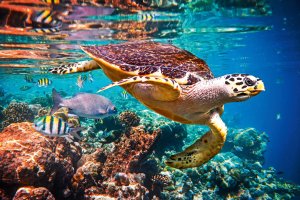
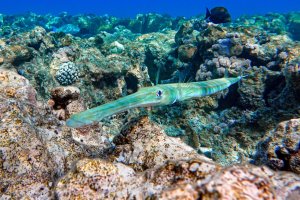
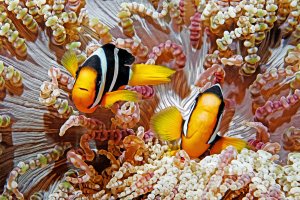
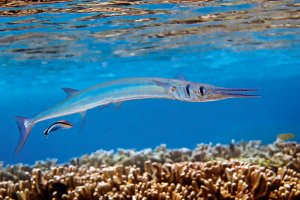
The image shown is a representative illustration and does not depict every individual animal in this category.
Total number of species approx.: 3
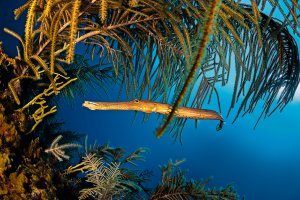
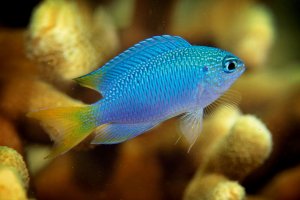
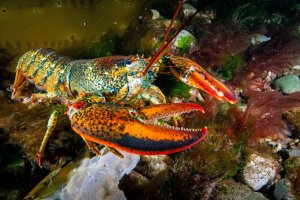
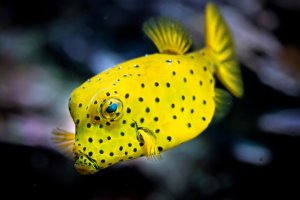
The image shown is a representative illustration and does not depict every individual animal in this category.
Total number of species approx.: 80
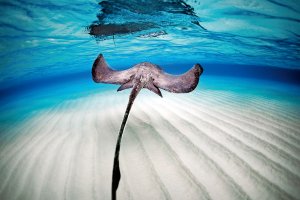
The image shown is a representative illustration and does not depict every individual animal in this category.
Total number of species approx.: 130
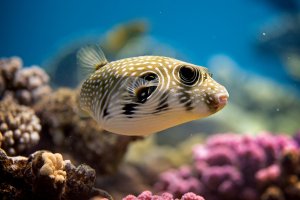
The image shown is a representative illustration and does not depict every individual animal in this category.
Total number of species approx.: 2
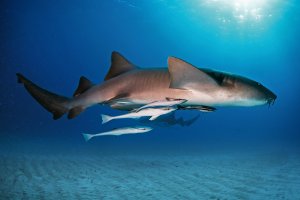
The image shown is a representative illustration and does not depict every individual animal in this category.
Total number of species approx.: 100
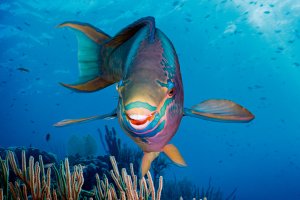
Curated by Interest
Mares
Aqualung
Shutterstock-Zi Magine
Mares-Predrag Vuckovic
Scubapro
Shutterstock-Ethan Daniels
Mares-Predrag Vuckovic
Mares-Bjoern Dorstewit

together with the shark researchers at Ocean Collective
Show Offer
together with the shark researchers at Ocean Collective
Show Offer
together with the shark researchers at Ocean Collective
Show Offer