




Enriched Air Nitrox Explorer
Nitrox Course Greater Mastery of Dive Planning
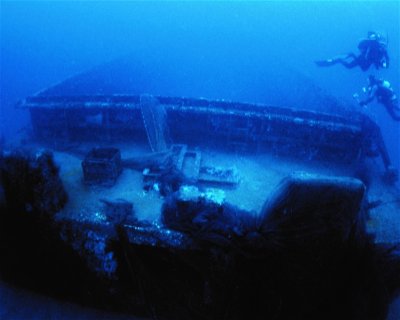
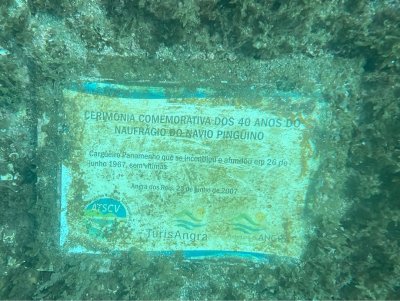
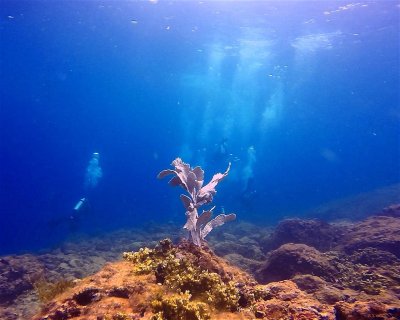
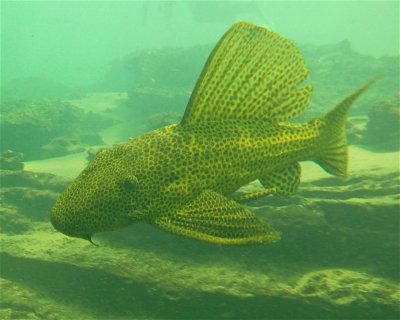
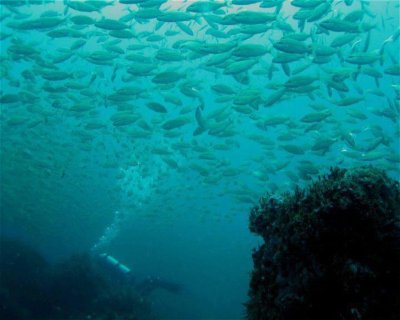
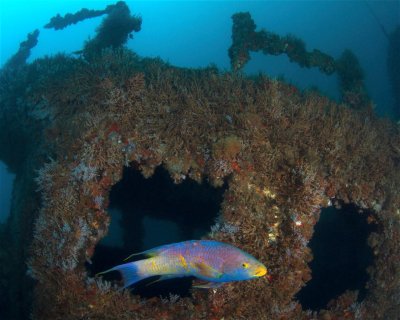
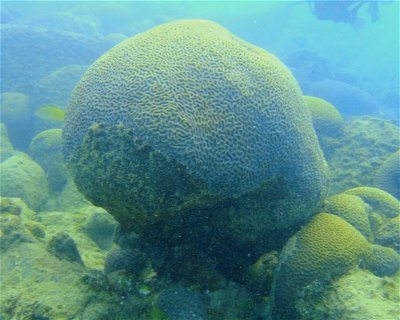
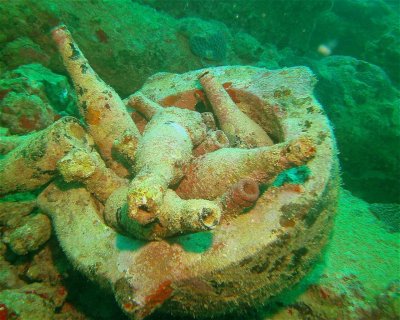
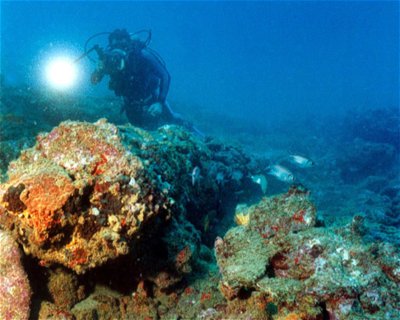
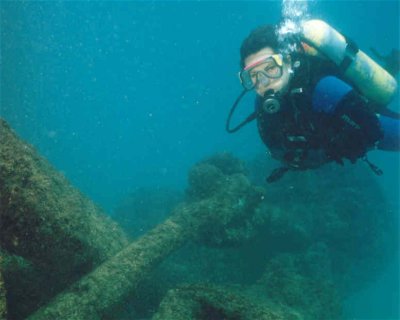
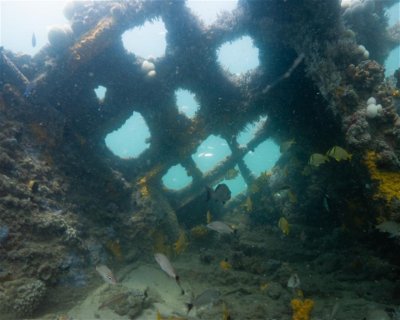
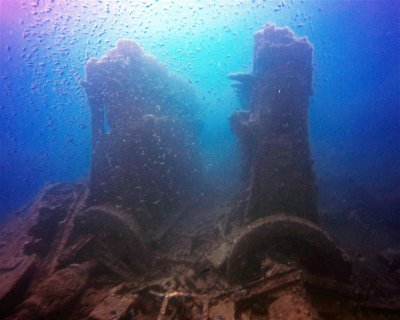
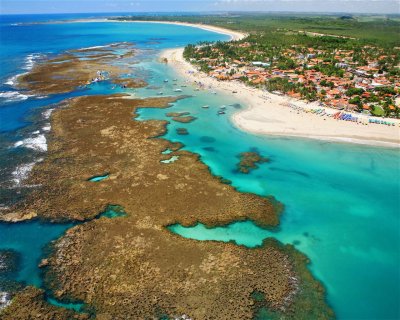
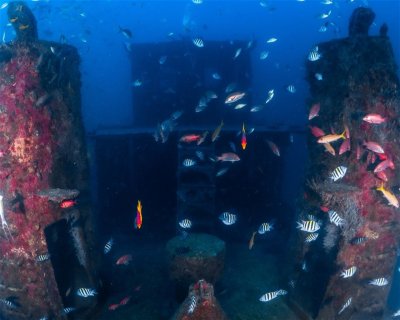
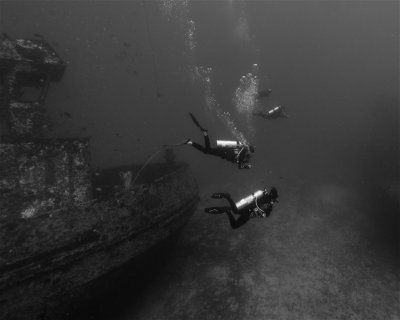
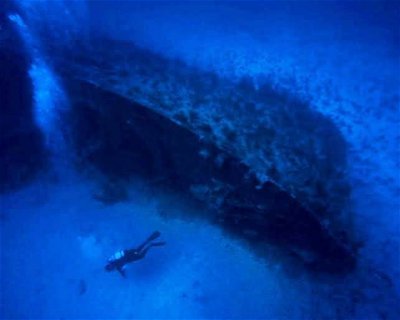
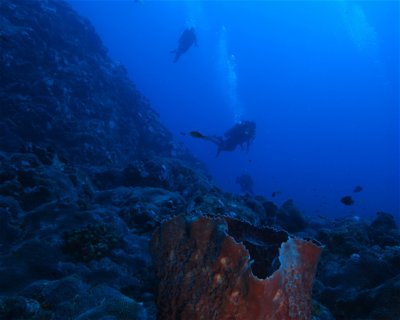
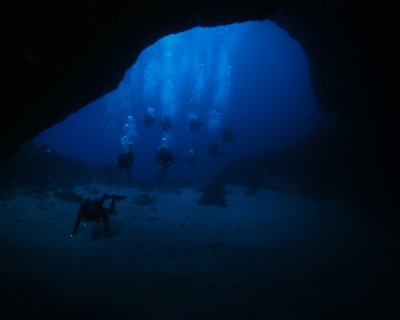
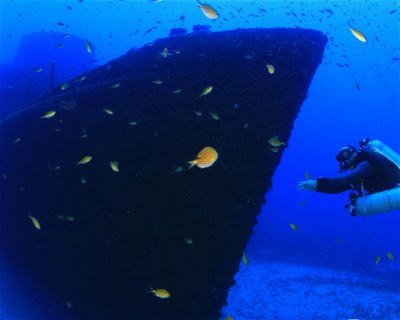
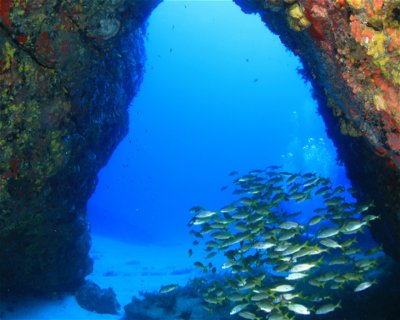
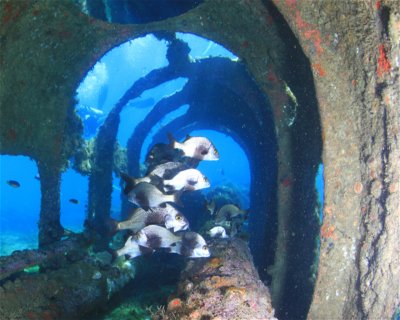
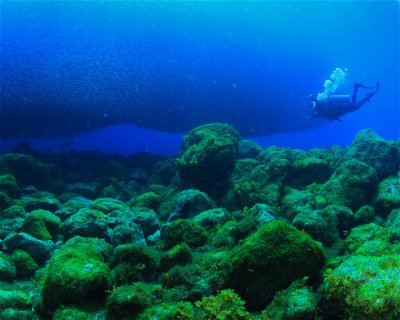
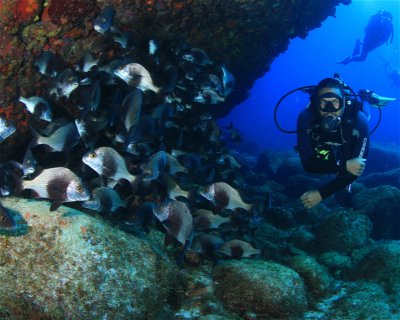
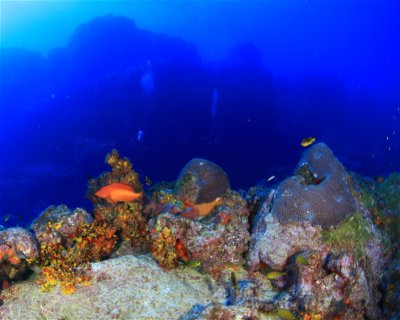
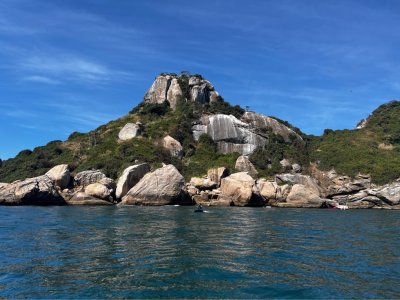
Diving in Brazil offers a vibrant tapestry of marine life and underwater landscapes that cater to divers of all levels. With a coastline stretching over 7,000 km/4,350 miles, Brazil boasts an array of dive environments from colorful coral reefs to dramatic underwater topographies and historic shipwrecks. The warm Atlantic waters surrounding the Northeast region, known for their exceptional visibility, provide a haven for divers eager to explore a myriad of marine species, ranging from majestic pelagics to intricate macro life.
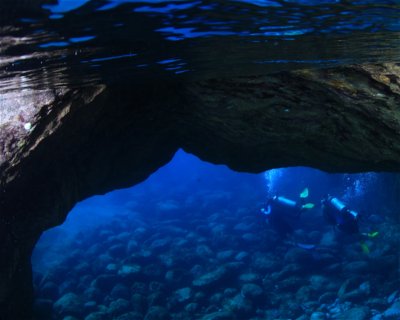
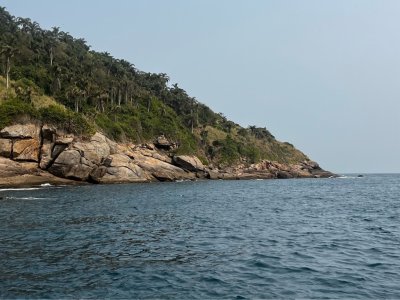
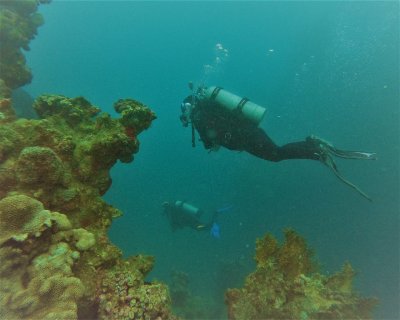
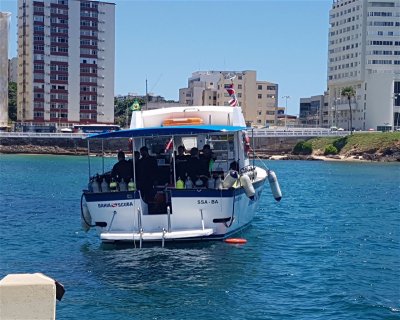
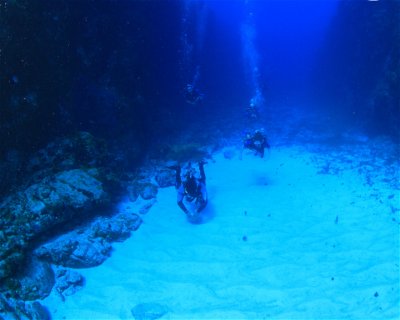
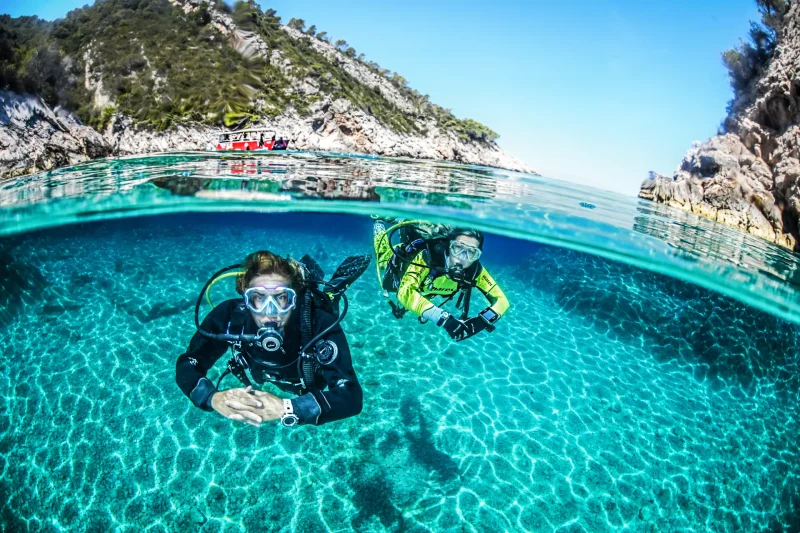
Brazil's dive experiences are diverse, with options for shore entries, boat dives, and liveaboards that operate year-round. Dive resorts and centers are plentiful, offering courses and excursions tailored to individual preferences. Despite some areas being pricier, the opportunity to witness Brazil's unspoilt underwater beauty makes it worthwhile. Notably, the subtropical climate ensures warm waters, making Brazil an inviting destination throughout the year. Each dive unveils a unique aspect of Brazil's rich marine biodiversity, ensuring unforgettable memories beneath the waves.
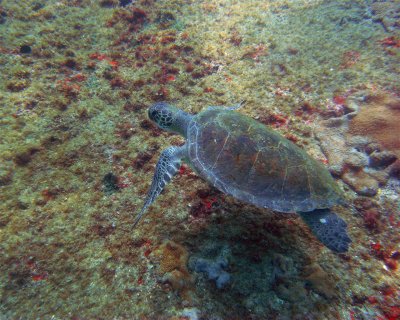
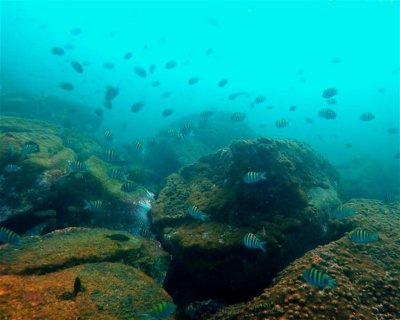
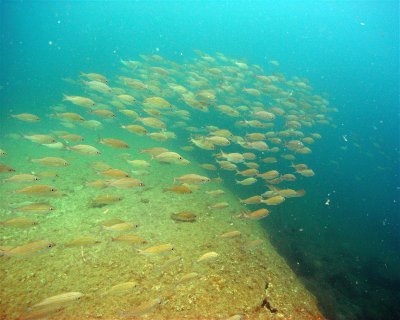
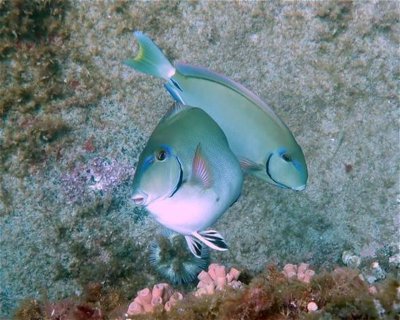
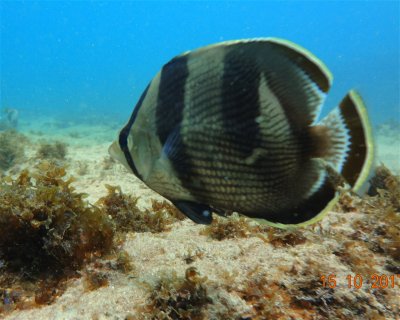
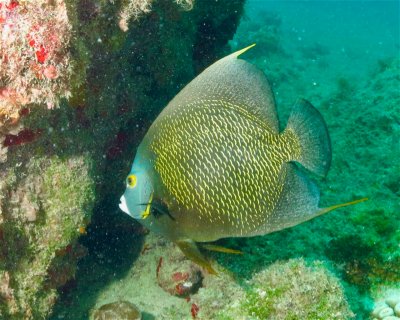
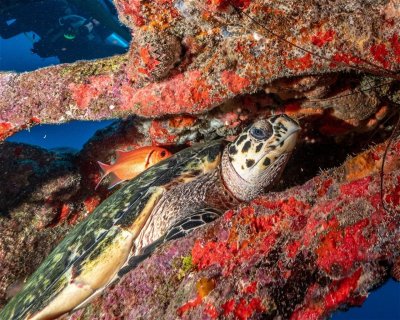
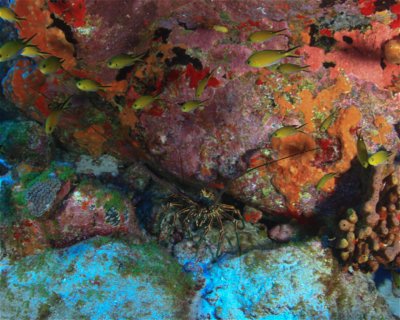
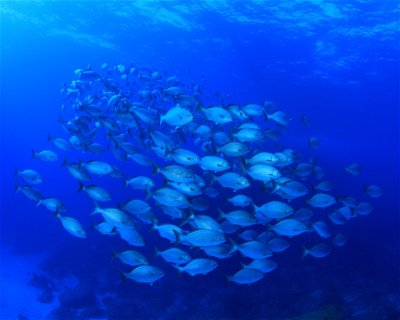
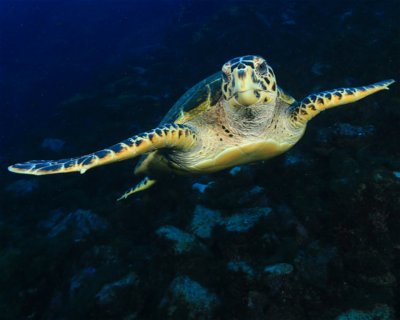
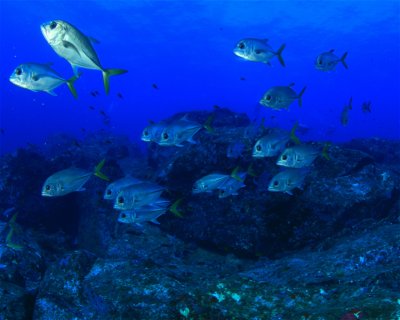
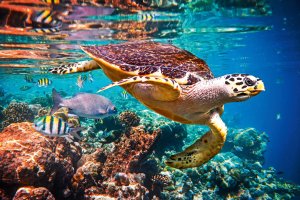
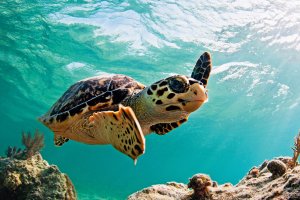
When it comes to marine life, Brazil has almost everything. From reef fish and diverse coral species, to turtles, mantas and whalesharks, it’s an epic place to take your next diving trip.
If the elusive whaleshark is a favourite of yours, head to coastal waters, from Ceará to Rio Grande do Sul States and at the small isolated offshore islands, such as Fernando de Noronha, Sao Pedro & São Paulo (not the city!) and Trindade.
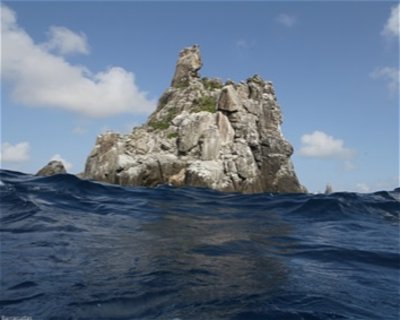
For other pelagics, especially sharks, perhaps pay a visit to São Pedro and São Paulo (again, not the city!) which is a small archipelago in the mid-Atlantic ridge of the equator. Here, many pelagics stop by during their migrations. The best time to see them is from January until June.
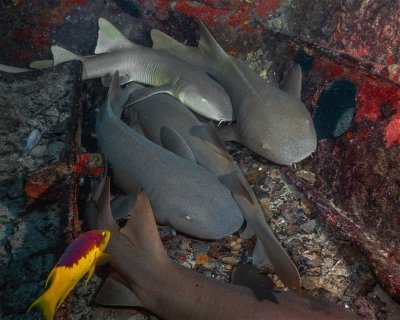
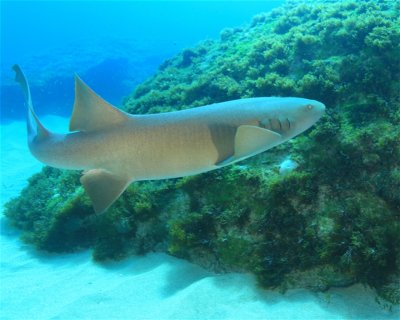
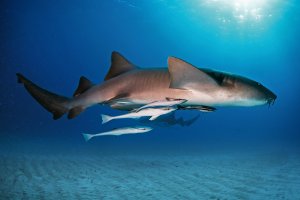
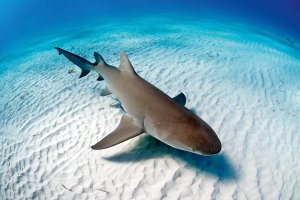
Furthermore, 144 miles away from the coast of Brazil in the Brazilian State of Rio Grande do Norte is a small island named Rocas Atoll and is a UNESCO World Heritage Site. Lemon sharks make appearances here, along with reef and nurse sharks, among a wealth of other marine critters.
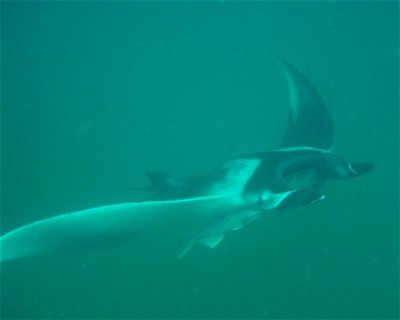
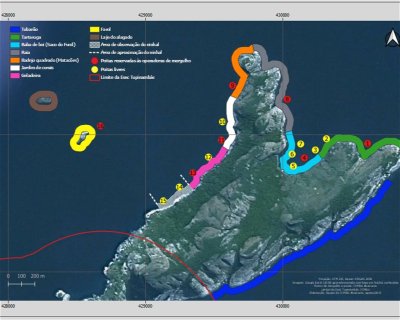
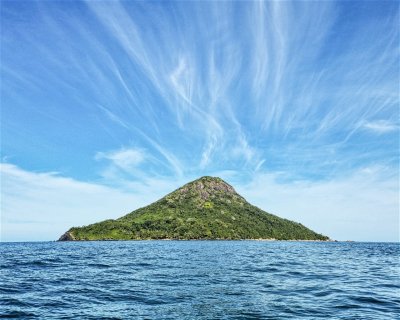
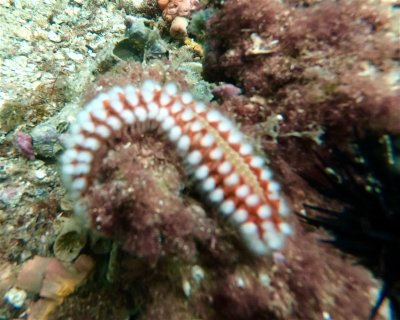
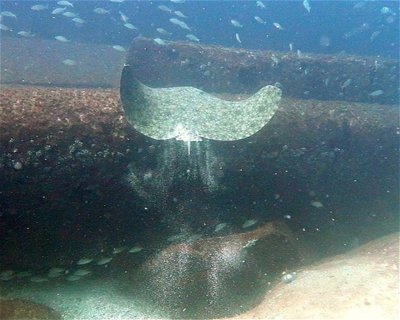
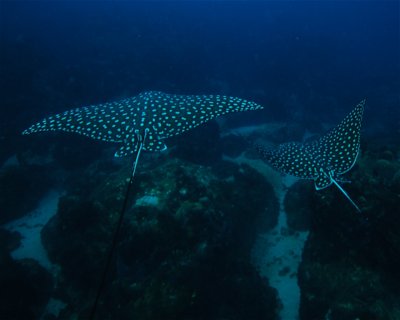
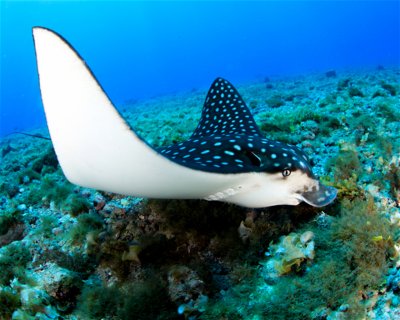
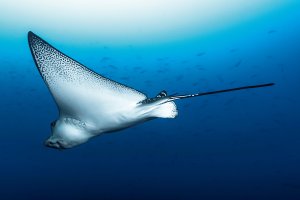
The beloved manta ray also graces Brazil with its presence, which is a welcomed treat for any diver. Laje de Santos is a famous site that is part of the marine park off the coast of Sao Paulo. Manta rays often fly by here and put on a show for many dives who come here specifically to see them. The site also hosts macro critters like nudibranchs, as well as larger animals such as dolphins, turtles and even whales.
Wildlife Sightings are Based on User Generated Content
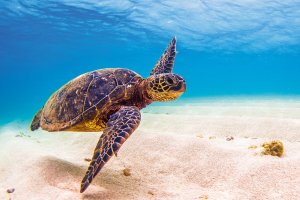
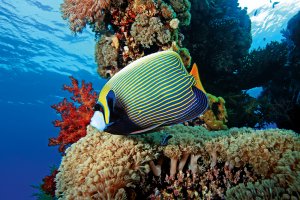
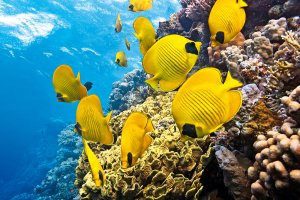
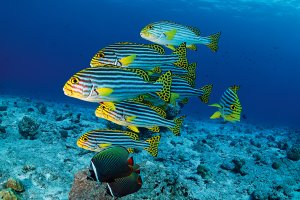
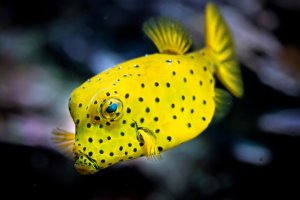
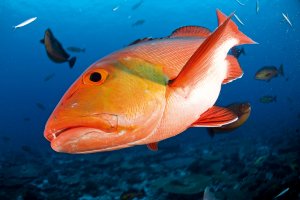
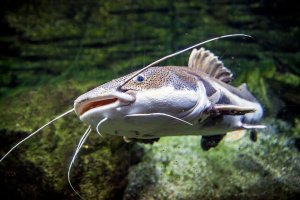
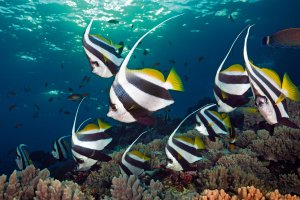
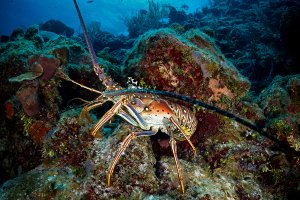
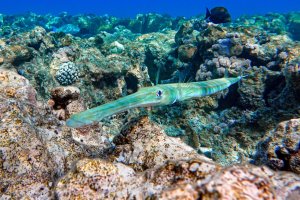
The image shown is a representative illustration and does not depict every individual animal in this category.
Total number of species: 200
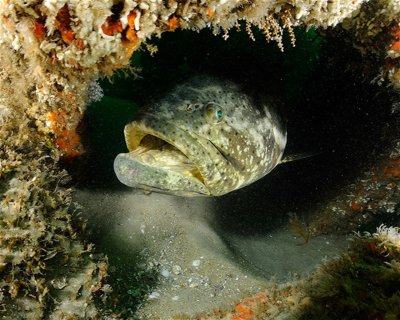
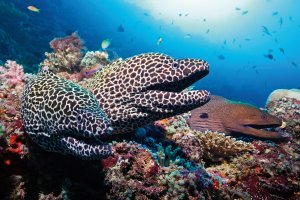
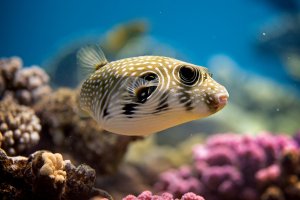
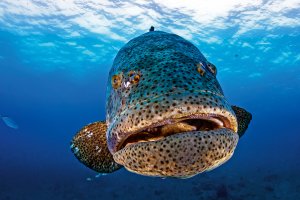
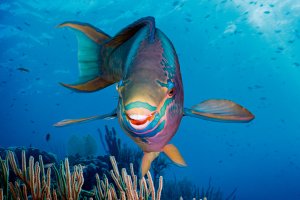
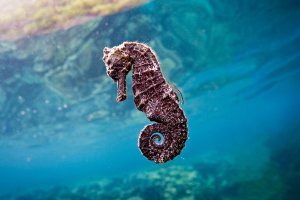
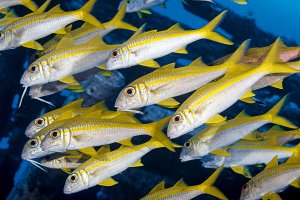
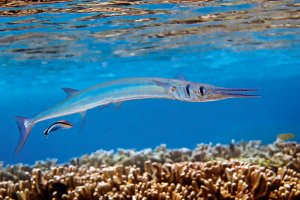
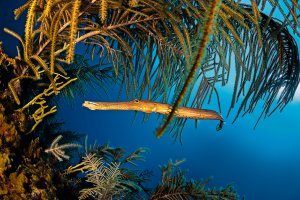
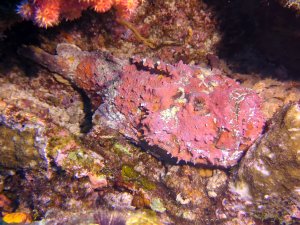
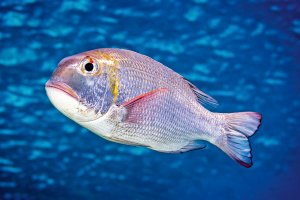
The image shown is a representative illustration and does not depict every individual animal in this category.
Total number of species: 27
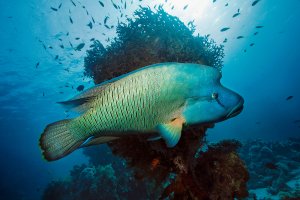
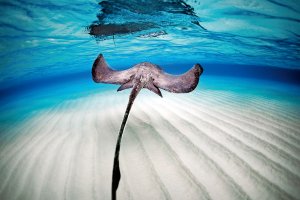
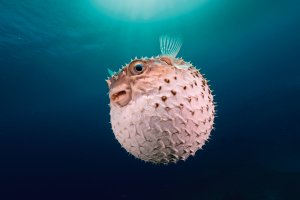
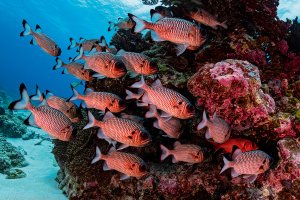
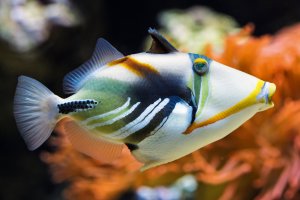
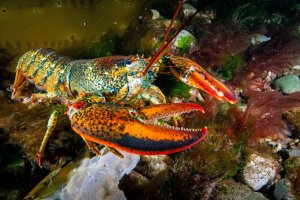
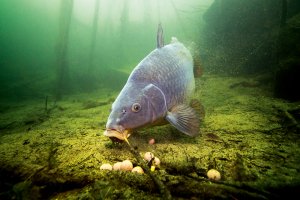
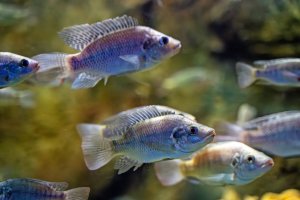
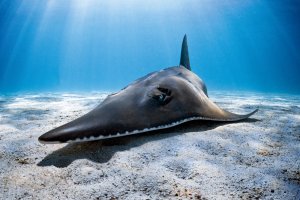
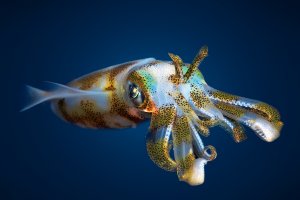
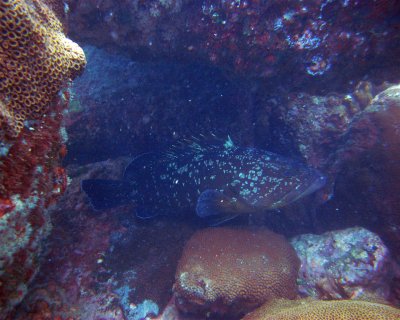
The image shown is a representative illustration and does not depict every individual animal in this category.
Total number of species: 600
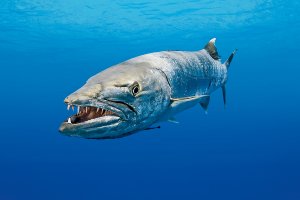
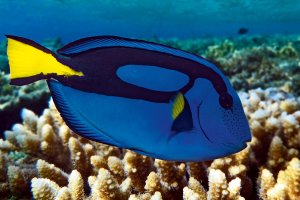
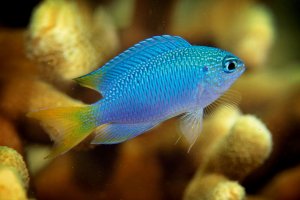
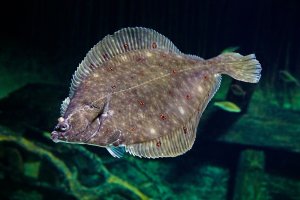
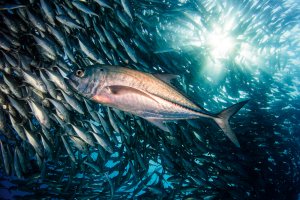
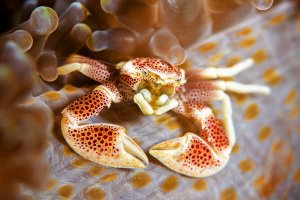
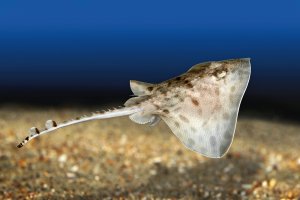
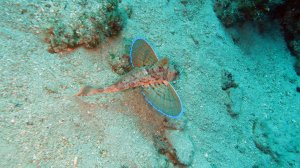
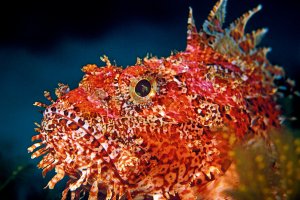
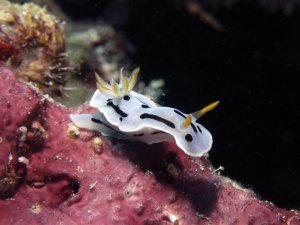
The image shown is a representative illustration and does not depict every individual animal in this category.
Total number of species: 300
The image shown is a representative illustration and does not depict every individual animal in this category.
Total number of species: 25
The image shown is a representative illustration and does not depict every individual animal in this category.
Total number of species: 80
The image shown is a representative illustration and does not depict every individual animal in this category.
Total number of species: 85
The image shown is a representative illustration and does not depict every individual animal in this category.
Total number of species: 90