Charismatic, curious, cute, and smart are all reasons the bottlenose dolphin is the most well-known of the dolphins. The upward curvature of their mouths gives them the appearance of always smiling and their extreme intelligence makes them the easiest cetacean to train. Combine this with their friendly looks and it’s no wonder why they are the stars of most aquarium shows and many Hollywood movies. Not only do people have access to viewing them at most aquariums around the world, they are also the most common dolphin found in the wild, living in temperate, sub-tropical, and tropical waters all around the globe in almost every type of habitat.
Since they have the widest distribution of all the dolphin species, they are the easiest type to encounter while diving. In fact, there are many dive operators in certain areas of the world, particularly the Caribbean, that specialize in dolphin dives. Scuba diving with these animals is on almost every diver’s bucket list, as they have captivated the hearts of humans for years. Encountering a bottlenose dolphin while diving is sure to be one of the most memorable underwater experiences you will ever have. Explore the map below to find the best dive sites around the world to dive with bottlenose dolphins.
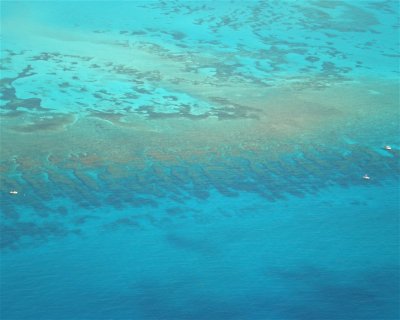
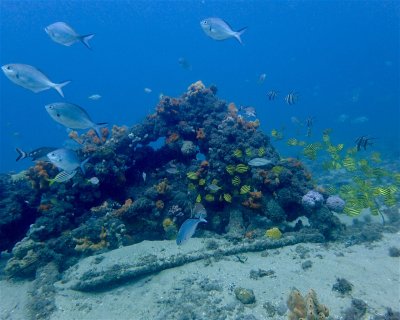
This spur and groove reef formation sitting 5 miles off of Big Pine Key, in the Florida Keys, is part of the Florida Keys National Marine Sanctuary. Due to its protected status reef life is very healthy and active here.
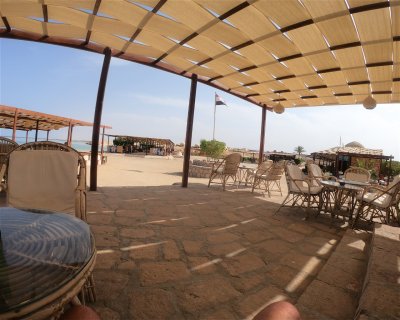
Marsa Shagara is a bay with an easy sand bottom entrance that leads to South or North reef dives. The depth starts at 1m and drops to 40m + outside the bay. It is one of the most pristine house reef dives in the south. This dive is great for entry level and experienced divers.
Goat Island is a marine reserve located near Cape Rodney in the Hauraki Gulf. The reserve offers a range of marine landscapes, from sandy flats to rocky reef systems.
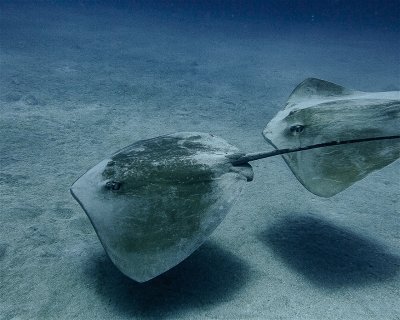
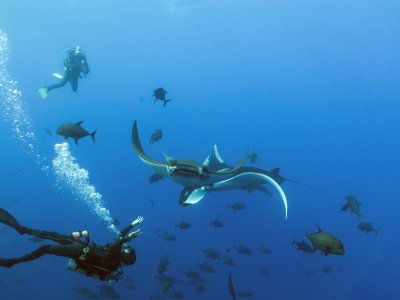
Located in the south of Nusa Penida Island and facing the Indian Ocean, Manta Point can often have big waves. This dive site has large rock mounds which are often visited by manta rays for self cleaning, giving this site it’s name.
Wreck of a former tugboat that worked in the port of Port Louis, sunk in the 1980s for scuba diving, at only 19 mts. Lost of life as on all artificial reefs.
Amphitheatre’s name says it all, divers can just observe the living color. Schools of marine life deliver the most brilliant show. Maximum depth is 27m with the top of amphitheatre at 18m.