Sea nettles are stinging jellyfish that inhabit open water areas of the world’s cooler oceans. These beautiful marine animals mesmerize divers with their rhythmic, undulating movements and vibrant colors. You can go diving with sea nettles in the Pacific Ocean from Alaska south to California, west to Japan, and even the Bering Sea. Other sea nettle species are common in the Atlantic Ocean along the United State’s east coast.
The sea nettle’s main body can measure up to 40 cm (16 in) in diameter, with tentacles stringing up to 3 meters (9 feet) long. These oceanic predators hunt small drifting animals by stunning and capturing them with their trailing tentacles, eventually moving them up to the sea nettle’s mouth where they are digested. Sea nettles seem to bloom during the summer months when water temperatures are warmer, so make sure to wear protective gear like a full wetsuit when diving with sea nettles. Check out the dive site map below to see where sea nettles occur.
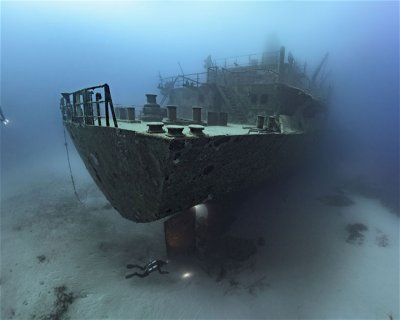
This site is great for any one from beginners to advanced divers. It starts from a shallow depth of just 2 meters and goes down to a depth of 12 meters. A lot of wholes and windows along the side of the wreck make for great spots to look in and enjoy the fish life that have occupied this incredible dive site.
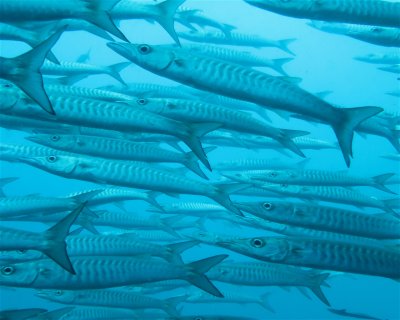
Dive Place that is characterized by its excellent visibility and variety of marine flora and fauna such as green moray eels, turtles, barracudas, among others. Maximum Depth: 26 meters.
The wreck is often dived with 2 dives because of the depth (38 m). View at the bow and funnel impressive. Memorial plaque of the deceased dock workers in the middle of the wreck
Nursery is one of Netrani Island’s most frequented dive sites. This location is perfect for any experience and certification level from Try Divers to professionals.
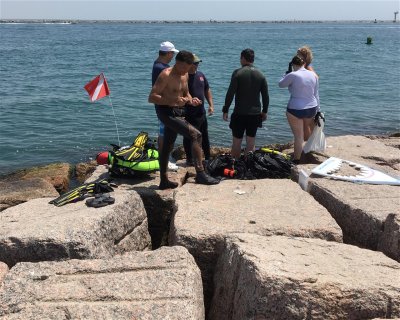
San Carlos offers an easy entry beach dive along with all the amenities including two dive shops within walking distance, plenty of parking, bathrooms, and showers.
Stetson Bank, located at the westernmost end of the sanctuary, is an oblong, mid-shelf bank made of uplifted siltstone and claystone. It was added to the sanctuary when Congress reauthorized the National Marine Sanctuaries Act in 1996.