Provincia Guanacaste
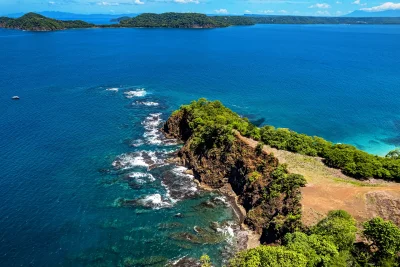
Explore Guanacaste Guanacaste is located in the northwest of Costa Rica, bordering the Pacific Ocean






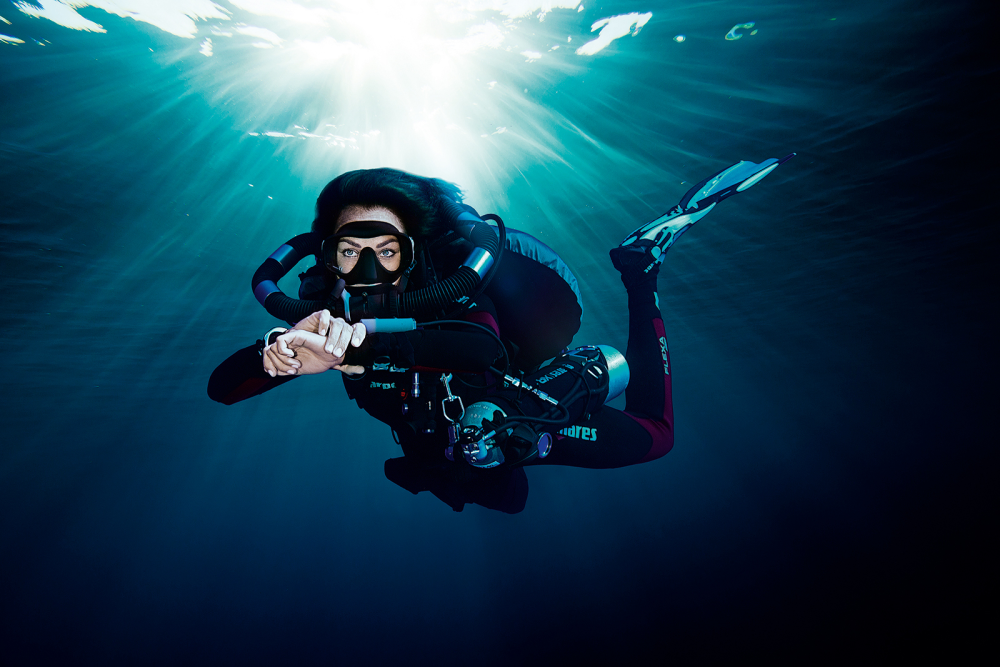
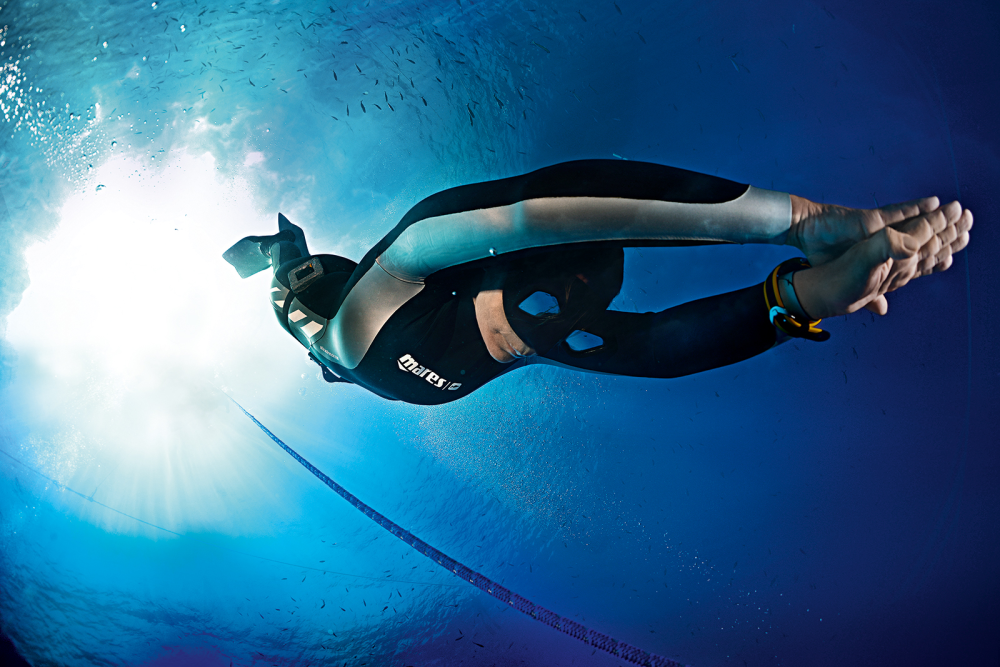
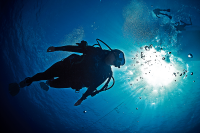
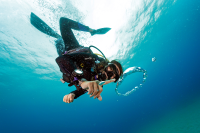
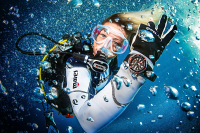
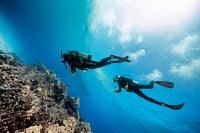
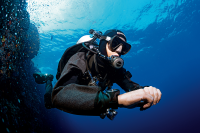
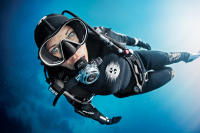
Scuba diving in Costa Rica is the best way to experience the country’s ‘Rich Coast.’ Costa Rican waters, especially on the Pacific side, teem with life, fed by the nutritious west coast currents and plankton blooms. Large animals like whales migrate through Costa Rica’s Pacific waters, along with manta rays, dolphins, turtles, and lots of sharks. There’s more to diving in Costa Rica than the world-famous Cocos Island, whose schools of hammerheads are world-renowned. Guanacaste and Puntarenas regions also have plenty to offer, as do the clear waters of the Caribbean coast.
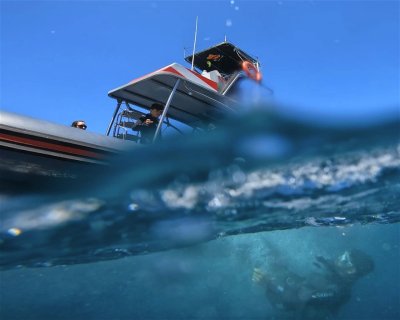
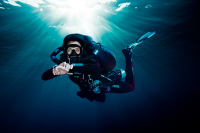
There are lots of dive shops to choose from in Guanacaste and Puntarenas, where visitors can fun dive, learn to dive, learn to instruct, or acquire specialty certifications. To get to Cocos Island, divers must choose one of the experienced liveaboard fleets, which specialize in keeping passengers comfortable during the 36-hour crossing. For nature-lovers who want to add land tours to their dive holiday, Costa Rica is the perfect choice of Central American countries. Twenty-five percent of Costa Rican land is protected, so you can visit rainforests, cloud forests and rivers, and enjoy hot springs, rafting, ziplining and canopy tours. Costa Rica is also a surfing destination.
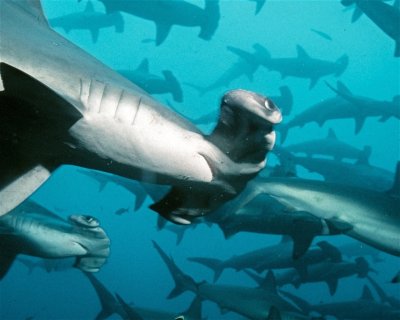
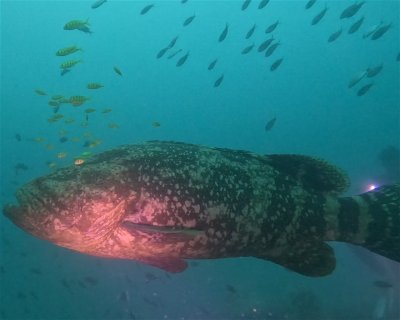
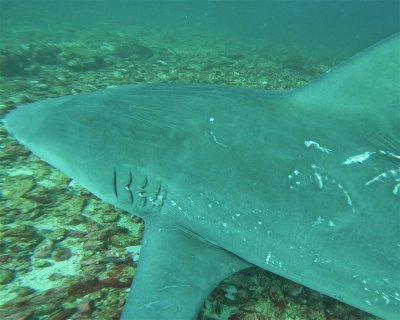
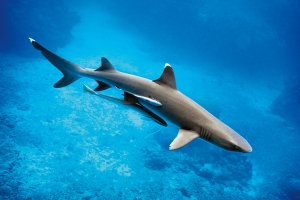
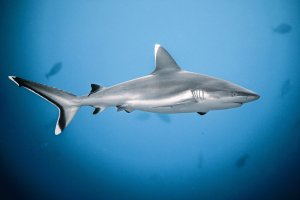
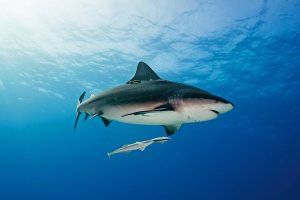
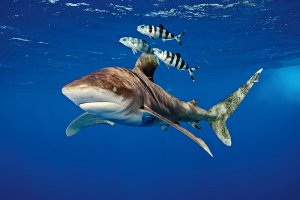
Costa Rica specializes in big marine wildlife. It is one of the premier dive locations to see schooling scalloped hammerhead sharks, found off Cocos Island. Also at Cocos, divers will likely encounter whale sharks, marlin, sailfish, Galapagos sharks, and silky sharks. Whale sharks can also be seen at Cano, the Catalinas, and other Costa Rica dive sites with luck. In the Bat Islands, the mighty bull shark is the local dive specialty; they are massive and undisturbed by humans in this area, with no chum, bait, or other feeding tactics.
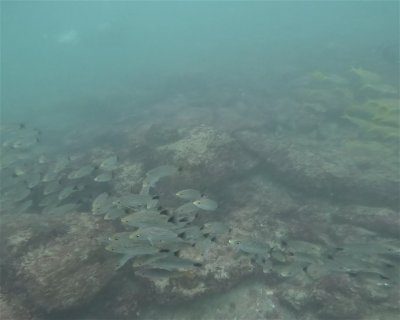
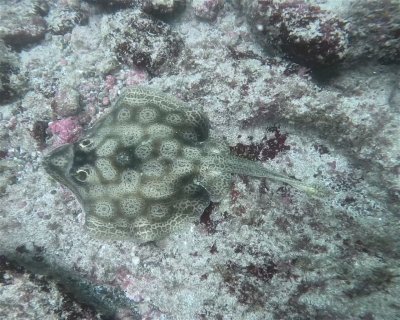
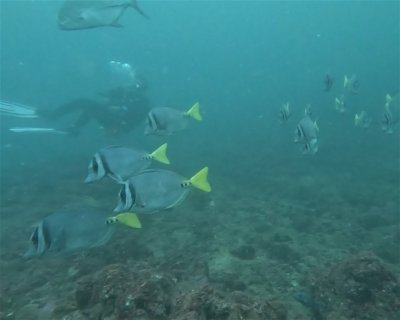
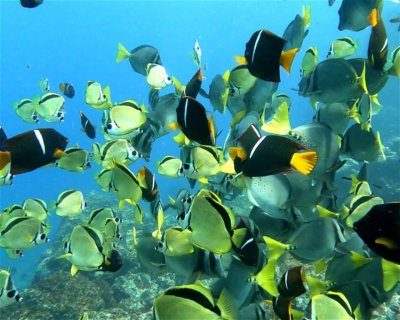
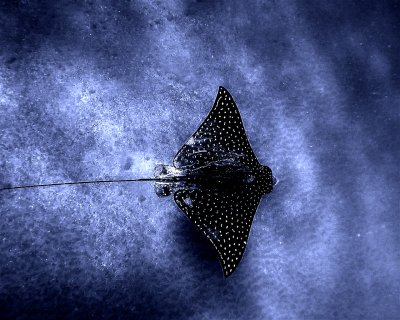
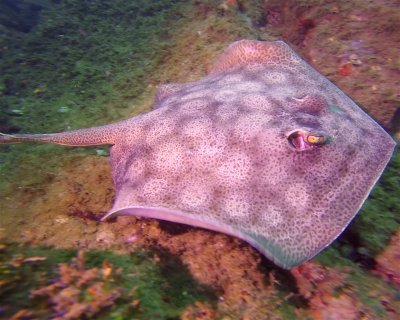
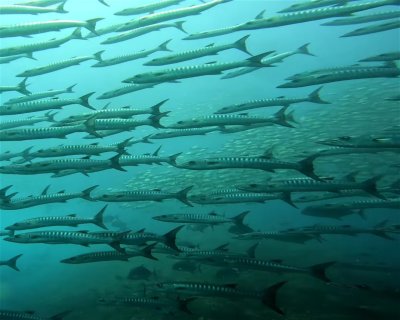
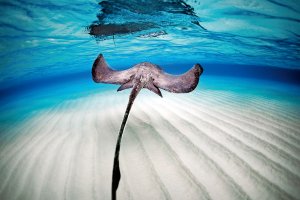
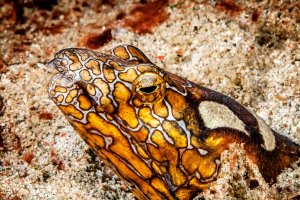
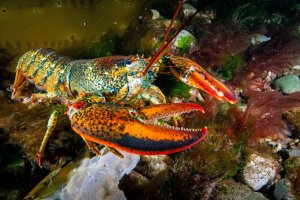
Other reef species in Costa Rica include barracuda, schools of snapper, spadefish, grunts, jacks, eagle rays, mobula rays, moray eels, and huge lobsters. One of the most special things about the Costa Rican marine environment is the amount of dolphins and whales who call it their home. Costa Rica enjoys the longest humpback whale season in the entire world, from December to April and July to November. Also enjoying Costa Rica’s productive waters are false killer whale and pilot whales, as well as resident populations of spinner, spotted, and bottlenose dolphins. Divers in Costa Rica will likely see some of these intelligent, awe-inspiring creatures on the way to their dive sites, but it’s also worth considering a dedicated whale- or dolphin-watching tour.
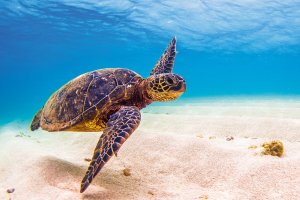
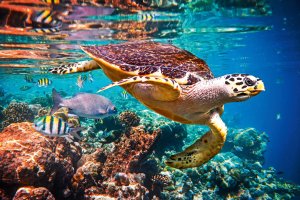
Costa Rica is also home to four sea turtle species, some of them critically endangered: the four species are the leatherback, hawksbill, green, and olive ridley. The turtles use the ocean to eat and breed and the beaches to lay their eggs. Costa Rica holds dozens of critical nesting areas, many of which are monitored and protected by noble volunteer efforts.
Wildlife Sightings are Based on User Generated Content
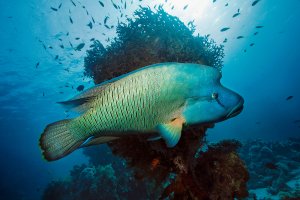
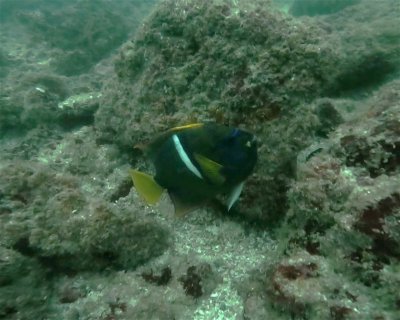
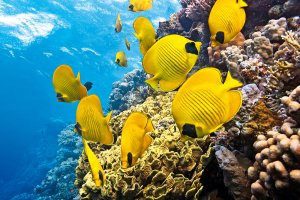
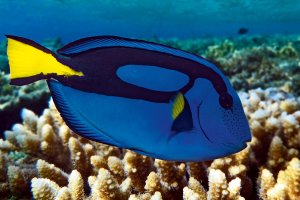
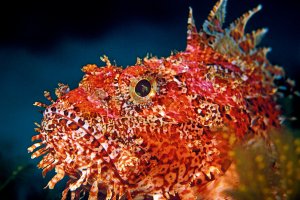
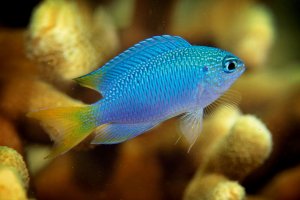
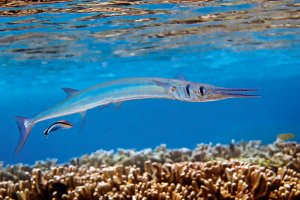
The image shown is a representative illustration and does not depict every individual animal in this category.
Total number of species approx.: 200
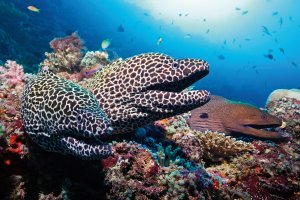
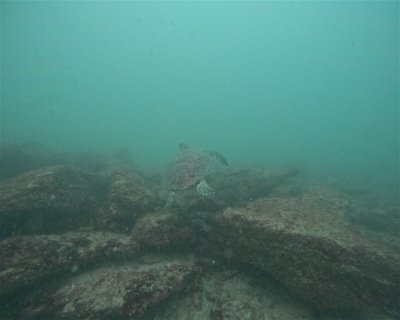
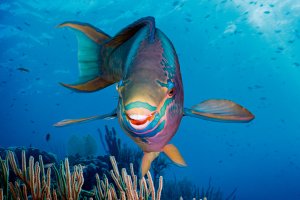
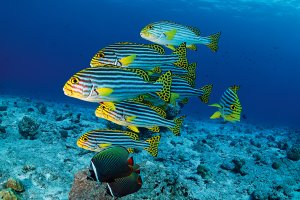
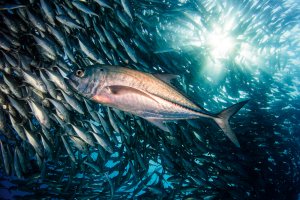
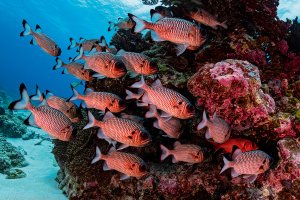
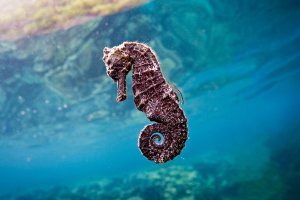
The image shown is a representative illustration and does not depict every individual animal in this category.
Total number of species approx.: 25
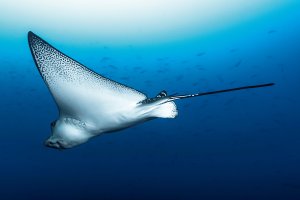
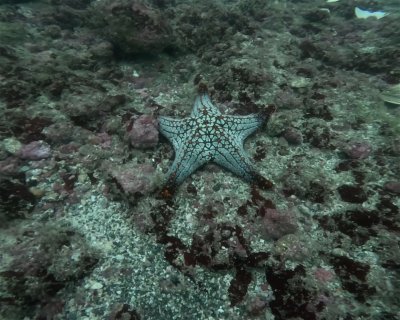
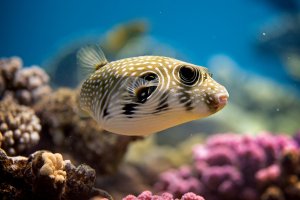
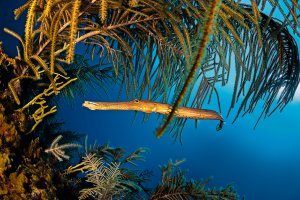
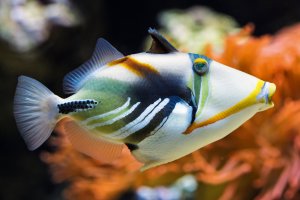
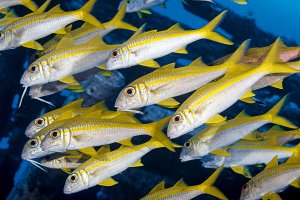
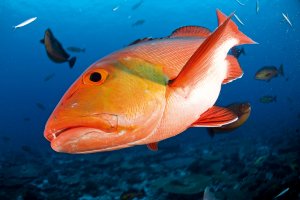
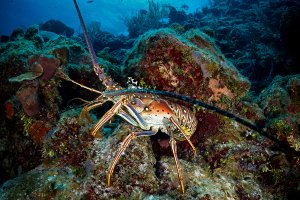
The image shown is a representative illustration and does not depict every individual animal in this category.
Total number of species approx.: 300
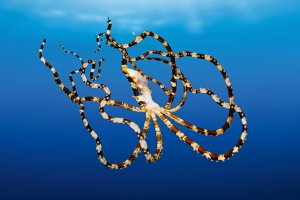
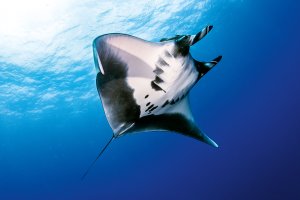
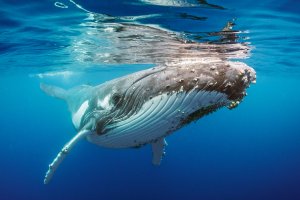
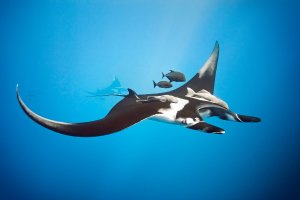
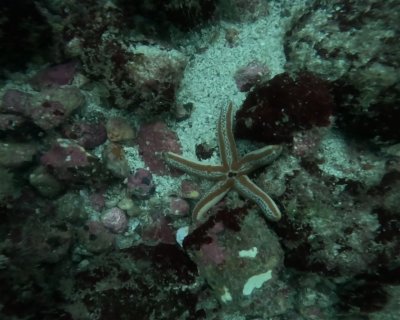
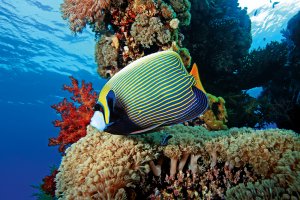
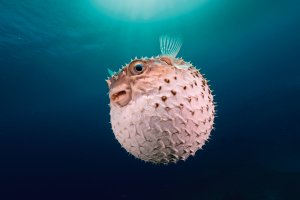
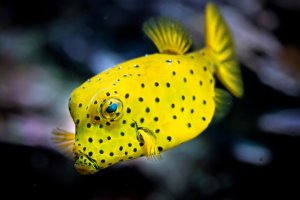
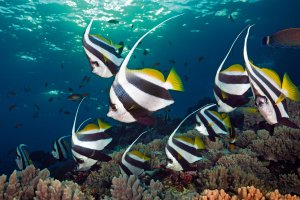
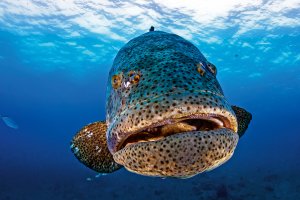
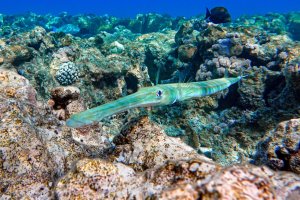
The image shown is a representative illustration and does not depict every individual animal in this category.
Total number of species approx.: 600