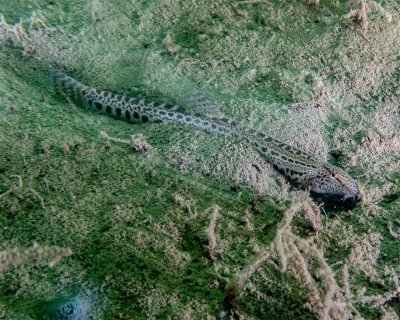
Eels have an elongated, snake-like body, making them easily recognizable when compared to other bony fish. Their long dorsal fin is merged with its caudal and anal fins, making one continuous fin along the length of its upper body. While they spend most of their adult lives in freshwater, most species migrate to the ocean to spawn.
They can be found in tropical and temperate waters all around the globe. They are bottom dwellers so when diving with eels, look for them to be hiding in burrows, masses of plants, and between rocky substrate. You can see them in almost every type of freshwater site including rivers, lakes, streams, and even muddy quarries. If you want to dive with them, explore the map below for dive sites around the world where they can be seen.
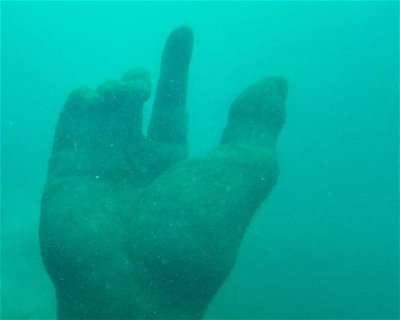
A popular dive site for all levels of divers, you can see the underwater sculpture placed here with six standing human figures looking up, surrounded at an 18-foot radius by benches at each cardinal point. Two sturgeons point north at 35 feet out, a tribute to a species that was once plentiful in the river.
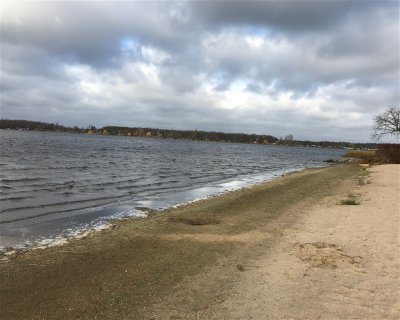
The entrance is on the camping site "Am Waldsee". The entrance is at a small sandy beach. From 7 m depth you will find gravel walls.
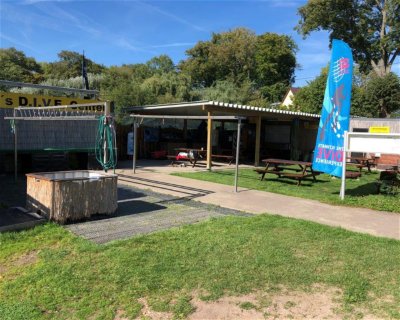
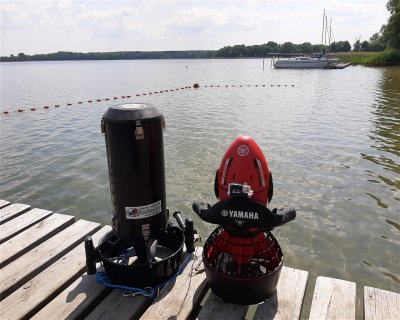
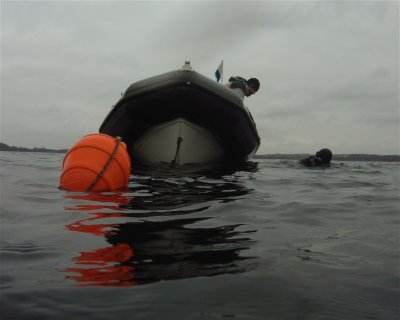
A few steps away from the diving center is a diving course. Here you can safely and comfortably board the boat at a slipway and a little later dive off the jetties. Underwater, a varied area with the most diverse destinations awaits you.
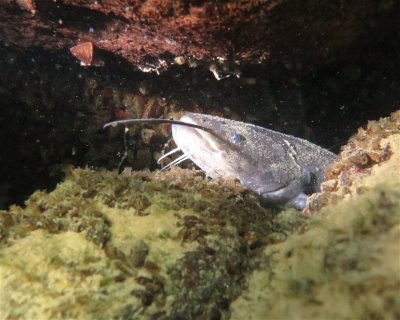
The entrance is via the embankment. At the bridge piers are often many fish hidden. In summer often a large catfish. Toilets are available
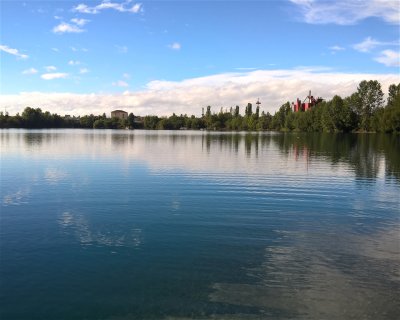
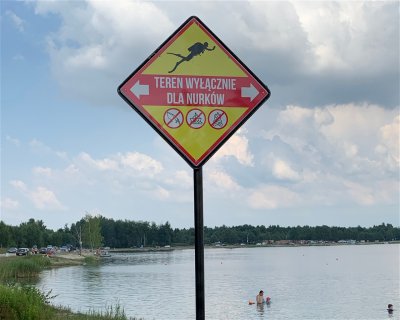
Quarry located in the center of Trzebinia. In summer, a public bathing area operates in the lagoon. Before diving, you must obtain permission from the mayor of Trzebinia.
The well of the Ekeren or Muisbroek domain is an excellent place to conduct training dives. The visibility is usually quite good and there is no current to consider.