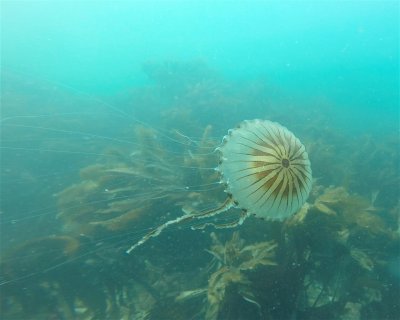
The sea wasp describes 50 different beautiful, venomous jellyfish species found in the Caribbean Sea and Indo-Pacific ocean, particularly near Australia. Also commonly known as the box jellyfish, these cnidarians pack a powerful punch. One Australian species of box jelly is venomous enough to cause death within three minutes of being stung and is the most venomous marine animal known to man. If you suspect being stung by a sea wasp/box jellyfish, seek medical attention immediately.
Sea wasps are identifiable by their bell-shaped main body containing four distinct sides (hence the name box jelly) and tentacles reaching up to 3 meters long. Take caution when diving with sea wasps, as their transparent, pale blue color makes them nearly invisible even in the clearest of conditions. Box jellyfish occur in northern Australia with the beginning of the wet season around October and lasts through April. Further south, you will find them from November to March. If diving these areas during box jellyfish season, wear protective clothing when diving. Explore the dive site map below to see where sea wasps occur.
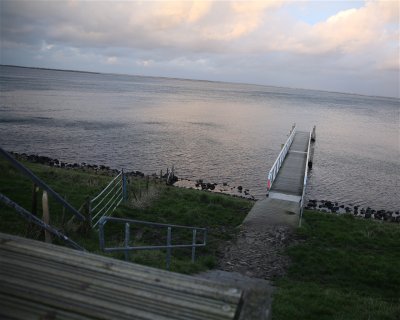
Dive site Kerkweg in Den Osse is one of the most famous dive sites in Zeeland. Here you can dive from the jetty on oyster beds, an artificial reef of reefballs and many other hard substrate that is nicely overgrown. The maximum depth is about 30 metres, but you will find most life in the shallow water.
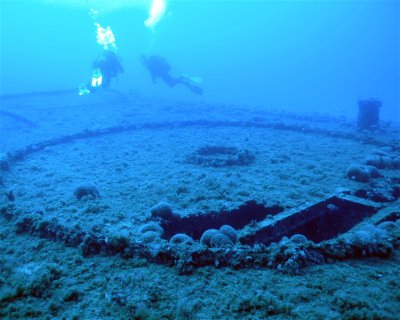
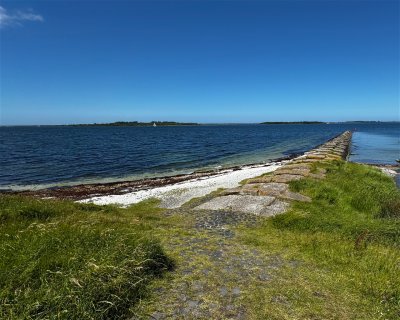
Just before Dreischor Gemaal is another dive site. This is enhanced by the artificial reef that was built here a few years ago. Just like at Scharendijke and Den Osse, a ribbon of reef balls have been laid here. Parking is easy and via a staircase, over the dike, you come to a riser where you can go to the water.
The Gazzle lies within the Newquay Bay & Gannel Marine Conservation Zone. It is shallow shore dive, max depth - 10m on a high tide. Gradually deepening sandy slope with kelpy reef and an abundance of marine life. Gazzle (North) - Kelp/rocky reef, caverns. Gazzle (South) - Kelp/rocky reef, caverns, old slipway.
“Ao Suthep“ is the largest bay of Surin Tai Island. There is a coral reef up to 1,200 meters long, approximately 200-500 meters from the shore.Suthep Bay is known as the birthplace of coral reefs. Large, shallow waters are the most fertile.
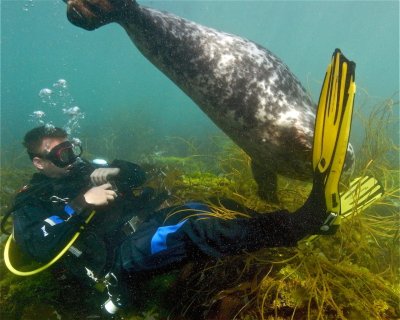
The Farne Islands are famous for a colony of 4.5 thousand grey seals and teeming with life on the many varied dive sites. Most of the sites are around the outer Farnes with wrecks and reefs to explore.
Wreck dive locally called the Hagabat Wreck or Bohol Divers Wreck. Usually starts with a descent down a line close to a wall and then down the slope to the wreck. The top of the wreck is at 28M and the bow of the wreck is at 37M.