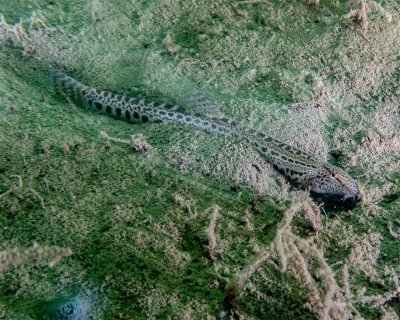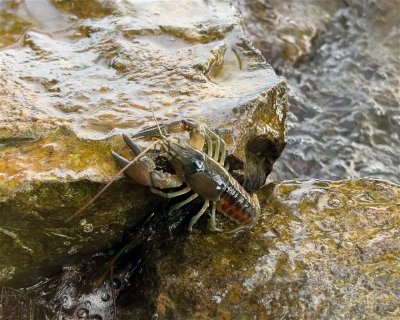
The loach goby is a medium-sized fish living in the tropical, fast-flowing streams in the mountainous regions of Asia. They are typically found throughout China and south Japan and on the islands of the Philippines, Indonesia, New Guinea, and the Solomons. The loach goby can be found clinging to rocks in these swift streams. They like to hide in rocks, especially when feeling threatened.
Divers can see the loach goby darting swiftly throughout the water while grazing on algae growing on the rocks. This bottom-dwelling fish is identifiable by its flattened head and snout, ventrally placed mouth, sizeable caudal fin, and thick, wide pectoral fins. Explore the map below to find dive sites where loach gobies live.
The largely still intact Conestoga is a 252-ft wreck in Cardinal, Ontario and is an excellent dive for all level, and exceptional night dive site. Easy shore entry leads you to a 25 m-line to the wreck. It is a shallow dive (28 ft approx.) and drift-friendly. Great site to practice a camera.
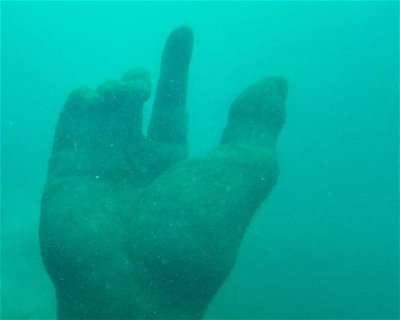
A popular dive site for all levels of divers, you can see the underwater sculpture placed here with six standing human figures looking up, surrounded at an 18-foot radius by benches at each cardinal point. Two sturgeons point north at 35 feet out, a tribute to a species that was once plentiful in the river.
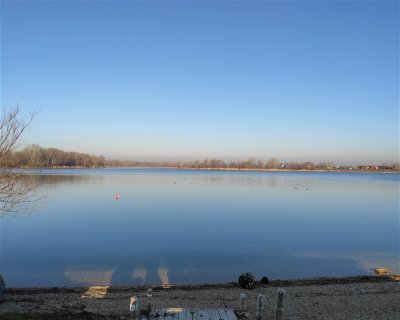
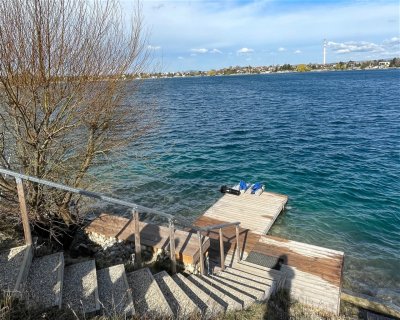
Lake Süli - Šulianske jazero, Slovakia5 Sea DC Training Site - On the gravel road you can get into the dive site by passing the buffet. Due to a closed gate, an appointment must be made in advance.
A 20-minute drive from the city center of Arnhem you will find this lovely freshwater lake. It has a maximum depth of 36 meters and a slow slope at the entry of the site. It is a great dive site for beginning divers and more advanced divers.
A lake to fall in love with! There is a large parking lot, WC, and snack bar. The vegetation and many different fish are a pleasure! Suitable for beginners to advanced divers and night diving with the appropriate certification every Friday.
Entry is a giant stride by the bridge. Coordinate entry to avoid separation. Initial canal depth is 20–25 ft. Prepare to navigate a shallow section (~10 ft) where the Canal connects to the river; it has strong current and boat traffic - stay close to the bottom. Use caution and SMB if appropriate.