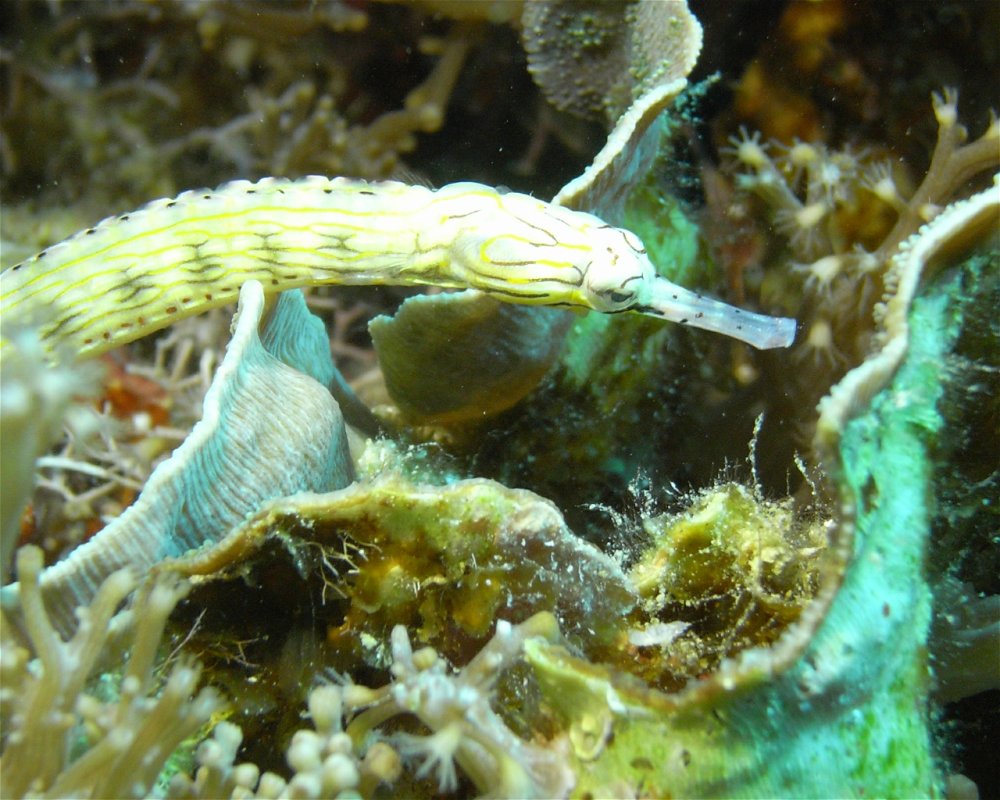
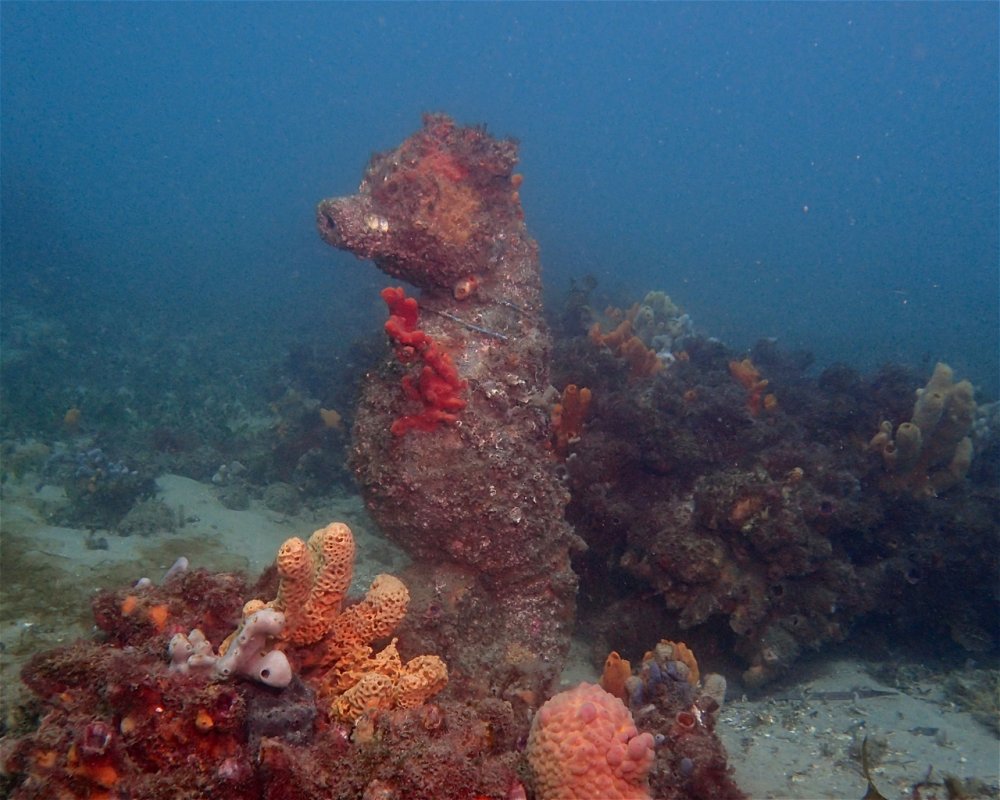
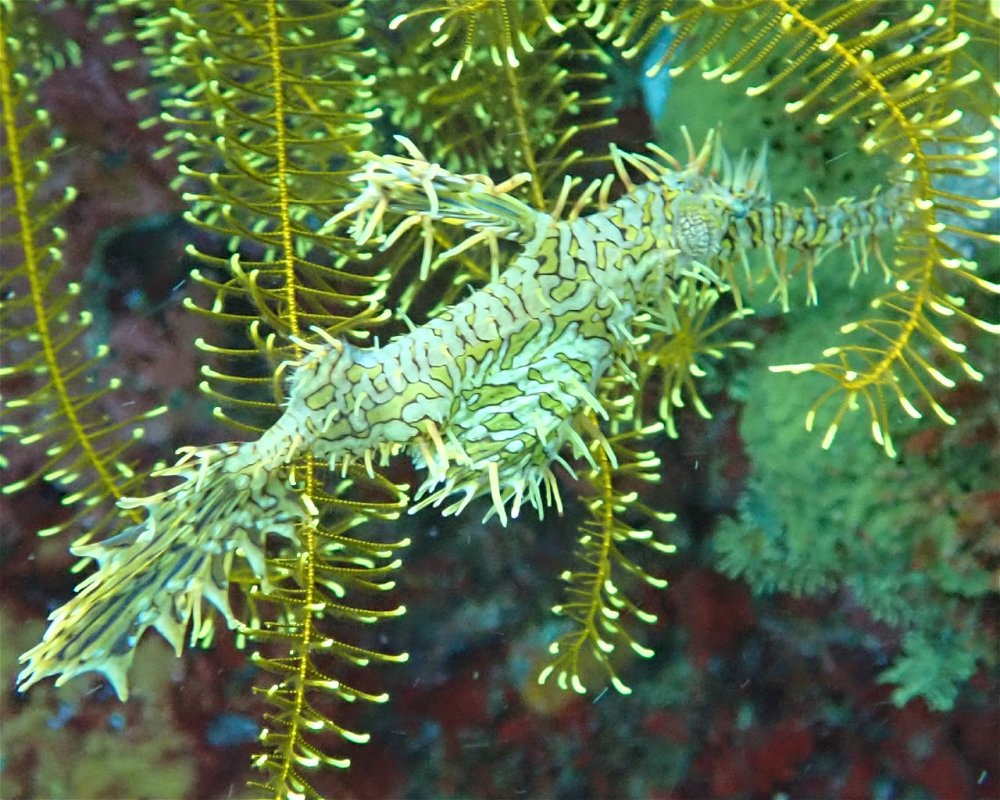
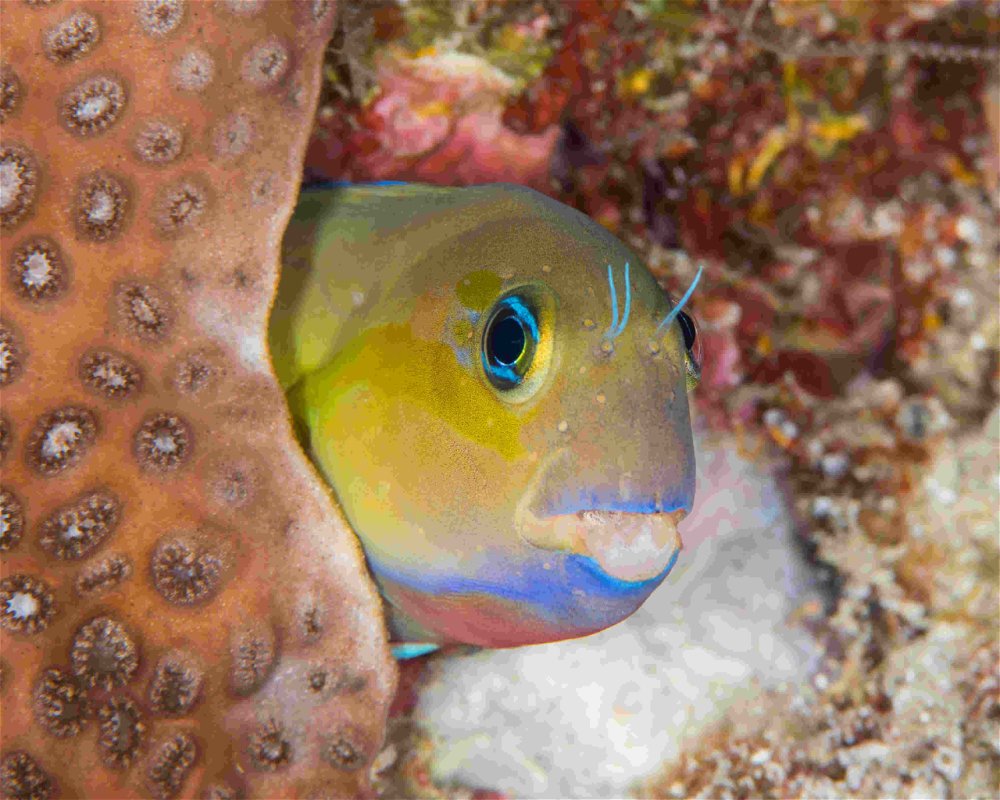
Pipefish are considered cousins of the seahorse, being classified in the same family as both seahorses and dragonfish, Syngnathidae. These small fish have many similarities and differences when comparing the two. Like seahorses, they have a long snout and some species also have prehensile tails that allow them to grab onto seagrass and coral. Unlike seahorses, pipefish have straight bodies and can be much stronger swimmers.
They are widely distributed throughout the tropics and temperate zones of the world, being found most abundantly along coastlines in areas that are well sheltered like coral reefs and seagrass beds. If you would like to see these long, skinny, smooth-swimming fish while diving make sure you look for them closely along the ocean floor as they do not grow very big and can be hard to spot. Check out the map below for the best dive sites around the world where they have been sighted and go diving with pipefish today!
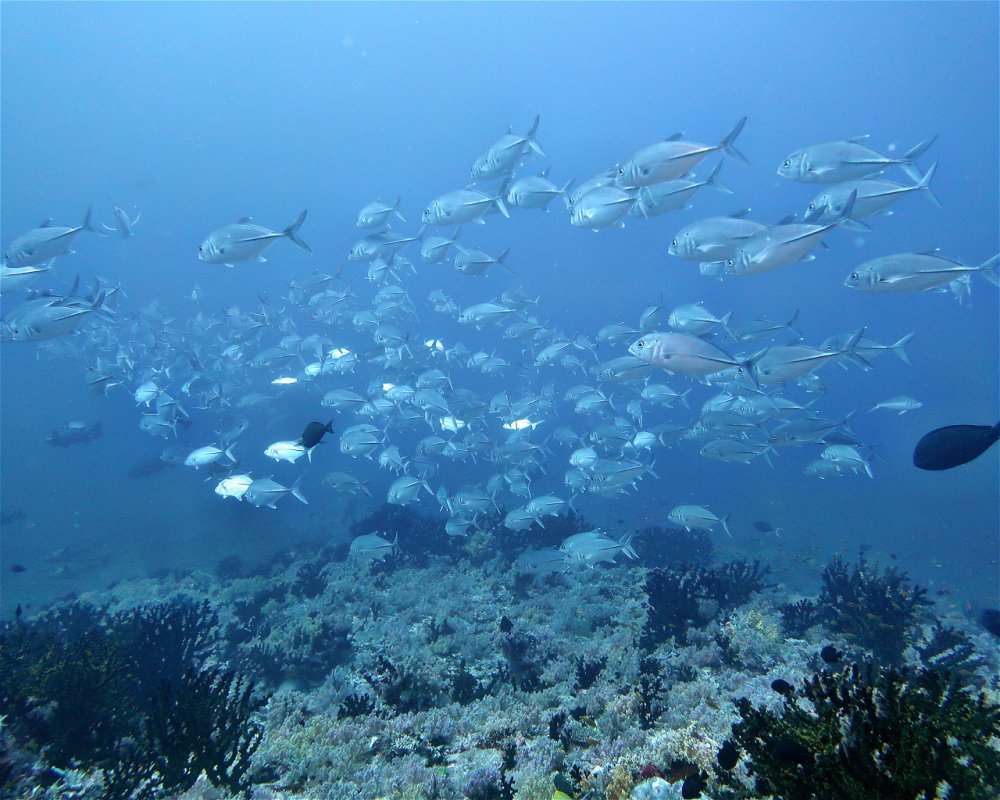
One of the most colorful dive sites in North Male Atoll. On the south side of Girifushi island with abundant fish life and very nice soft corals, there are numerous blue soft corals and a swim through. The current can be strong!
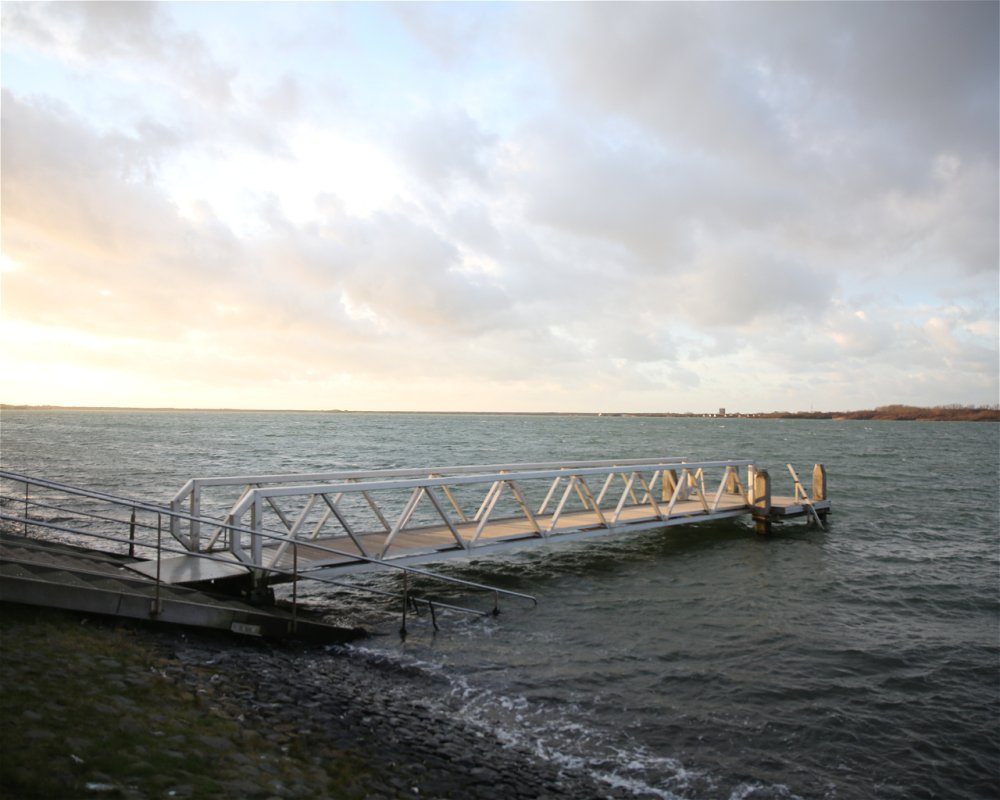
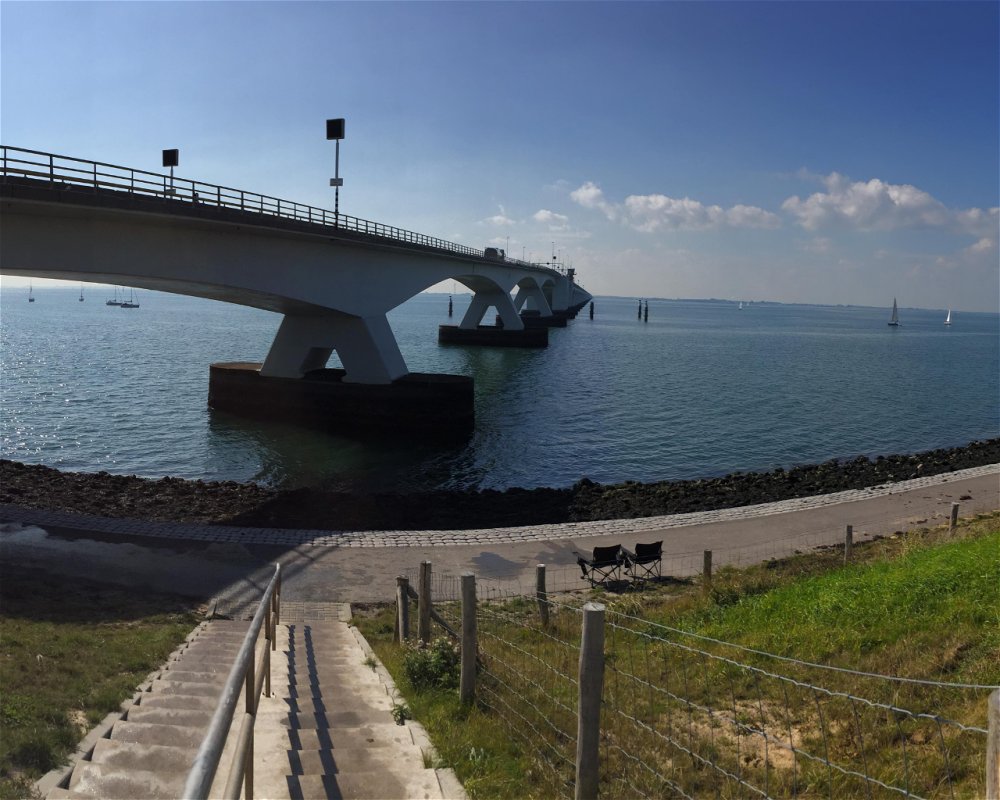
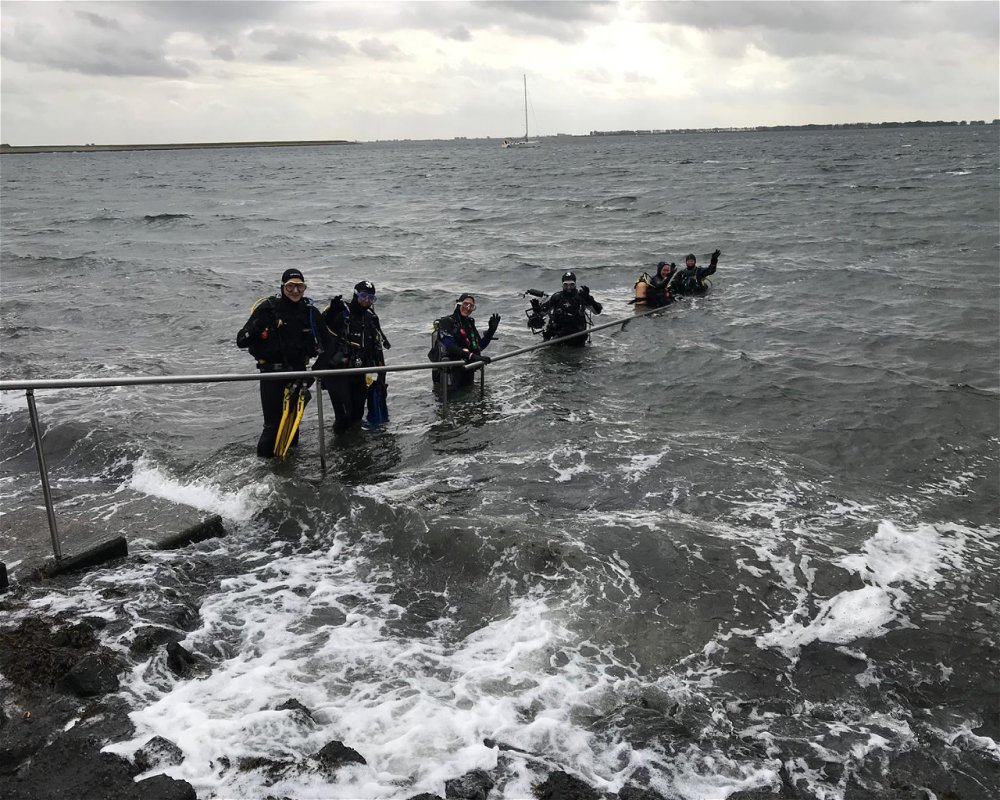
Dive site Kerkweg in Den Osse is one of the most famous dive sites in Zeeland. Here you can dive from the jetty on oyster beds, an artificial reef of reefballs and many other hard substrate that is nicely overgrown. The maximum depth is about 30 metres, but you will find most life in the shallow water.
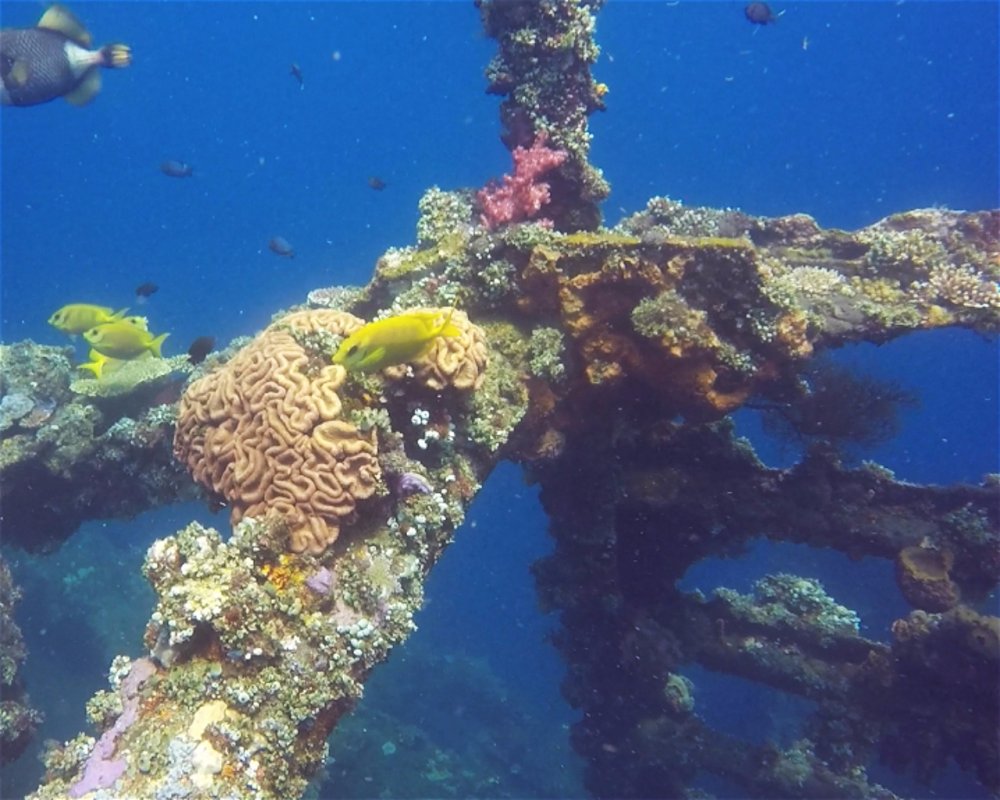
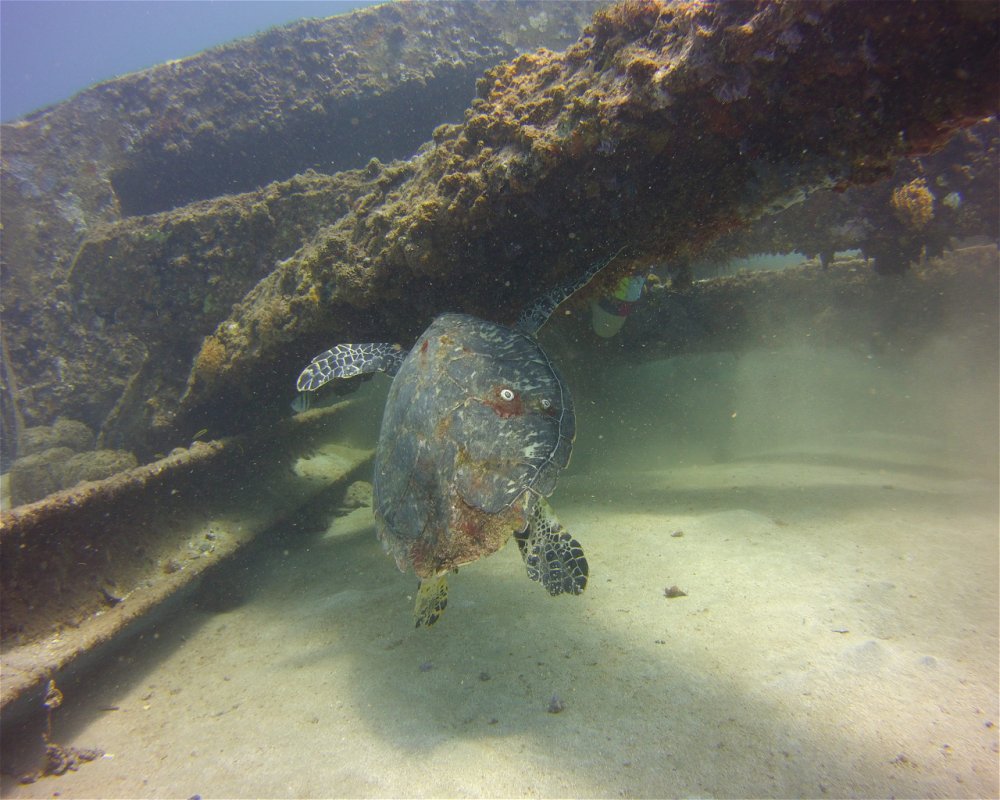
This is the only historical shipwreck in Bali, ranked #3 in the world for Wreck diving! The wreck is 25 meters form shore at a depth of 4 to 29 meters below the surface with most of it occuring in a shallow area. This dive site does not have strong currents, has clear water, and warm temperatures. Difficult entry!
The Dutch cave is a small hollow located in the southern wall of the lower part of Cabo de Cope in Calabardina. One of three dives on the Isla del Fraile with no or very slight current, you will follow along the wall with a progressive drop from 5 to 25m.
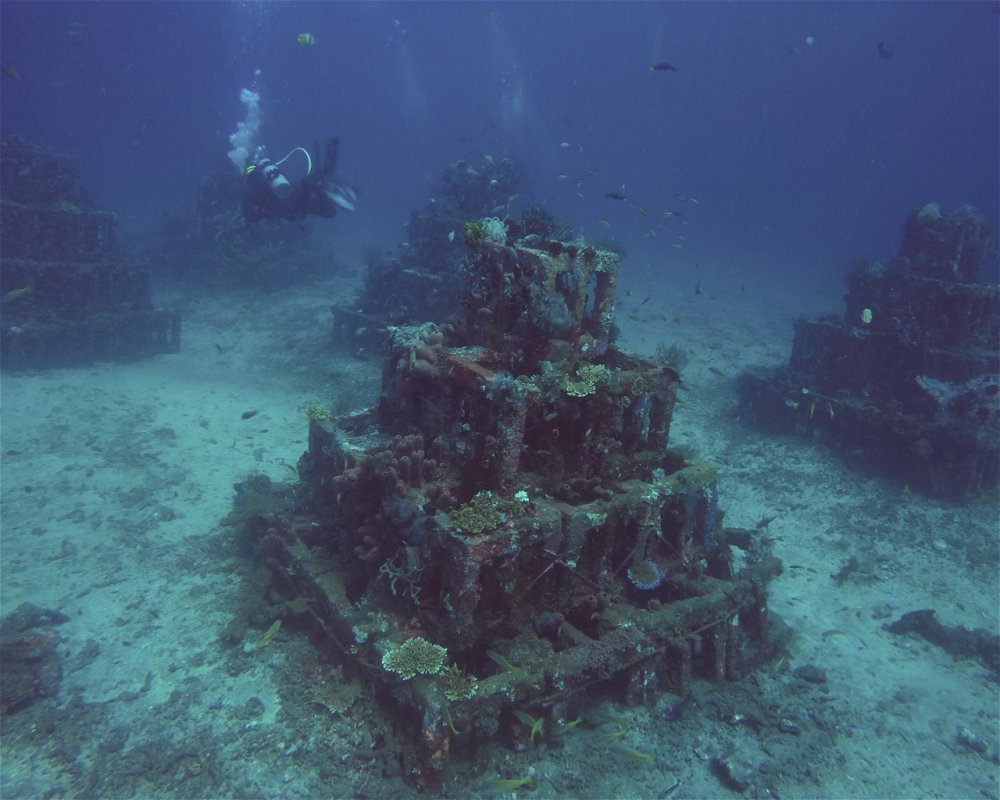
Artificial coral reef placed on the sandy bottom with depths varying from 10 meters to 25 meters. The basis of the coral growth is made of rectangular concrete arranged like a small pyramid. It is one of the best places to witness a successful artificial reef.
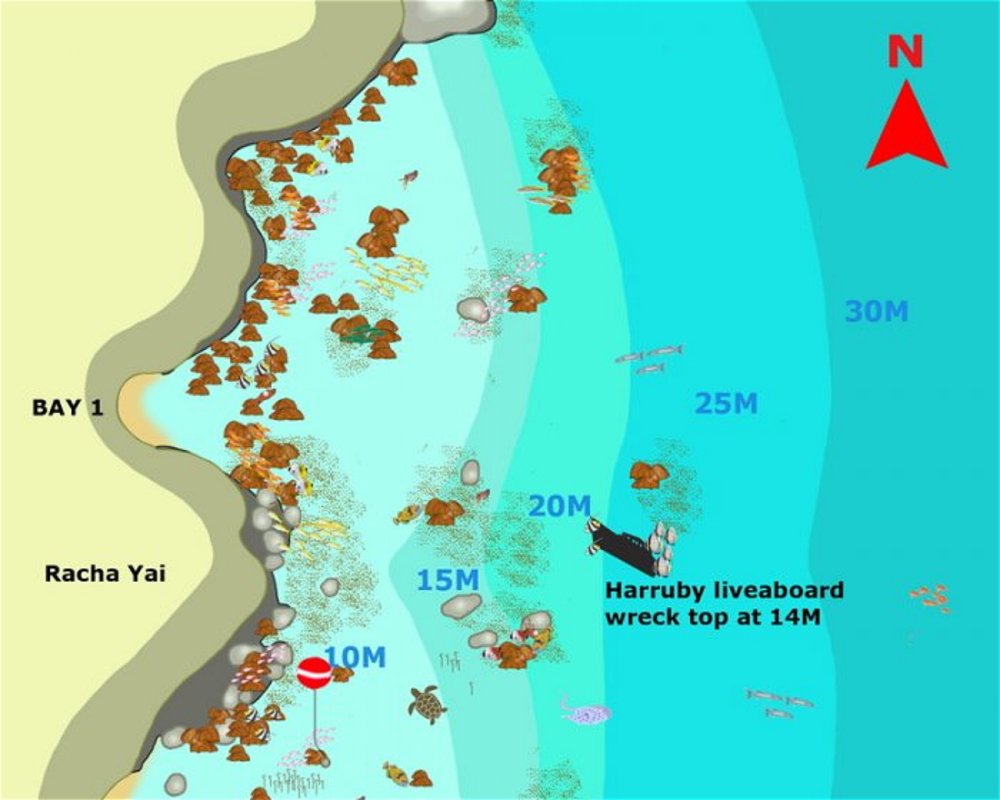
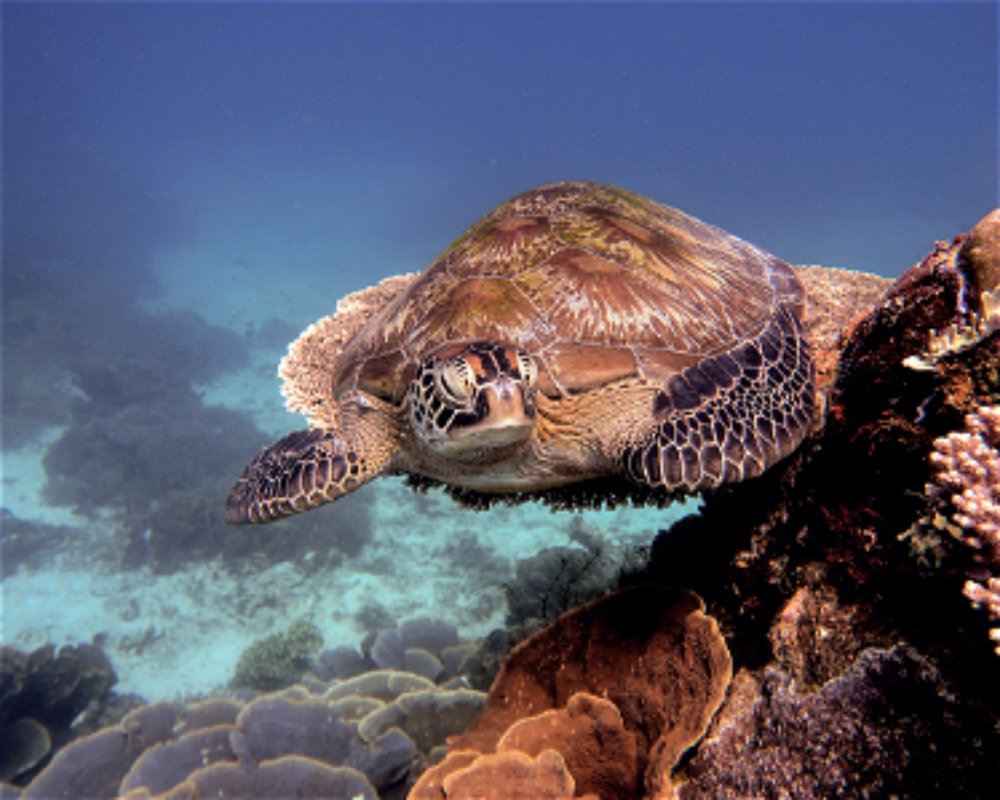
Gentle slope reef with a lot of yellow tail Snappers, resident Green Turtles and Hawksbill turtles. Reef has strong current but a diver can hide behind huge coral bommies and hang out with fish at 5m