Great Barrier Reef
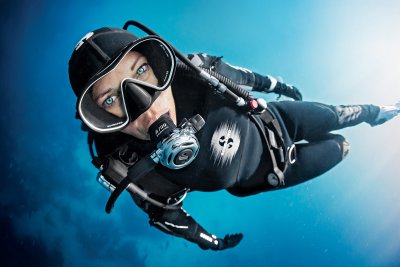
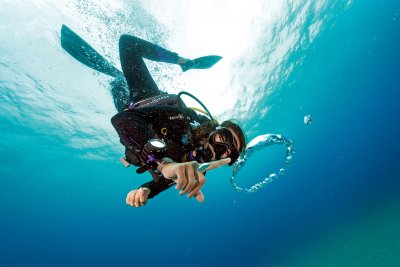
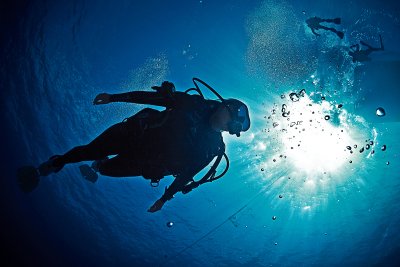
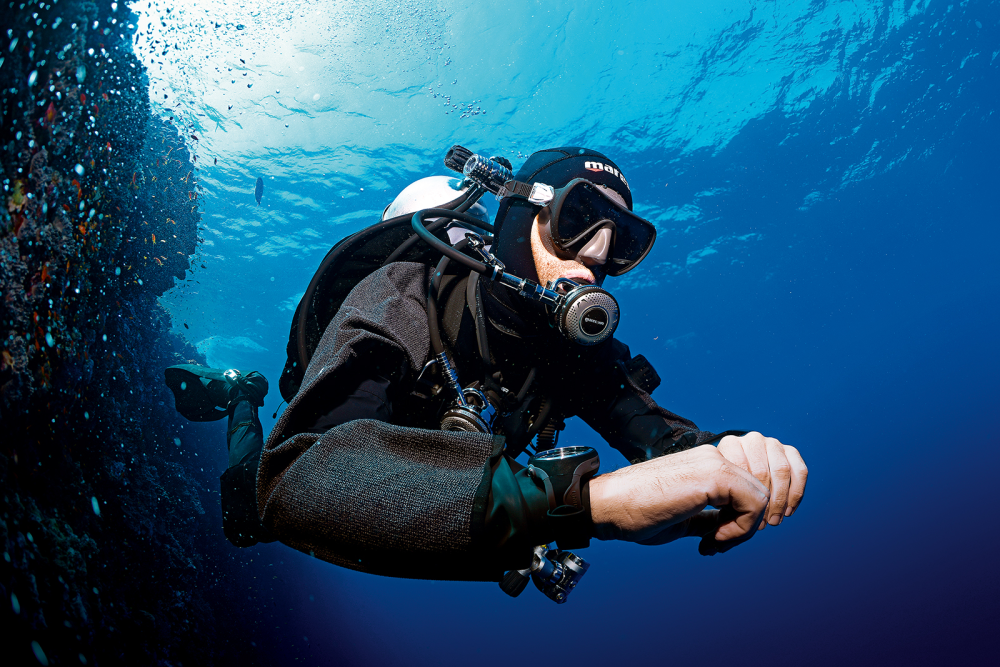
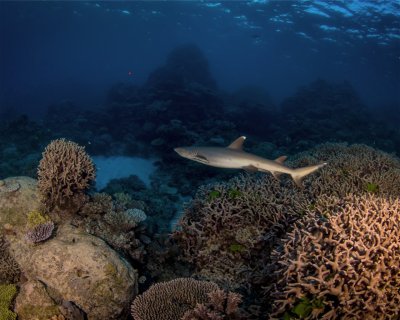
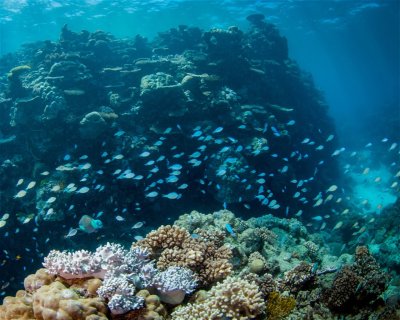
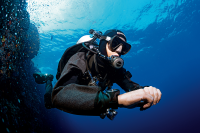
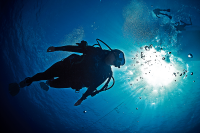
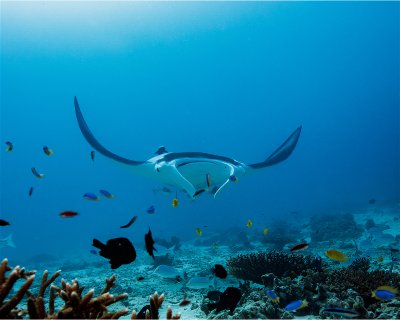
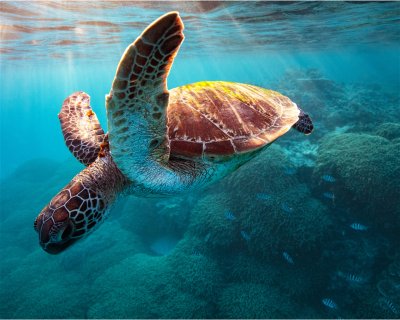
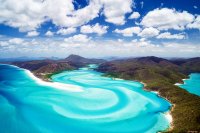
Home to several vulnerable, endangered, and endemic species, marine life on the Great Barrier Reef is nothing short of extraordinary.
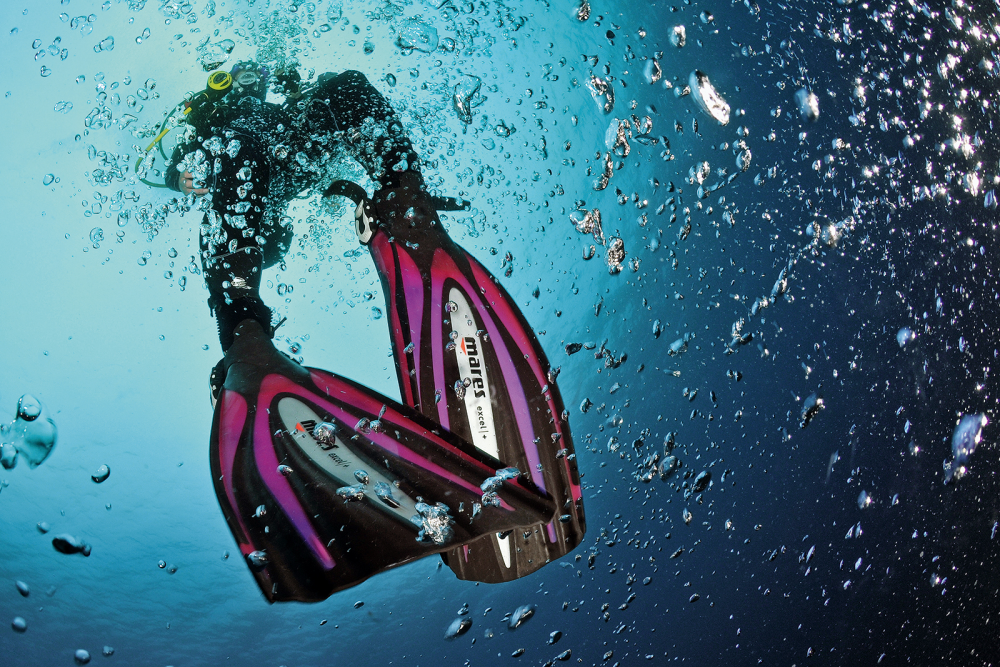
 © Mares
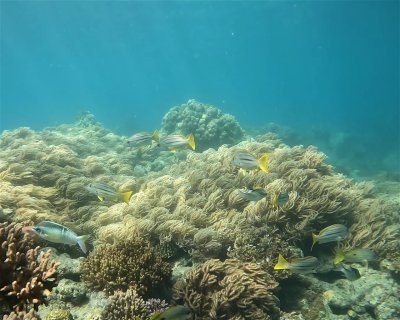
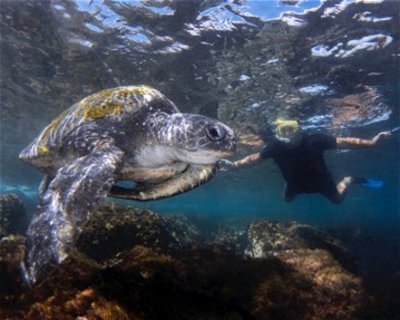
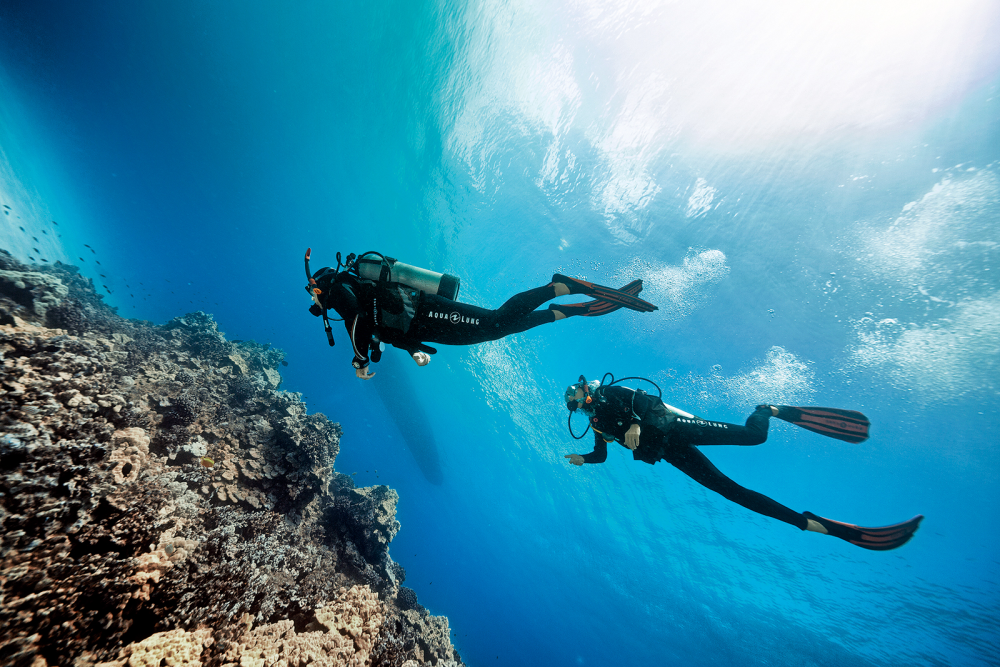
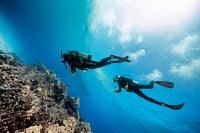
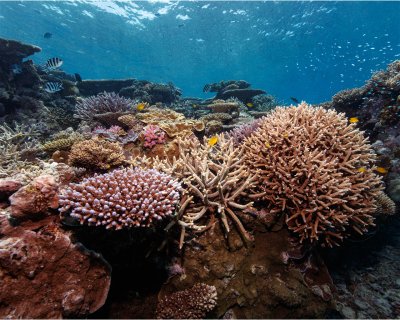
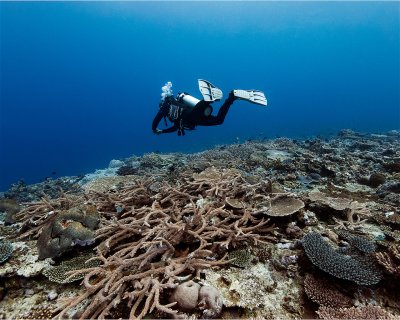
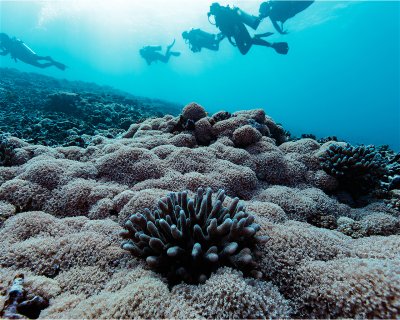
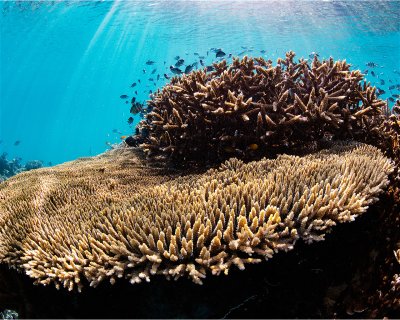
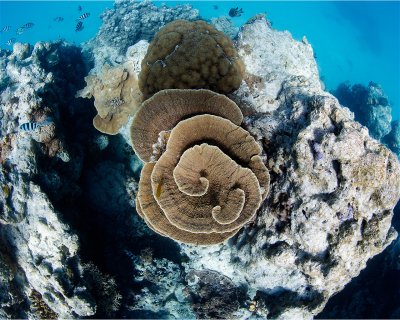
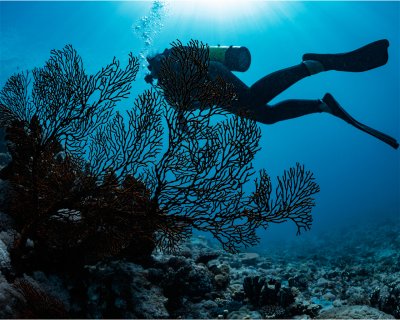
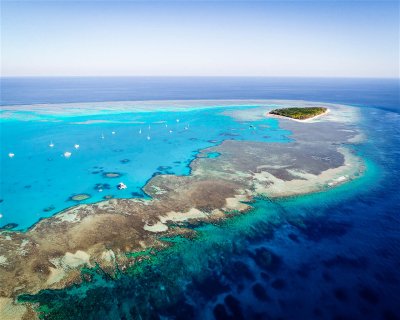
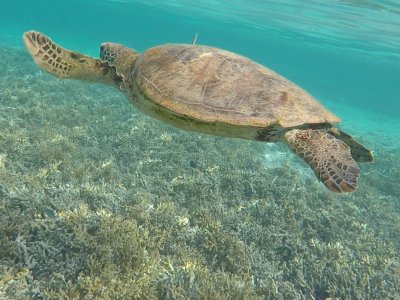
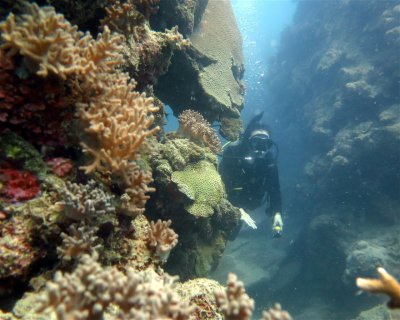
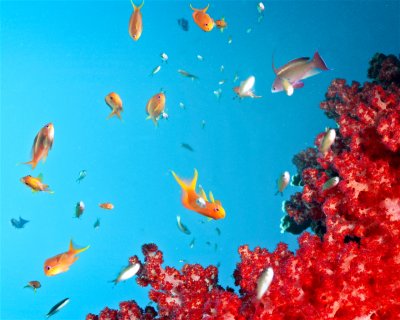
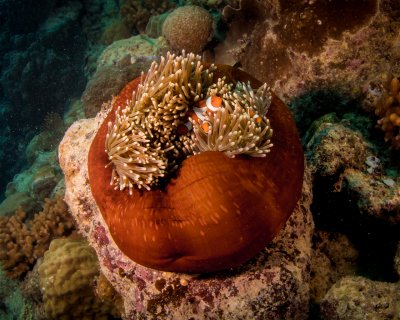
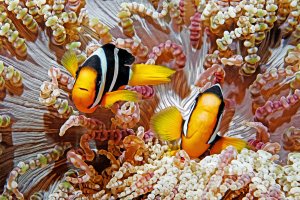
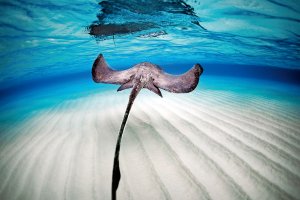
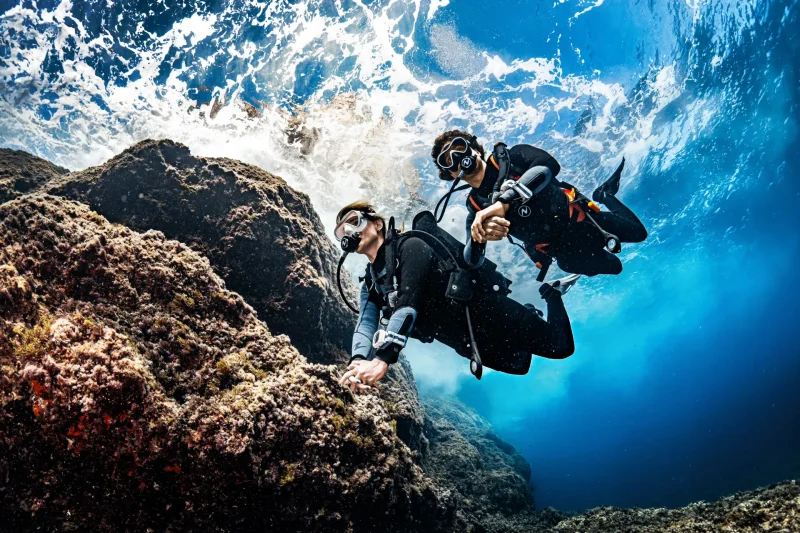
Diving in Queensland offers an unparalleled experience for enthusiasts of all levels, thanks to its diverse marine ecosystems and stunning underwater landscapes. This Australian state's crowning jewel is the Great Barrier Reef, a UNESCO World Heritage site and the world's largest coral reef system. Divers are greeted by vibrant coral gardens teeming with marine life, including colorful clownfish, majestic manta rays, and even the occasional sea turtle. The reef's vastness provides ample opportunities for exploration, from relatively easy shore dives to more challenging boat and liveaboard adventures.
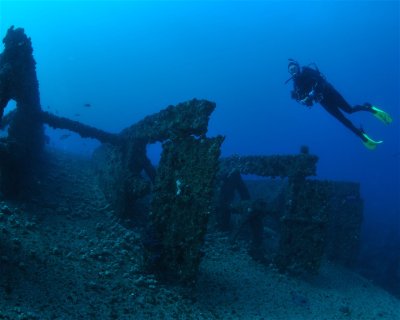
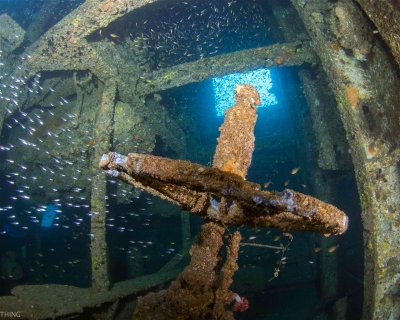
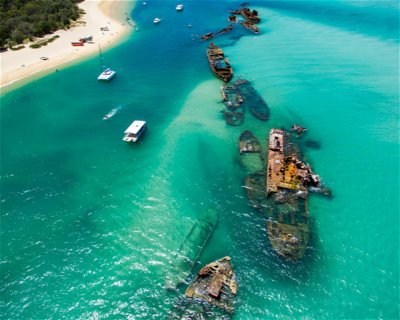
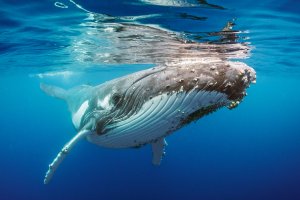
Beyond the Great Barrier Reef, Queensland boasts an array of diving environments. Wreck diving enthusiasts will find the SS Yongala, a historic shipwreck now home to an abundance of marine species, offering a thrilling dive experience. For those seeking dramatic underwater topography, the sheer walls of Osprey Reef in the Coral Sea present a breathtaking spectacle. Seasonal features add to the allure; for instance, witnessing the annual migration of humpback whales or the coral spawning event enhances the region's appeal. Whether you are exploring vibrant underwater worlds or encountering unique marine life, Queensland's diverse diving options promise unforgettable experiences.
Queensland is a diver's paradise, offering a range of exhilarating dive sites. The Great Barrier Reef is a prominent highlight, featuring spectacular wreck dives such as the SS Yongala, known for its rich marine life and historical allure. This wreck dive is often hailed as one of the best in the world, attracting divers seeking adventure and history underwater.
For those preferring shore dives, the Sunshine Coast offers excellent options like the HMAS Brisbane, an accessible dive teeming with marine biodiversity. Night dives at Lady Elliot Island reveal enchanting scenes of nocturnal marine life in action, providing unique underwater experiences. Queensland offers a perfect balance between shore and liveaboard diving, catering to all preferences and allowing divers to explore both easily accessible sites and remote wonders.
Queensland offers year-round diving with diverse conditions influenced by its tropical climate. During the summer months (December to February), water temperatures range from 27°C–30°C/81°F–86°F, providing warm and comfortable dives. Visibility is typically excellent, often exceeding 20 meters/66 feet, though summer can bring stronger currents and occasional rain, slightly affecting diving conditions.
From June to August, the winter period, water temperatures drop to around 22°C–25°C/72°F–77°F, with visibility remaining high. Despite the cooler water, diving is still possible, with calmer seas and less wind. The spring and autumn months offer moderate conditions, making diving accessible throughout the year. However, divers should be prepared for potential variability in weather and sea states, particularly during cyclone season, which may temporarily affect diving opportunities.
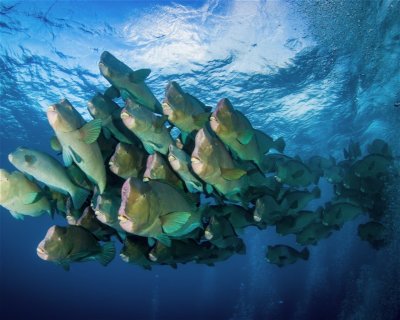
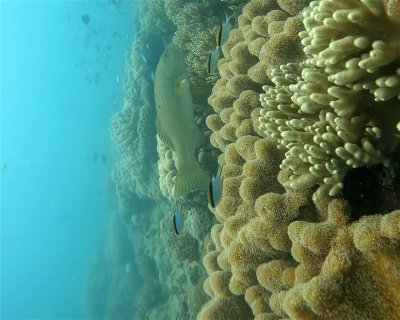
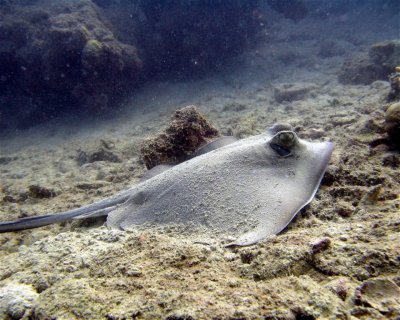
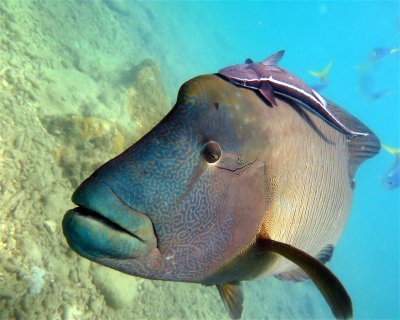
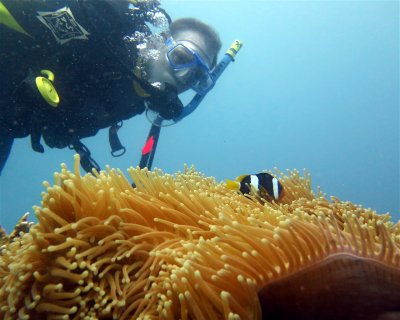
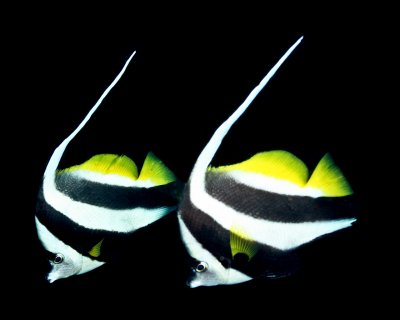
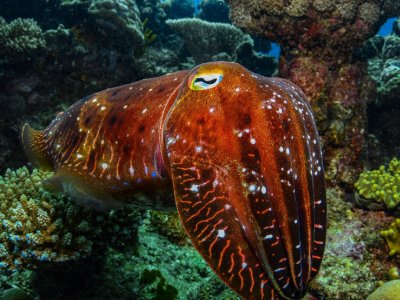
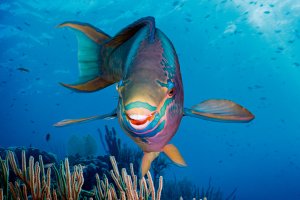
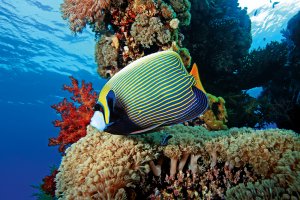
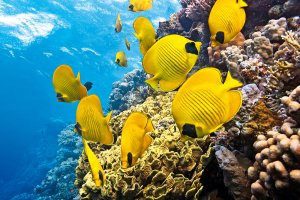
Queensland's marine life offers divers an impressive array of species, particularly around the Great Barrier Reef. Common reef fish include the vibrant clownfish and the striking angelfish, seen year-round amidst the coral gardens. Schools of parrotfish and butterflyfish are frequent, providing a colorful underwater spectacle.
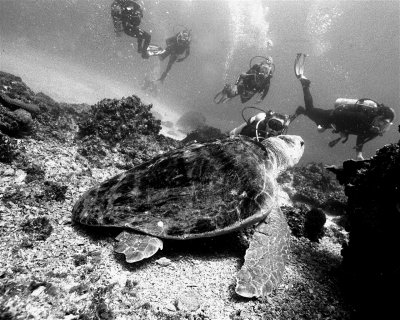
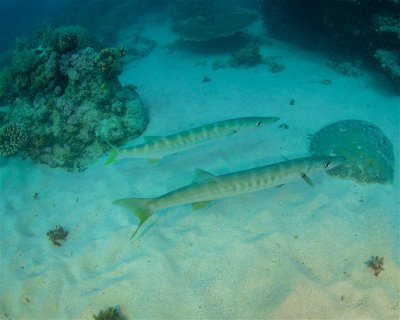
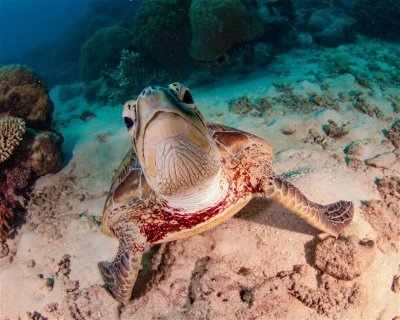
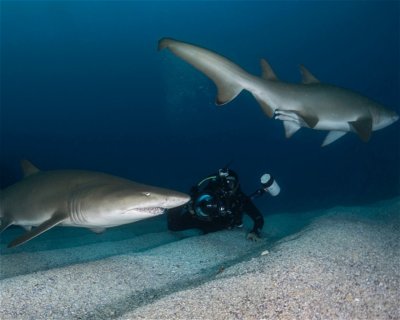
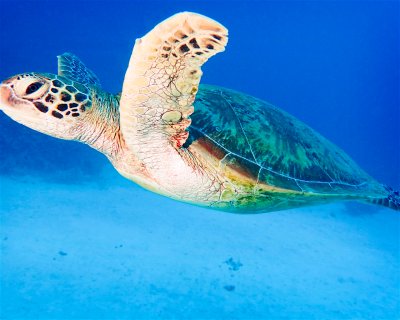
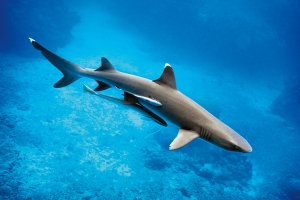
Seasonal highlights include the annual turtle nesting season from November to March when green and loggerhead turtles are notably active. During winter months, divers might spot migrating humpback whales. Shark enthusiasts may encounter reef and nurse sharks, especially around the Osprey Reef, while manta ray sightings are common from May to November at Lady Elliot Island.
Wildlife Sightings are Based on User Generated Content
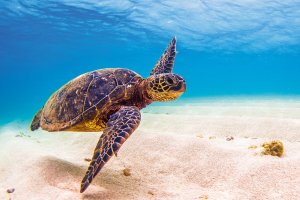
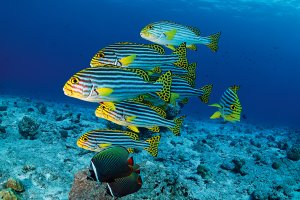
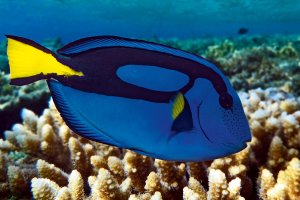
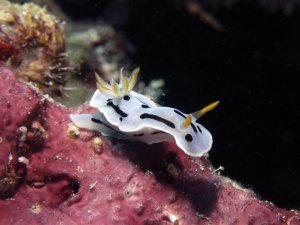
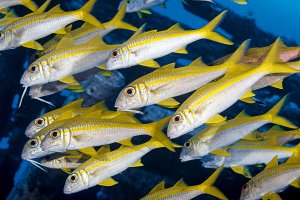
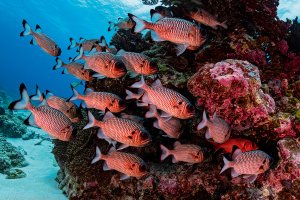
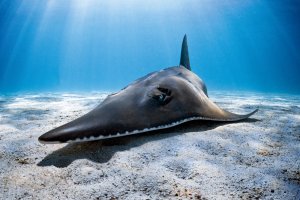
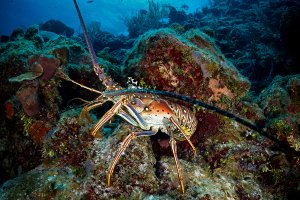
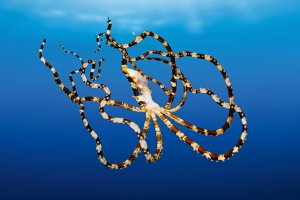
The image shown is a representative illustration and does not depict every individual animal in this category.
Total number of species approx.: 600
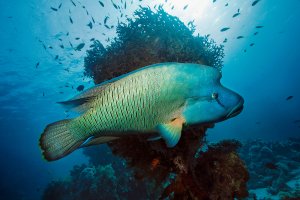
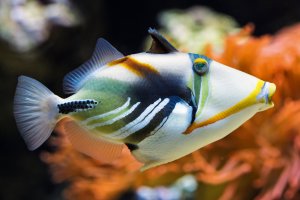
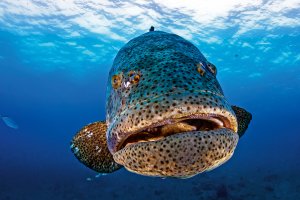
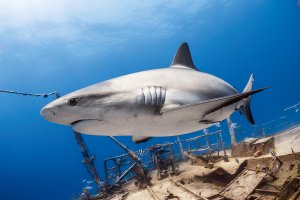
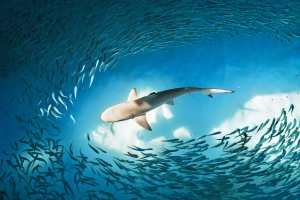
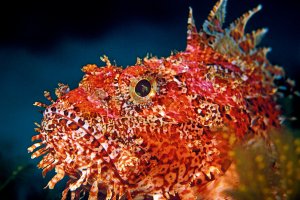
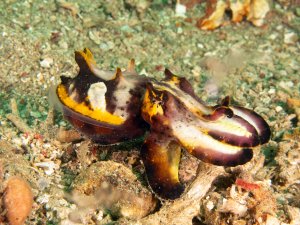
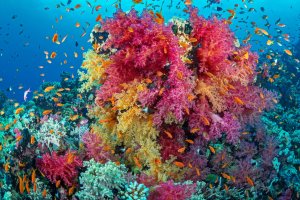
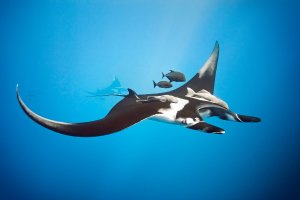
The image shown is a representative illustration and does not depict every individual animal in this category.
Total number of species approx.: 27
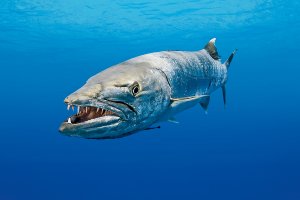
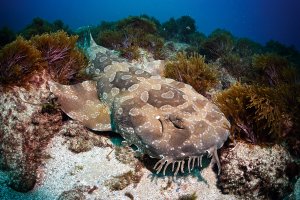
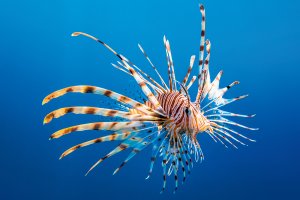
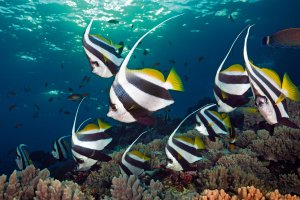
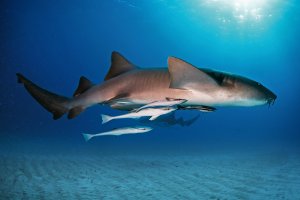
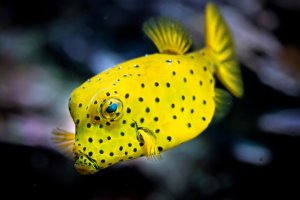
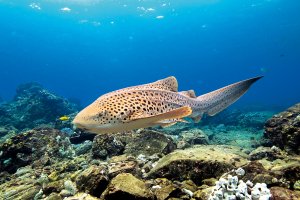
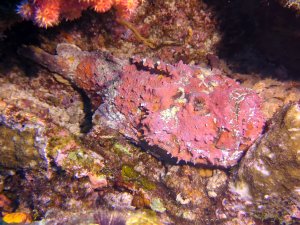
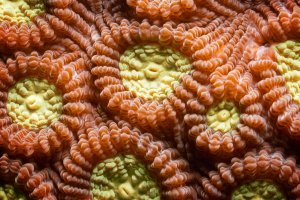
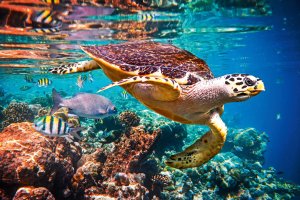
The image shown is a representative illustration and does not depict every individual animal in this category.
Total number of species approx.: 25
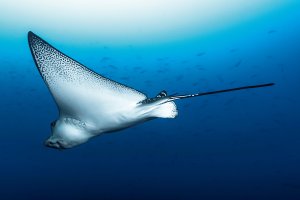
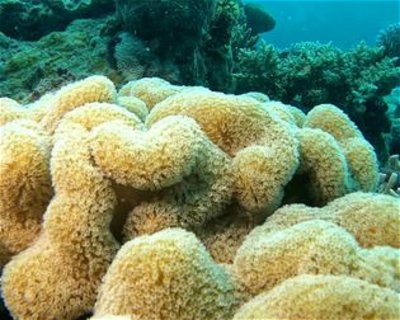
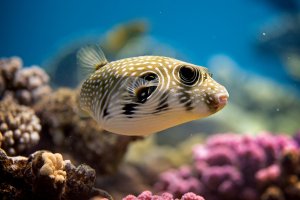
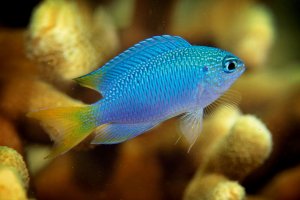
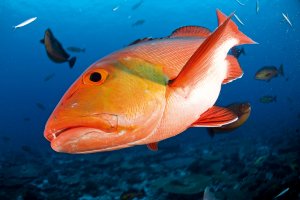
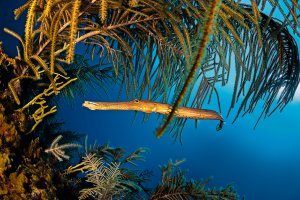
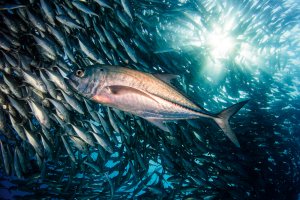
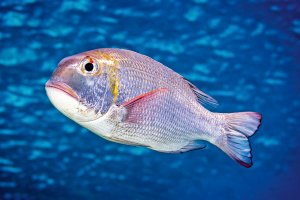
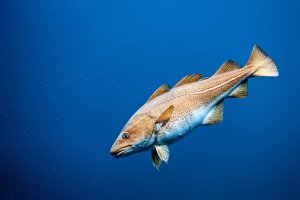
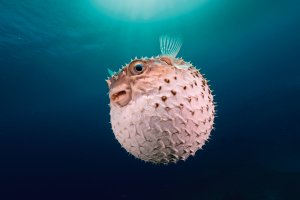
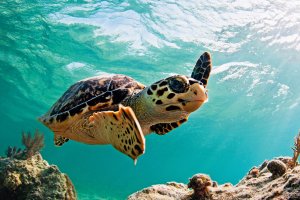
The image shown is a representative illustration and does not depict every individual animal in this category.
Total number of species approx.: 200
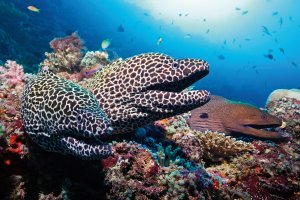
The image shown is a representative illustration and does not depict every individual animal in this category.
Total number of species approx.: 300
Curated by Interest
Mares
Aqualung
Shutterstock-Zi Magine
Mares-Predrag Vuckovic
Scubapro
Shutterstock-Ethan Daniels
Mares-Predrag Vuckovic
Mares-Bjoern Dorstewit

Join your Adreno Dive Guide for an awesome day of divingBook this amazing trip now - spots are limited!To secure your place today by following this link:https://adreno.com.au/pa...
Show Offer
Join your Adreno Dive Guide for an awesome day of divingBook this amazing trip now - spots are limited!To secure your place today by following this link:https://adreno.com.au/pa...
Show Offer
TAKE YOUR DIVING TO THE NEXT LEVEL WITH ADRENO!SSI Advanced Open Water + Enriched Air Nitrox — Only $849Book Now -- https://adreno.com.au/pages/ssi-advanced-adventurer-course-...
Show Offer
Join your Adreno Dive Guide for an awesome day of divingBook this amazing trip now - spots are limited!To secure your place today by following this link:https://adreno.com.au/pa...
Show Offer
Join your Adreno Dive Guide for an awesome day of divingBook this amazing trip now - spots are limited!To secure your place today by following this link:https://adreno.com.au/pa...
Show Offer
Join your Adreno Dive Guide for an awesome day of divingBook this amazing trip now - spots are limited!To secure your place today by following this link:https://adreno.com.au/pa...
Show Offer
Join your Adreno Dive Guide for an awesome day of divingBook this amazing trip now - spots are limited!To secure your place today by following this link:https://adreno.com.au/pa...
Show Offer