Gold Coast
The Gold Coast is found on the east coast of Australia, around 30km north of the New South Wales bor
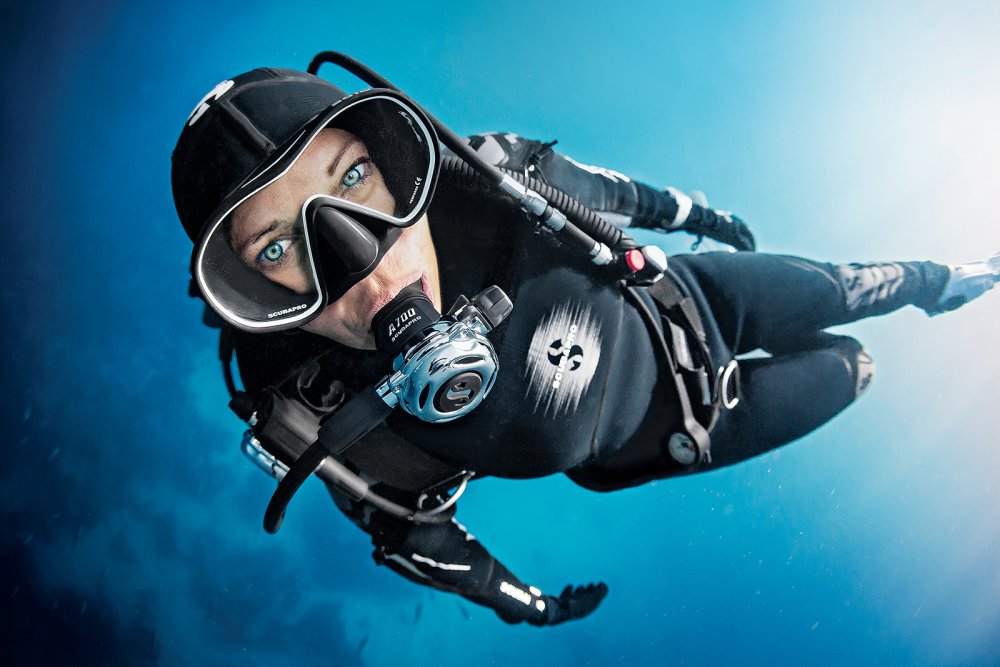 © Scubapro
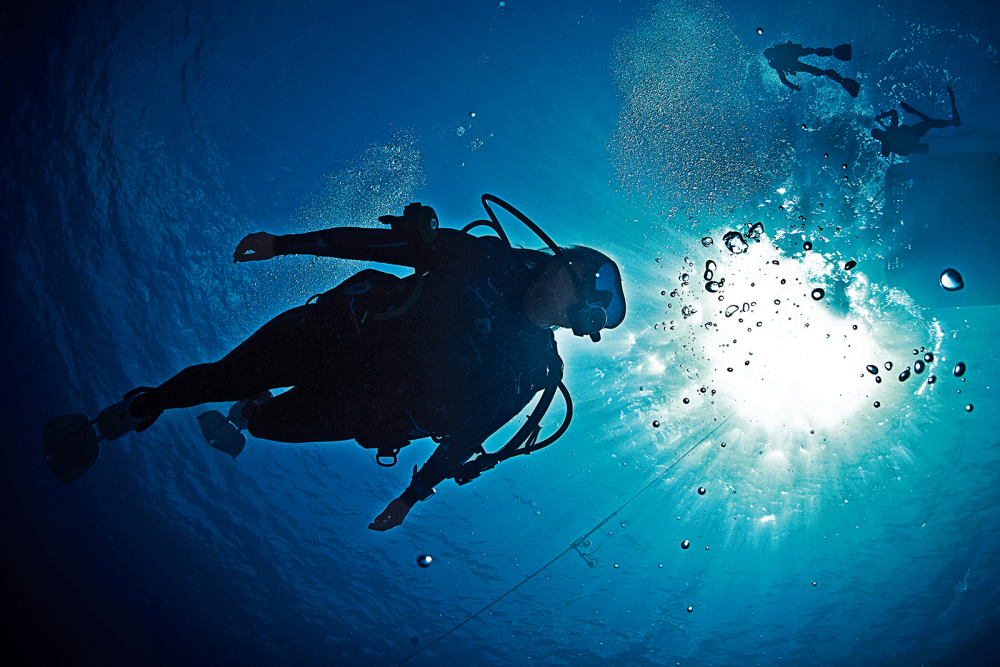
North Stradbroke Island, a true gem of South Queensland, offers a unique diving experience that is both thrilling and captivating. With its accessible dive sites, it is particularly favored by shore divers and snorkelers. The island's underwater world is a vibrant spectacle, home to an array of marine life, including sharks, dolphins, and the occasional majestic whale. Reef enthusiasts can explore sites like Shag Rock and Flat Rock, which are teeming with diverse species of reef fish. For those interested in more specialized encounters, the area boasts unique spots like Turtle Caves and Shark Alley, providing divers with a chance to observe marine creatures in their natural habitat.
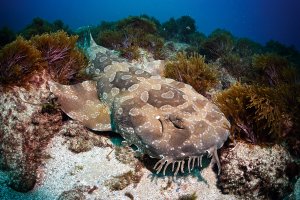
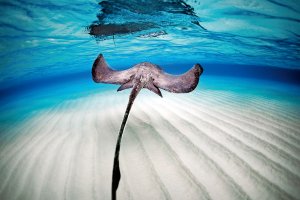
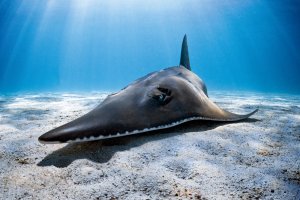
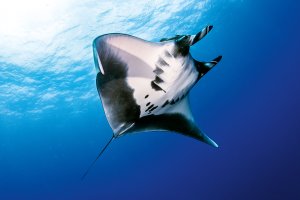
The most renowned site, Manta Bommie, serves as a cleaning station for the magnificent manta rays and hosts an impressive variety of species including leopard sharks, wobbegongs, and bull rays. This site is particularly famous for the breathtaking sight of mantas gliding gracefully through the water. Seasonal migrations add another layer of excitement, as humpback whales and other large marine animals pass through the area, offering divers a chance to witness these gentle giants up close. North Stradbroke's rich and diverse marine life, coupled with its stunning underwater landscapes, makes it a must-visit destination for diving enthusiasts.
North Stradbroke Island offers a diverse array of dive sites suitable for both beginner and experienced divers. One of the standout sites is the "Manta Bommie," renowned for its frequent sightings of manta rays, particularly during the warmer months. This site is a favorite for shore dives, providing easy access and rich marine life, including turtles and wobbegong sharks.
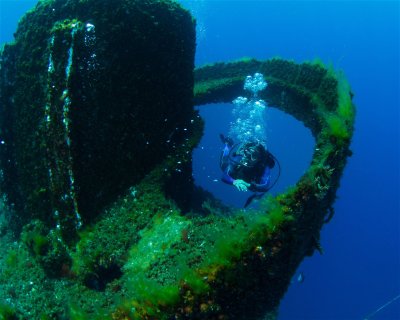
The island also features the "Shag Rock" site, where divers can explore a vibrant underwater world teeming with coral gardens. For those interested in wreck dives, the nearby "Rufus King" wreck offers an intriguing glimpse into history, lying at a depth accessible for recreational divers. North Stradbroke balances between shore diving and liveaboard options, making it versatile for different diving preferences. Additionally, night dives reveal a different, mesmerizing aspect of marine life, with nocturnal creatures coming to life under the water's surface.
North Stradbroke Island offers exceptional year-round diving conditions, with water temperatures ranging from 19°C–27°C/66°F–81°F. Visibility often remains clear, averaging between 15 to 30 meters/49 to 98 feet, providing an excellent view of the abundant marine life. Diving is possible all year, though the summer months (December to February) offer the warmest waters. However, divers should be cautious of stronger currents and occasional summer storms. The winter months, while cooler, provide calmer seas and clearer visibility, making them a preferred time for many divers.
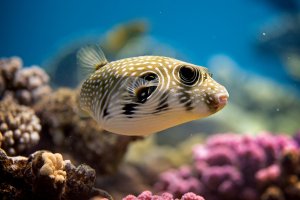
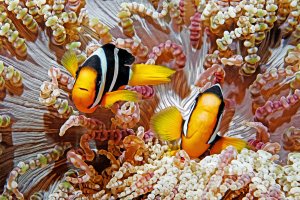
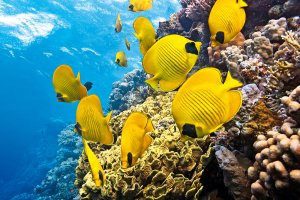
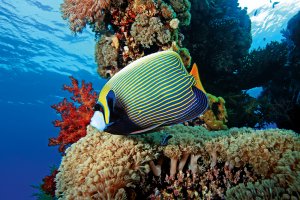
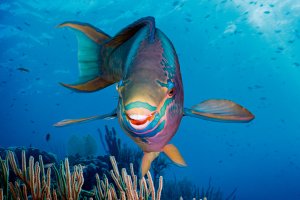
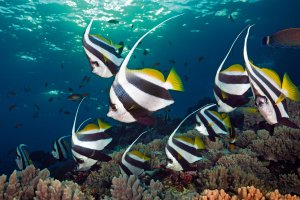
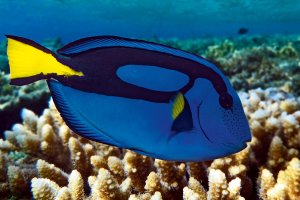
North Stradbroke Island, situated off the coast of Queensland, Australia, is renowned for its diverse marine life, making it a haven for divers. Common reef fish such as angelfish, parrotfish, and damselfish thrive in its vibrant coral reefs. Divers can frequently spot large schools of these colorful fish, especially around the more sheltered reef areas. Seasonal highlights include sightings of graceful manta rays and playful turtles, which are more prevalent from November to May. During winter months, divers might encounter the majestic grey nurse sharks, typically near deeper waters. These sharks are known for their docile nature, and sightings are more frequent around Flat Rock, a popular dive site. Overall, the marine biodiversity around North Stradbroke offers an exciting and varied diving experience year-round.
Wildlife Sightings are Based on User Generated Content
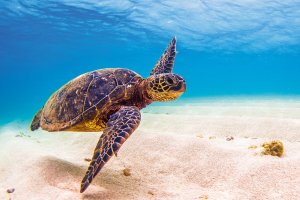
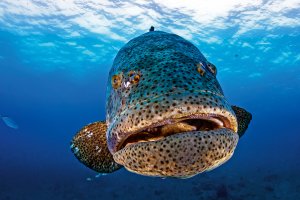
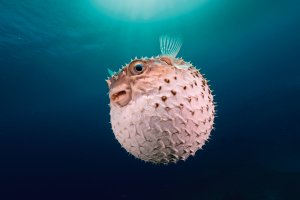
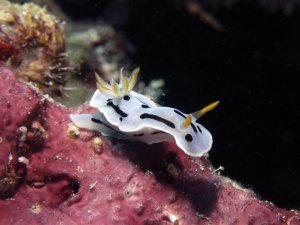
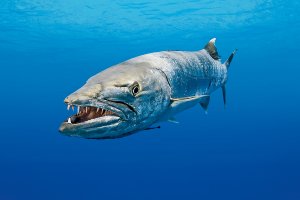
The image shown is a representative illustration and does not depict every individual animal in this category.
Total number of species approx.: 25
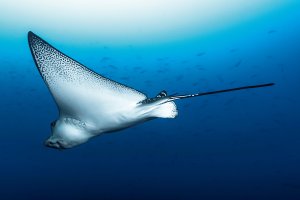
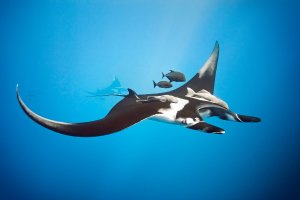
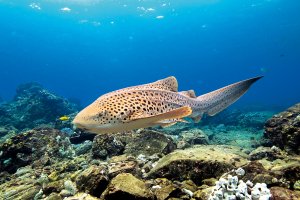
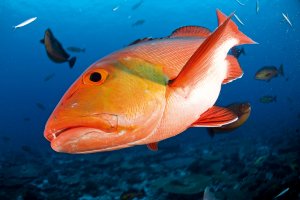
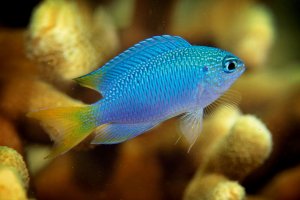
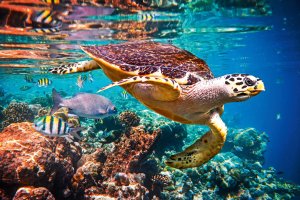
The image shown is a representative illustration and does not depict every individual animal in this category.
Total number of species approx.: 300
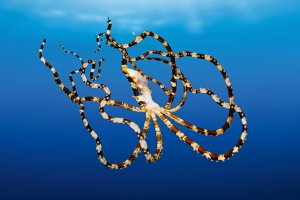
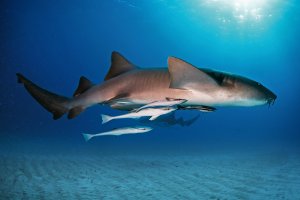
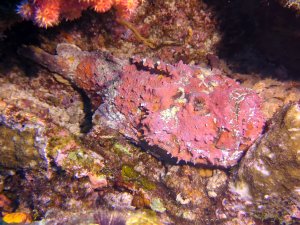
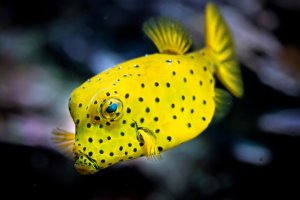
The image shown is a representative illustration and does not depict every individual animal in this category.
Total number of species approx.: 200
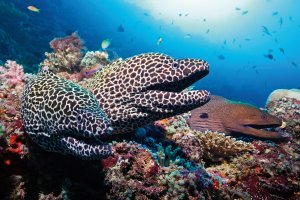
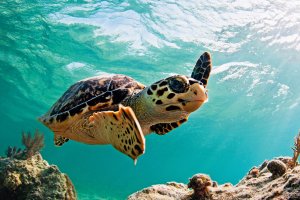
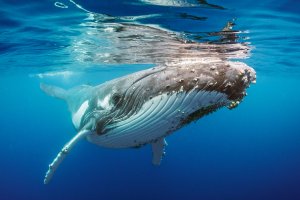
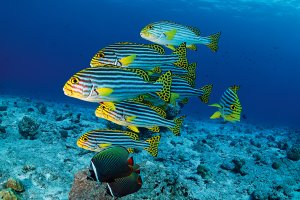
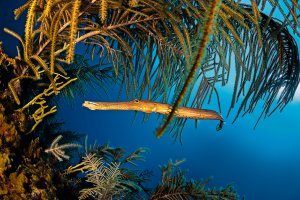
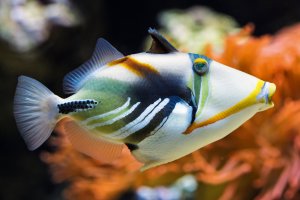
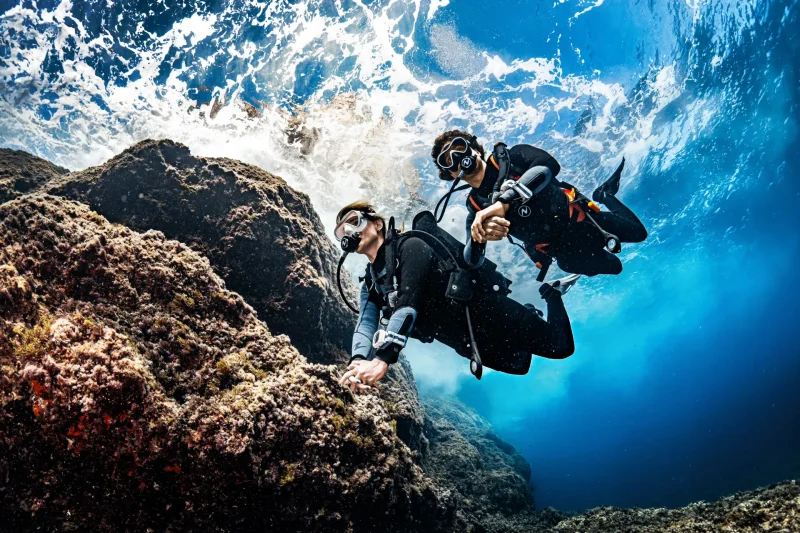
The image shown is a representative illustration and does not depict every individual animal in this category.
Total number of species approx.: 600
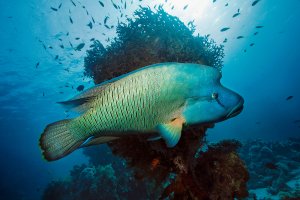
The image shown is a representative illustration and does not depict every individual animal in this category.
Total number of species approx.: 27
Curated by Interest
Mares
Aqualung
Shutterstock-Zi Magine
Mares-Predrag Vuckovic
Scubapro
Shutterstock-Ethan Daniels
Mares-Predrag Vuckovic
Mares-Bjoern Dorstewit

Join your Adreno Dive Guide for an awesome day of divingBook this amazing trip now - spots are limited!To secure your place today by following this link:https://adreno.com.au/pa...
Show Offer
Join your Adreno Dive Guide for an awesome day of divingBook this amazing trip now - spots are limited!To secure your place today by following this link:https://adreno.com.au/pa...
Show Offer
Join your Adreno Dive Guide for an awesome day of divingBook this amazing trip now - spots are limited!To secure your place today by following this link:https://adreno.com.au/pa...
Show Offer
Join your Adreno Dive Guide for an awesome day of divingBook this amazing trip now - spots are limited!To secure your place today by following this link:https://adreno.com.au/pa...
Show Offer
Join your Adreno Dive Guide for an awesome day of divingBook this amazing trip now - spots are limited!To secure your place today by following this link:https://adreno.com.au/pa...
Show Offer
Join your Adreno Dive Guide for an awesome day of divingBook this amazing trip now - spots are limited!To secure your place today by following this link:https://adreno.com.au/pa...
Show Offer