Surfers Paradise
Surfers Paradise is a coastal suburb within the City of Gold Coast in Queensland featuring many high
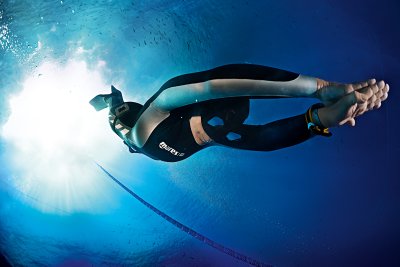
The Gold Coast is found on the east coast of Australia, around 30km north of the New South Wales border in sunny Queensland. It is a city full of self confessed “children of the sea” and the ocean is a key part of life here. It is a busy tourist destination, and gained notoriety due to the famous surfing in the area but now tourists come for the rainforests, theme parks, shopping, nightlife and scuba diving too.
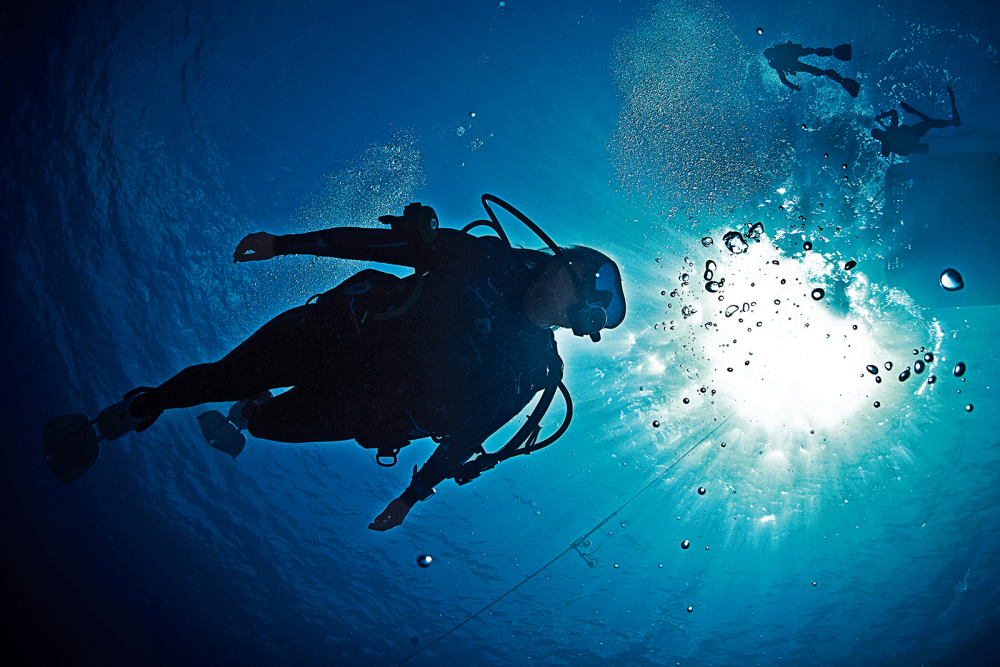
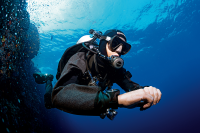
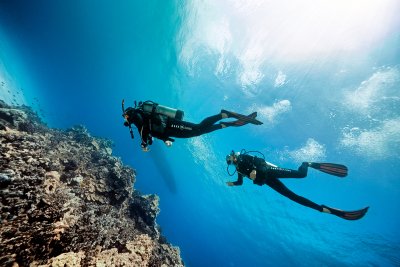
Due to the year round good weather, it is a popular location for diving courses - particularly for beginners. Many sites are well protected, offering calm conditions in which to take your first breath under the water. There are plenty of dive resorts and dive centres to choose from though as they are scattered around the city, looking online might yield more options. There aren’t any liveaboards currently diving in the Gold Coast as most dive sites are close to shore.
The diving here is varied, with options of bright reefs, swim throughs, caves, wrecks and drifts. Though most dives are suitable for novice divers, there are some advanced options to keep experienced divers happy too. Some wildlife highlights are the occasional whale and dolphin sightings, turtles and shark encounters.
There is a huge variety of diving options on the Gold Coast. The array of sites will keep all levels of divers busy. There are several inshore dive sites which are popular with diving courses, especially when ocean conditions are rough, as well as protected open water sites. This combination makes it an ideal location to complete a beginner diving course.
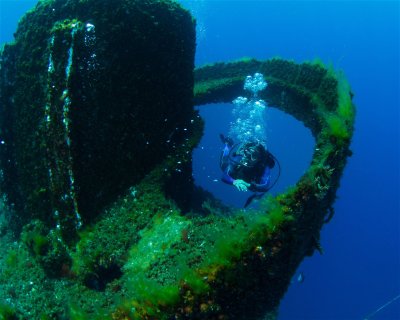
For the more advanced, there is plenty to explore. There are several wrecks such as the Scottish Prince which will delight wreck and history lovers. The coral reefs act as playgrounds for divers, with plenty of gullies, swim throughs, overhangs and walls to investigate and which also create superb photo opportunities.
Some of the more unusual sites are the artificial reefs. One is formed from shipping containers and the other is the world’s first “floating reef”. These helix structures are anchored 30m on the seabed and now form strange shapes on which corals have made their home, drawing in diverse marine life.
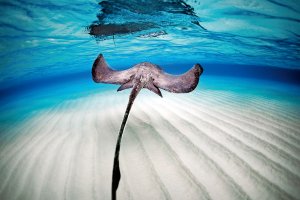
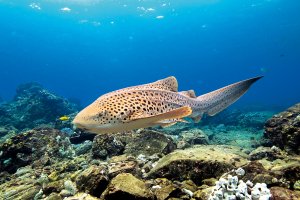
The Gold Coast has pleasant weather year round, though it does have distinct summers and winters. The summer months (November - April) enjoy the warmest temperatures. Air temperatures are in the high 20s and water temperatures peak at 27oC in February. This time of year also has the highest rainfall but it is not hugely significant and does not affect diving except to reduce visibility on sites that are close to shore. During the summer, certain fish travel down from the tropical northern waters including manta rays and leopard sharks.
The winter months (May - October) have lower temperatures - the water plummets to 21oC and air temperatures are in the high teens. Diving is still possible during the winter with a thicker wetsuit and divers are often rewarded with excellent visibility. Humpback and Minke whales migrate up the coast from May to November, so divers might be lucky enough to spot one or be serenaded during a dive.
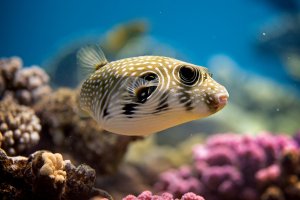
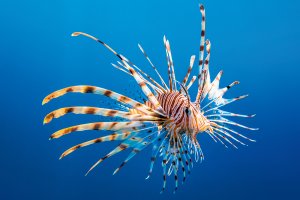
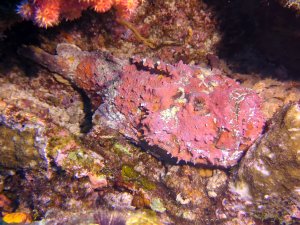
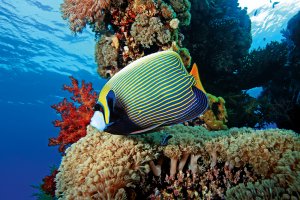
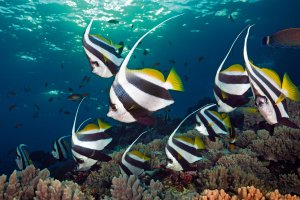
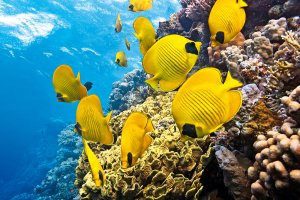
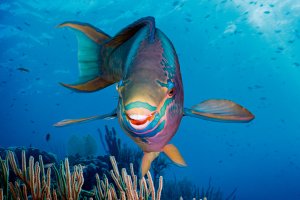
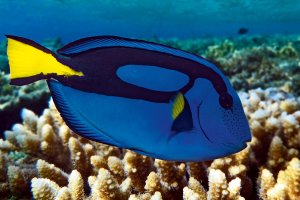
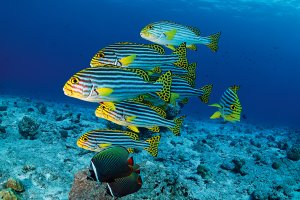
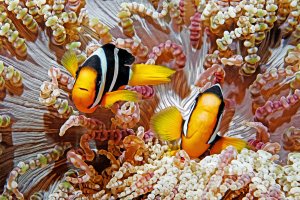
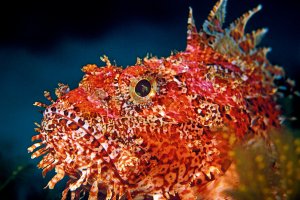
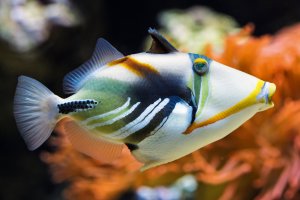
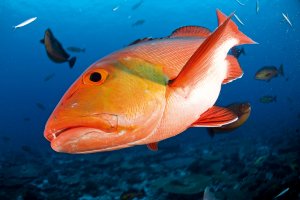
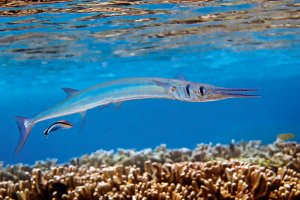
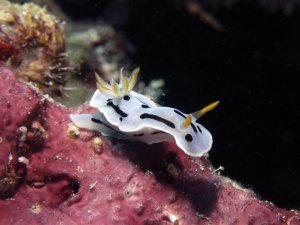
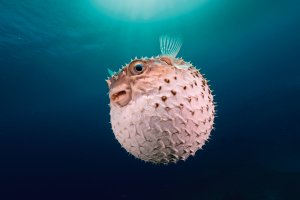
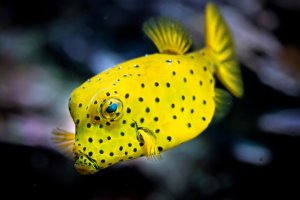
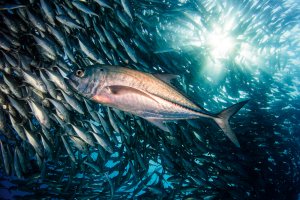
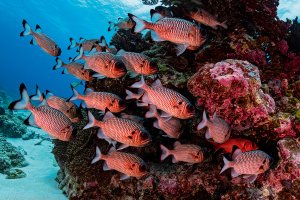
The marine life on the Gold Coast is diverse and different from the tropical north. The cooler water from the south brings nutrients, allowing for a greater diversity of species. Reef and pelagic fish are both abundant. Colourful reef fish like anemonefish, groupers, pufferfish, parrotfish, butterflyfish, cardinals, surgeonfish, sweetlips and more create a kaleidoscope above their reef home. Bigger pelagics like trevally, tuna and barracuda can be seen schooling and hunting. Also on the reef are lots of macro beasties including nudibranch, spanish dancers, camouflaged crustaceans and the extraterrestrial squids, cuttlefish and octopus.
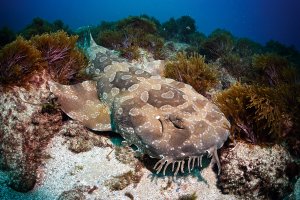
Turtles are a big draw of Australian diving and the Gold Coast is no exception - several species can be seen serenely swimming or munching on seagrass. Numerous species of shark can be found including black and white tips as well as the strange looking, bottom dwelling shovelnose and wobbegong varieties. In the summer, even leopard sharks make an appearance.
Dolphins have been seen at certain dive sites though they normally stay out of the way of divers. During the winter months, Minke and humpback whales migrate through the shallow oceans close to shore and some lucky divers have witnessed their majesty first hand. It is more common to hear their song from afar as they swim further out.
Wildlife Sightings are Based on User Generated Content
The image shown is a representative illustration and does not depict every individual animal in this category.
Total number of species approx.: 200
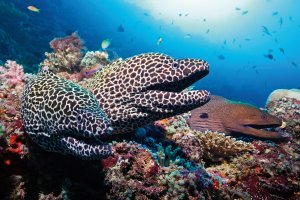
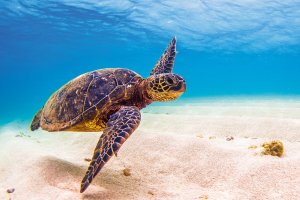
The image shown is a representative illustration and does not depict every individual animal in this category.
Total number of species approx.: 27
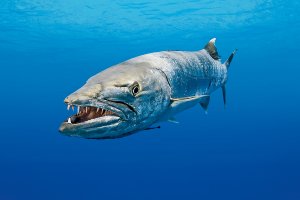
The image shown is a representative illustration and does not depict every individual animal in this category.
Total number of species approx.: 300
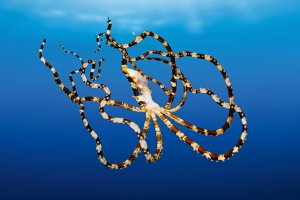
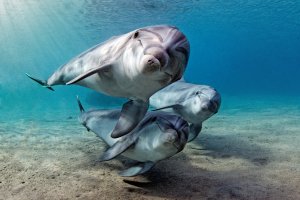
The image shown is a representative illustration and does not depict every individual animal in this category.
Total number of species approx.: 25
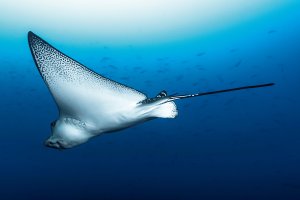
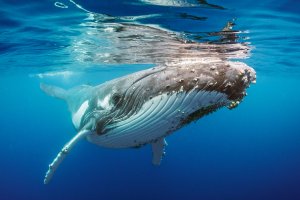
The image shown is a representative illustration and does not depict every individual animal in this category.
Total number of species approx.: 600
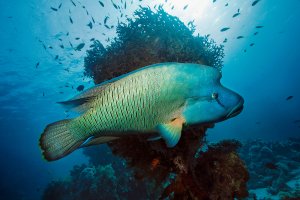
The image shown is a representative illustration and does not depict every individual animal in this category.
Total number of species approx.: 250
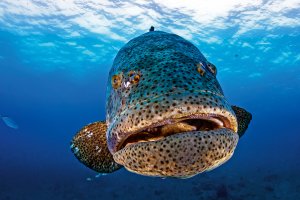
The image shown is a representative illustration and does not depict every individual animal in this category.
Total number of species approx.: 80