North Island
Explore North Island Located closest to the equator, New Zealand’s North Island experiences the co




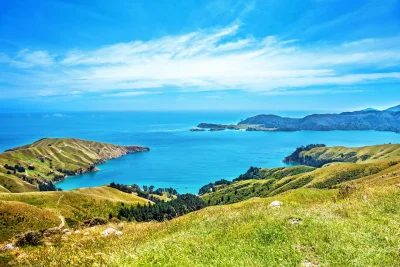
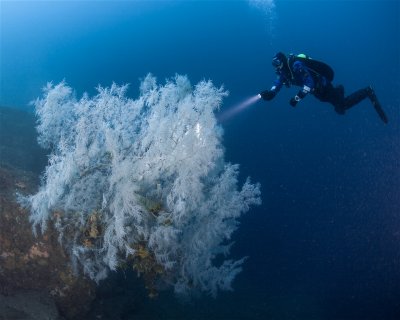
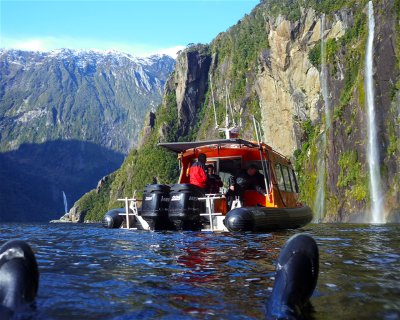
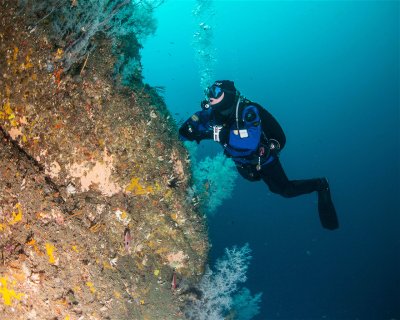
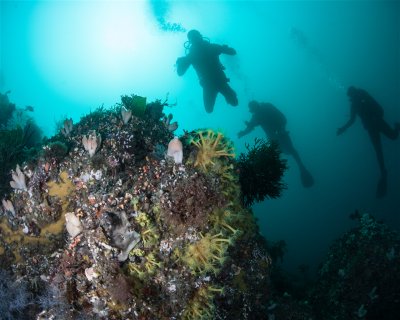
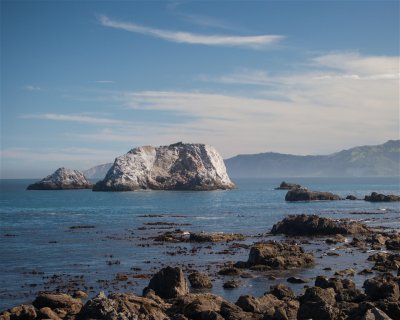
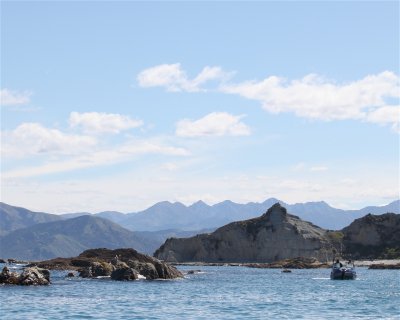
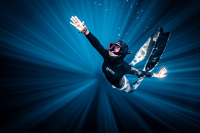
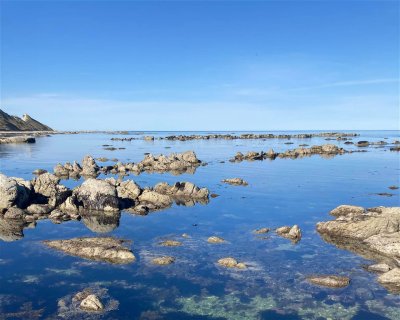
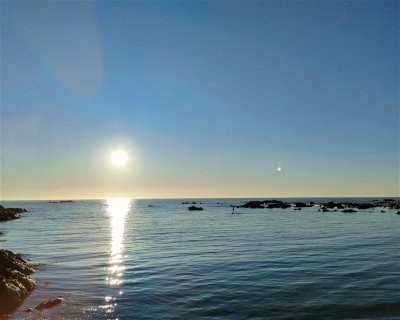
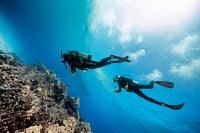
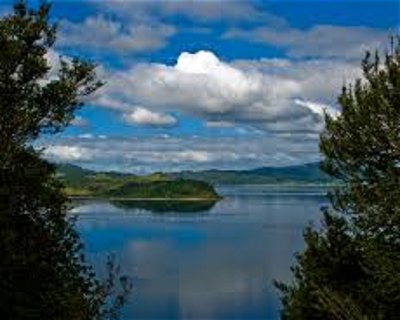
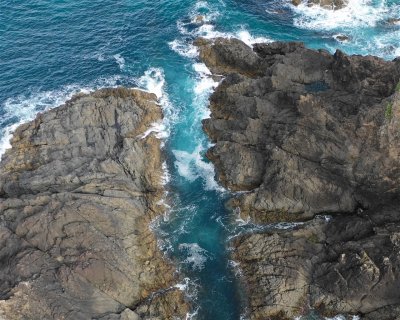
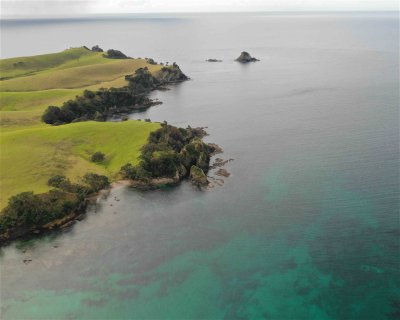
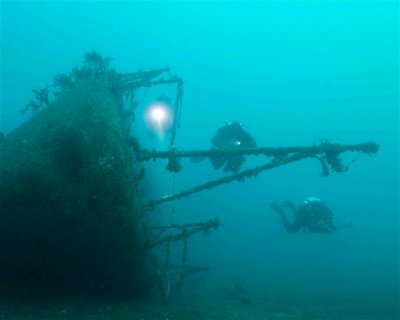
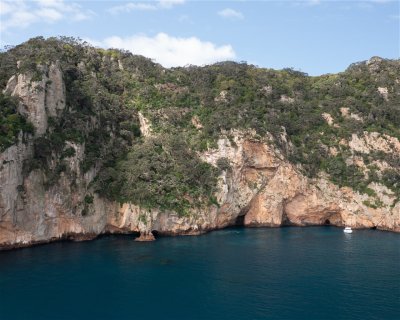
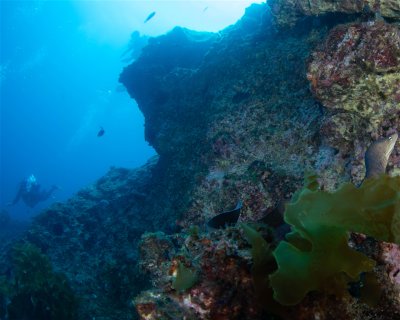
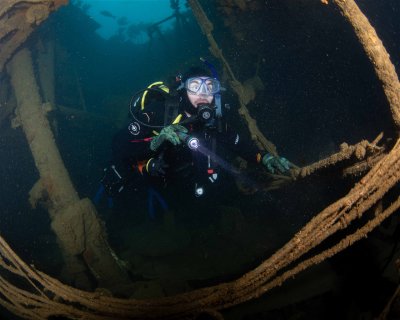
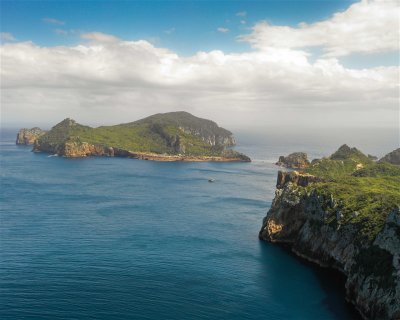
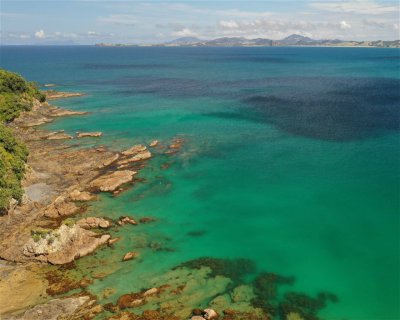
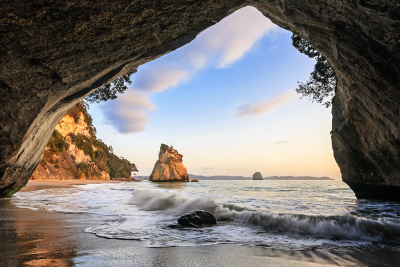
New Zealand is famous as a land of rugged natural beauty, with coursing rivers, piercing mountain tops, pristine fjords and emerald green countryside. Below the water, the topography is no less varied and the diving here is diverse - sub-tropical reefs around North Island, fjords on South Island and wrecks around the Bay of Islands are just some of the options available.
The country and its islands are sparsely populated, though the transport networks and visitors centres are excellent which makes getting around a breeze. As travel between islands usually requires a flight, be aware of scuba diving fly limits.
There are dive centres dotted around the North and South Islands, with the higher density found in the north. On the South Island, they are concentrated around the largest cities of Christchurch, Blenheim and southernmost Dunedin. Dive resorts aren’t a popular phenomenon here and liveaboards exist but are rare, tending to stick around Poor Knights. Though New Zealand is not the most popular location in the world for diving courses, most good dive centres offer courses from introductions up to dive master.
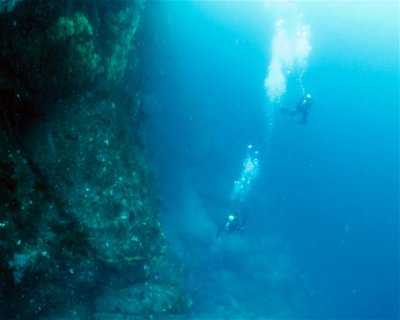
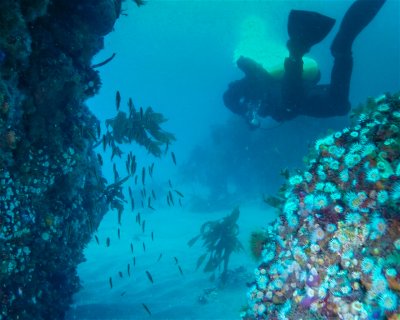
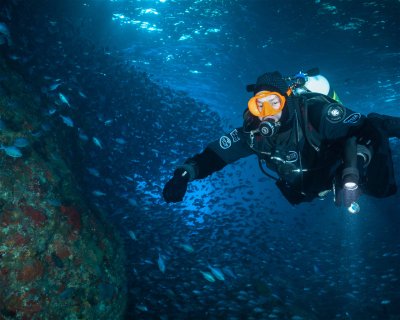
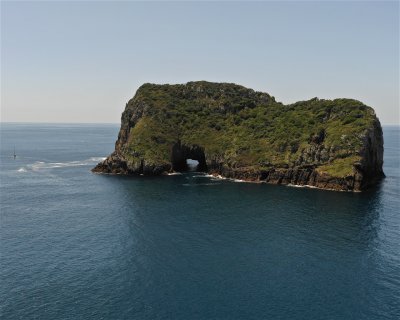
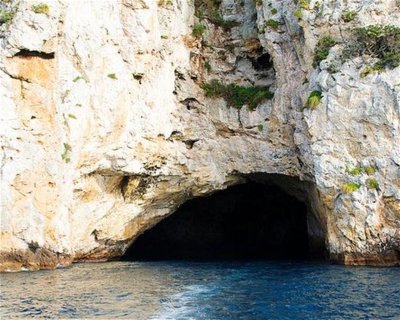
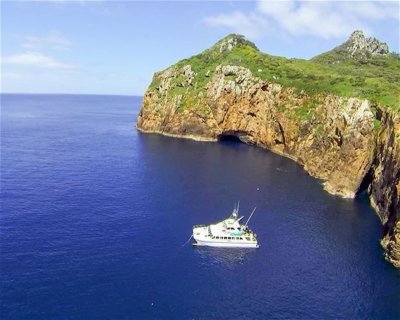
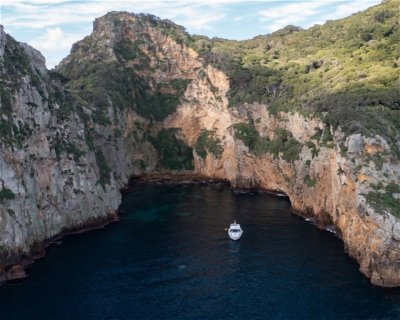
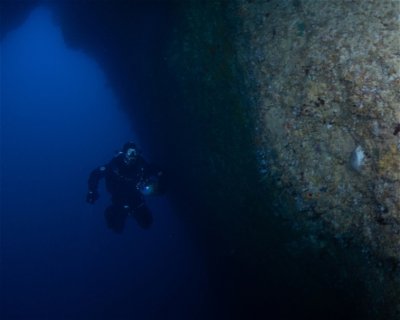
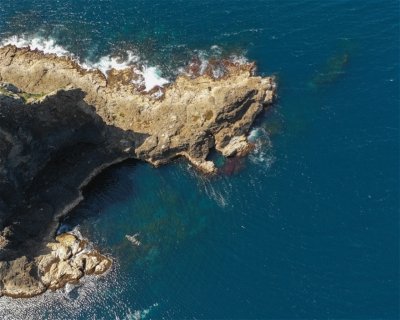
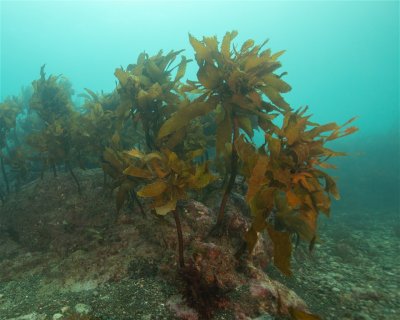
Jacques Cousteau once said that New Zealand contained some of the top five dive sites in the world, speaking of the Poor Knights Marine Reserve. Much underrated as a diving destination, with over 15,000 kilometres of coastline, you will be glad you chose to dive in these virgin waters. Dolphins and seals are just some of the inquisitive encounters you might enjoy - sightings of whales are also not uncommon. Caves, kelp forests, wrecks and deep water drop offs, all encased in cool, clear water, are just some of the gems that await in this ancient, culture steeped land.
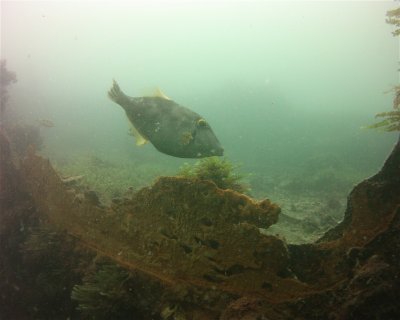
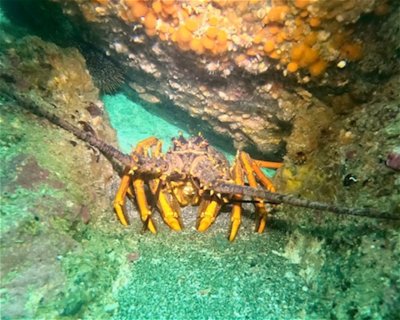
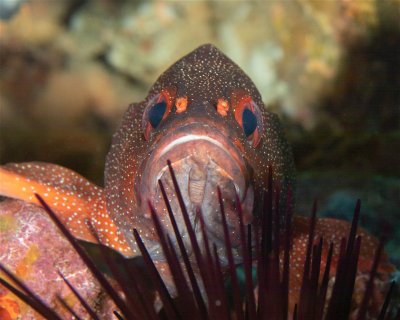
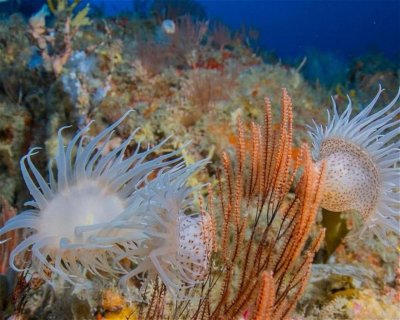
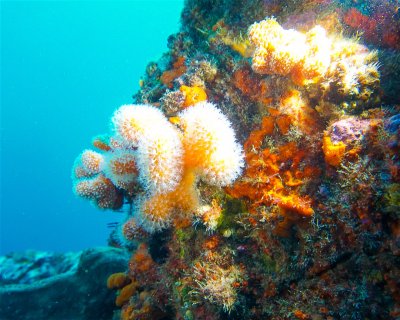
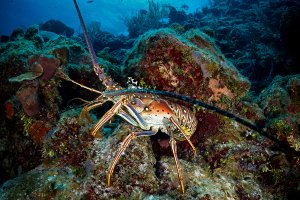
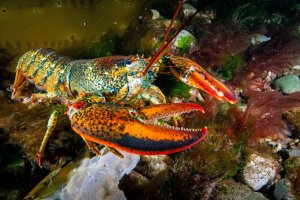
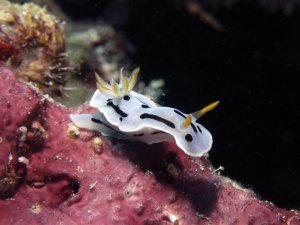
The marine life you can find here is abundant, varied and will put New Zealand firmly at the top of every divers’ bucket list. The cool, nutrient rich waters attract life from deep within the oceans. Macro life such as nudibranch adorn many rocky reefs while crustaceans ranging from tiny, translucent glass shrimp to big, confident lobsters all scuttle along the seafloor. A highlight for many are the spiny sea dragons huddling in the seaweed of Milford Sound.
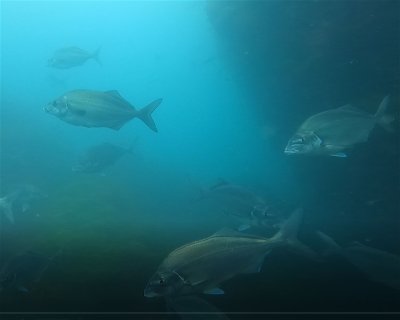
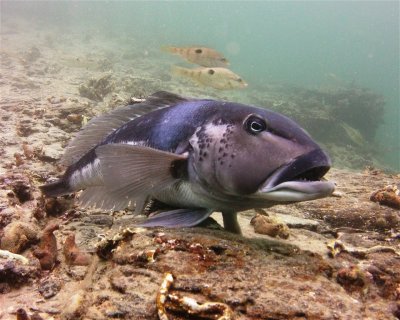
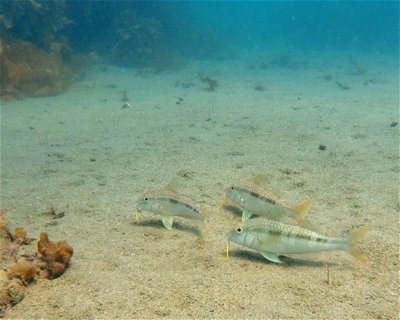
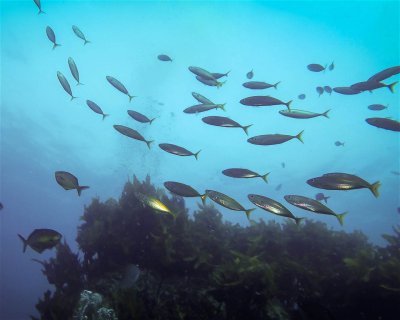
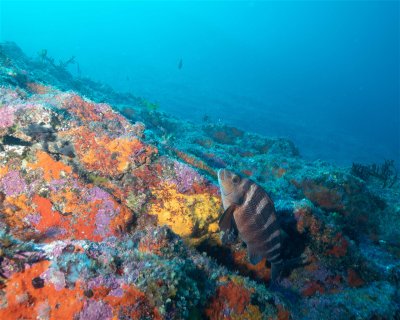
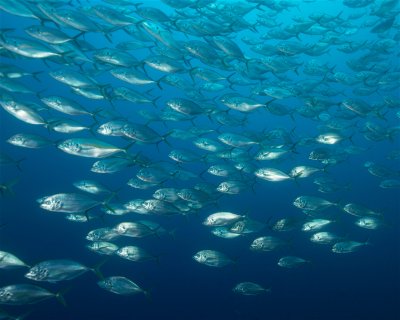
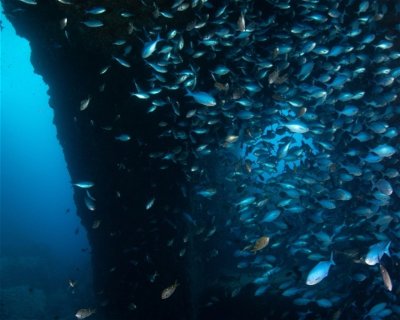
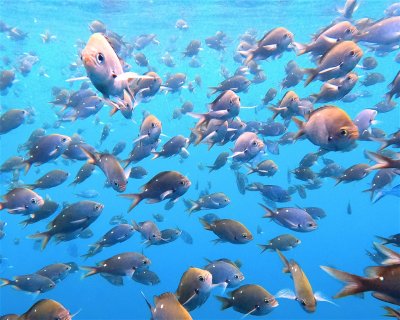
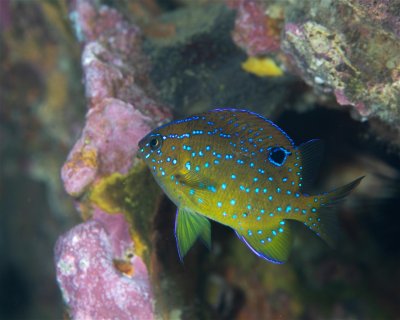
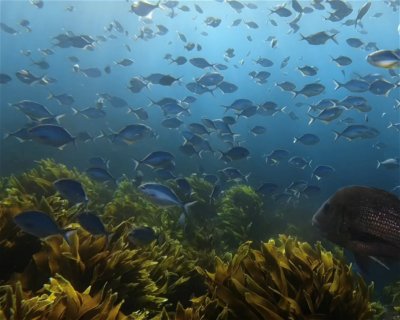
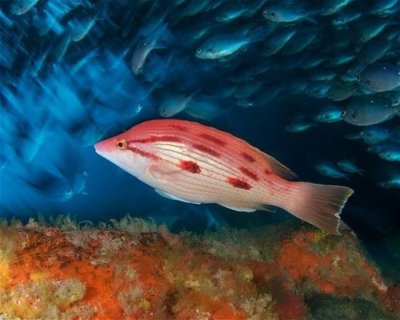
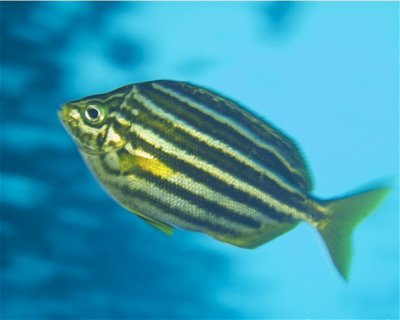
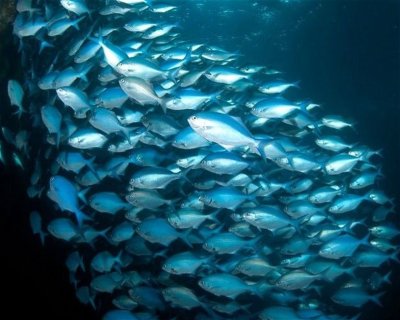
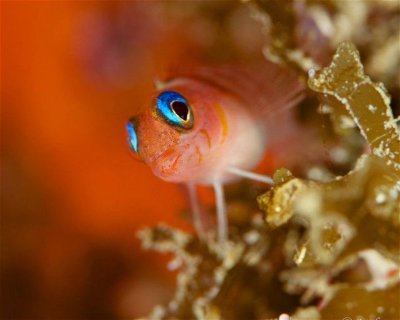
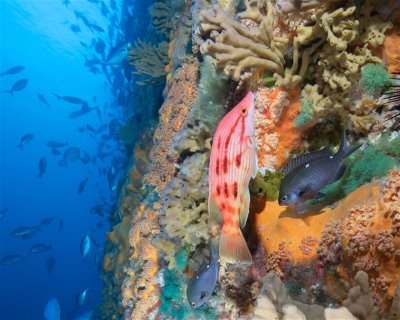
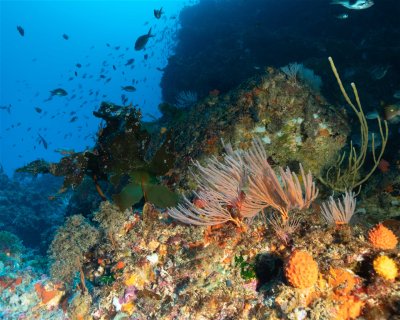
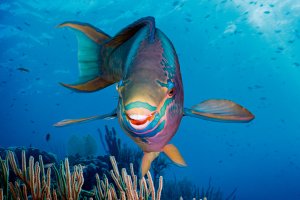
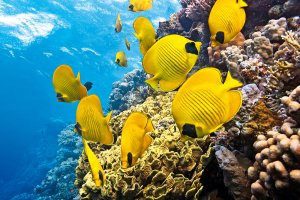
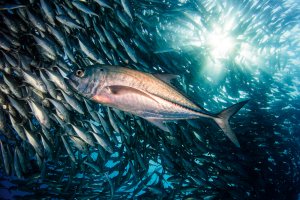
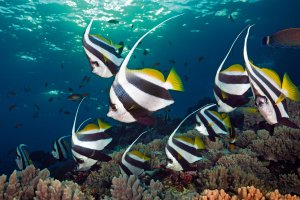
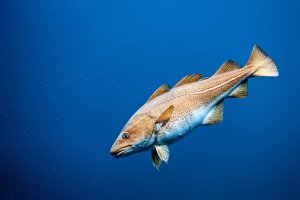
Small, iridescent fish hover in schools over the corals of the northern reefs and create aquarium-like vistas. The deep water draws in larger pelagic fish from the deep - big game species like tuna, kingfish, blue cod, marlin and John Dory school and hunt out in the blue. The summer months can even bring the weird and wonderful mola mola and manta rays.
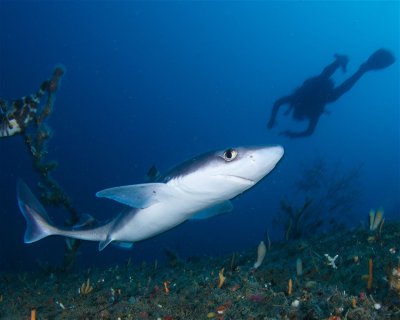
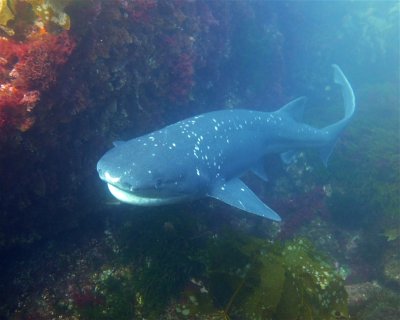
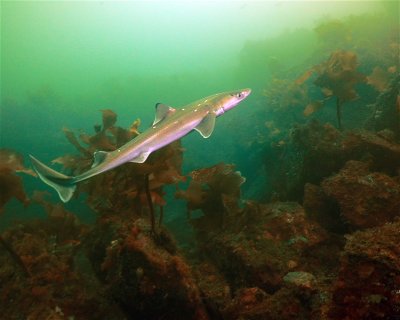
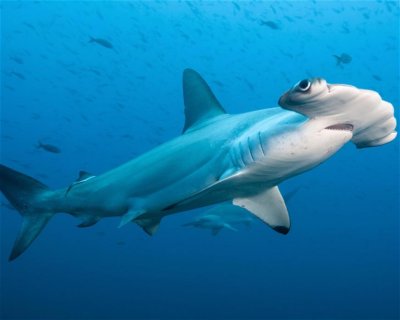
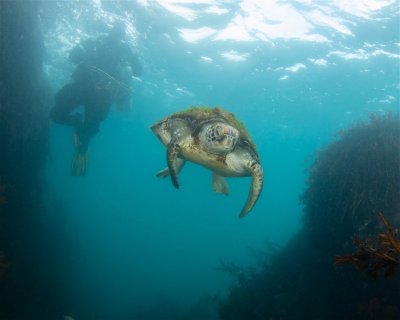
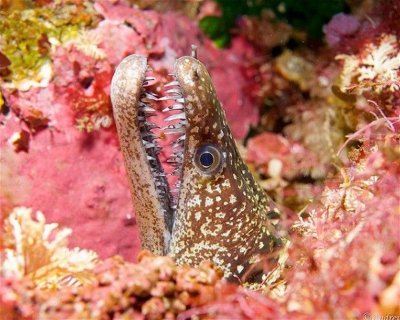
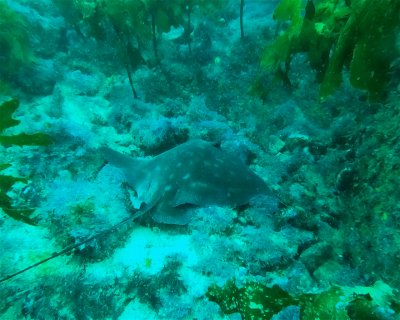
Sharks are drawn by these large fish numbers. Big sharks swim in deeper waters away from the dive sites but bronze whaler and mako sharks are seen, as well as the rare seven gill. Other predators include stingrays, moray eels and sea snakes, while less intimidating turtles sedately glide around the reefs.
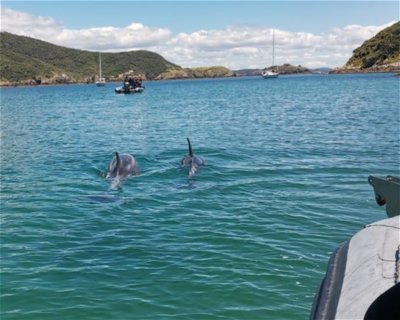
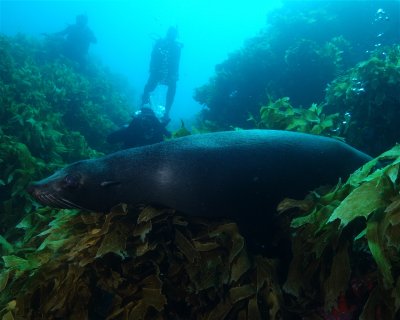
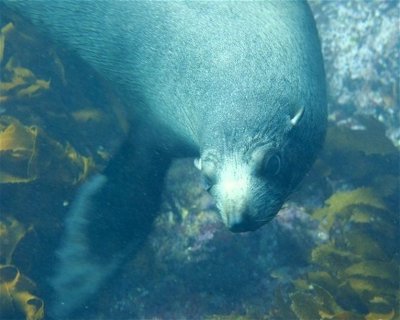
New Zealand is marine mammal central - over half the worlds’ cetaceans are found here. Porpoises and dolphins are common sights and there are more penguin species found here than anywhere else in the world. Fur seals are a favourite, their inquisitive and playful dispositions have earned them the nickname of “puppies of the sea”!
Whales are natives to these deep, nutrient abundant oceans. The planet’s largest animal, the blue whale, is endemic, are are humpbacks, southern rights and sperm whales. Poor Knights marine reserve offers a spectacular chance to see orcas feeding on the resident stingrays.
Wildlife Sightings are Based on User Generated Content
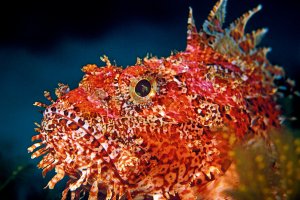
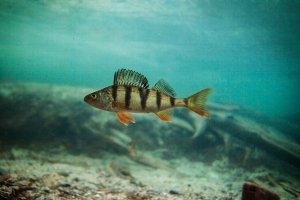
The image shown is a representative illustration and does not depict every individual animal in this category.
Total number of species approx.: 25
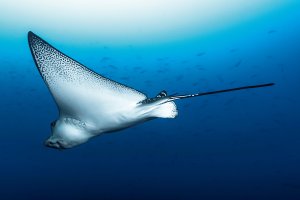
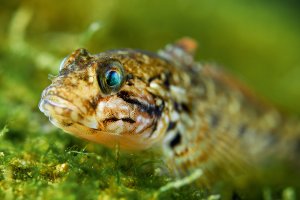
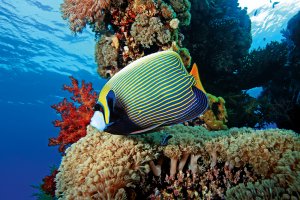
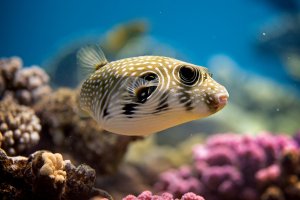
The image shown is a representative illustration and does not depict every individual animal in this category.
Total number of species approx.: 200
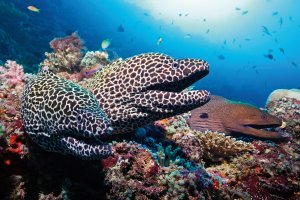
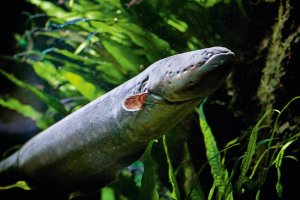
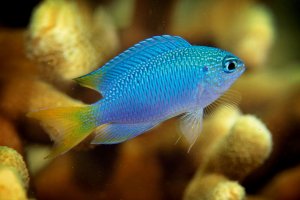
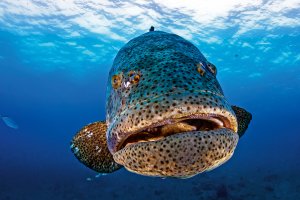
The image shown is a representative illustration and does not depict every individual animal in this category.
Total number of species approx.: 600
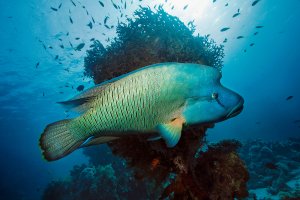
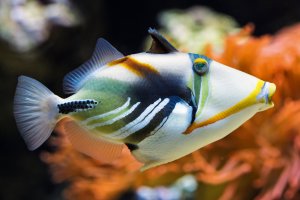
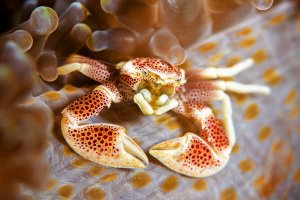
The image shown is a representative illustration and does not depict every individual animal in this category.
Total number of species approx.: 300
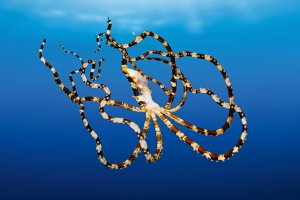
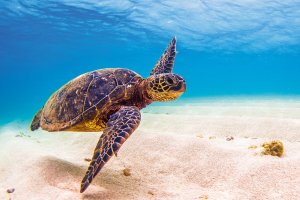
The image shown is a representative illustration and does not depict every individual animal in this category.
Total number of species approx.: 110
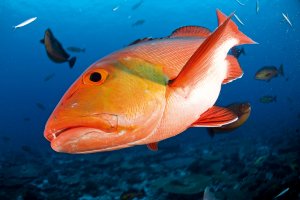
The image shown is a representative illustration and does not depict every individual animal in this category.
Total number of species approx.: 90
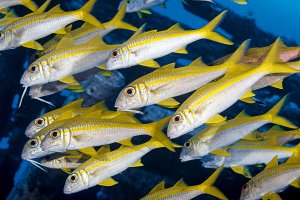
The image shown is a representative illustration and does not depict every individual animal in this category.
Total number of species approx.: 80
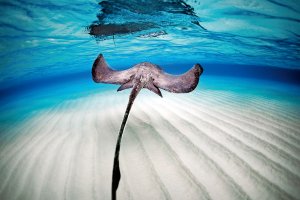
The image shown is a representative illustration and does not depict every individual animal in this category.
Total number of species approx.: 35
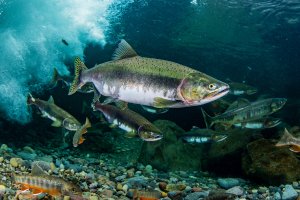
The image shown is a representative illustration and does not depict every individual animal in this category.
Total number of species approx.: 3000
Curated by Interest
Mares
Aqualung
Shutterstock-Zi Magine
Mares-Predrag Vuckovic
Scubapro
Shutterstock-Ethan Daniels
Mares-Predrag Vuckovic
Mares-Bjoern Dorstewit
The SSI Basic Freediver course is your first step into the peaceful, exhilarating world of freediving. During this entry-level program, you will learn how to freedive safely wit...
Show Offer
This certification is recognized worldwide and is the best way to become a qualified diver on an adventure that will last a lifetime. The combination of personalized instruction...
Show Offer
Wreck SpecialtyMany of the best dive sites in the world are on wrecks. Over the course of time, countless sea creatures have conquered these impressive structures as habitats, s...
Show Offer
Love scuba diving? Want to share it with others on a whole new level? Take the Divemaster course and do what you love to do as a career. Scuba divers look up to divemaster's be...
Show Offer
The Diver Stress & Rescue Course is an important step in expanding your knowledge and experience as a diver. You will learn to prepare for unexpected emergencies, and how to avo...
Show Offer
The SSI Diver Stress and Rescue Specialty course is the best course to learn how to protect yourself and other divers. You will learn how to recognize stress, avoid accidents an...
Show Offer
Advanced Wreck SpecialtyMany of the best dive sites in the world are on wrecks. Over the course of time, countless sea creatures have conquered these impressive structures as ha...
Show Offer
This specialty course provides you with the knowledge and advanced skills you need to navigate safely and confidently underwater. You will learn the correct use of the compass, ...
Show Offer
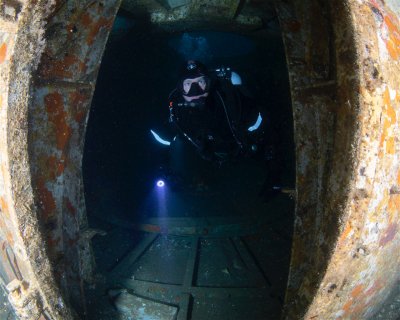
The former Navy Frigate Canterbury F421 now rests in Deep Water Cove near Cape Brett. Upright and intact, she makes for an impressive sight in a great dive location! Divers hit ...
Show Offer
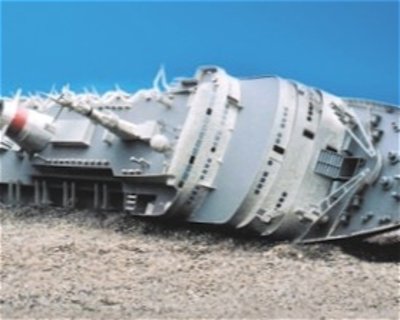
The Rainbow Warrior was Greenpeace’s flagship. On its way to protest France’s nuclear testing on the Mururoa Atoll when it was sunk by French saboteurs on July 10, 1985, in ...
Show OfferRewarding and FunRewarding and fun best describes the Rescue Diver course. This course gives you valuable hands-on experience in emergency management, problem solving and preven...
Show OfferMany freedivers share a passion for diving deeper. The SSI Advanced Freediver program will teach you everything you need to know to increase your average dive time by advancing ...
Show OfferThe SSI Basic Freediver course is your first step into the peaceful, exhilarating world of freediving. During this entry-level program, you will learn how to freedive safely wit...
Show OfferMany freedivers share a passion for diving deeper. The SSI Advanced Freediver program will teach you everything you need to know to increase your average dive time by advancing ...
Show Offer
Wreck SpecialtyMany of the best dive sites in the world are on wrecks. Over the course of time, countless sea creatures have conquered these impressive structures as habitats, s...
Show Offer
The former Navy Frigate Canterbury F421 now rests in Deep Water Cove near Cape Brett. Upright and intact, she makes for an impressive sight in a great dive location! Divers hit ...
Show Offer
The Rainbow Warrior was Greenpeace’s flagship. On its way to protest France’s nuclear testing on the Mururoa Atoll when it was sunk by French saboteurs on July 10, 1985, in ...
Show Offer