Quintana Roo
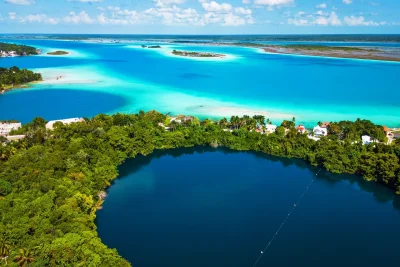
Explore Quintana Roo Quintana Roo is one of Mexico’s 31 states and is located on the east coast of





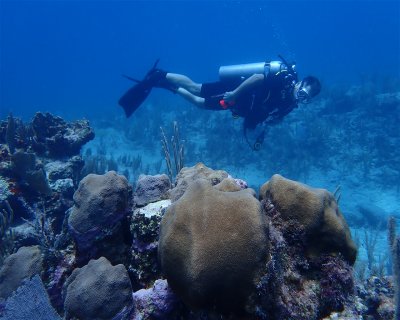
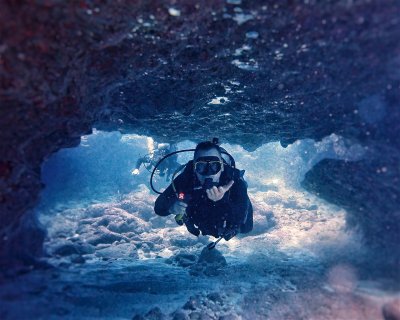
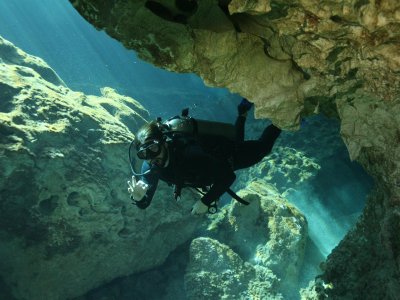
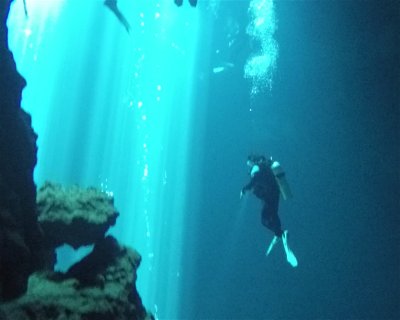
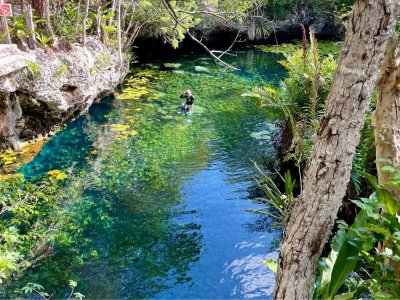
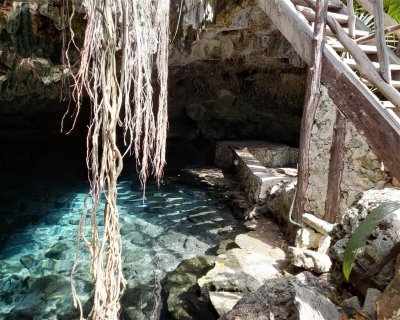
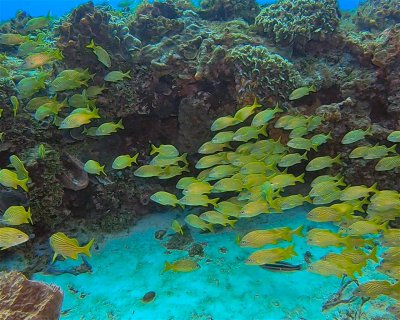
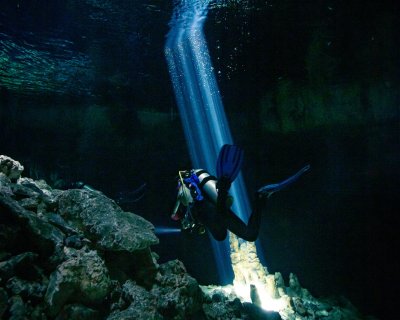
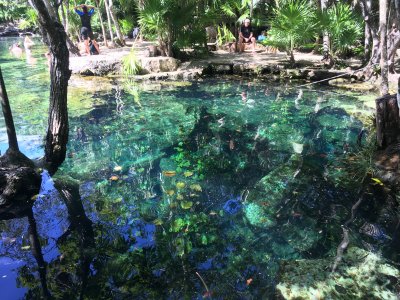
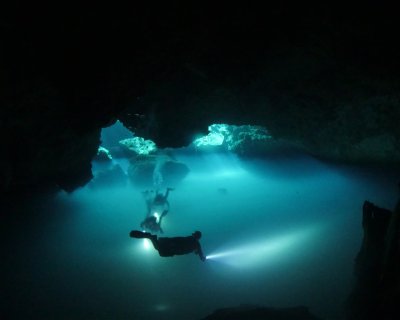
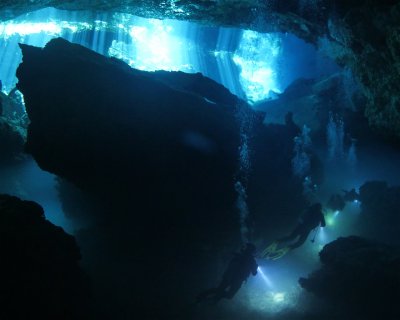
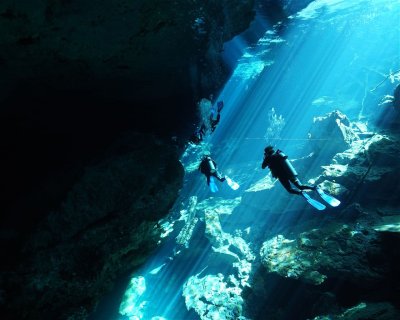
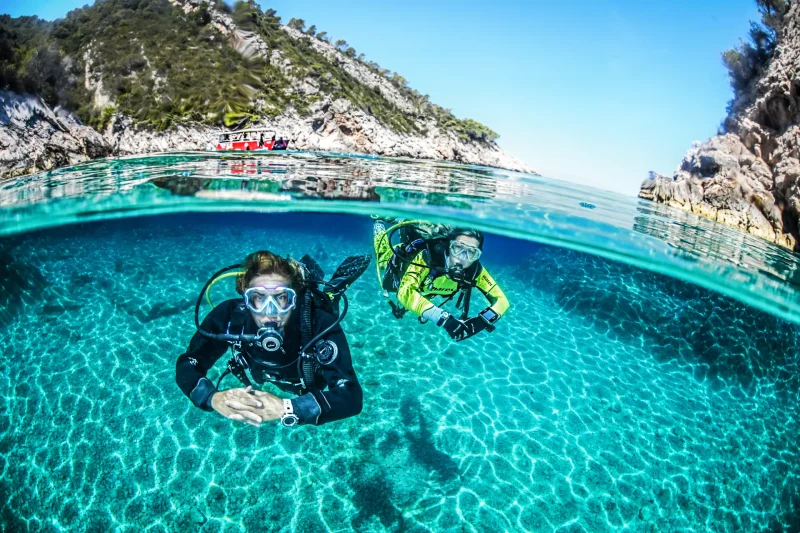
Diving in Mexico offers an extraordinary adventure that stands out in the Western Hemisphere. With its two contrasting coastlines, Mexico presents a diverse underwater world. On the Pacific side, divers are greeted by cooler waters teeming with majestic manta rays, great white sharks, whales, and playful sea lions. In contrast, the Caribbean side boasts warm, clear waters nurturing vibrant coral reefs and attracting both colorful fish and gentle giants like whale sharks and bull sharks, which are prominent attractions at some dive sites. Beyond the shores, Mexico's Yucatan Peninsula reveals another diving marvel: the cenotes. These submerged freshwater caverns are a unique spectacle, offering a once-in-a-lifetime experience with their ethereal beauty and crystal-clear waters. Whether opting for shore dives, boat trips, or liveaboard excursions to remote islands like Socorro and Guadalupe, divers can explore an array of environments. With numerous dive centers throughout the country, enthusiasts can easily find professional guidance to embark on these underwater journeys, ensuring a safe and memorable dive holiday in Mexico.
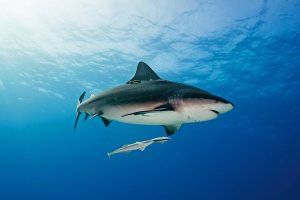
Great white sharks, the rulers of the oceanic food chain, can be found in abundance around Guadalupe Island, 250 kilometers off Mexico’s west coast. These giants use Guadalupe’s waters to hunt for sea lions, but they spend part of the day cruising calmly at a shallow depth. There are governmental rules and restrictions on chumming (putting fish in the water to attract sharks) in Guadalupe, for the good of both divers and sharks.
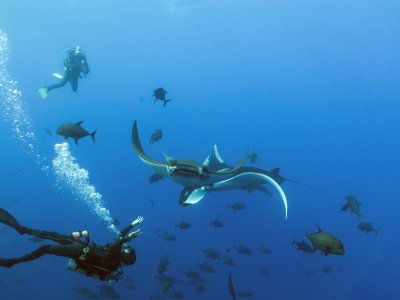
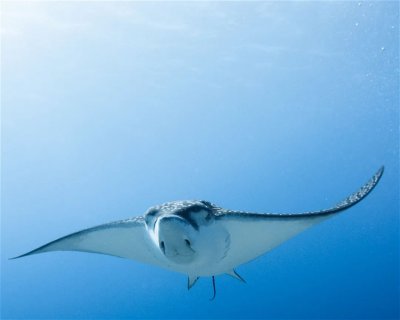
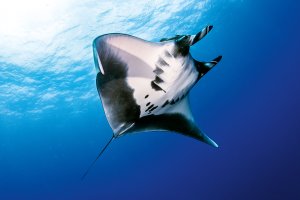
Oceanic manta rays are a dream of many divers, and Socorro island is famous for them. It’s often said that the mantas at Socorro, some reaching seven meters in wingspan, are the friendliest in the whole world. They tend to get close to divers, and often look them in the eye. Socorro and its neighboring islands in the Revillagigedo peninsula are hotspots for big wildlife. The list includes dolphins, whale sharks, humpback whales and hammerheads.
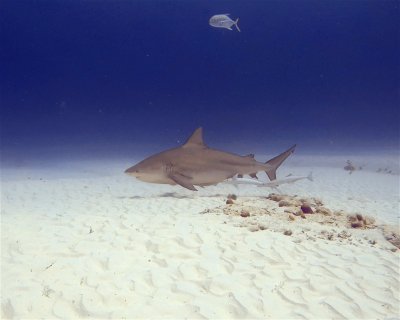
Bull sharks, a mighty and versatile tropical predator, can be seen in Caribbean Playa del Carmen. Female bull sharks use Playa’s shallow blue waters to breed from November to March. Bull shark dives are done without cages, so it’s important that divers stay calm, follow rules, and maintain good buoyancy.
Whale sharks, the biggest fish in the ocean, can be found in abundance near the island of Isla Mujeres off the coast of Cancun. These gentle giants gather every year to feast on the spawn of local fish species. Diving with them is not allowed, but snorkeling is just as good, if not better. The sharks skim the surface with their gaping mouths, and without heavy gear and tanks, snorkelers can more easily swim alongside them.
Saltwater crocodiles are gaining popularity as truly special marine creatures to encounter underwater. These animals are powerful, ancient predators, and snorkeling with them requires caution and guidance from trained operators. However, more and more divers are craving the awe of getting close to these reptiles’ armored bodies and huge jaws. Banco Chinchorro is the place to snorkel with saltwater crocodiles, as they live in the atoll’s mangrove forests and forage in its seagrass beds.
Wildlife Sightings are Based on User Generated Content
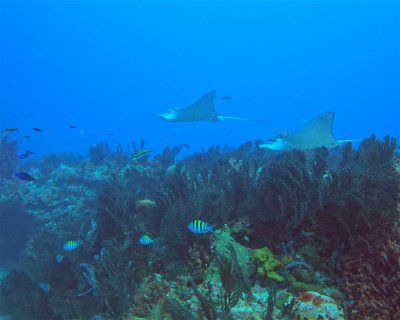
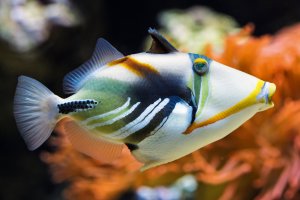
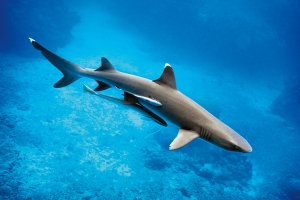
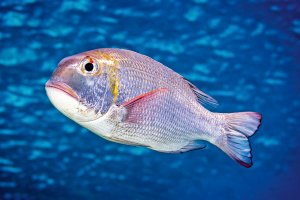
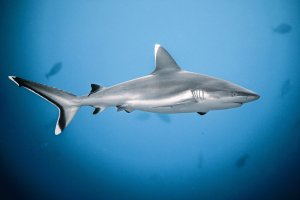
The image shown is a representative illustration and does not depict every individual animal in this category.
Total number of species approx.: 200
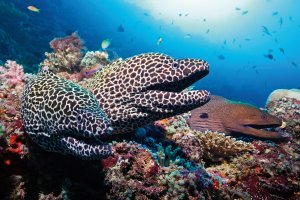
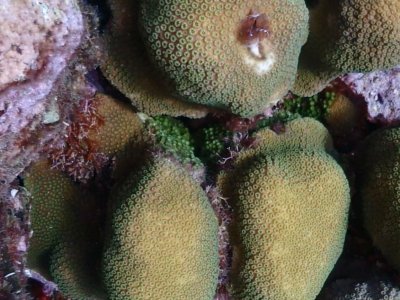
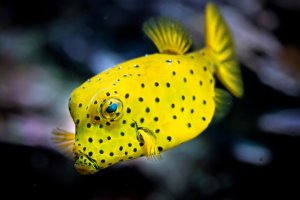
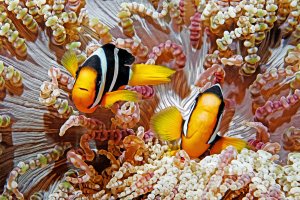
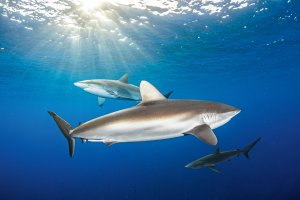
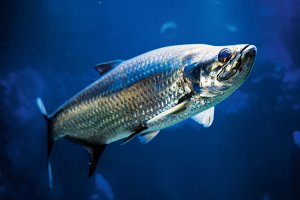
The image shown is a representative illustration and does not depict every individual animal in this category.
Total number of species approx.: 27
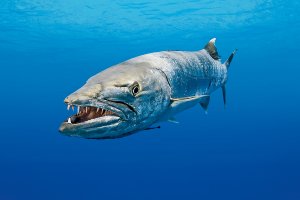
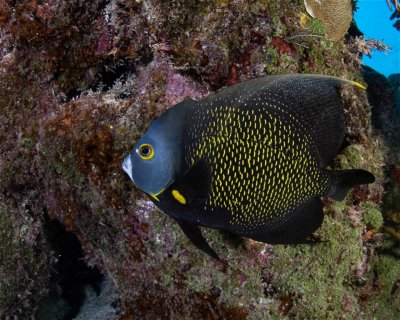
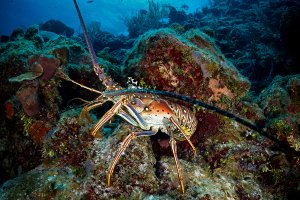
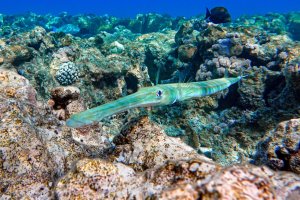
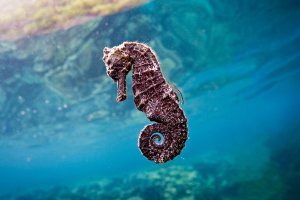
The image shown is a representative illustration and does not depict every individual animal in this category.
Total number of species approx.: 25
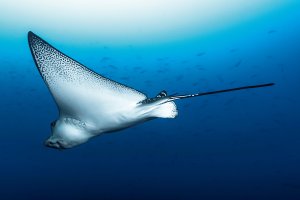
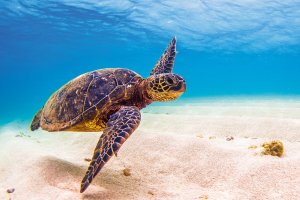
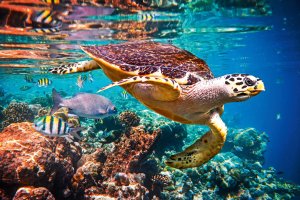
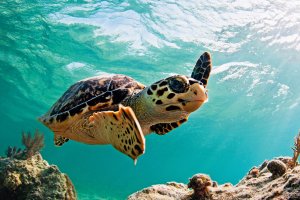
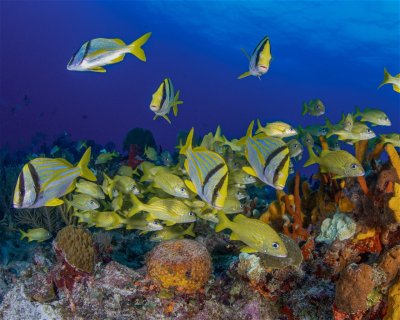
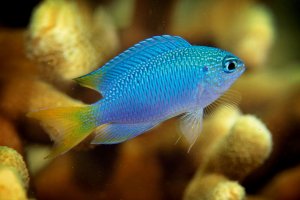
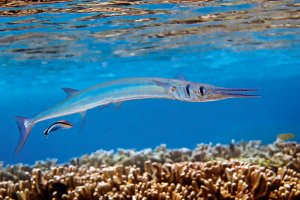
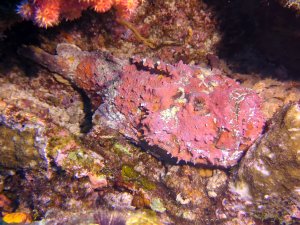
The image shown is a representative illustration and does not depict every individual animal in this category.
Total number of species approx.: 7
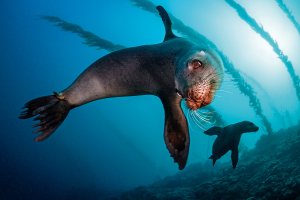
The image shown is a representative illustration and does not depict every individual animal in this category.
Total number of species approx.: 600
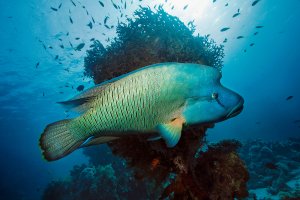
The image shown is a representative illustration and does not depict every individual animal in this category.
Total number of species approx.: 300
Curated by Interest
Mares
Aqualung
Shutterstock-Zi Magine
Mares-Predrag Vuckovic
Scubapro
Shutterstock-Ethan Daniels
Mares-Predrag Vuckovic
Mares-Bjoern Dorstewit
Try Scuba – Discover Diving in Puerto MorelosTake your first breath underwater with Scuba Kraken! The SSI Try Scuba experience is the perfect introduction to scuba diving—no...
Show Offer
Enroll in SSI's Science of Diving specialty to gain a thorough understanding of the underwater world and its effects on the human body. This specialty, which is required for com...
Show OfferWith the Shark Ecology specialty, learn more about these majestic creatures so you can enjoy your time even more when you have the opportunity to dive with them. You can take th...
Show OfferLearn the techniques to master your buoyancy and get more out of every dive. By mastering your buoyancy, you’ll tire less easily and use less air, which means more time underw...
Show Offer
Enjoying a lazy morning, fancy a dive or want to get back into diving ? Afternoon dives are the perfect in playa for all your diving requirements. 2 tanks on our local reefs max...
Show Offer
Book your SSI Open water course with us and receive your Nitrox Level 2 40% absolutely free. All equipment, online materials and training is included. Earn your SSi Op...
Show Offer
Never dived before, want to give it a go and make a splash. Well jump on in to the SSI Basic Diver. The ideal half day program that will get you trying diving for the first time...
Show Offer
This globally recognized certification program is the best way to begin your lifelong adventures as a certified scuba diver. Personalized training is combined with in-water prac...
Show Offer
In the SSI Basic Diver program, you will learn the skills and knowledge you need to try diving up to 12 meters deep with an SSI Professional. It is a great way to explore the un...
Show Offer
Follow up your open water certification with a full day on the reef at Banco Chinchorro.
Show Offer
The SSI Diver Stress and Rescue specialty program teaches you the skills you need to protect yourself and other divers. You will learn how to identify stress, how to prevent...
Show OfferThe SSI Perfect Buoyancy specialty is the best way to improve your buoyancy and get the most from every dive. Buoyancy is an essential dive skill, but any diver will tell yo...
Show Offer
Enroll in SSI's Science of Diving specialty to gain a thorough understanding of the underwater world and its effects on the human body. This specialty, which is required for com...
Show OfferFull DescriptionTake your diving to the next level in the crystal-clear waters of the Caribbean ????This 4-day experience is designed for certified divers who want to expand the...
Show OfferLearn the techniques to master your buoyancy and get more out of every dive. By mastering your buoyancy, you’ll tire less easily and use less air, which means more time underw...
Show Offer
Learn how to organize and plan your deep dives, safe descents, safe navigation, monitoring your depth, air consumption, and your buddy’s air consumption, safe ascent, safety s...
Show Offer
Diving into El Pit is like floating through deep space. The laser-sharp sunbeams piercing through the deep blue and the surreal cloud layer at 30 meters will make you feel like ...
Show Offer
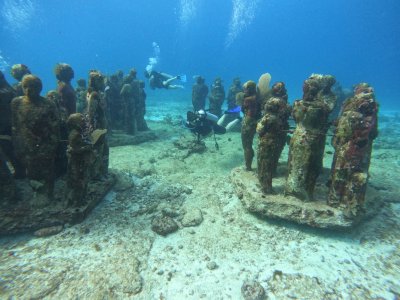
2-tank dive trip, with the first dive at the Underwater Art Museum and the second at the Mancones Reef; morning and afternoon departures. Includes 2 dives, rental of all equipme...
Show Offer
Join us for our 2 Tank excursion to the adventurous playa reefs. Explor the oceans depth between 18-30m (60-100ft) and discover an abundance of life and huge coral structures hi...
Show Offer
Enjoying a lazy morning, fancy a dive or want to get back into diving ? Afternoon dives are the perfect in playa for all your diving requirements. 2 tanks on our local reefs max...
Show OfferWith SSI’s Performance Freediver certification program, you’ll be one step closer to achieving your freediving goals. This program represents the highest level of non-profes...
Show Offer
Enroll in SSI's Science of Diving specialty to gain a thorough understanding of the underwater world and its effects on the human body. This specialty, which is required for com...
Show OfferDon’t know how to swim but want to dive or snorkel? With this intensive program, you’ll learn the basics of swimming so you can feel safe and comfortable in the water and ga...
Show Offer
If you cannot decide which specialty programs are the best choice for you, join the SSI Advanced Open Water Diver program! You will try Deep Diving and Navigation plus a variety...
Show Offer
Join us on a unique adventure from the “Top 10 Most Beautiful Dive Sites in the World” series — a combination of magical cenote dives (crystal-clear water, play of light, ...
Show Offer
Enjoying a lazy morning, fancy a dive or want to get back into diving ? Afternoon dives are the perfect in playa for all your diving requirements. 2 tanks on our local reefs max...
Show Offer
Never dived before, want to give it a go and make a splash. Well jump on in to the SSI Basic Diver. The ideal half day program that will get you trying diving for the first time...
Show Offer
The Revillagigedo Archipelago consists of a group of four volcanic islands in the Pacific Ocean, known for their unique ecosystem. The islands are home to many endemic species o...
Show OfferThis globally recognized certification program is the best way to begin your lifelong adventures as a certified scuba diver. Personalized training is combined with in-water prac...
Show Offer
Come join in on the best diving in the world in the local region of San Carlos, Sonora Mexico. This is a two tank morning or afternoon.
Show Offer
The reefs around Mahahual offer superb Costa Maya diving. Not only are the reefs healthy, but the topography varies dramatically from walls to canyons to coral gardens. A wide v...
Show Offer
In the SSI Basic Diver program, you will learn the skills and knowledge you need to try diving up to 12 meters deep with an SSI Professional. It is a great way to explore the un...
Show Offer
Spend one day exploring Banco Chinchorro with 3 dives and one day along the local Mahahual Reef with 2 dives.
Show Offer
If you cannot decide which specialty programs are the best choice for you, join the SSI Advanced Open Water Diver program! You will try Deep Diving and Navigation plus a variety...
Show Offer
Dive safely—knowing where you are during a dive and where you need to go is important for making the most of your bottom time and tank air by exploring the best spots at a div...
Show OfferWith the Shark Ecology specialty, learn more about these majestic creatures so you can enjoy your time even more when you have the opportunity to dive with them. You can take th...
Show Offer
Scbua Diving for Certified Divers by boat to the Island Roqueta including Dive Guide and rental equipment
Show Offer
Diving into El Pit is like floating through deep space. The laser-sharp sunbeams piercing through the deep blue and the surreal cloud layer at 30 meters will make you feel like ...
Show Offer
2-tank dive trip, with the first dive at the Underwater Art Museum and the second at the Mancones Reef; morning and afternoon departures. Includes 2 dives, rental of all equipme...
Show Offer
Join us for our 2 Tank excursion to the adventurous playa reefs. Explor the oceans depth between 18-30m (60-100ft) and discover an abundance of life and huge coral structures hi...
Show Offer
Banco Chinchorro is a UNESCO Biosphere Reserve that protects a diverse array of habitats - from mangrove forests to sandy bottoms to vibrant coral reefs. The national park is ho...
Show Offer
Spend one day exploring Banco Chinchorro with 3 dives and one day along the local Mahahual Reef with 2 dives.
Show Offer
Follow up your open water certification with a full day on the reef at Banco Chinchorro.
Show Offer
Two cave dives with crystal-clear water, a halocline, and underwater clouds of tannic acid. Spectacular caves and passages. El Pit is an iconic cenote known worldwide.
Show Offer
If you cannot decide which specialty programs are the best choice for you, join the SSI Advanced Open Water Diver program! You will try Deep Diving and Navigation plus a variety...
Show Offer
Enroll in SSI's Science of Diving specialty to gain a thorough understanding of the underwater world and its effects on the human body. This specialty, which is required for com...
Show Offer
Discover the creatures that come out at night on the reefs and sandbars—an interesting and exciting adventure
Show Offer
Dive safely—knowing where you are during a dive and where you need to go is important for making the most of your bottom time and tank air by exploring the best spots at a div...
Show OfferLearn the techniques to master your buoyancy and get more out of every dive. By mastering your buoyancy, you’ll tire less easily and use less air, which means more time underw...
Show Offer
Learn and earn online or combine with a nudibranch diving tourNudibranch Ecology
Show Offer
Learn how to organize and plan your deep dives, safe descents, safe navigation, monitoring your depth, air consumption, and your buddy’s air consumption, safe ascent, safety s...
Show Offer
Join us to visit these wonderful sharks in their natural habitat—we’ll take you from Cancun to the dive site known as Shark Point in Playa del Carmen. The tour includes roun...
Show Offer
Deep dive at Chunzumbul Reef, 26 meters. A reef teeming with marine life and large fish.
Show Offer
Scbua Diving for Certified Divers by boat to the Island Roqueta including Dive Guide and rental equipment
Show OfferTry 5 Adventure dives from the Specialty courses and earn the Advanced Open Water. You still can complete the full specialty later on.
Show Offer
Learn how to organize and plan your deep dives, safe descents, safe navigation, monitoring your depth, air consumption, and your buddy’s air consumption, safe ascent, safety s...
Show Offer
Diving into El Pit is like floating through deep space. The laser-sharp sunbeams piercing through the deep blue and the surreal cloud layer at 30 meters will make you feel like ...
Show Offer
2-tank dive trip, with the first dive at the Underwater Art Museum and the second at the Mancones Reef; morning and afternoon departures. Includes 2 dives, rental of all equipme...
Show Offer
Join us for our 2 Tank excursion to the adventurous playa reefs. Explor the oceans depth between 18-30m (60-100ft) and discover an abundance of life and huge coral structures hi...
Show Offer
Never dived before, want to give it a go and make a splash. Well jump on in to the SSI Basic Diver. The ideal half day program that will get you trying diving for the first time...
Show Offer
The reefs around Mahahual offer superb Costa Maya diving. Not only are the reefs healthy, but the topography varies dramatically from walls to canyons to coral gardens. A wide v...
Show Offer
Banco Chinchorro is a UNESCO Biosphere Reserve that protects a diverse array of habitats - from mangrove forests to sandy bottoms to vibrant coral reefs. The national park is ho...
Show Offer
Join us on a unique adventure from the “Top 10 Most Beautiful Dive Sites in the World” series — a combination of magical cenote dives (crystal-clear water, play of light, ...
Show Offer
Minimum Requirement: Advanced Open Water certification OR a minimum of 25 logged dives.Join us for two thrilling deep dives! Experience an incredible vertical descent to a maxim...
Show Offer
An Overhead DPV (Diver Propulsion Vehicle) course teaches divers how to safely and effectively use scooters in cave or other overhead environments, where speed, distance, and co...
Show Offer
A Cave Multi-Stage course develops the skills needed to plan and conduct cave dives using multiple stage or decompression cylinders, extending both range and duration beyond sta...
Show OfferThe SSI Extended Range Trimix training program is the core program that all other open-circuit programs build on. This program is the start of your exciting journey to become an...
Show Offer
✨ Experience the Sea of Cortez: The Aquarium of the World ✨Imagine diving in one of the planet’s most fascinating marine sanctuaries: the Sea of Cortez, named “The Aquar...
Show Offer