>

Norway

Divesites
27
Centers
5
Courses & Events
28
Wildlife
4

Explore Norway

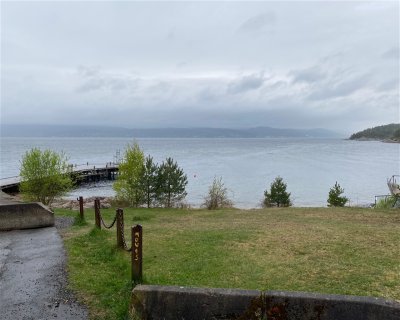
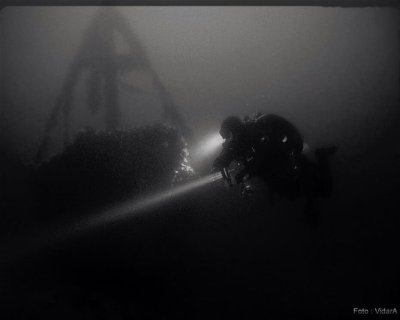
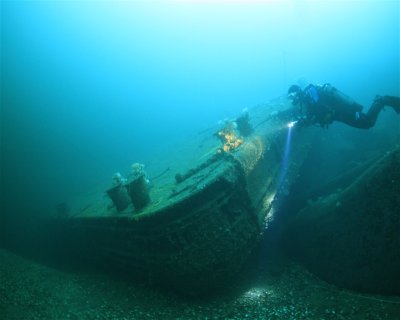
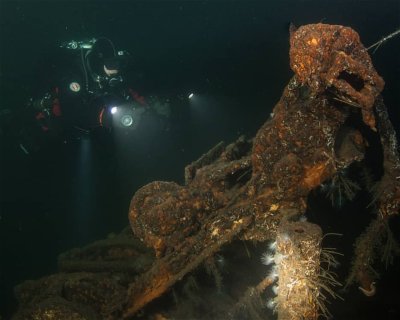
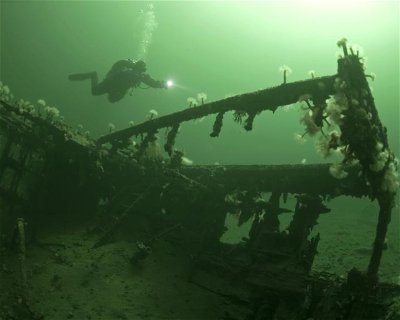
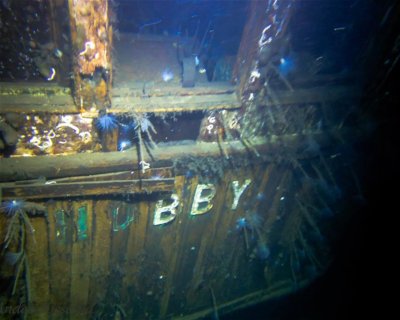
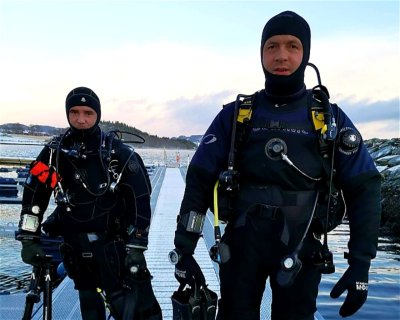
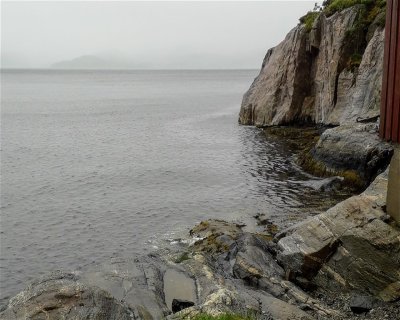
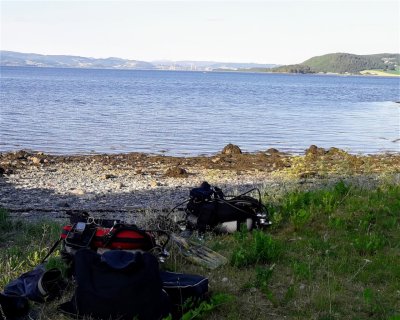
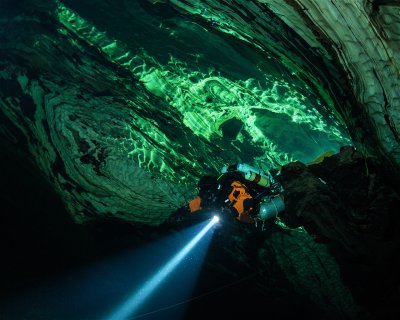
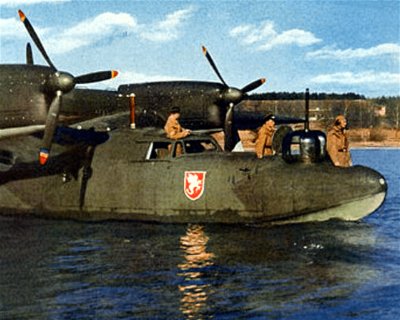
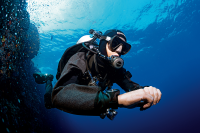
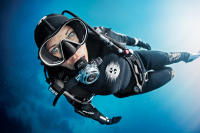
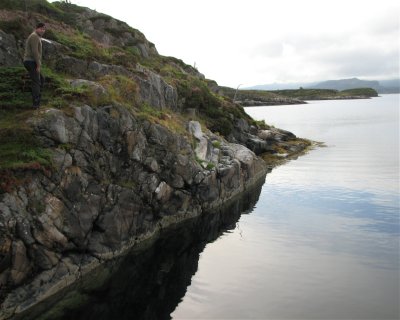
Diving in Norway is a study in contrasts: kelp forests and cold-water coral gardens sway beside sheer fjord walls and dramatic wrecks, creating rich habitats for species like wolf fish, Atlantic cod, scallops, anemones and colorful soft corals. Visibility can vary from a few meters in nutrient-rich fjords to clear waters in coastal currents; seasonal plankton blooms bring juvenile fish and manta-like aggregations of jellyfish that delight photographers. Many sites feature steep walls, caverns and historic shipwrecks accessible from both shore and boat, offering varied topography for all skill levels.

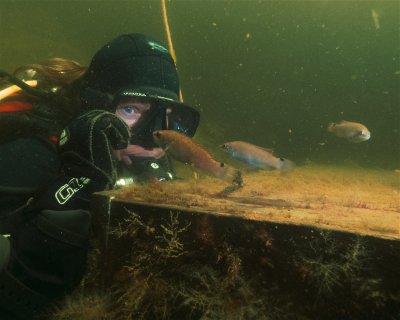
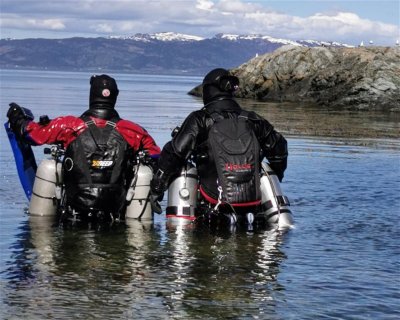
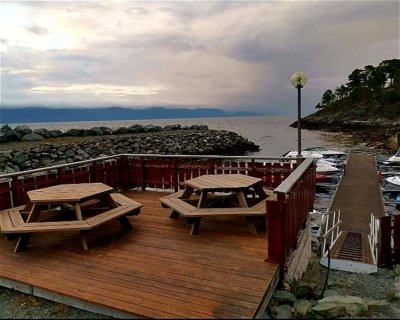
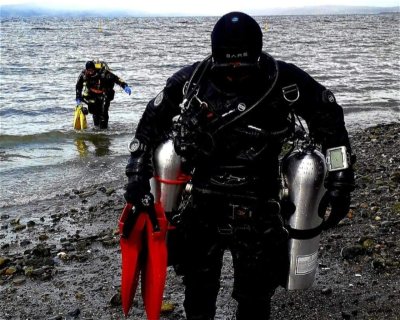
Typical dives include easy shore entries along sheltered bays, short boat hops to offshore reefs, and liveaboard-style excursions for remote northern archipelagos. In summer the midnight sun extends dive hours and brings warmer surface layers, while winter offers dramatic light, fewer crowds and the chance to combine diving with northern-lights viewing. Surprising for many visitors is how vibrant life is in cold water: species are often long-lived and oddly sculpted, giving Norway a unique, almost otherworldly appeal for adventurous divers.


Power Plug Type
C, F
Payment Method
AMEX, DIS, JCB, Cir, Plus
Airports
BGO, OSL, TOS, TRD, SVG
Currency
NOK
Dial Code
+47
Electricity
230V
Time
UTC +1

Courses and Events

Blue Oceans

Are you concerned about the state of our oceans and want to make a difference? Look no further than SSI’s Blue Oceans program. As the world faces the challenges of plastic pollution, climate change, and overfishing, it’s more important than ever to take action and protect our oceans.Join the Blue Oceans MovementThe Blue Oceans program is a comprehensive, free educational resource that anyone can access.Whether you’re an experienced diver or a beginner, you can benefit from the program’s four core topics and learn about the challenges facing our oceans. Plus, with the program’s emphasis on sustainability and responsibility, you’ll develop the skills and knowledge needed to protect and preserve our ocean home for generations to come.By joining the Blue Oceans movement, you’ll gain access to resources and tools that will help you become a sustainable diver and a responsible citizen.You’ll learn about the impact of human activities on our oceans and discover ways to minimize that impact. You’ll also learn about the importance of protecting marine ecosystems and the role they play in sustaining life on our planet.Protect Our Oceans for Future GenerationsAs a diver, you have a unique connection to the underwater world. You’ve experienced the beauty and wonder of coral reefs, the majesty of sharks, and the diversity of marine life. But with that connection comes a responsibility to protect the ocean for future generations.By participating in the Blue Oceans program, you’ll gain the knowledge and skills to become an ocean protector and advocate. You’ll learn about the threats facing our oceans and how you can take action to protect them.You’ll also learn about the benefits of marine protected areas and how they can help conserve marine ecosystems.Small Actions, Big Impact: How You Can Make a DifferenceYou might be wondering, "What can I do to help? I’m just one person." But small actions can have a big impact. By making small changes in your daily life, you can help protect our oceans and preserve them for future generations.Here are some simple actions you can take:Reduce your plastic consumption by using reusable bags, water bottles, and containers.Dispose of waste properly and recycle whenever possible.Choose sustainable seafood options and avoid shark fin soup.Support organizations that are working to protect our oceans, such as the Blue Oceans Foundation.By taking these small actions, you’ll contribute to the larger effort of ocean conservation. You’ll also inspire others to take action and create a ripple effect of change.In conclusion, the Blue Oceans program is an excellent starting point for anyone who wants to become an ocean protector and advocate. By joining the Blue Oceans movement, you’ll gain access to resources and tools that will help you become a sustainable diver and a responsible citizen. You’ll learn about the impact of human activities on our oceans and discover ways to minimize that impact. Together, we can protect our oceans and preserve them for future generations.
13 February +56 More
EUR 0.09
NOK 1.00

Dive Centers

Dive Sites

Top Wildlife Sightings in Norway

Norway’s coastal waters host diverse marine life. Common reef fish include ballan wrasse, corkwing wrasse, pollack and various gobies; kelp forests hide clingfish and scorpionfish. In northern fjords you’ll also find cod, haddock and large schools of saithe—encounter likelihood is high in rocky, kelp-rich sites.

Seasonal highlights: basking sharks and porbeagles may appear in summer off southern and western coasts, while rays (thornback and blonde) are seen year-round in sheltered bays. Sea turtles are very rare; whale and seal sightings are common, especially in spring and autumn migrations.

Wildlife Sightings are Based on User Generated Content

The image shown is a representative illustration and does not depict every individual animal in this category.

Total number of species: 55

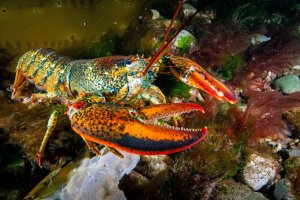
Lobster

468 Sightings
J
4
F
0
M
0
A
8
M
12
J
58
J
95
A
116
S
63
O
69
N
39
D
4

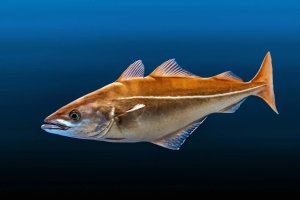
The image shown is a representative illustration and does not depict every individual animal in this category.

Total number of species: 7000

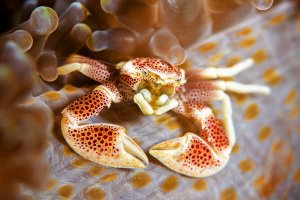
Crab

351 Sightings
J
9
F
12
M
5
A
1
M
33
J
38
J
71
A
62
S
36
O
54
N
30
D
0

The image shown is a representative illustration and does not depict every individual animal in this category.

Total number of species: 120

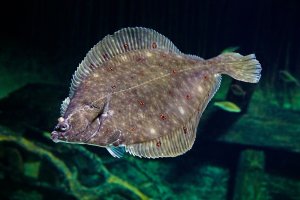
Flounder

91 Sightings
J
0
F
7
M
4
A
5
M
16
J
6
J
14
A
16
S
13
O
5
N
4
D
1

The image shown is a representative illustration and does not depict every individual animal in this category.

Total number of species: 2

Pollock

37 Sightings
J
0
F
0
M
2
A
0
M
0
J
0
J
3
A
14
S
2
O
15
N
0
D
1