Cyclades
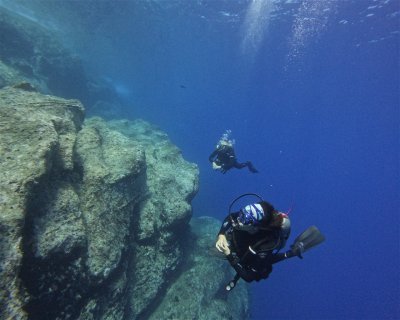
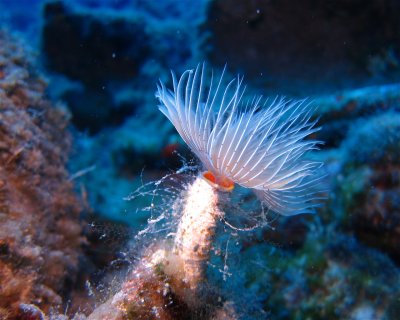
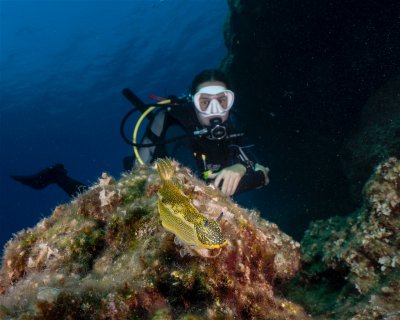
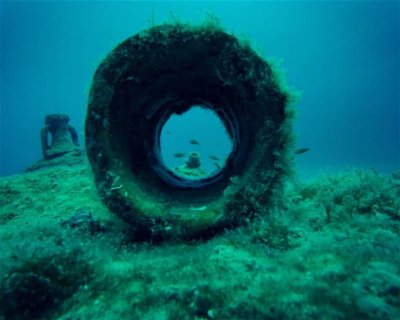
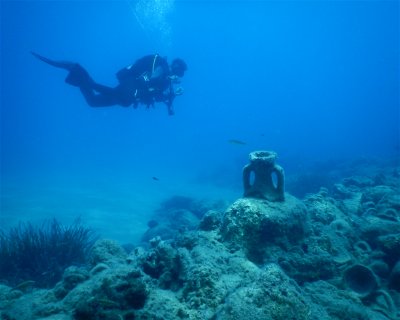
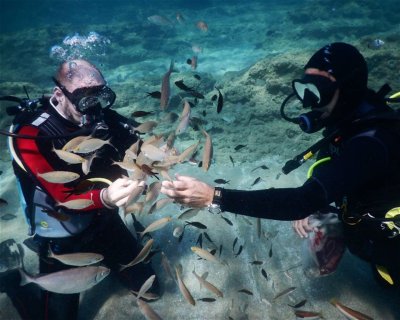
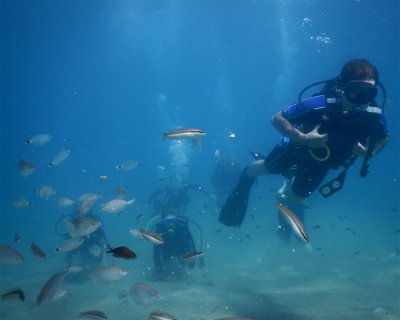
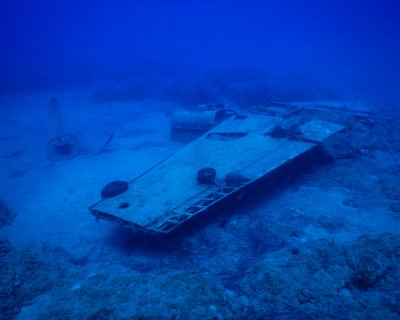
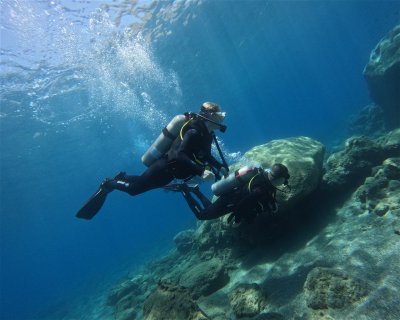
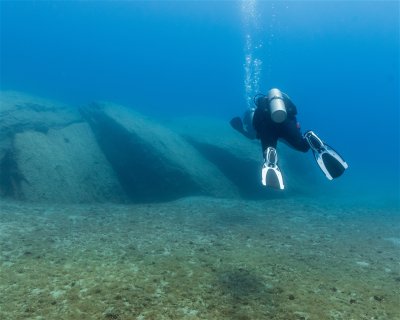
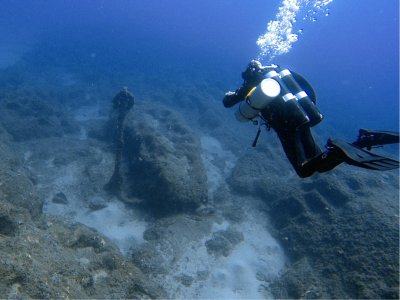
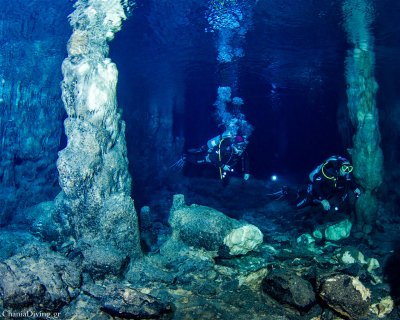
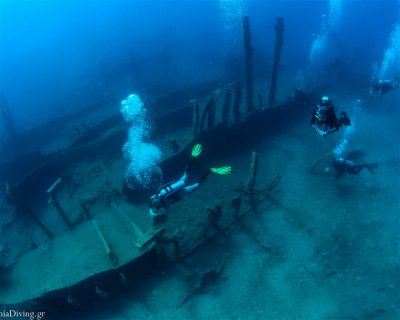
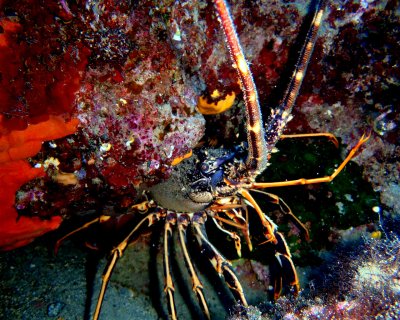
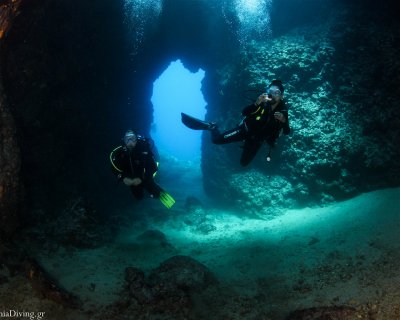
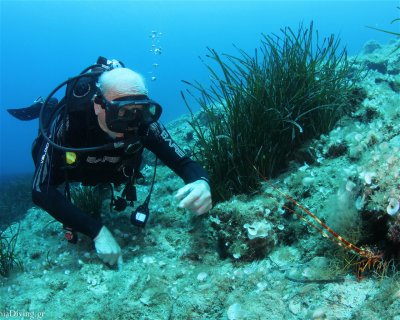
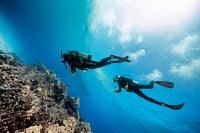
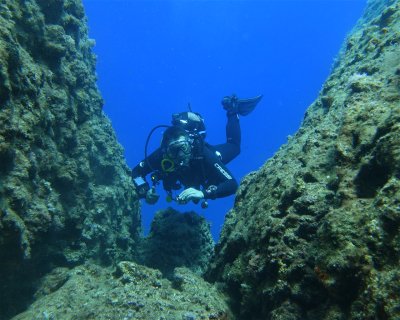
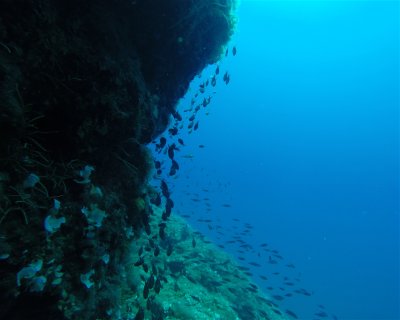
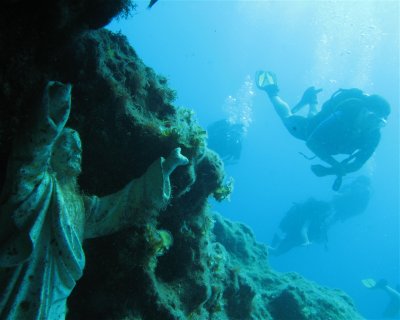
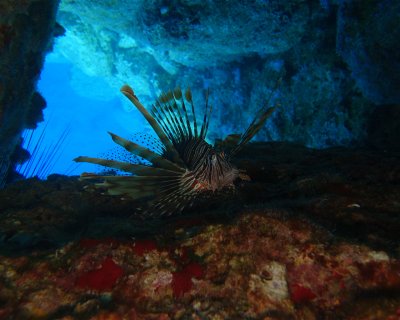
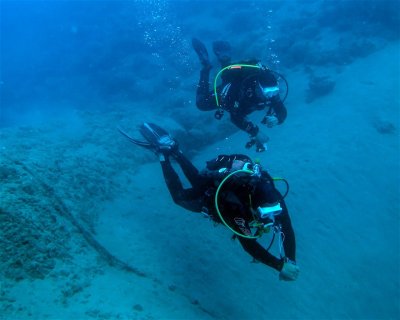
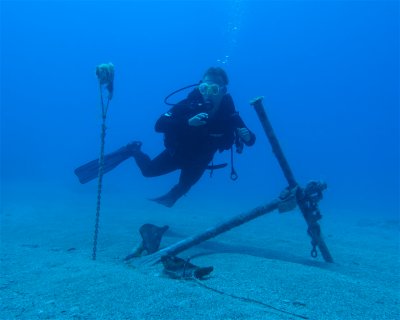
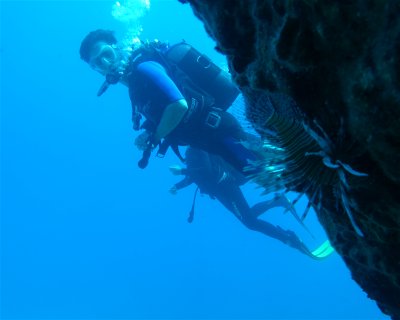
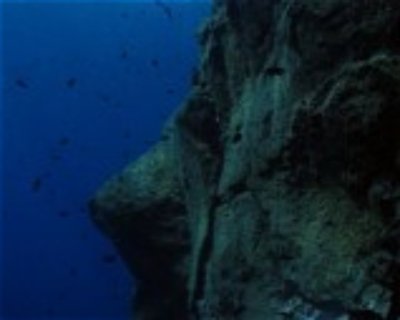
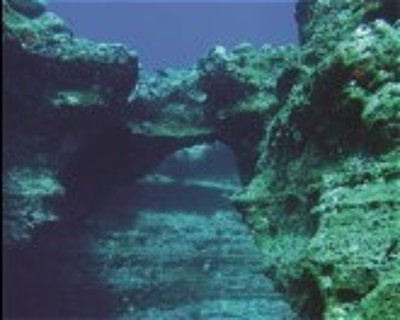
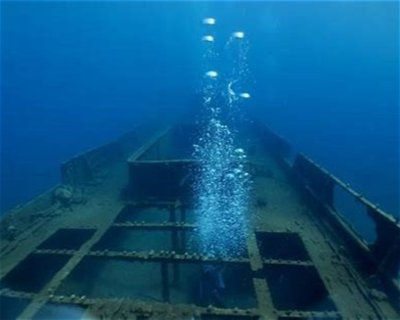
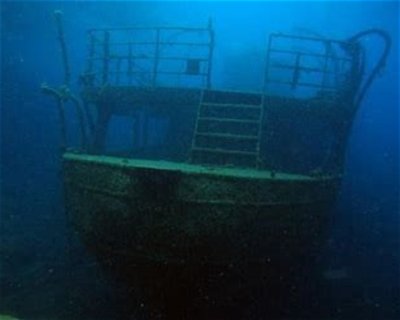
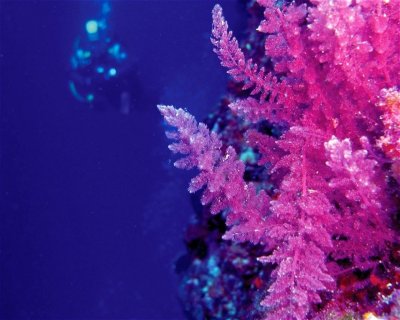
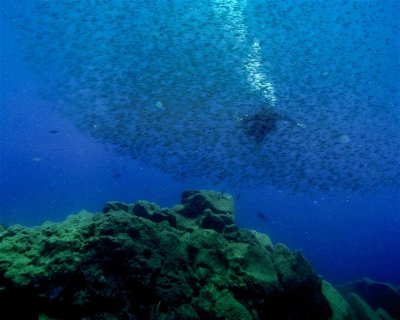
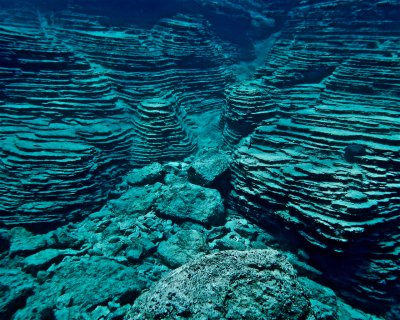
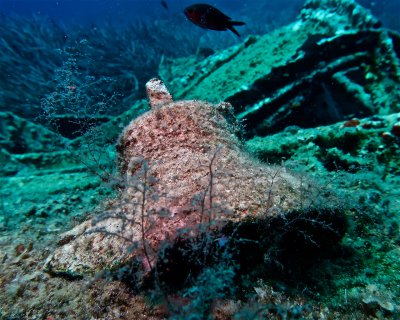
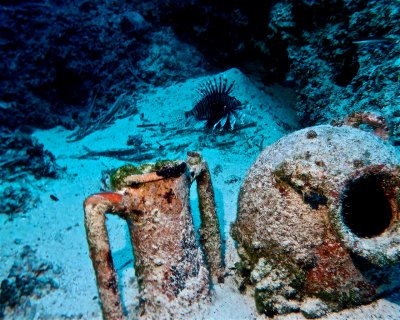
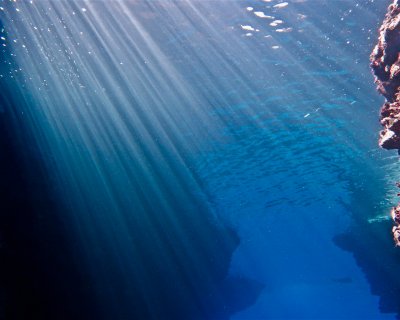
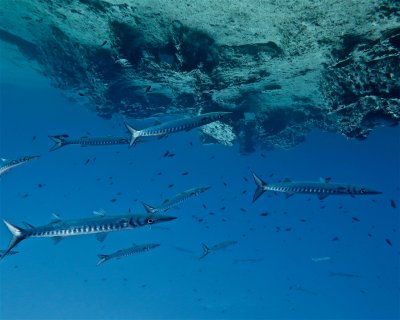
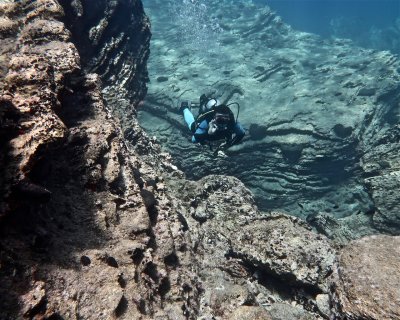
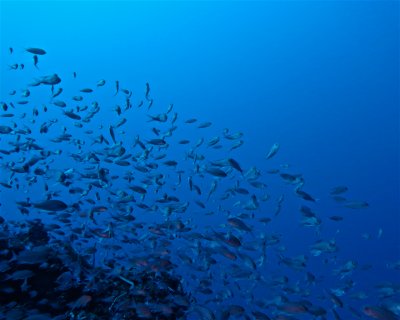
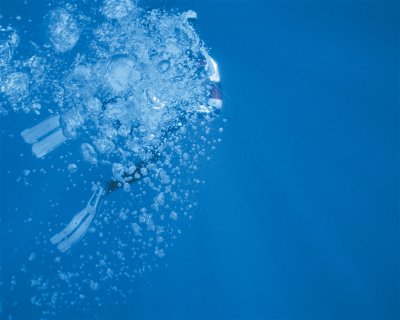
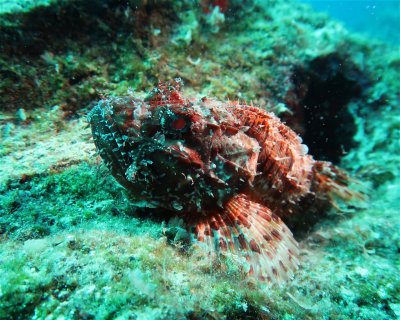
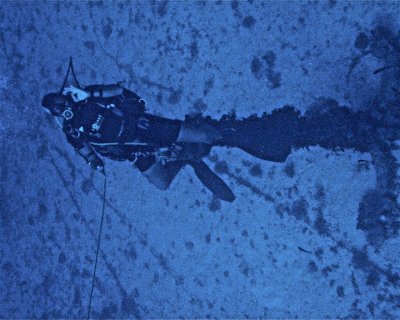
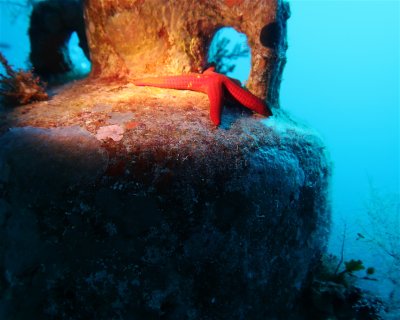
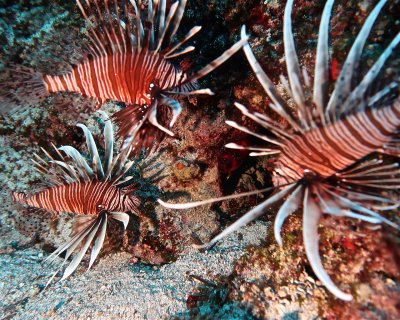
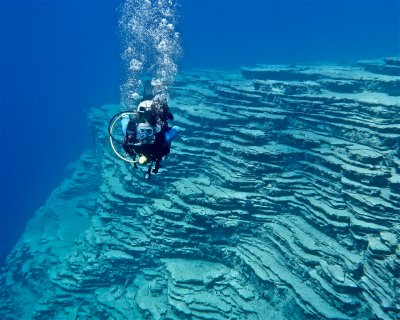
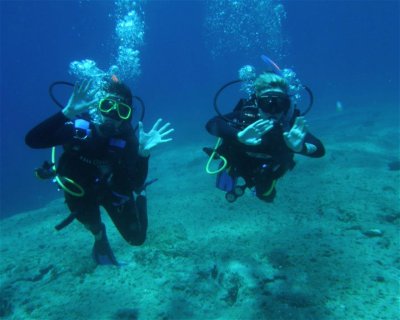
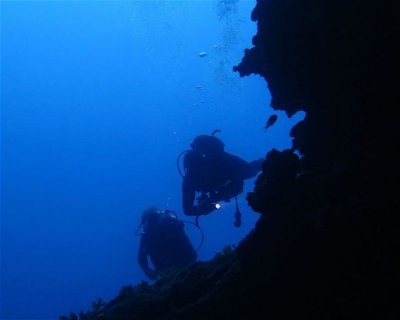
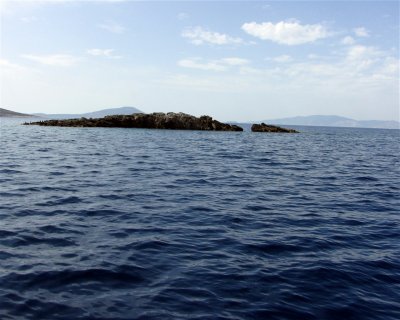
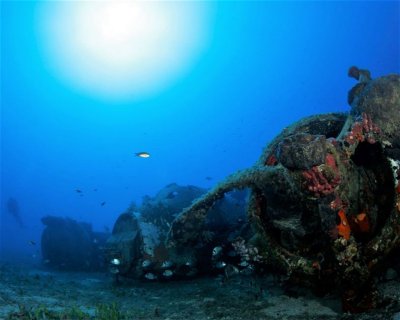
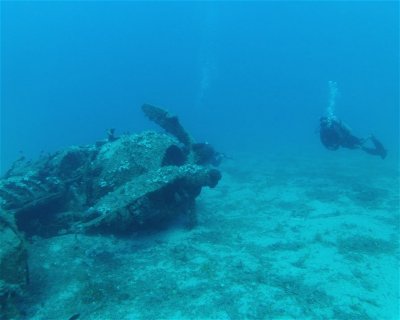
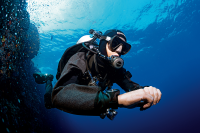
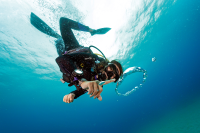
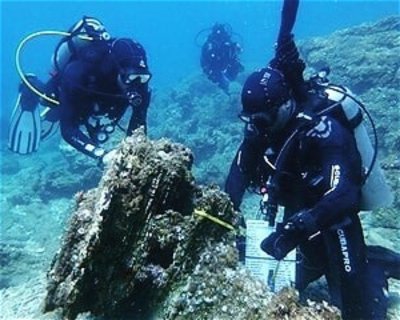
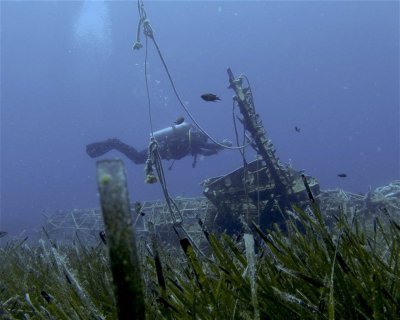
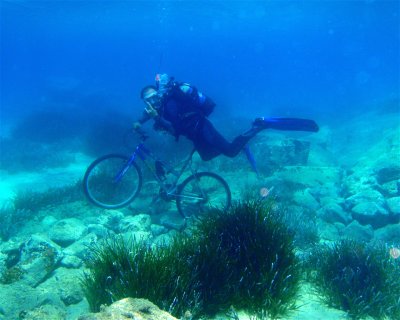
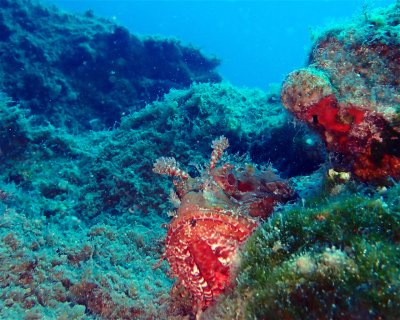
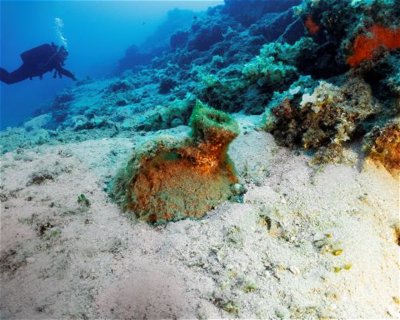
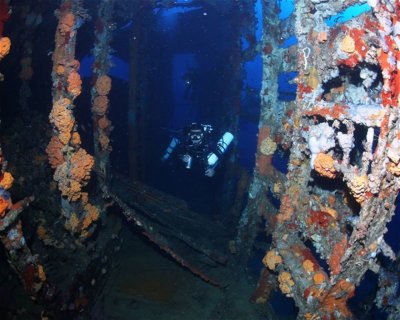
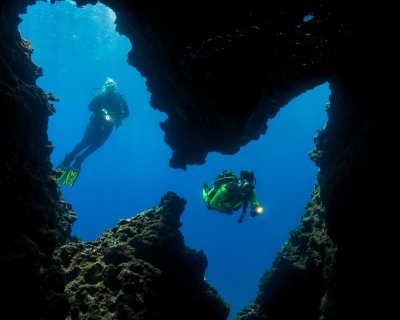
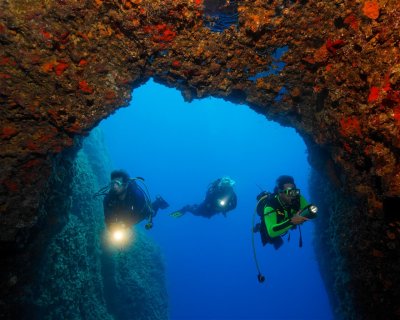
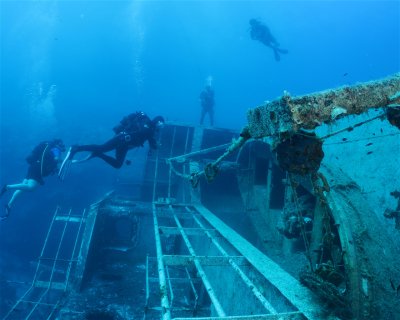
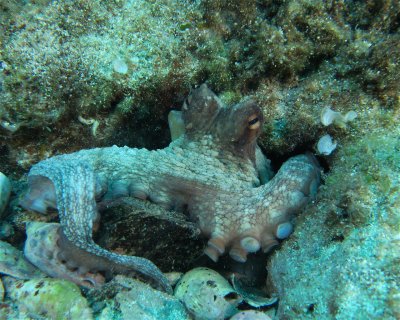
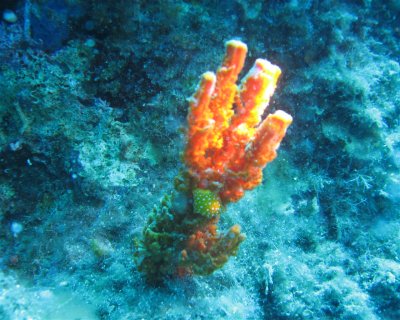
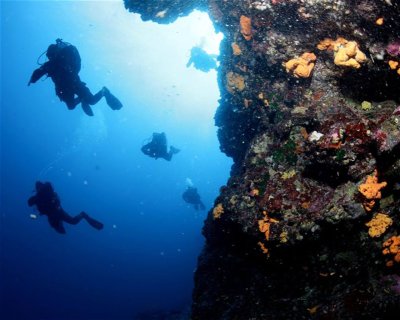
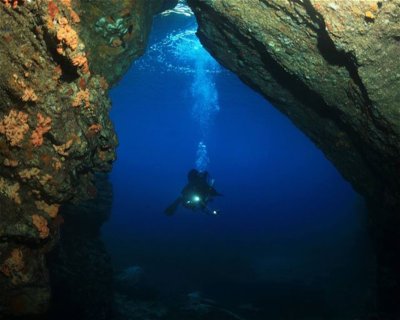
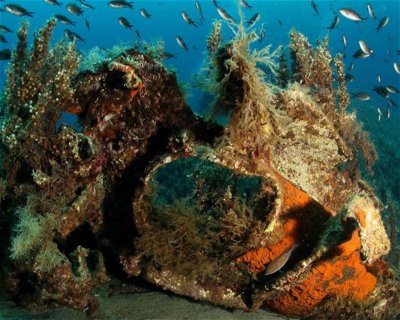
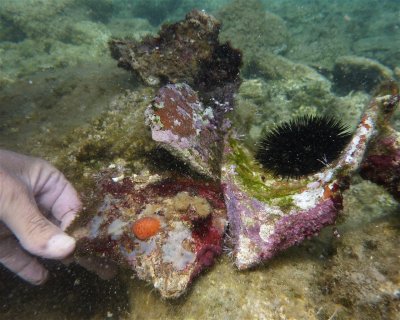
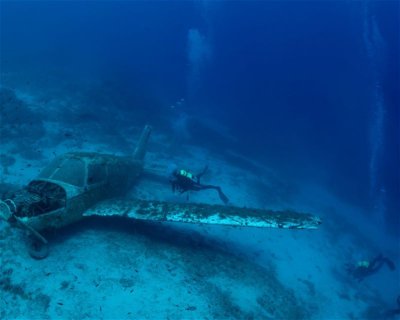
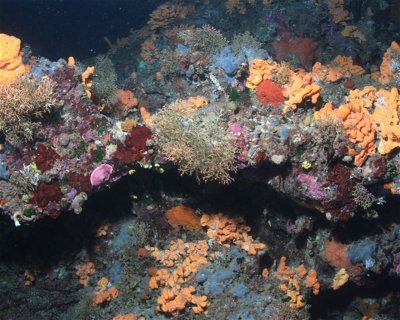
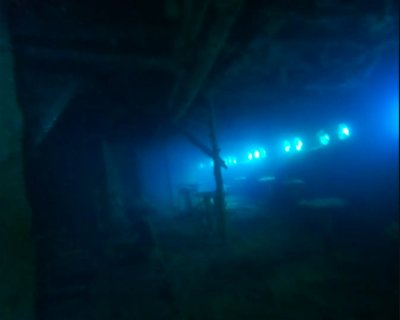
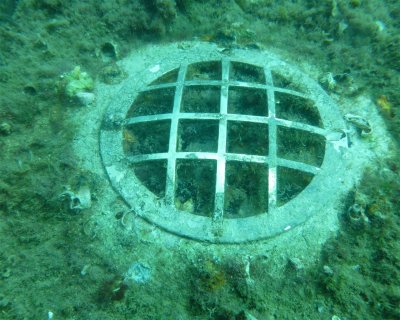
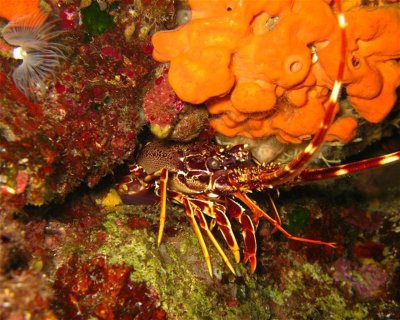
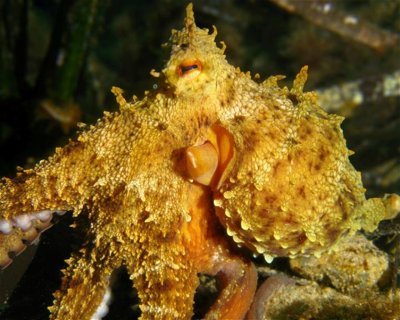
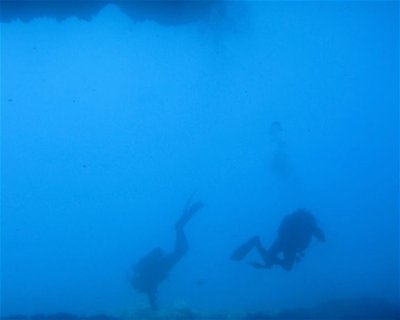
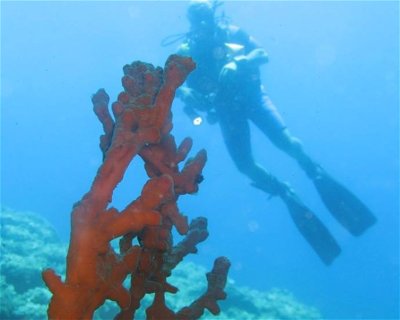
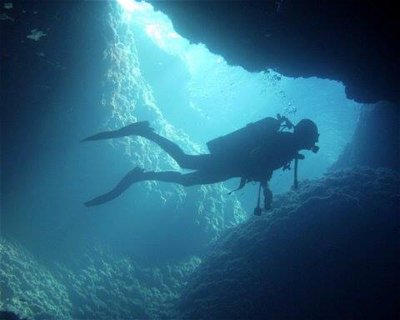
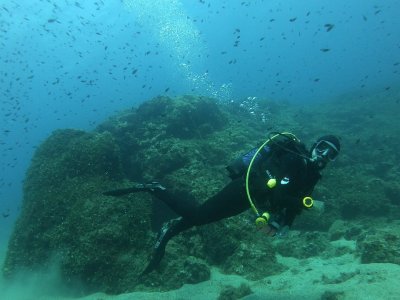
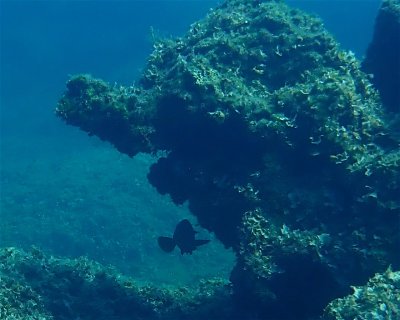
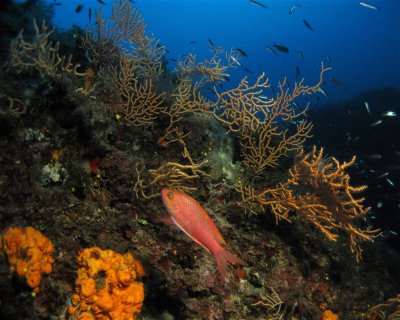
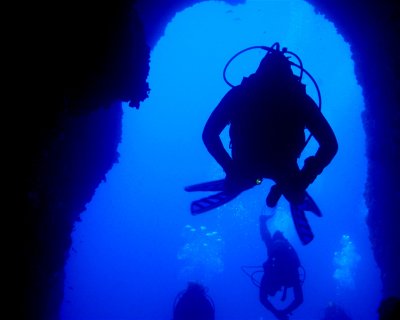
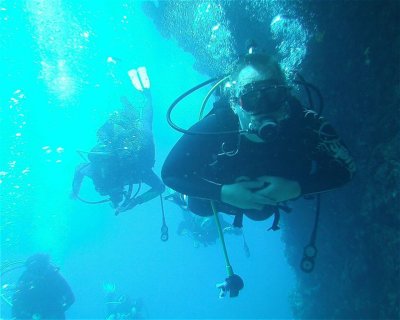
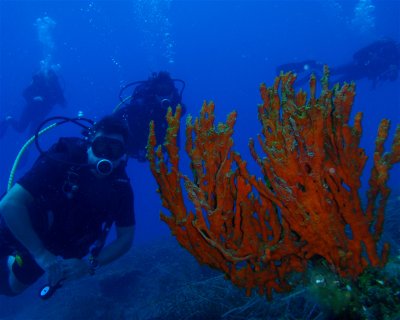
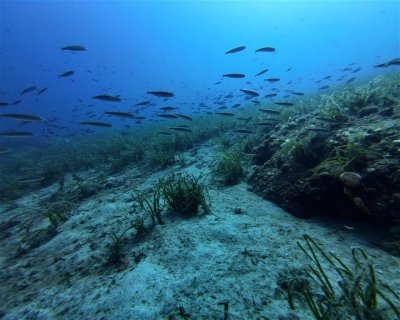
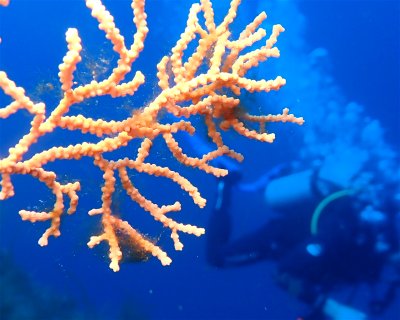
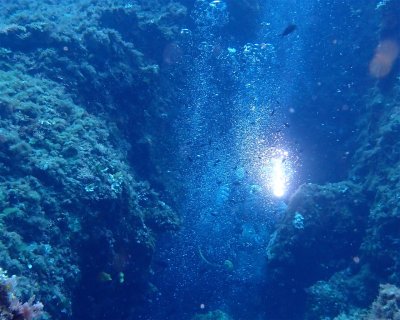
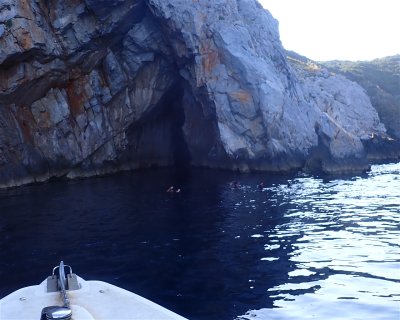
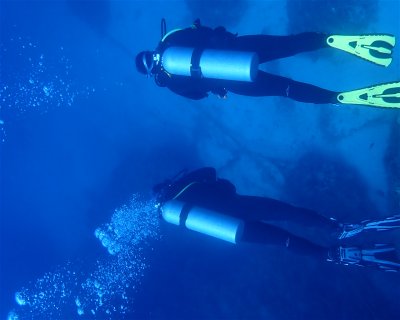
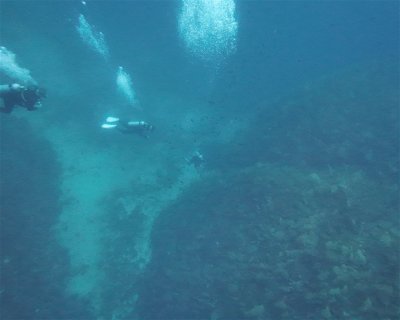
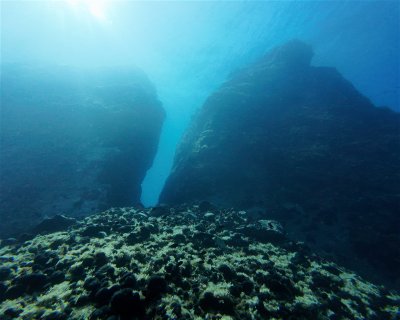
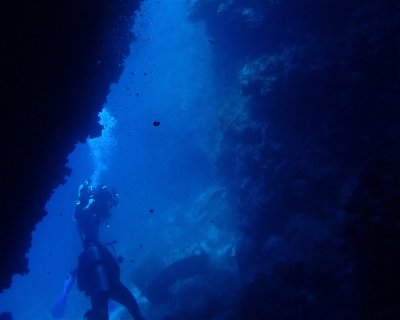
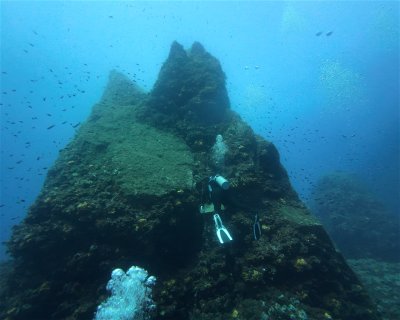
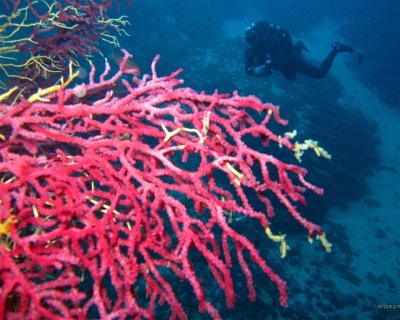
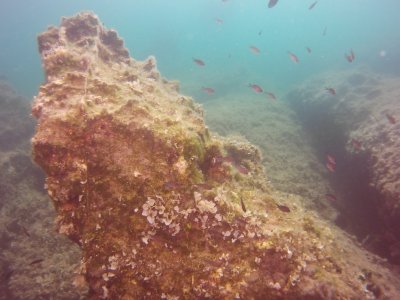
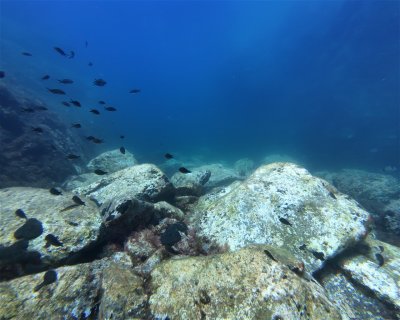
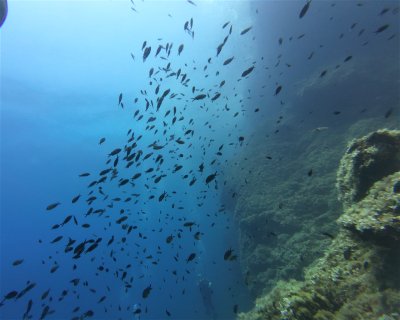
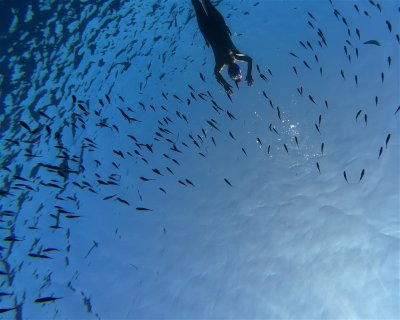
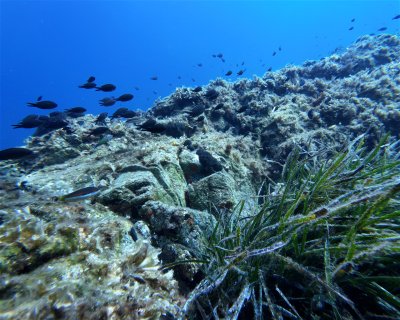
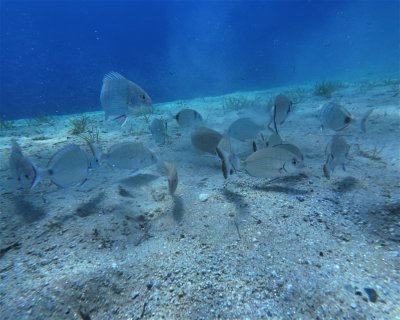
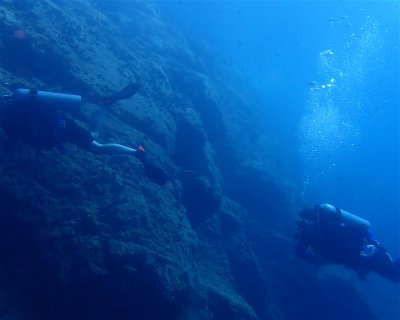
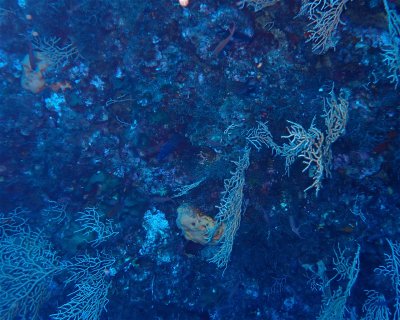
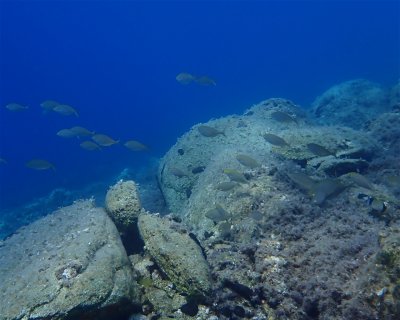
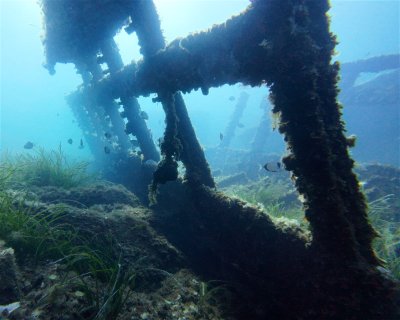
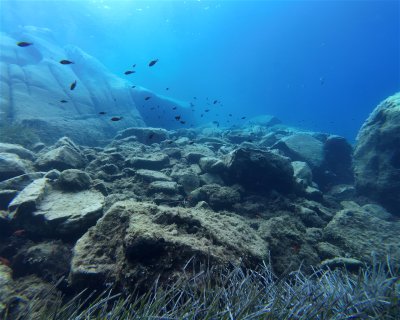
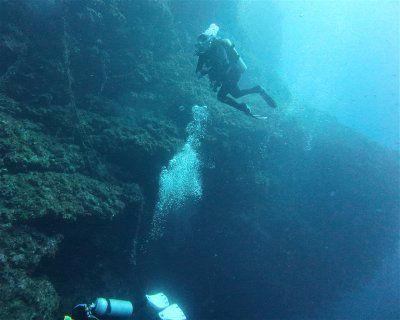
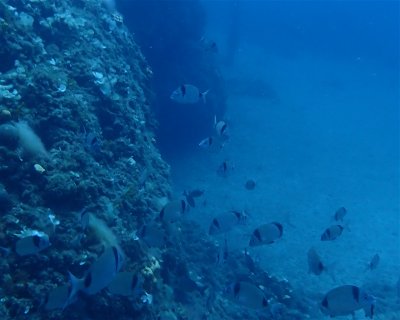
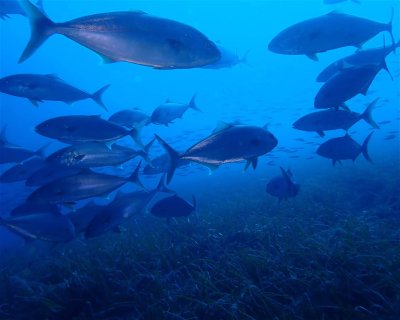
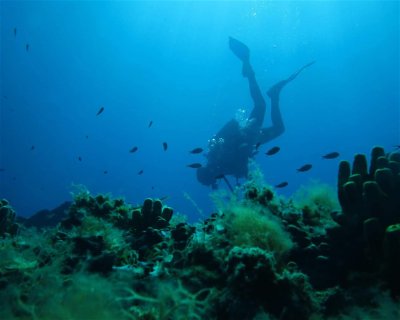
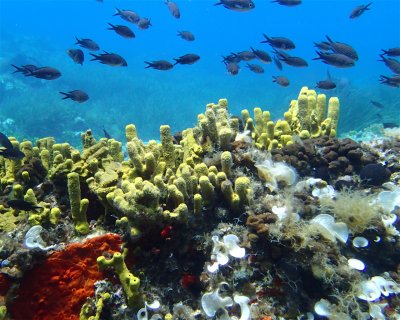
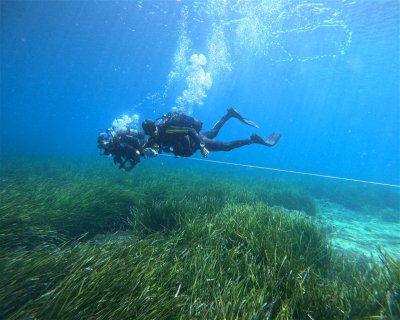
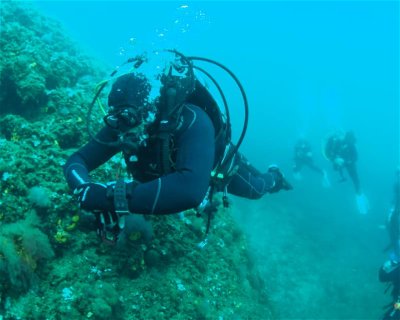
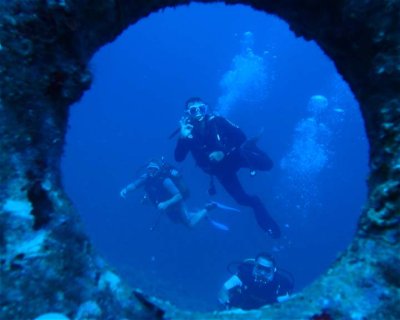
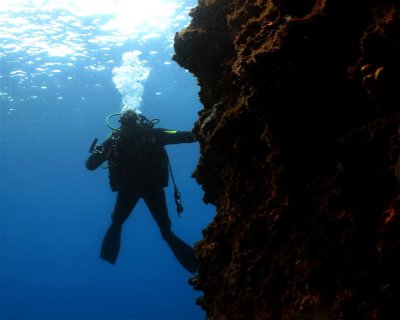
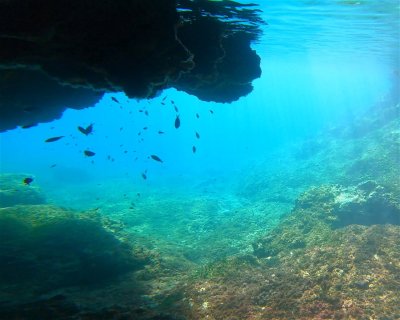
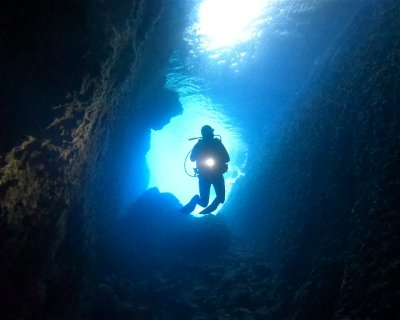
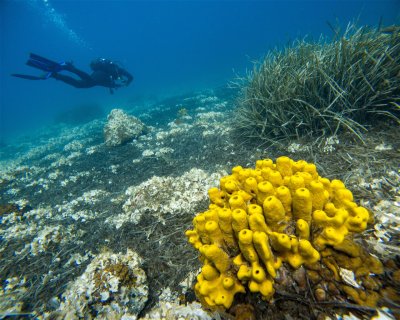
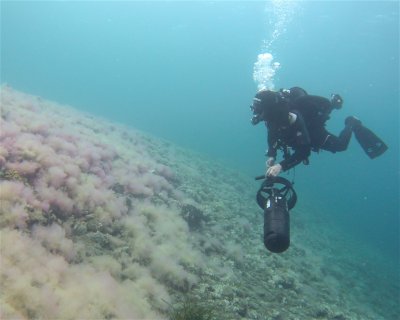
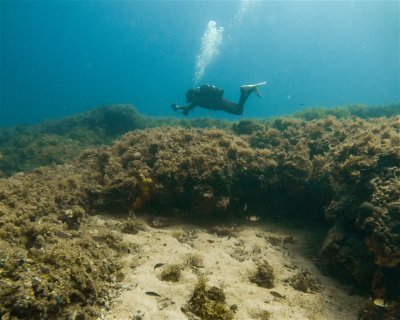
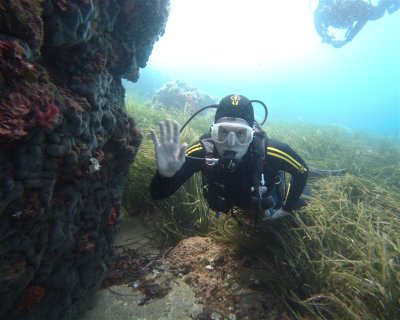
Diving in Cyclades is amazing offering both ancient and modern wrecks to caves, walls and reefs and some amazing volcanic underwater scenery.




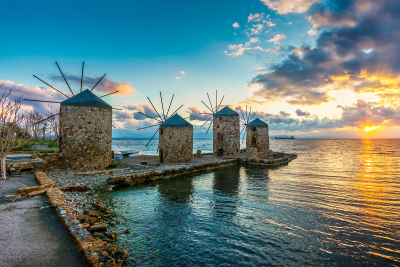
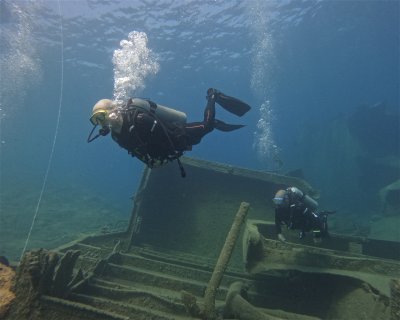
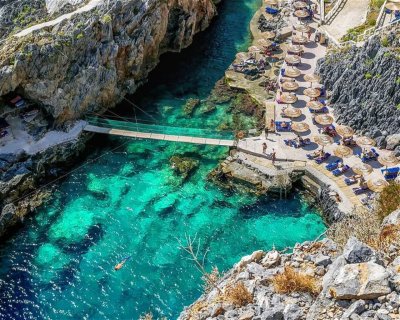
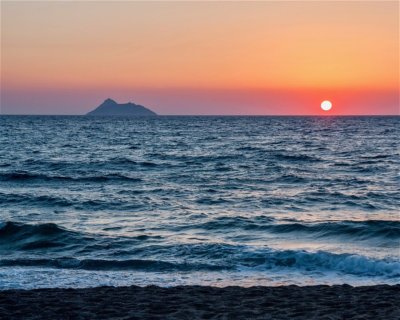
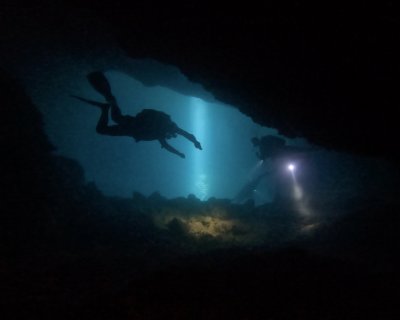
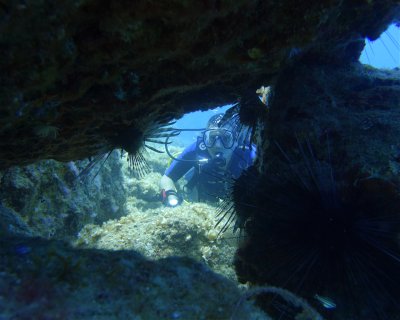
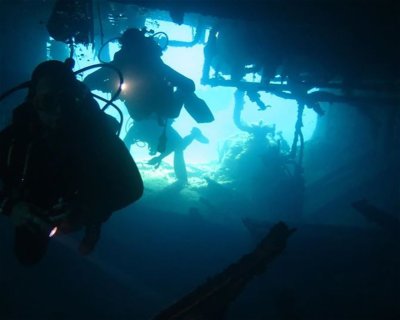
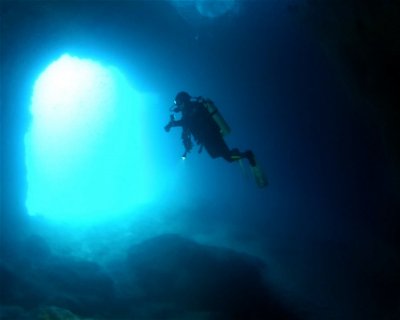
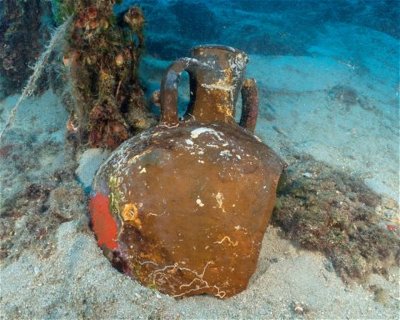
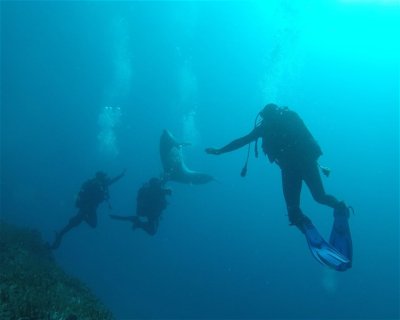
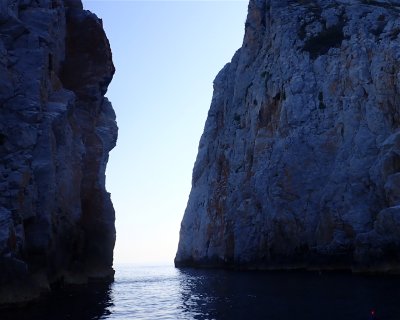
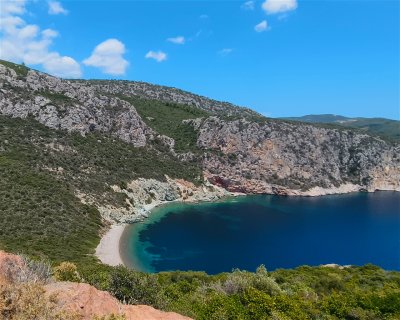
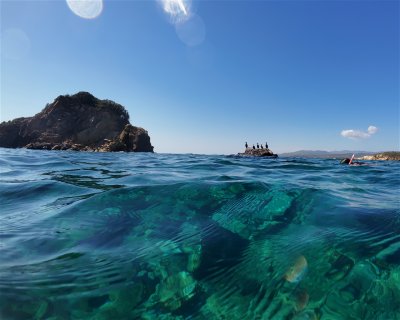
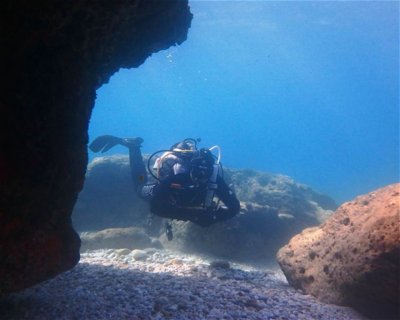
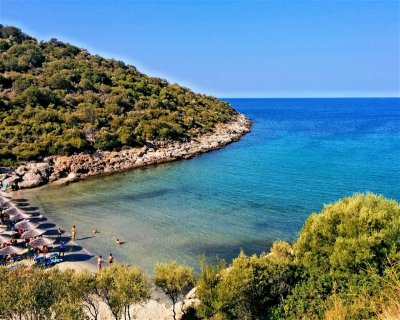
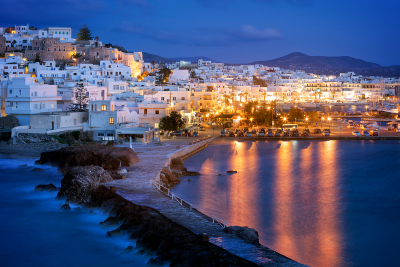
Greece offers a unique diving experience, set against the backdrop of its beautiful coastline, dotted with iconic blue roofs and whitewashed buildings. With the Ionian Sea to the west and the Aegean to the east, Greece boasts more than 240 inhabited islands, each with its own distinct underwater charm. The country's rich seafaring history is evident in the multitude of shipwrecks scattered across the seabed, drawing divers into a captivating world where history meets marine life. Since the lifting of diving restrictions in 2006, these sites have become accessible, allowing divers to explore artefacts that once lay hidden. The Greek islands offer a diverse range of diving environments, from the vertical walls and caverns of Chios Island to the stunning rock formations of Mykonos, where divers may encounter monk seals. Santorini's volcanic past has shaped an intriguing landscape of lava tubes, caverns, and caves, inviting exploration.
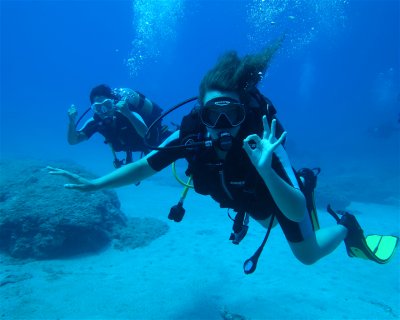
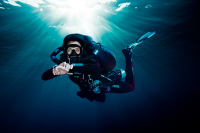
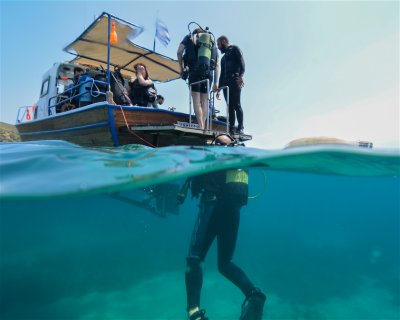
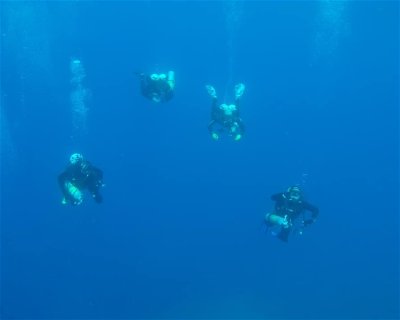
For those seeking adventure, the wreck of the Britannic, the sister ship of the Titanic, offers a unique dive site. Greece’s clear waters, warm temperatures, and minimal currents make it an ideal destination for divers of all levels, with numerous dive centers offering courses and certifications. Traveling between Greece’s islands is easy, and many divers opt for a liveaboard experience to maximize their exploration of the best dive sites in less time. Whether shore diving from a beach or embarking on a liveaboard adventure, Greece’s underwater world promises unforgettable experiences with its blend of history, marine biodiversity, and stunning underwater landscapes. Divers are reminded to tread lightly, preserving the beauty and historical significance of Greece’s underwater treasures for future generations.
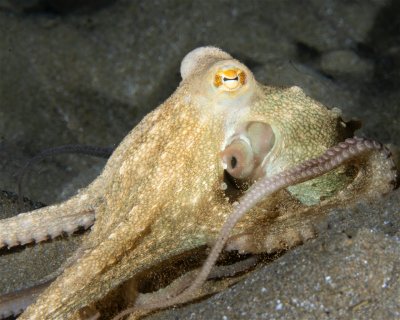
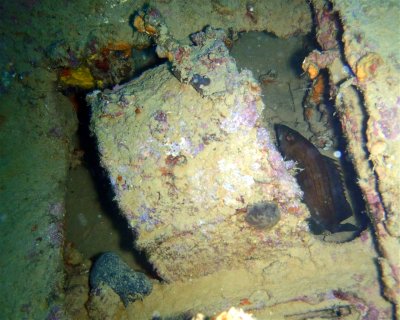
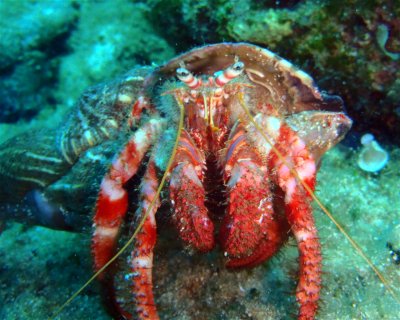
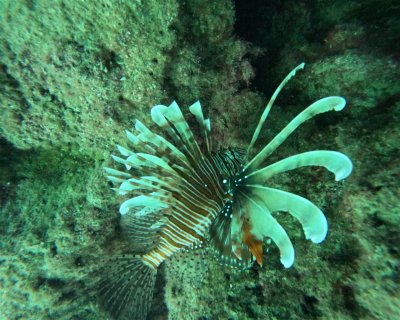
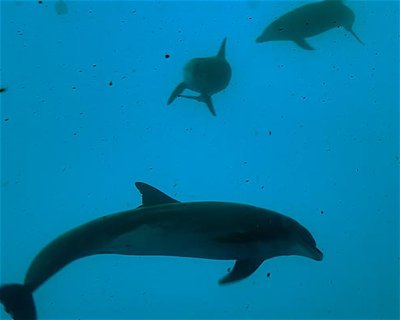
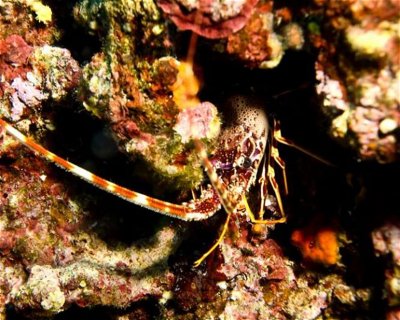
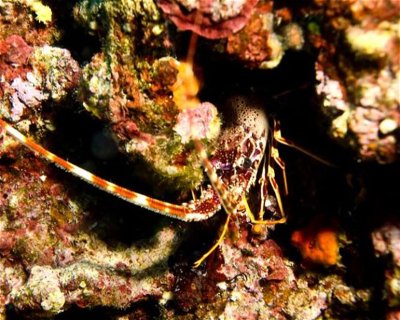
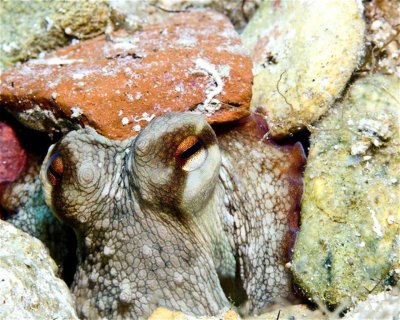
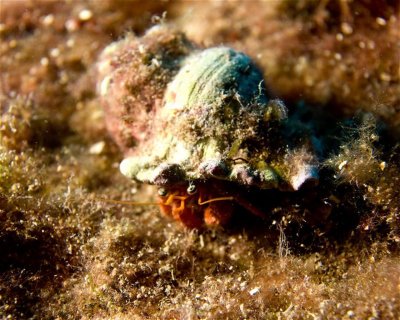
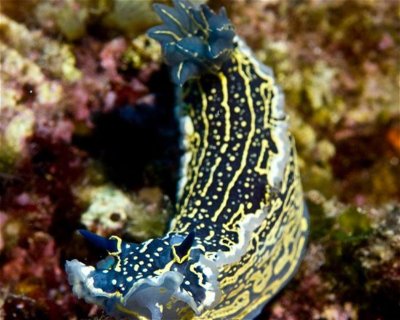
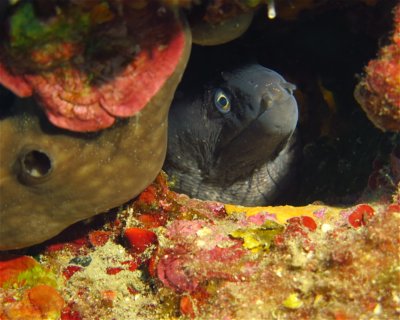
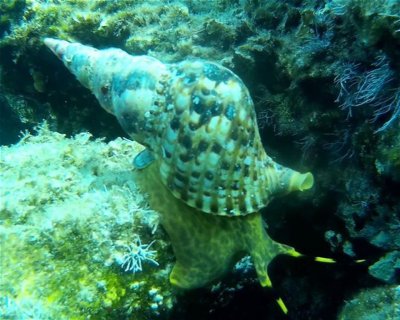
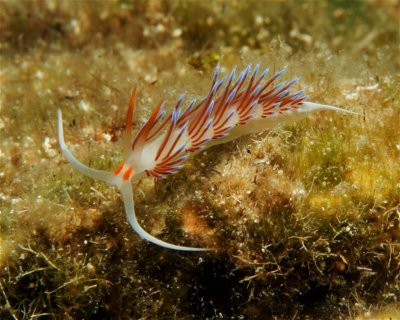
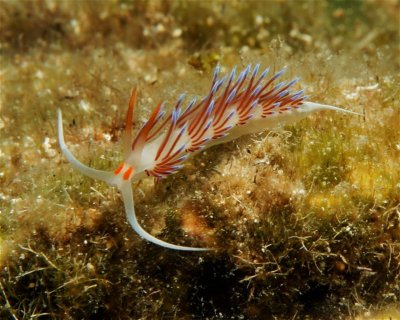
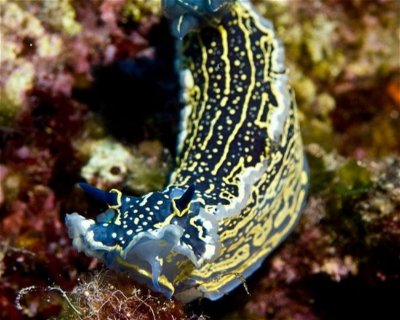
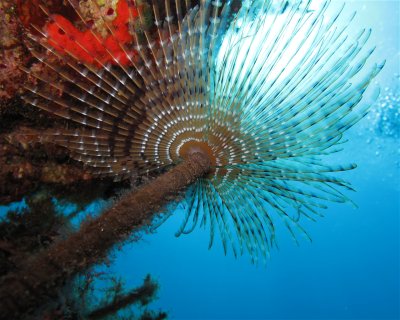
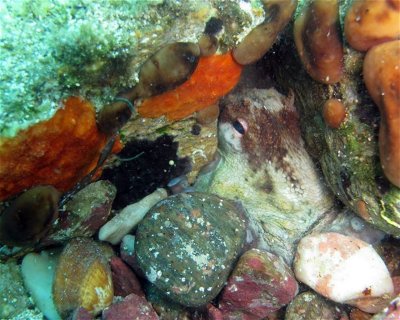
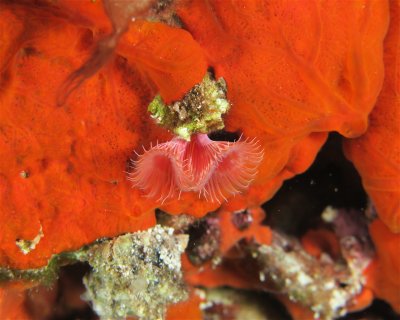
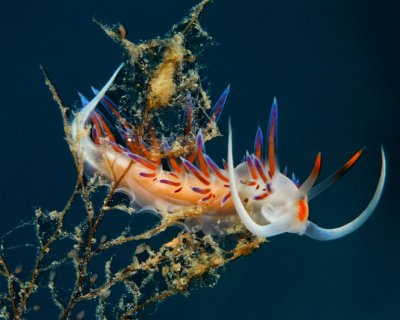
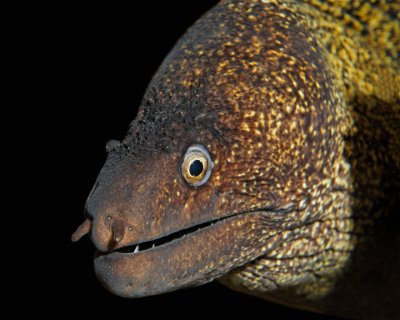
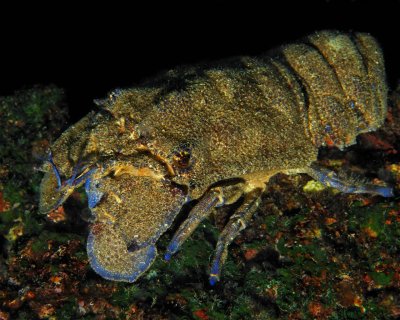
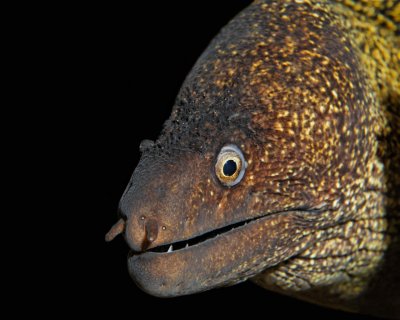
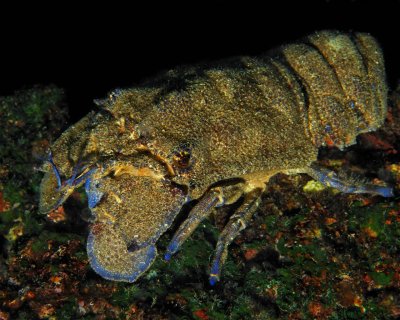
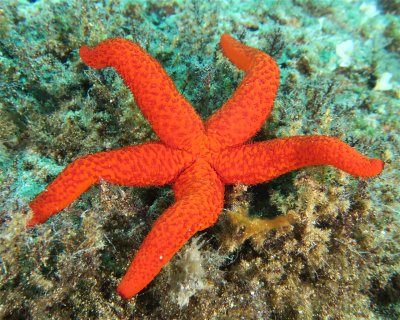
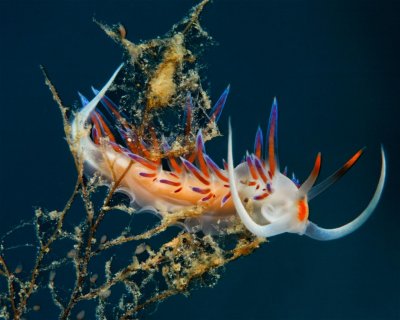
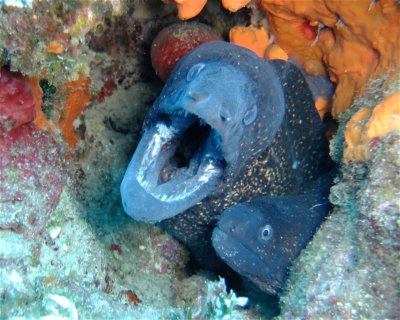
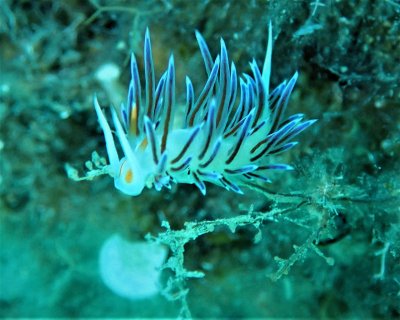
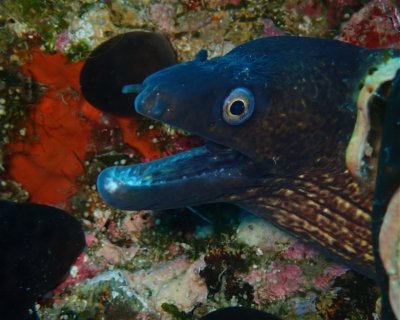
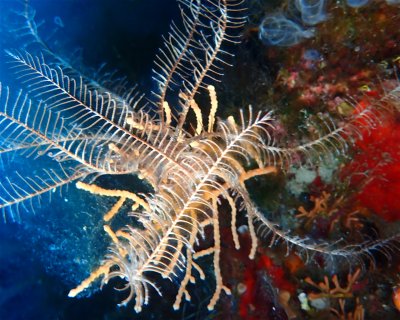
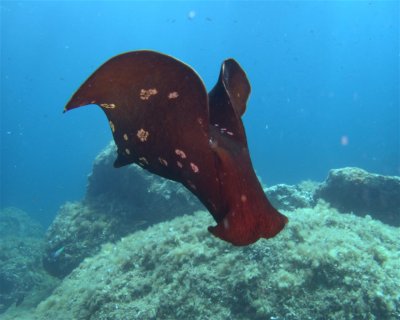
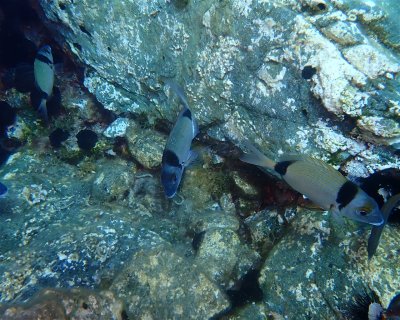
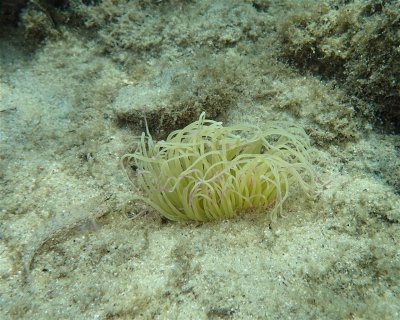
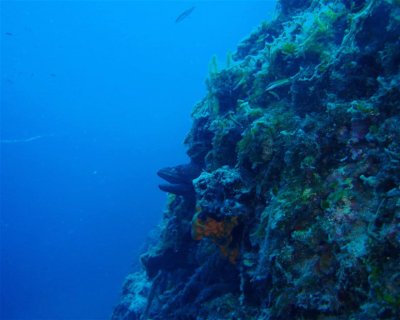
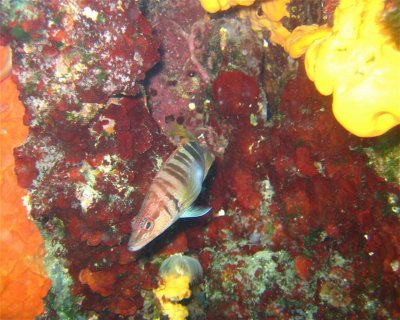
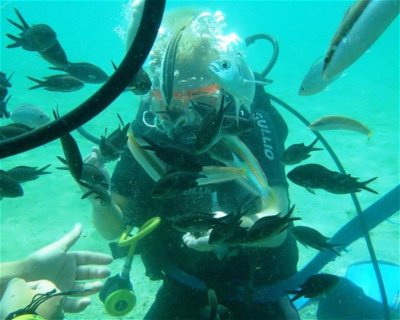
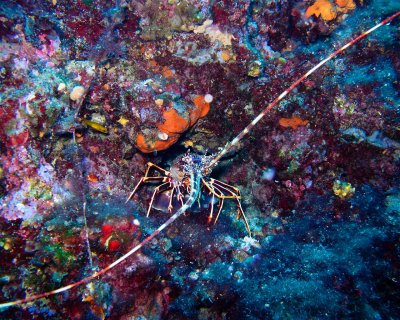
The Aegean and Ionian Seas have an impressive collection of nudibranch, invertebrates, crabs, moray eel, seahorses, and other easily overlooked critters. If you want to see the bigger megafauna, there is a good chance to see dolphins in the Gulf of Corinth. The sheltered and calm waters of the gulf are ideal for sighting dolphins as they glide through the water. Loggerhead turtles can be seen floating gracefully in the reefs at Zante while during the months of April, May and June you may catch one laying eggs on the beach!
Off the coast of Rhodes, the gentle-tempered and slow moving basking shark can be witnessed. The second biggest of the shark family, the harmless basking shark swim about, mouth gaping, trying to swallow up any plankton and krill they can find. The largest mammal to grace the waters surrounding Greece is the sperm whale. There are two well-known locations for sperm whale sightings, the Hellenic Trench and the Aegean Sea. The deep waters of the trench are the whales favourite hunting spot however only large, fully equipped vessels patrol here. In the Aegean Sea, off the coast of Mykonos, sperm whales are spotted between the months of May and September.
The rarest of all seals is the monk seal. A cave-dwelling species with only 600 individuals left in the wild. The seal is very tough to find but a trip to Alonissos Island National Marine Park is the best bet. Here, a stable population feed and rest in the coast’s network of caves.
Wildlife Sightings are Based on User Generated Content
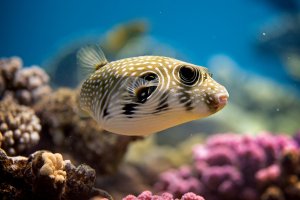
The image shown is a representative illustration and does not depict every individual animal in this category.
Total number of species approx.: 300
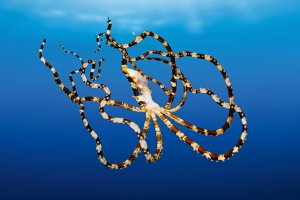
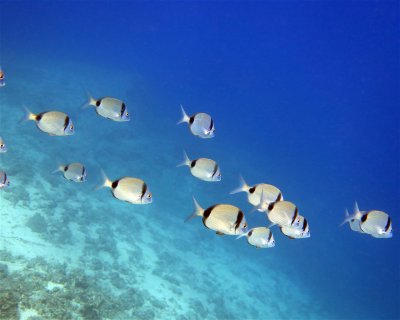
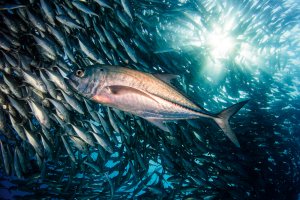
The image shown is a representative illustration and does not depict every individual animal in this category.
Total number of species approx.: 200
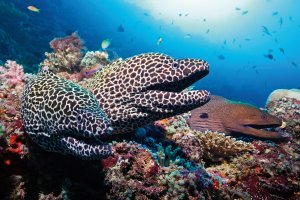
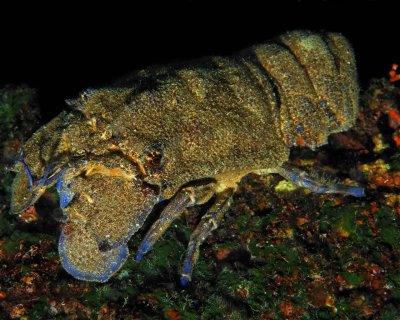
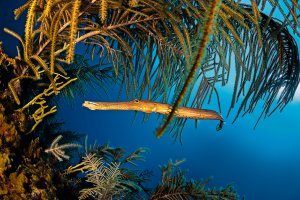
The image shown is a representative illustration and does not depict every individual animal in this category.
Total number of species approx.: 27
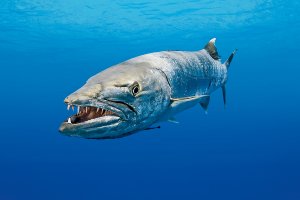
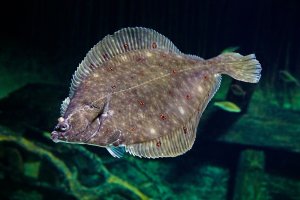
The image shown is a representative illustration and does not depict every individual animal in this category.
Total number of species approx.: 600
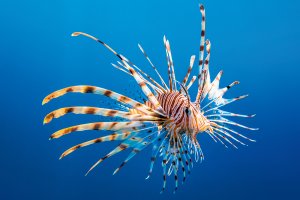
The image shown is a representative illustration and does not depict every individual animal in this category.
Total number of species approx.: 12
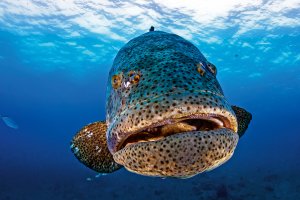
The image shown is a representative illustration and does not depict every individual animal in this category.
Total number of species approx.: 250
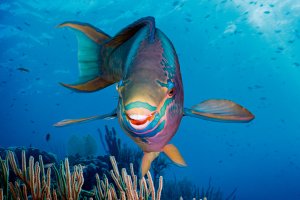
The image shown is a representative illustration and does not depict every individual animal in this category.
Total number of species approx.: 100
The image shown is a representative illustration and does not depict every individual animal in this category.
Total number of species approx.: 250
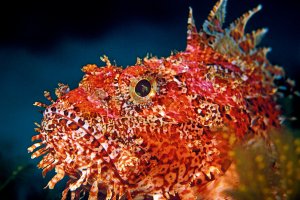
The image shown is a representative illustration and does not depict every individual animal in this category.
Total number of species approx.: 3000
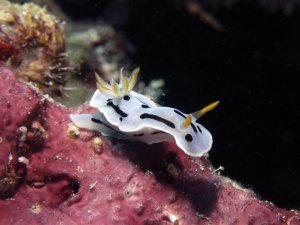
The image shown is a representative illustration and does not depict every individual animal in this category.
Total number of species approx.: 350
Curated by Interest
Mares
Aqualung
Shutterstock-Zi Magine
Mares-Predrag Vuckovic
Scubapro
Shutterstock-Ethan Daniels
Mares-Predrag Vuckovic
Mares-Bjoern Dorstewit

Have you ever dreamed of becoming a mermaid? Join the SSI Try Mermaid program and make your dreams come true! You will complete a mermaid experience with an SSI professional in ...
Show Offer
Have you ever dreamed of becoming a mermaid? Join the SSI Try Mermaid program and make your dreams come true! You will complete a mermaid experience with an SSI professional in ...
Show Offer
Have you ever dreamed of becoming a mermaid? Join the SSI Try Mermaid program and make your dreams come true! You will complete a mermaid experience with an SSI professional in ...
Show Offer
Have you ever dreamed of becoming a mermaid? Join the SSI Try Mermaid program and make your dreams come true! You will complete a mermaid experience with an SSI professional in ...
Show Offer
Take Your Technical Diving to the Next Level Join our intensive 7-day JJ-CCR Rebreather Course this October at Oceanic Diving Center and discover why the JJ-CCR is regarded as o...
Show Offer