Puerto Vallarta
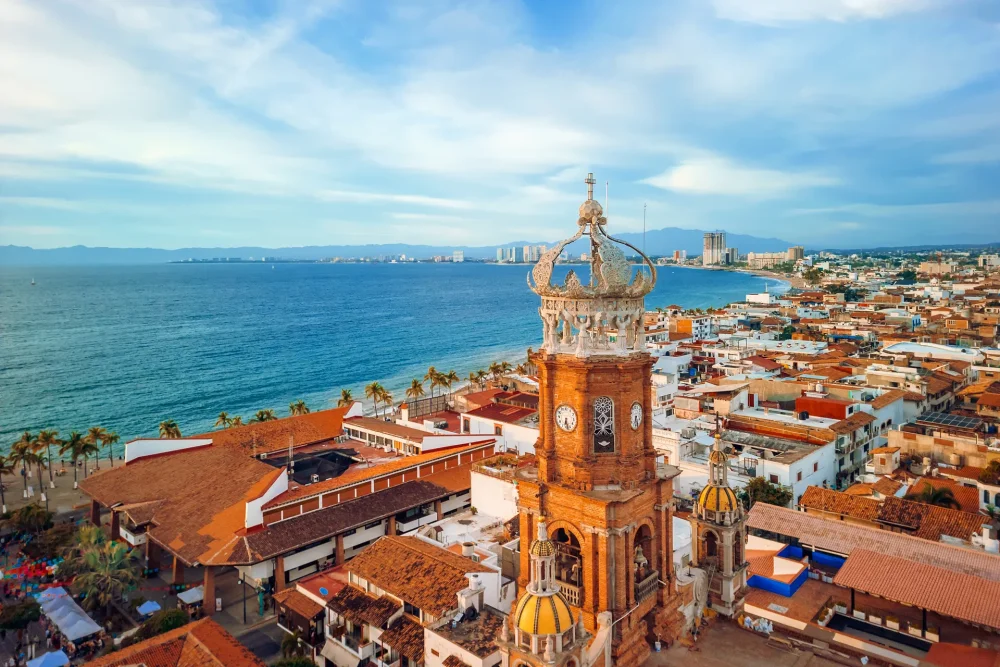
Puerto Vallarta is a beach resort/cruise ship port city in the Mexican state of Jalisco. Puerto Vall
 © Shutterstock-arboursabroad.com
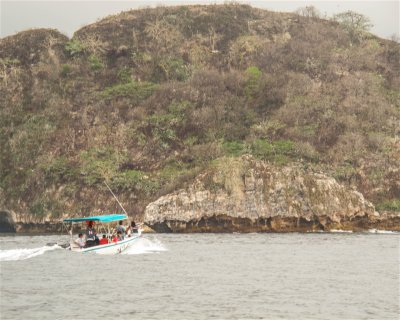
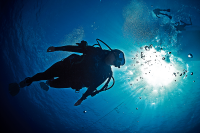
Jalisco is one of Mexico’s 31 states and is located on the southwest coast. It contains the tourist hub of Puerto Vallarta, which is a major port city on Bahía de Banderas (Banderas Bay). Bahía de Banderas, which faces the Pacific Ocean, is known for its beautiful beaches, tourist hotspots, and breeding humpback whales. Scuba diving is also a main attraction in this area. Various local dive shops offer certification courses and daily boat trips out to the offshore islands of Los Arcos and Las Marietas Islands. These islands have a rich biodiversity of marine flora and fauna due to their protected nature; Los Arcos, or Los Arcos de Mismaloya, is a National Marine Park, and the islands of Las Marietas are a protected wildlife sanctuary. Liveaboard dive boats are not common for visiting dive sites within Puerto Vallarta and Bahía de Banderas, but there are some that leave from Puerto Vallarta to go to the Revillagigedo Archipelago (Socorro Islands). These islands, known for their shark encounters, are located about 650km offshore from Puerto Vallarta.
Jalisco, a gem on Mexico’s Pacific coast, offers an intriguing mix of dive sites. The Marietas Islands are a highlight for shore diving, featuring vibrant coral reefs and abundant marine life. This area is famed for its hidden beach and the chance to see humpback whales during migration season. For those interested in wrecks, the "El Barco" wreck near Puerto Vallarta offers an exciting dive into history, teeming with various fish species and corals. Night diving in Jalisco presents a unique spectacle as bioluminescent plankton illuminates the waters, creating a magical underwater glow. Both shore and liveaboard diving options are available, allowing divers to explore coastal sites or venture further into the ocean. With its diverse sites and marine experiences, Jalisco caters to both novice and experienced divers seeking adventure and natural beauty.
Jalisco, on Mexico's Pacific coast, offers year-round diving opportunities with diverse marine life and underwater landscapes. The region experiences mild water temperatures ranging from 23°C/74°F in winter to 30°C/86°F in summer, making it comfortable for diving throughout the year. Visibility generally varies between 9–24 meters/30–80 feet, often influenced by seasonal plankton blooms, especially in late summer. The dry season from November to May provides ideal diving conditions, with calm seas and minimal rainfall, ensuring clearer waters. From June to October, the rainy season can bring stronger currents and occasional thunderstorms, reducing visibility and making conditions less predictable. Despite this, diving remains possible year-round, with the best conditions typically found during the dry months, making it a prime destination for divers seeking consistent, enjoyable experiences.
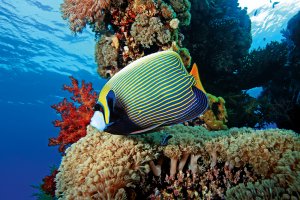
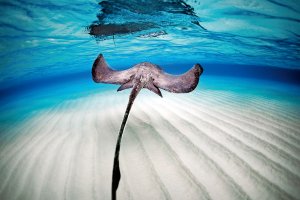
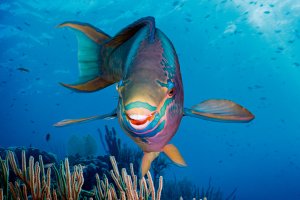
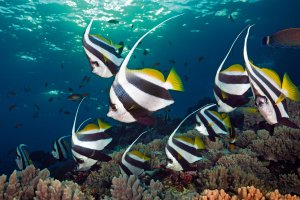
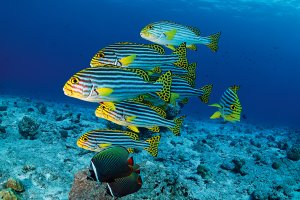
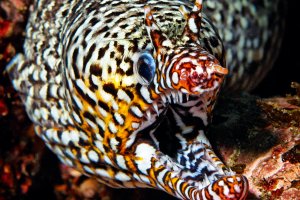
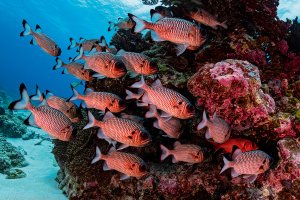
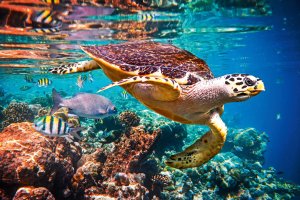
Jalisco, bordering the Pacific Ocean, offers diverse marine life, making it a popular destination for divers. Common reef fish such as angelfish, butterflyfish, and parrotfish are frequently encountered in the vibrant coral reefs. These species thrive in the warmer waters and are often seen year-round, providing a colorful backdrop to any diving experience. Seasonal highlights include sightings of majestic whale sharks from November to March, particularly around Puerto Vallarta. Additionally, sea turtles, such as the olive ridley, are often observed nesting on the beaches from June to December. Rays, including the spotted eagle ray, are another highlight, usually seen gliding gracefully during the winter months. These encounters provide exciting opportunities for divers seeking to explore Jalisco's rich marine biodiversity.
Wildlife Sightings are Based on User Generated Content
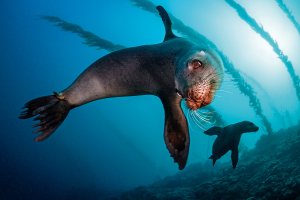
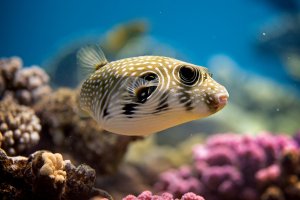
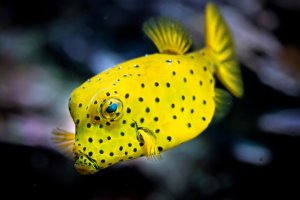
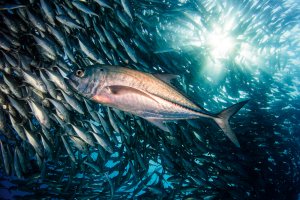
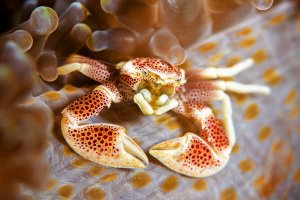
The image shown is a representative illustration and does not depict every individual animal in this category.
Total number of species approx.: 200
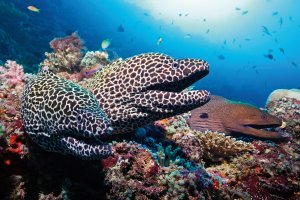
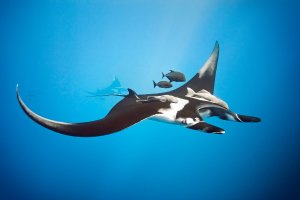
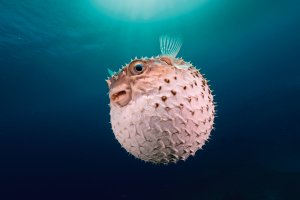
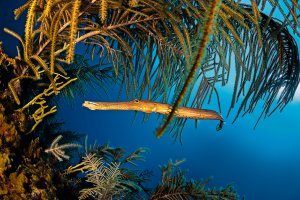
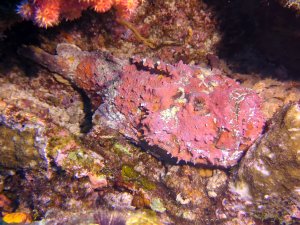
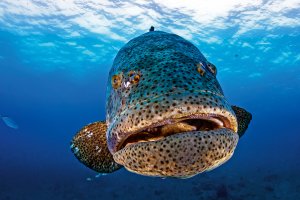
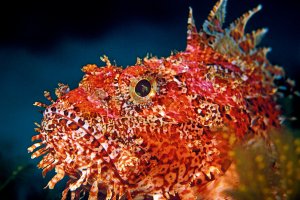
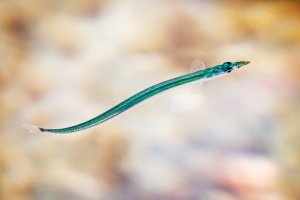
The image shown is a representative illustration and does not depict every individual animal in this category.
Total number of species approx.: 25
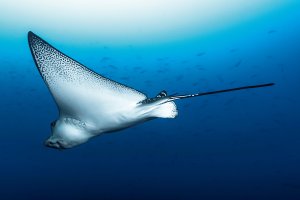
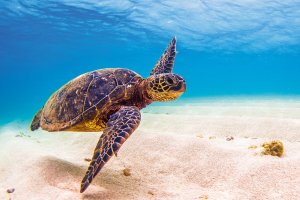
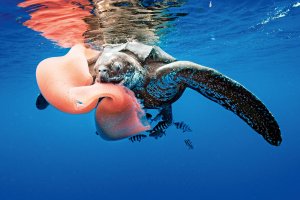
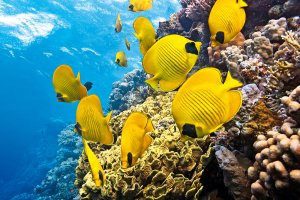
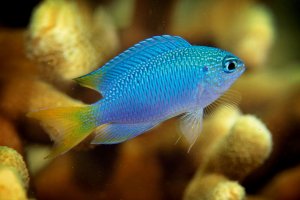
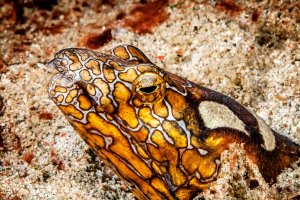
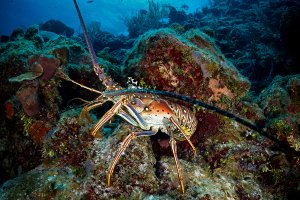
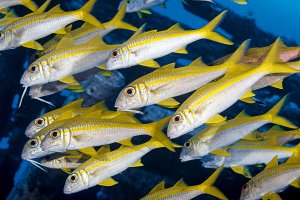
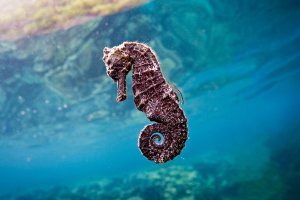
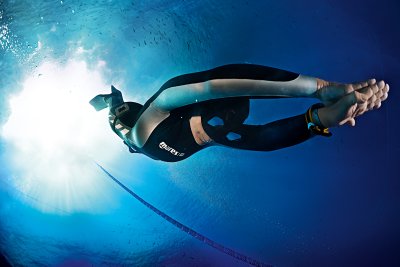
The image shown is a representative illustration and does not depict every individual animal in this category.
Total number of species approx.: 300
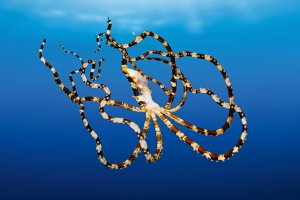
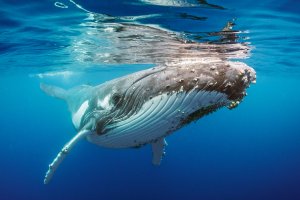
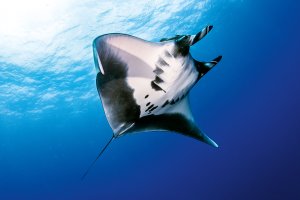
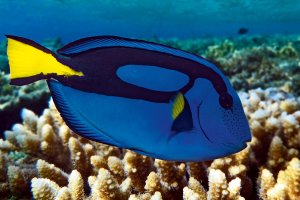
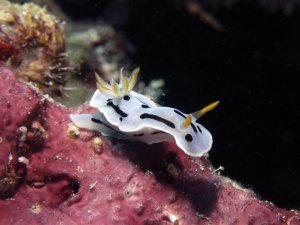
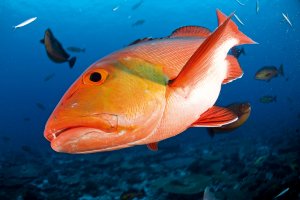
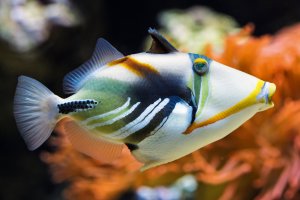
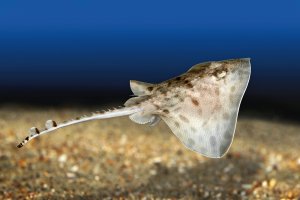
The image shown is a representative illustration and does not depict every individual animal in this category.
Total number of species approx.: 7