



>

Hungary

Divesites
11
Centers
18
Courses & Events
6
Wildlife
8
© Aqualung

Explore Hungary

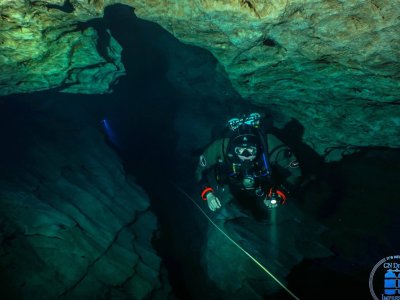
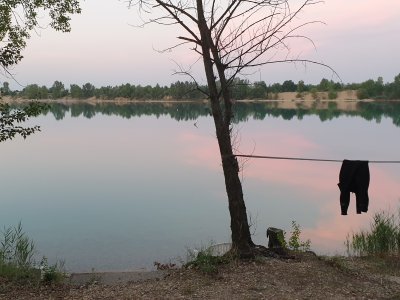
Hungary, a landlocked country in Central Europe, offers a unique diving experience characterized by its diverse freshwater sites. Renowned for its stunning cave systems, Hungary is a haven for both recreational and technical divers. One of the country's crown jewels is the Molnár János Cave, located beneath the bustling city of Budapest. This thermal cave system offers a mysterious underwater world with crystal-clear waters, accessible to skilled cave divers. It's an unparalleled experience where divers can explore vast caverns and geological formations that have been shaped over millennia. Lake Balaton, Central Europe's largest lake, provides a different freshwater diving adventure. Known for its shallow waters and unique biodiversity, it is perfect for beginner divers and those looking to enjoy leisurely dives. Meanwhile, the depths of the Tata Quarry invite more experienced divers to explore its submerged rock faces and artifacts. Hungary’s diving opportunities are marked by varied conditions, from the warm waters of thermal caves to the cooler, clearer lakes, drawing divers with its blend of natural beauty and technical challenge.

Power Plug Type
C, F
Payment Method
AMEX, DC, JCB, Cir, Plus
Airports
BUD
Currency
Hungarian Forint (HUF)
Dial Code
+36
Electricity
230V / 50Hz
Time
UTC +1; UTC +2 during daylight saving time

Courses and Events

Dive Centers

Dive Sites

Top Wildlife Sightings in Hungary

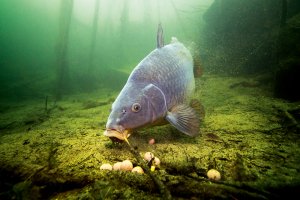
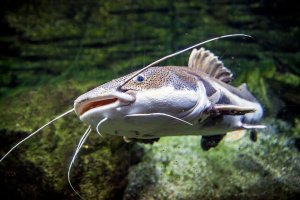
Hungary hosts a variety of freshwater wildlife that attracts divers, with species such as carp, pike, and perch commonly encountered in its lakes and rivers. Notably, Lake Balaton offers sightings of the European catfish, a particularly large species that thrives in deeper waters. The lake's visibility, however, can vary depending on the time of year, often improving during the cooler seasons. Another intriguing species is the sturgeon, which can be spotted in the Danube River. These ancient fish are best viewed during seasonal migrations, particularly in spring when they move upstream to spawn. The depth and clarity of the water, influenced by seasonal rains, can impact the frequency and quality of sightings. Planning dives during clearer, less turbulent times enhances the likelihood of observing these fascinating creatures.

Wildlife Sightings are Based on User Generated Content

The image shown is a representative illustration and does not depict every individual animal in this category.
Total number of species: 30

Carp

241 Sightings
J
5
F
0
M
14
A
18
M
24
J
34
J
38
A
34
S
29
O
20
N
13
D
12

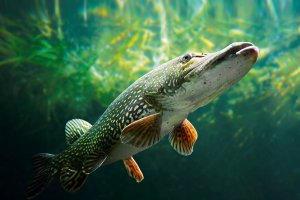
The image shown is a representative illustration and does not depict every individual animal in this category.
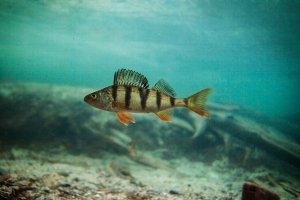
Total number of species: 5

Pike

100 Sightings
J
0
F
0
M
8
A
2
M
13
J
13
J
22
A
19
S
9
O
1
N
7
D
6

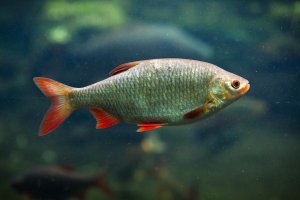
Common Rudd

81 Sightings
J
0
F
0
M
15
A
7
M
15
J
3
J
0
A
4
S
20
O
9
N
0
D
8

The image shown is a representative illustration and does not depict every individual animal in this category.

Total number of species: 19

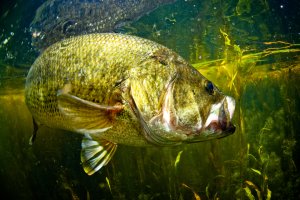
Bass

49 Sightings
J
0
F
0
M
0
A
0
M
3
J
5
J
16
A
8
S
6
O
3
N
1
D
7

The image shown is a representative illustration and does not depict every individual animal in this category.

Total number of species: 3000

Catfish

49 Sightings
J
0
F
0
M
0
A
1
M
6
J
7
J
19
A
6
S
7
O
2
N
0
D
1

The image shown is a representative illustration and does not depict every individual animal in this category.

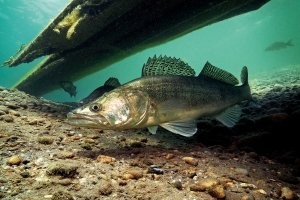
Total number of species: 5

Walleye

24 Sightings
J
0
F
0
M
0
A
0
M
0
J
6
J
12
A
4
S
1
O
0
N
0
D
1

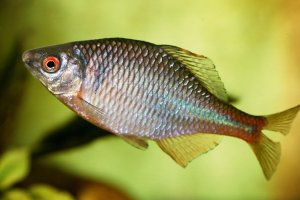
European bitterling

20 Sightings
J
0
F
0
M
0
A
6
M
6
J
3
J
0
A
0
S
0
O
0
N
0
D
5

The image shown is a representative illustration and does not depict every individual animal in this category.

Total number of species: 600

Crayfish

18 Sightings
J
0
F
0
M
0
A
0
M
1
J
7
J
6
A
0
S
1
O
2
N
0
D
1