>

Poland

Divesites
48
Centers
63
Courses & Events
728
Wildlife
6
© Aqualung

Explore Poland

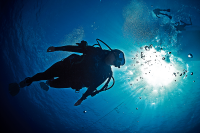
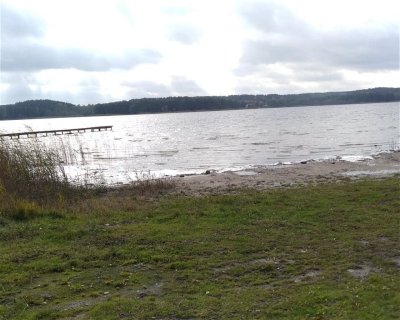
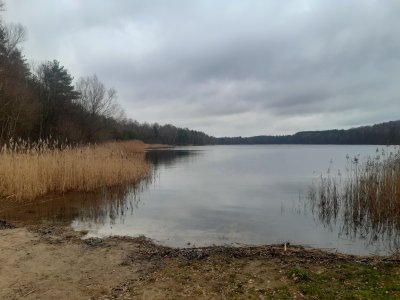
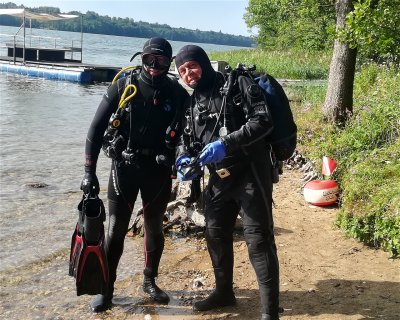
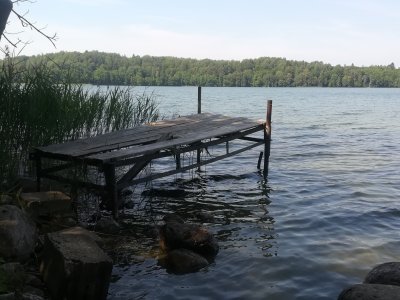
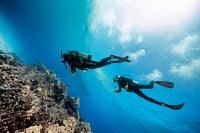
Poland’s diving scene is a study in contrasts: cold, brackish Baltic waters, clear inland quarries and a surprisingly rich wreck heritage make for varied experiences. Typical water temperatures range from 4°C-18°C/39°F–64°F across the season (best diving May–September). Expect low to moderate visibility offshore, dense schools of flatfish and sand gobies, seasonal blooms of jellyfish, and occasional grey seals along the northern coast. Geological features include rocky reefs, boulder fields and soft silty bottoms rather than tropical coral systems.

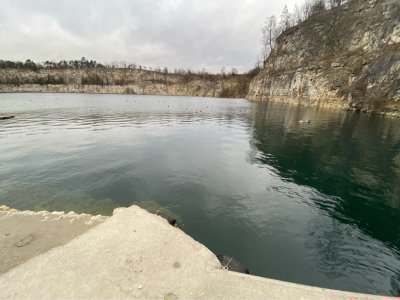
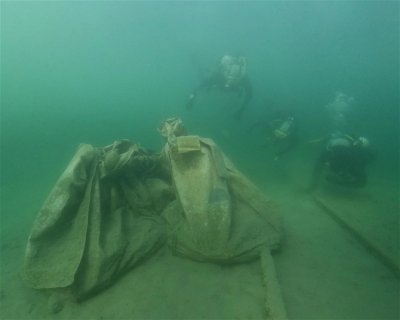
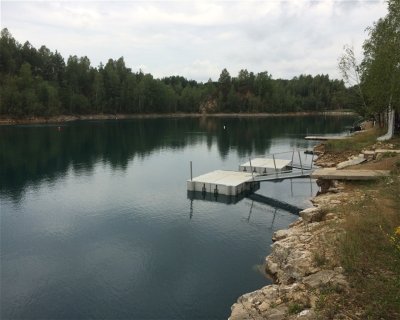
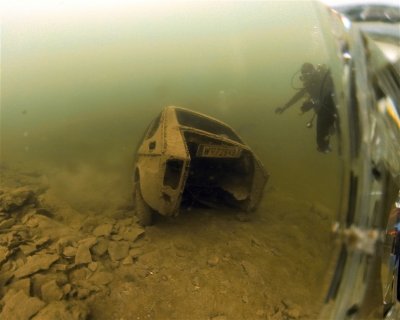
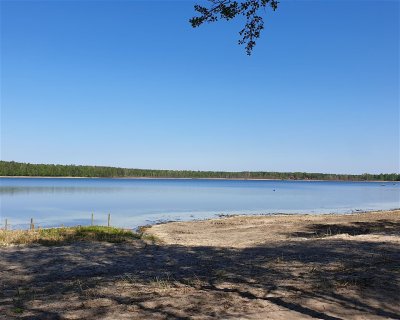
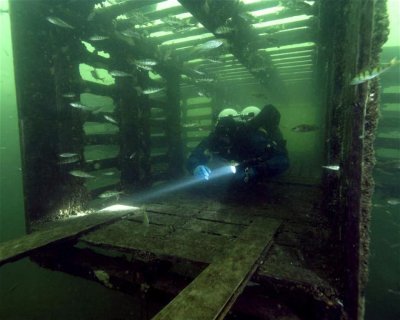
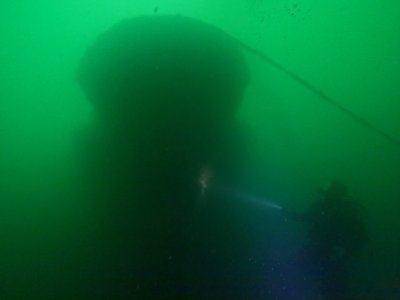
Most dives are shore and short boat trips from ports like Gdynia and Hel, focusing on WWII wrecks, cargo ships and scuttled vessels that attract crabs, cod and encrusting marine life. Inland flooded quarries offer crystal-clear water for training and photography. The surprising highlight is the accessibility of history-rich wrecks in relatively shallow water, making Poland a rewarding, reflective destination for divers who enjoy technical, historical and cold-water exploration rather than tropical reefs.

Power Plug Type
C, F
Payment Method
AMEX, DC, JCB, Cir, Plus
Airports
WAW, KRK, KTW
Currency
Polish Złoty (PLN)
Dial Code
+48
Electricity
230V / 50Hz
Time
UTC +1; UTC +2 during daylight saving time

Courses and Events

Marine Ecology

In the SSI Marine Ecology course, you will learn how the interactions between marine animals and the natural environments in which they occur. You'll learn about the flow of energy within ecosystems and the mutual influences of various marine environments. With this newfound knowledge, you will appreciate the uniqueness of marine life even more! Marine ecology is the scientific study of marine organisms and their interactions and the surrounding physical and chemical environment. This interdisciplinary field studies everything from the biochemical and cellular levels to entire ecosystems and the biosphere, including the influence of factors such as salinity, temperature and currents, as well as human impact. Key areas of study include marine biodiversity, human impact, fisheries, and the role of marine life in global cycles such as carbon and oxygen. What marine ecology does Interactions of organisms: How different marine organisms interact, including predator-prey and symbiotic relationships. Population dynamics: The occurrence, abundance and demography (birth and death rates) of individual marine species. Community structure: Composition and interactions of multiple species within a community. Ecosystem processes: The flow of energy and cycling of matter (like the carbon cycle) in marine environments. Biotic and abiotic factors: The living (biotic) and non-living (abiotic) components that affect marine life, such as sunlight, pressure, temperature and water chemistry. Human impacts: The effects of human activities on marine ecosystems, such as fishing, pollution and climate change. Importance of marine ecology Oxygen production: Marine organisms are the main source of oxygen in the atmosphere. Climate regulation: Marine life plays a key role in regulating the Earth's climate. Economic resources: Provides valuable resources such as food (fish and shellfish), medicines and raw materials for industry. Coastal protection: Marine ecosystems such as coral reefs and mangroves help protect coastlines and build land. Start online today and earn your SSI Marine Ecology specialization certificate.

18 February +22 More
EUR 94.73
PLN 399.00

Open Water Diver / Rekonwersja

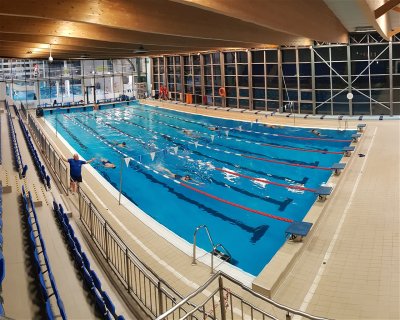
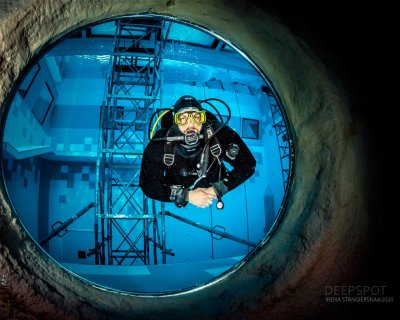
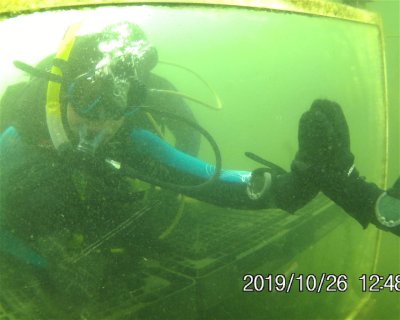
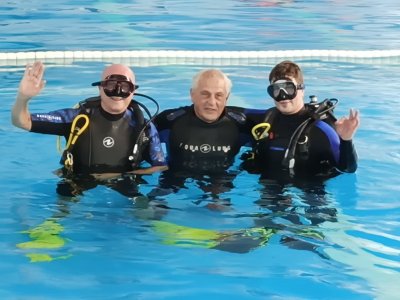
The Open Water Diver (OWD to 18 meters) course is the most popular basic diving course organized worldwide by SSI (Scuba Schools International). We also invite all soldiers and ex-soldiers to take advantage of Reconversion diving training through the Military Retirement Office. Reconversion Open Water Diver Course The SSI OWD course teaches the basic diving skills and theoretical knowledge necessary to safely plan and carry out open water dives with a partner. Upon successful completion of the training, you will receive an SSI diving license, which entitles you to dive to a depth of 18 meters. It is honored by diving centers around the world, and you can get it at the diving course in Żagań. What the course includes: Basic training for beginner divers SSI OWD includes three parts: Theory of the basics of diving in our office CN DARCO Classes with diving equipment - swimming pool Arena Żagań Diving in open waters with us is as many as 6 Theory of the basics of diving; This is the part of the diving course, during which you gain the knowledge necessary to safely plan and carry out diving. Basic diving course allows you to learn online, in the comfort of your home, so that you get acquainted with the manual in a friendly environment. The advanced e-learning application is a modern educational system full of interactive presentations, videos and interesting articles. After creating your account on the SSI website (we also recommend downloading the MySSI mobile app), you get access to the textbook. You work through the material at your own pace and each chapter ends with an exam that allows you to test your knowledge. When reading the material, take notes and write down any questions - during the course there will be time to discuss any doubts and supplement textbook knowledge. Classes in the pool with diving equipment as mentioned in the Arena pool. After gaining theoretical basics, it's time for your first moves underwater. We propose to pass all pool exercises at the Arena and there is an opportunity in the deepest in Europe DeepSpot45 meters built specifically for divers. Discover with us this unique place at the very beginning of your diving adventure.... The first exercises are breathing underwater in complete diving equipment, learning how to move underwater and how to deal with typical situations that may occur to us. You will start diving in very shallow (1.10 to 1.90 m) water, and its clarity and temperature (it's really warm) will allow you to get used to your new environment. We start classes at the pool when you want i.e. in the morning or afternoon or evening. Classes are conducted in small groups of 2-4 people - the date of the class is set individually with the students. Open water diving - WO. The final and undoubtedly the most interesting part of the diving course is, of course, conducted in natural conditions. After passing the exercises in the pool and online and written exams we will go to a real body of water, that is, Lubikowskie Lake or Głębokie Lake, and you can go to the quarry Piechcin, Honoratka or Horka / Germany? we have places prepared for divers there to be safe and peaceful. So there you will test the skills you have acquired in real conditions. Open water diving we organize most often in the form of a weekend trip in Poland and Germany or during a trip abroad, for example, to Egypt and Croatia.... Participants of the basic course have to complete four diving sessions (two dives a day), but with us you have an additional 2 dives so that you are prepared for 200%. You are cordially invited to our CN DARCO tel 500 266 168 SSI Open Water Diver video- https://www.youtube.com/watch?v=F-9WSloN1fk.

19 February +41 More
EUR 712.24
PLN 3,000.00

Ice Diving

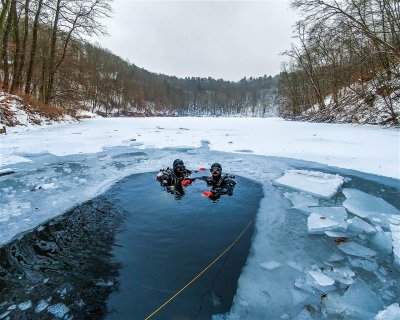
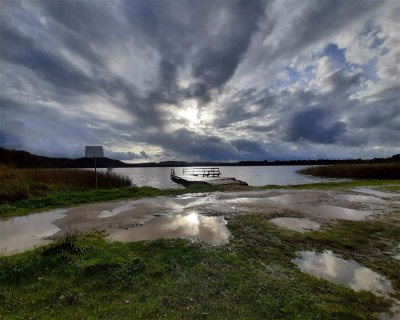
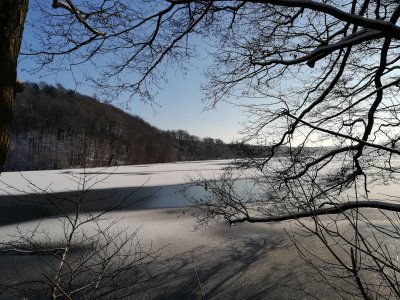
How to Dive Safely Under Ice - Ice diving course teaches you how to dive safely under ice: how to set up your equipment, choose a dive site, prepare an icebreak, meet safety rules and proper belay. You'll also learn about signaling with a rope, the use of ice screws, the basic nautical knots used in diving and the use of a reel for autoranging. *Of course, to make sure you're doing everything correctly, you'll need proper training under the guidance of an instructor before your first solo ice dive. Diving without specialized training is incompatible with good diving practice as well as diving safety regulations *Definition of ice diving ; Ice diving (or maybe ice diving) - is one of the most attractive ways to dive in our Polish lakes (during the winter the visibility is best can reach up to 20m). Attractive and at the same time demanding, it requires careful planning starting from the assembly of the group, through the preparation and configuration of equipment to select a dive site and make an icebreak, and ending with the proper conduct of the dive. *Safety rules for diving under ice ; The safety rule has been developed by experienced divers to make diving under ice safe. When we break them we expose ourselves to additional danger, including loss of life. Diving is safe if we follow the following rules: * divers dive on a belay rope * recommended rope with a diameter of 10mm, and strength of at least 300kg, * the length of the rope is not more than 30-40m, * at the end of the rope there is a belayer, the belayer all the time maintains contact with divers, by properly tensioning the rope, in an emergency situation divers return to the icebreak, all problems are solved in the icebreak,in case of emergency, the belaying team is able to pull divers back to the ice gap within 1-2minutes, * the belaying rope between divers and belaying team must be straight (it can not be hooked anywhere) if we have a doubt whether the belaying rope is not hooked - we return to the ice gap, divers dive in pairs (partner diving), each diver has a harness, worn under the BCD. * the belay rope is clipped to the harness with a carabiner or tied with an appropriate knot * the knots used: recommended - double figure eight, another - rescue knot * the connection of the harness with must be secure, to prevent spontaneous detachment we use carabiners with security or in the absence of them two carabiners. - Failure to comply with the above rules exposes us to additional danger, which may in practice result in a serious accident, including loss of life. *The course of ice diving consists of the following topics: Definition of ice diving Safety rules of ice diving Ice - types, properties Selection of the dive site Tools for making the ice break Making the ice break and disposal after the dive. Diving equipment for ice diving Proper equipment configuration Freezing of breathing apparatus Bailout equipment Rope belay system Diving pairs - communication Rule 1/3 Rescue action Automotivation Self-assurance Hypothermia Frostbite Addition to ice diving Advanced ice diving.

19 February +14 More
EUR 284.66
PLN 1,199.00

Dive Centers

Dive Sites

Top Wildlife Sightings in Poland

Poland’s Baltic coast lacks tropical reefs; rocky shores, submerged boulders and artificial reefs host gobies, blennies, goldsinny wrasse, Atlantic cod, herring and flatfish (flounder, dab). Small schooling herring and coastal gobies are the most commonly seen; cod and eels are more likely on deeper wrecks or in colder months.

Seals (grey seal) and harbour porpoise are regular sightings near the Hel Peninsula and offshore banks. Rays (thornback) and large visitors such as basking sharks or sea turtles are vagrant and very rare, most often recorded during late summer–autumn migrations.

Wildlife Sightings are Based on User Generated Content

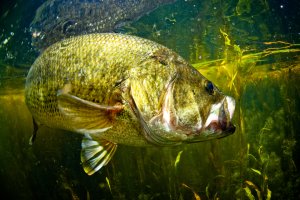
The image shown is a representative illustration and does not depict every individual animal in this category.

Total number of species: 19

Bass

11k Sightings
J
65
F
56
M
101
A
196
M
927
J
1.5k
J
2.5k
A
2.6k
S
1.9k
O
874
N
296
D
147

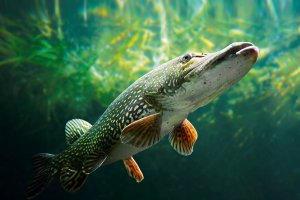
The image shown is a representative illustration and does not depict every individual animal in this category.

Total number of species: 5

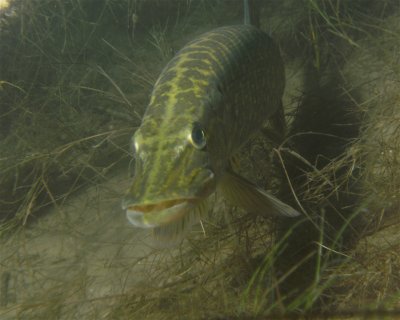
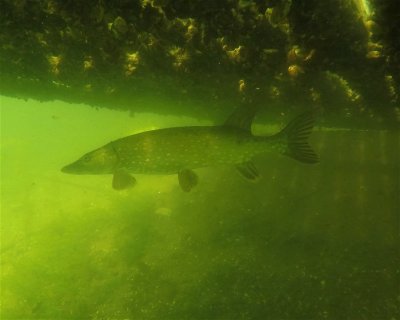
Pike

7.6k Sightings
J
32
F
13
M
48
A
43
M
453
J
1k
J
1.8k
A
2.1k
S
1.4k
O
472
N
196
D
50

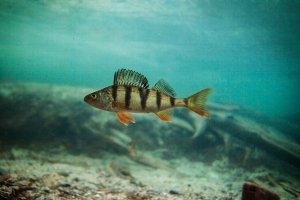
The image shown is a representative illustration and does not depict every individual animal in this category.

Total number of species: 3

Perch

7.3k Sightings
J
59
F
38
M
64
A
111
M
511
J
764
J
1.7k
A
2.1k
S
1.2k
O
463
N
196
D
111

The image shown is a representative illustration and does not depict every individual animal in this category.

Total number of species: 600

Crayfish

3.2k Sightings
J
48
F
30
M
63
A
79
M
226
J
216
J
644
A
885
S
509
O
319
N
129
D
67
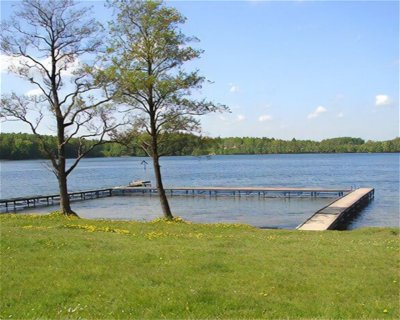
The image shown is a representative illustration and does not depict every individual animal in this category.

Total number of species: 3000

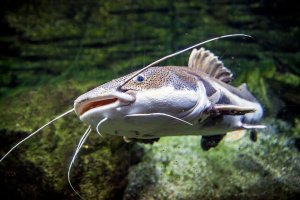
Catfish

1.7k Sightings
J
2
F
0
M
1
A
14
M
102
J
223
J
337
A
399
S
408
O
124
N
65
D
20

The image shown is a representative illustration and does not depict every individual animal in this category.

Total number of species: 16

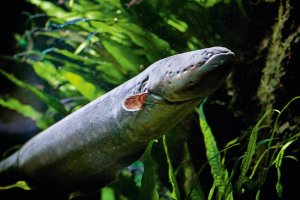
Eel

555 Sightings
J
0
F
0
M
2
A
0
M
33
J
90
J
147
A
183
S
95
O
1
N
4
D
0