The Cenotes
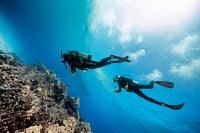
The cenotes are ancient limestone sinkholes with crystal-clear waters that are perfect for a unique freshwater diving experience.
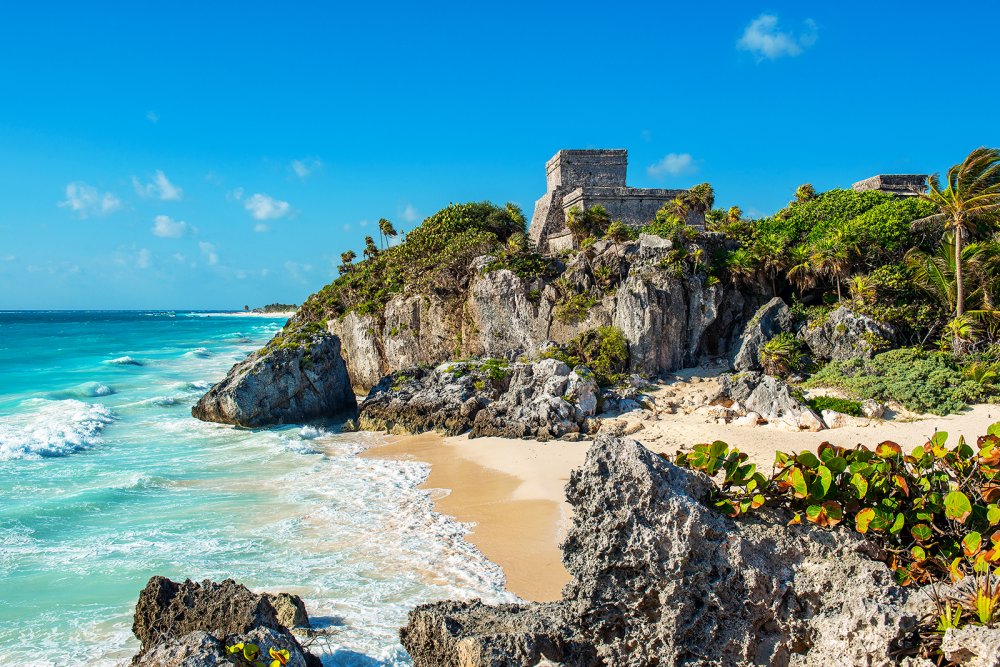 © iStock-SL/Photography
Diving in the Yucatán Peninsula offers an unparalleled underwater journey that combines natural beauty with cultural richness. Stretching across Mexico, Belize, and Guatemala, this destination boasts a diverse array of dive environments from vibrant coral reefs to mystical cenotes. The eastern coast, home to popular resorts in Cancún, Playa del Carmen, Akumal, and Tulum, serves as a gateway to these marine wonders. Here, divers can explore the thriving reefs teeming with marine life, including colorful fish, sea turtles, and even playful dolphins, all accessible from shore or via short boat rides. A highlight of diving in this region is the island of Cozumel, famously endorsed by Jacques Cousteau as one of the world's most spectacular dive sites. Known for its stunning wall dives and swim-throughs, Cozumel offers divers the chance to explore vibrant underwater landscapes and discover a wealth of marine life. Additionally, the Yucatán is renowned for its cenotes, ancient water-filled sinkholes revered by the Mayans as sacred. These crystal-clear waters reveal intricate limestone formations and are a must-visit for any adventurous diver. Whether exploring the depths of the ocean or the mysteries of the cenotes, the Yucatán Peninsula promises a diving experience like no other.
The various tourist and resort cities along the east coast of the Yucatán Peninsula are scuba diving hotspots because the weather is warm all year round and because there are so many diving options. Reef-diving on the Mesoamerican Great Barrier Reef, drift-diving and wall-diving just offshore of Cozumel Island, cave-diving in cenotes, shark-diving, and wreck-diving are all possibilities.
The Yucatán Peninsula boasts great diving conditions all year round due to warm water temperatures (28°C/82°F), with only slight cooling in the winter (25°C/78°F). If cenote- (cave-) diving is your main objective, May through November is the best time to visit this region, due to the peak in visibility and favorable angles of sunlight illuminating the caves. Many divers target the June through September window, when whale shark sightings take place most frequently near Isla Mujeres. Be aware, however, that this window overlaps with hurricane season, so the risk of a cancelled trip is high.
The Mesoamerican Barrier Reef ecosystem is home to crabs, lobsters, stingrays, eagle rays, sea turtles, eels, groupers, angelfish, and damselfish. Some pelagic megafauna, such as whale sharks, migrate to this region as well.
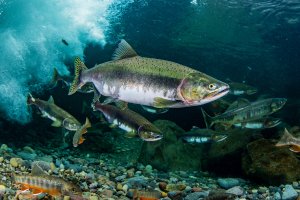
Cenotes are comprised of a completely different community of organisms due to the difference in water chemistry. The brackish (part fresh, part salty) water of cenotes is habitable for certain fish types such as cichlids, catfish, molly fish, and tetras.
Wildlife Sightings are Based on User Generated Content
The image shown is a representative illustration and does not depict every individual animal in this category.
Total number of species approx.: 3000
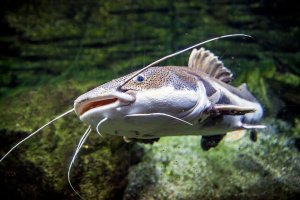
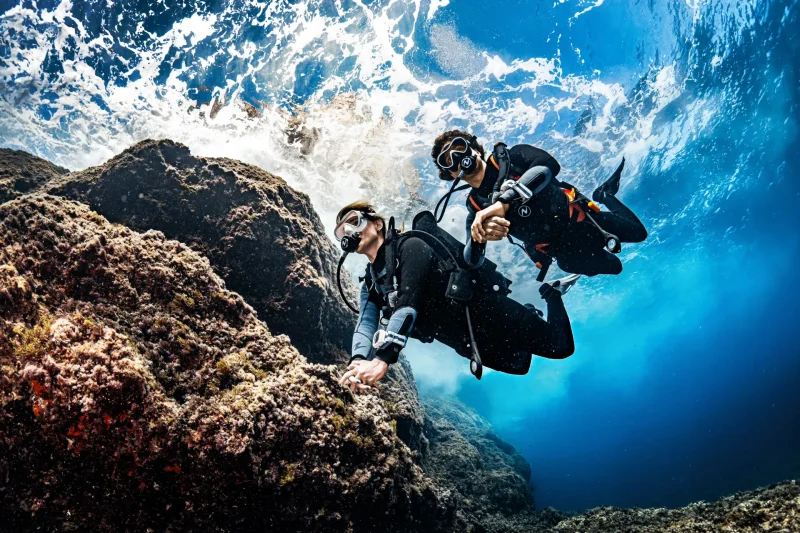
The image shown is a representative illustration and does not depict every individual animal in this category.
Total number of species approx.: 35
Curated by Interest
Mares
Aqualung
Shutterstock-Zi Magine
Mares-Predrag Vuckovic
Scubapro
Shutterstock-Ethan Daniels
Mares-Predrag Vuckovic
Mares-Bjoern Dorstewit

Playa del Carmen, Cozumel, Cenotes—unforgettable dives await!
Show Offer
Playa del Carmen, Cozumel, Cenotes—unforgettable dives await!
Show Offer