Trip to Mexico from February 16 to March 1, 2027
Playa del Carmen, Cozumel, Cenotes—unforgettable dives await!
© Mares
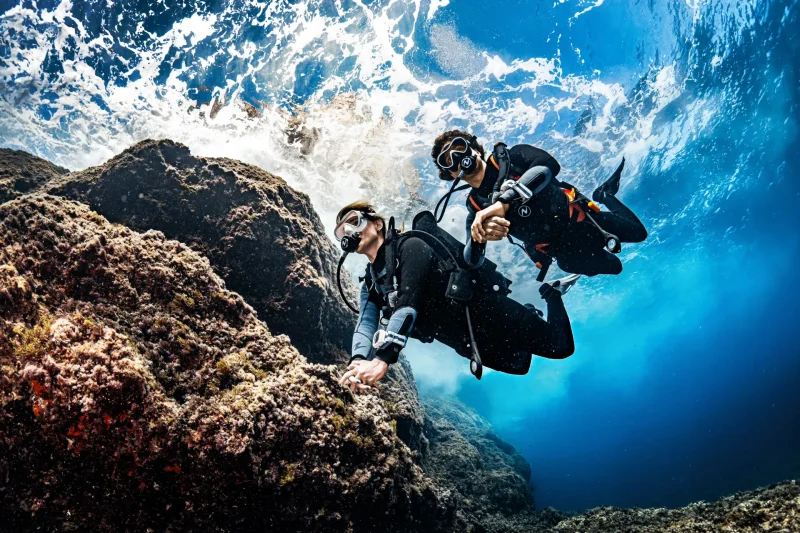
Diving in the Cenotes of Mexico offers a truly magical experience, immersing divers in the mystical world that the Mayans once considered portals to the underworld. These ancient limestone sinkholes are scattered across the Yucatan Peninsula, with over 6,000 cenotes awaiting exploration. The crystal-clear waters provide an unparalleled freshwater diving experience, offering visibility that is nothing short of breathtaking. For those with an Open Water certification, the sinkhole areas are accessible, providing an extraordinary opportunity to experience this natural wonder. For the more adventurous and advanced cave divers, the cenotes reveal a hidden world of sprawling underground river systems stretching for hundreds of miles. These intricate labyrinths present a challenging yet rewarding exploration opportunity. The departure hubs of Cancun and Playa del Carmen serve as gateways for numerous diving excursions, allowing divers to easily access these remarkable sites. Additionally, reaching some of the cenotes may require a hike through the jungle, adding an adventurous twist to the journey. The unique environment and historical significance of the Cenotes make diving here an unforgettable and awe-inspiring experience.
Dos Ojos is known for its stunning underwater formations and clear blue waters. Divers often see small fish and stalactites. The adventure level is suitable for both scuba and freediving. It's a popular spot for photographers due to its excellent visibility and unique light effects.
Gran Cenote offers an easy dive experience with turtles, fish, and beautiful stalactites. It's ideal for both scuba divers and freedivers. The cenote is part of a protected area, ensuring a vibrant and diverse ecosystem. The clear waters make it perfect for underwater photography.
The Pit is an advanced dive site featuring deep caverns and striking light beams. Scuba diving is the primary activity here. Divers can encounter small fish and unique rock formations. It's a technical dive due to its depth and requires careful planning and experience.
Carwash Cenote is suitable for beginner to advanced scuba divers. It's known for its lush aquatic plants and freshwater fish. The cenote features a carwash-like entrance, giving it its name, and provides a unique diving experience with excellent visibility.
Angelita is a technical dive site with impressive haloclines and a mystical underwater "cloud" effect. Only scuba diving is recommended due to the depth and complexity. Divers can explore sunken trees and experience a surreal underwater landscape.
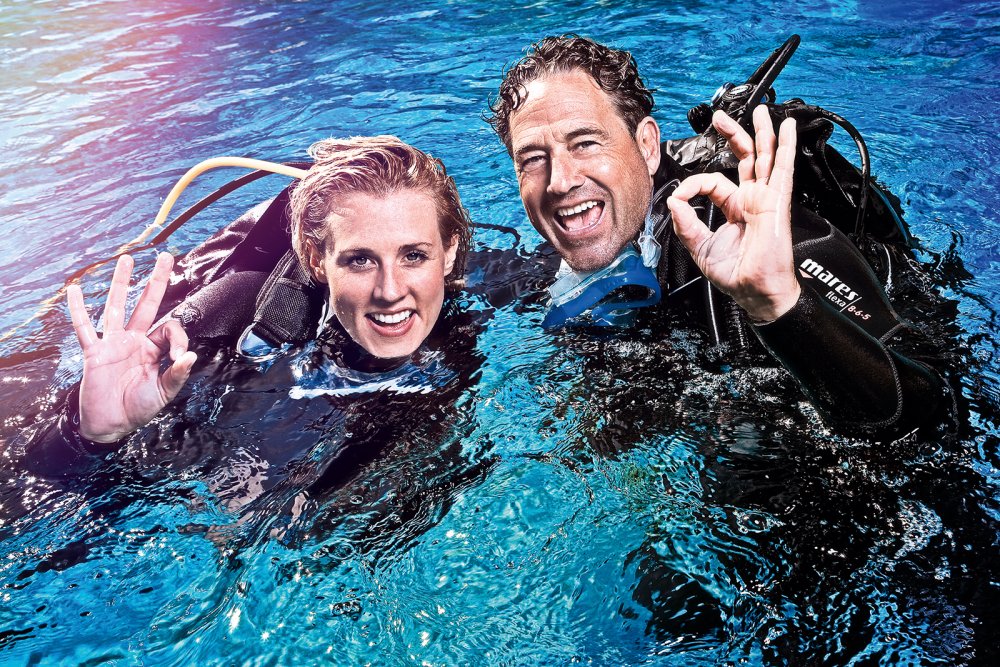
The Cenotes offer excellent diving conditions year-round, making it possible to dive at any time. Water temperatures remain relatively stable, averaging 24°C–26°C/75°F–79°F, providing comfortable conditions for divers. Visibility is typically outstanding, often exceeding 30 meters/98 feet due to the clear, filtered water unique to these formations.
The weather in the region is generally warm, but divers should be mindful of the rainy season from June to October. During this period, heavy rains can increase water levels and slightly reduce visibility. However, the cenotes are largely sheltered from wind and currents, minimizing their impact on diving conditions. While diving is feasible throughout the year, the most favorable conditions occur during the dry season from November to May.
The Cenotes, natural sinkholes filled with freshwater in the Yucatán Peninsula, offer unique diving experiences with diverse marine life. Common reef fish include the vibrant blue tang, angelfish, and damselfish, easily spotted among the underwater limestone formations. The calm, clear waters make encounters with these species frequent and rewarding for divers.
Seasonal highlights include the chance to see bull sharks, particularly near Playa del Carmen during the winter months, while green sea turtles can be observed year-round in certain areas. Rays, such as the eagle ray, are more common during the cooler months, from December through February. Visibility in the Cenotes is generally excellent, enhancing the likelihood of spotting these fascinating creatures.
Wildlife Sightings are Based on User Generated Content
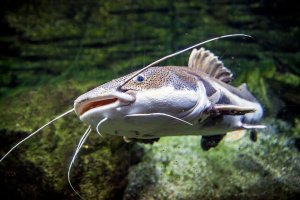
The image shown is a representative illustration and does not depict every individual animal in this category.
Total number of species approx.: 3000
The image shown is a representative illustration and does not depict every individual animal in this category.
Total number of species approx.: 16
The image shown is a representative illustration and does not depict every individual animal in this category.
Total number of species approx.: 90
The image shown is a representative illustration and does not depict every individual animal in this category.
Total number of species approx.: 30
The image shown is a representative illustration and does not depict every individual animal in this category.
Total number of species approx.: 600
The image shown is a representative illustration and does not depict every individual animal in this category.
Total number of species approx.: 360
Curated by Interest
Mares
Aqualung
Shutterstock-Zi Magine
Mares-Predrag Vuckovic
Scubapro
Shutterstock-Ethan Daniels
Mares-Predrag Vuckovic
Mares-Bjoern Dorstewit
Playa del Carmen, Cozumel, Cenotes—unforgettable dives await!
Show OfferPlaya del Carmen, Cozumel, Cenotes—unforgettable dives await!
Show Offer