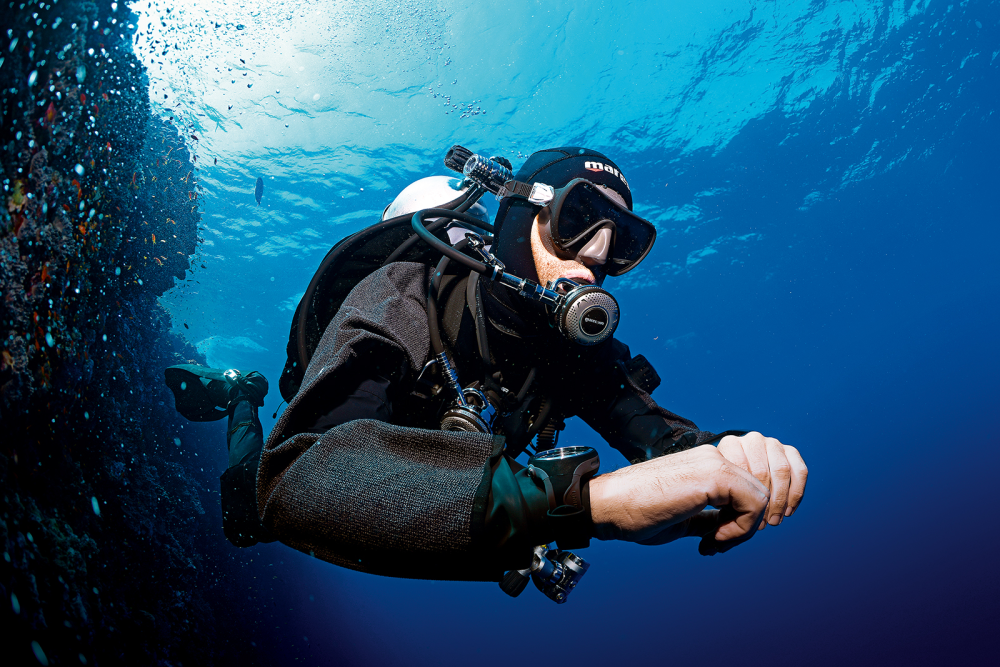
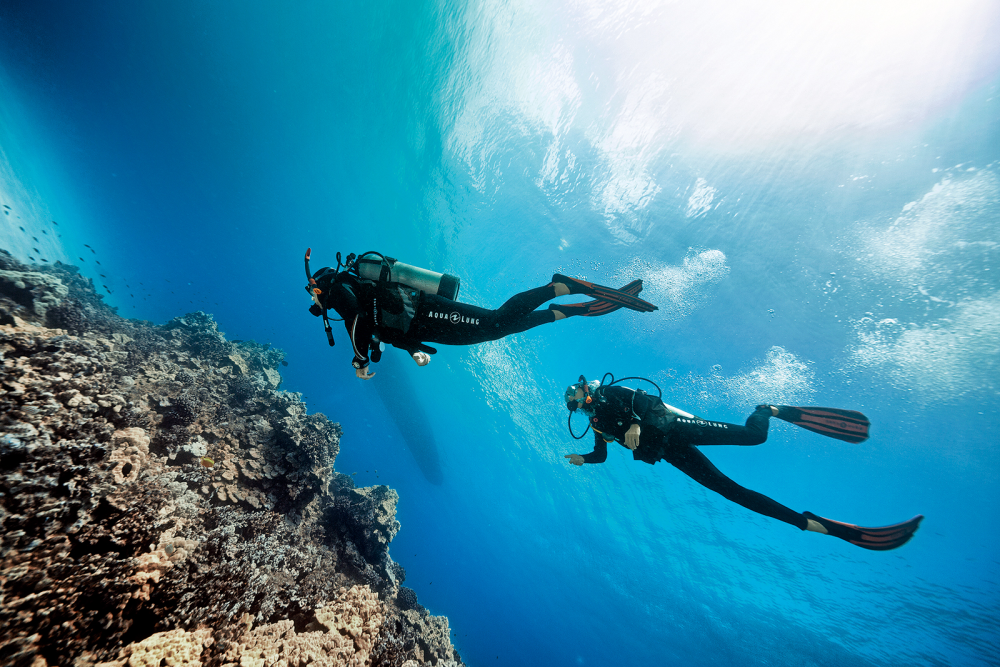
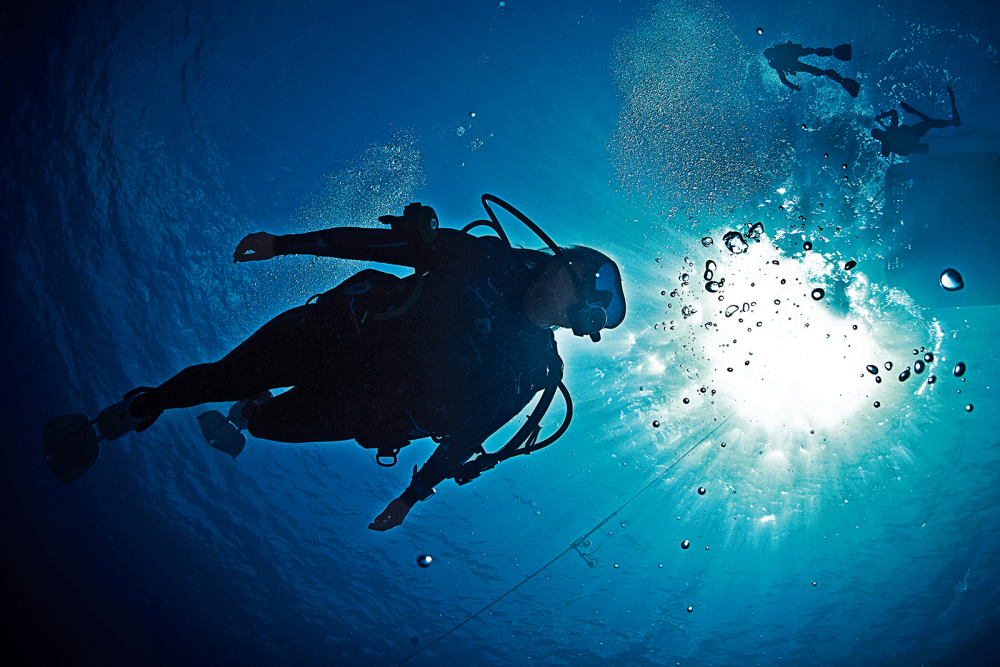
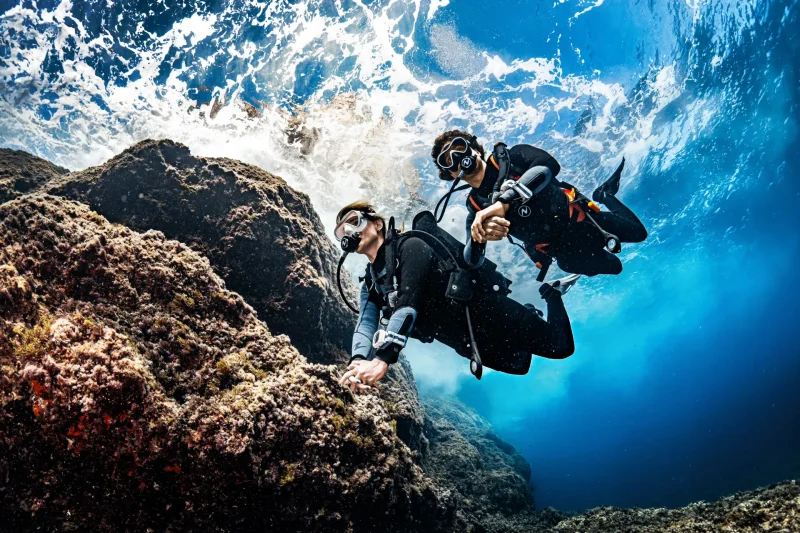
LEARN TO SCUBA DIVE WITH ADRENOBook Now !!https://adreno.com.au/pages/ssi-open-water-diver-course-adreno-brisbaneEmbarking on the journey to become a certified scuba diver is an exciting and rewarding adventure that opens up a world of exploration and wonder. Here's why the Open Water Diver course is the perfect opportunity to dive into this thrilling experience:Accessible Learning: With online learning options available, getting certified as a scuba diver has never been more convenient. Our Open Water Diver course typically takes just three days to complete, allowing you to quickly progress from novice to certified diver.Exploring the Underwater World: Scuba diving offers a unique opportunity to explore the vast and fascinating underwater realms that cover 70% of our planet. As a certified diver, you'll have the freedom to dive into a world of adventure, beauty, and wonder, discovering hidden treasures and encountering a diverse array of marine life.Unrivalled Beauty: From the smallest creatures to the majestic giants of the ocean, the underwater world is teeming with life and beauty. Whether you're captivated by colourful coral reefs, mesmerized by schools of tropical fish, or awestruck by encounters with marine mammals, every dive promises unforgettable moments of awe and wonder.Life-Changing Experiences: Scuba diving offers experiences that go beyond the ordinary, providing opportunities for personal growth, exploration, and connection with the natural world. As you immerse yourself in the underwater environment, you'll gain a newfound appreciation for the beauty and diversity of marine life, fostering a deeper sense of stewardship for our oceans.Begin Your Adventure Today: If you've ever dreamed of becoming a certified scuba diver, there's no better time than now to take the plunge. With Adreno’s Open Water Diver Course, you'll receive expert instruction and guidance as you embark on this thrilling journey into the underwater world.Don't miss out on the opportunity to become a certified diver and unlock a lifetime of adventure beneath the waves. Enroll in the Open Water Diver Course today and start your journey towards becoming a part of the vibrant and exhilarating world of scuba diving.OUR DIVE COURSE – Take the Plunge!Ready to swap the everyday for the extraordinary? Our Learn to Dive Course is your passport to a whole new underwater world! In just three steps — online learning, pool training, and open water dives — you’ll become a fully certified Open Water Diver, licensed to dive with a buddy to a depth of 18 metres, anywhere in the world. Adventure officially unlocked!POOL & ACADEMICS TRAINING (Day 1) – Conducted at our Brisbane Store & Local PoolAs soon as you book, you’ll dive straight into the Online Training program. Learn at your own pace, whenever and wherever it suits you. With six easy-to-follow sections and a quick multiple-choice exam at our Dive Centre, you’ll be ready to gear up.Next stop — the pool! Here, you’ll master the basics of scuba and essential self-rescue skills in a safe, controlled environment. Once you’re comfortable, it’s time to swap pool tiles for the real deal — the open ocean!OPEN WATER SESSIONS (Days 2 & 3) – Shore Dives at the Gold Coast Seaway or Tweed River. Boat Dives depart Manly or ClevelandThis is where the magic happens! Over two epic days, you’ll complete at least four ocean dives (location depends on weather & tides). This is your chance to explore, practice, and put your new skills into action surrounded by marine life. By the end, you won’t just be learning — you’ll be living the diver lifestyle and walking away as a certified diver!EQUIPMENT – Your Underwater ToolkitScuba gear is your life-support system, and we’ve got the essentials covered! Your hardware (Dive Computer, BCD, Regulator, Tank & Wetsuit) will be supplied by us.Your software — Mask, Snorkel, Fins, and Dive Boots — is all about personal comfort and fit. Think of them as your custom connection to the ocean. A well-fitting mask means no leaks, no fuss, just pure underwater bliss! For this reason, you’ll need to purchase your own set, and our friendly team will help you find the perfect fit so you’re dive-ready from day one.Your adventure starts here. The ocean is waiting — are you ready to answer the call? IMPORTANT NOTES• Cost of the Course is $799.00• Minimum of 4 Students required per course, thus will guarantee the course will run. If we don’t achieve this minimum number, we will move your booking to the next available date.• Maximum of 6 Students only per course• Closer to the start of your course, a detailed itinerary with times, dates and addresses will be emailed to you.• Designed for beginners, no experience necessary.• Internationally recognised certification to scuba dive anywhere in the world.• Become qualified to dive depths of up to 18 metres.• All scuba diving equipment is supplied, except Mask, Snorkel, Fins & Boots.• Online learning at no additional cost to save time in the classroom.• Pool training conducted in a heated pool.• 2 Shore Dives, conducted in the Tweed River or the Gold Coast Seaway, then 2 Boats Dive out on Moreton Bay• Maximum 6:1 student to instructor ratio.• The minimum age to participate is 12 years old (a parent's or guardian's consent is required for participants under 18 years old.)• All participants must complete a Medical Questionnaire. If any of the questions are flagged as "Yes" you may need to gain medical clearance from a doctor prior to participating. Please ensure you complete this Medical Questionnaire before the start of your Open Water Course.• You must be able to swim 200 metres without stopping. There is no time limit for this, and you may use any swimming stroke(s) you want. You must be able to float or tread water for 10 minutes, again using any method(s) you want.If the course starts on a Saturday (Over 2 weekends): -Day 1 - Saturday - Orientation, Pool Training & Theory ExamDay 2 - Saturday - Two shore dives Day 3 - Sunday - Two boat divesIf the course starts on a Friday (Over 1 weekend): -Day 1 - Friday - Orientation, Pool Training & Theory ExamDay 2 - Saturday - Two shore dives Day 3 - Sunday - Two boat divesTo Book Your Spot Today!!!!Please contact our Brisbane Store for any inquiriesPhone: 07 3391 2299Email: brisbane@adreno.com.au** Minimum number of students required for course to run **
ADRENO BRISBANE, Live It, Breathe It, Dive It, 56 Deshon Street, 4102, WOOLLOONGABBA, QLD, AUS
November 8, 2026
+10 More