Diving in Anilao
Anilao diving is famous for its muck
diving. Muck diving is a bit of a misnomer, usually the seabed is not “mucky”
as such, but it can be sandy or silty and it can refer to almost any dive where
you spend your time with your head buried in the seabed rather than looking up!
One of the things that makes Anilao muck diving so impressive is the warm,
volcanic sands which are very nutritious. Something that muck diving lovers
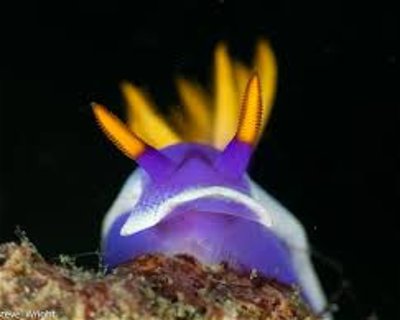
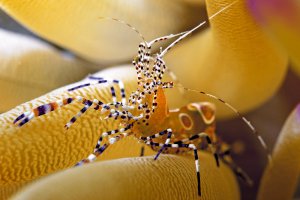
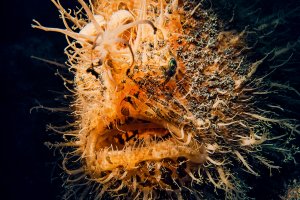
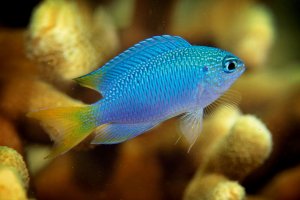
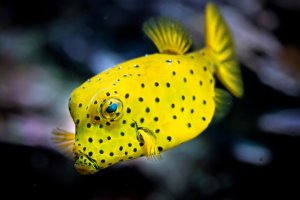
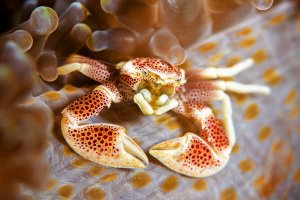
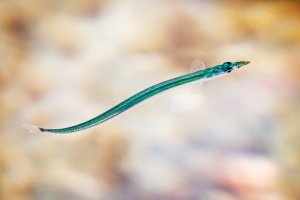
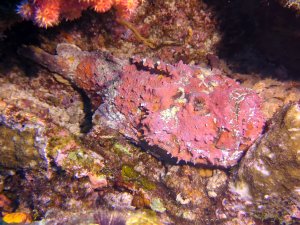
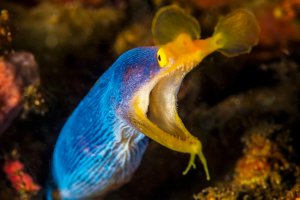
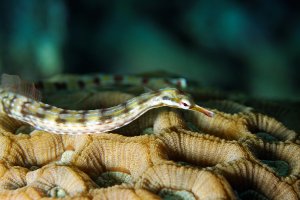
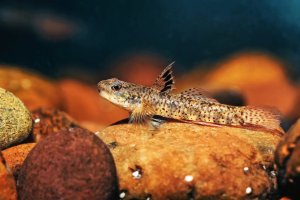
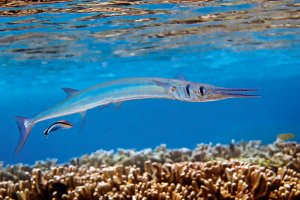
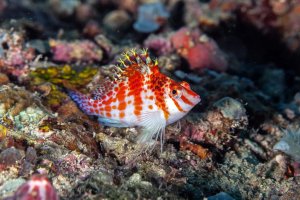
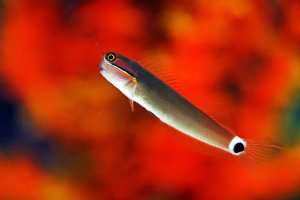
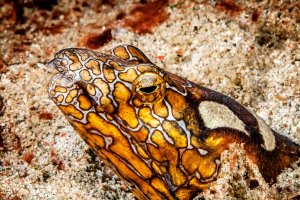
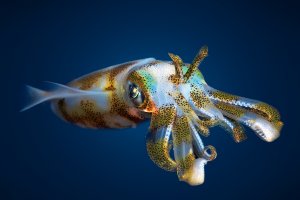
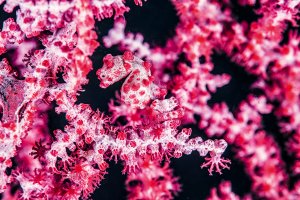
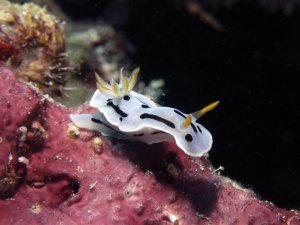
will love about Anilao is the biodiversity. Nudibranch, shrimp and interesting
fish and other beasties like bobtail squid and stargazers can be found burrowed
in the seabed here.
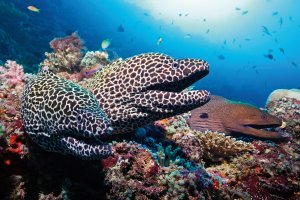
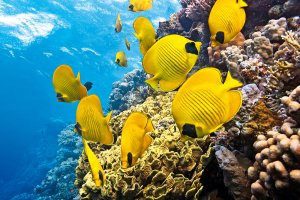
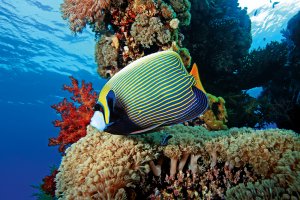
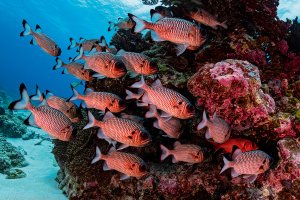
Reef diving is also popular here as the
corals are so healthy and so varied. They have such vibrant colours, even 30m
below, that you will scarcely believe your eyes. Some of the sites provide
moderate to strong currents if the conditions are right, so you can drift
serenely over the reefs, enjoying the abundance at every turn.
The ocean conditions are usually calm
here. This makes the area perfect for beginner dive courses from one of the
many dive resorts. Liveaboards also commonly pass this way and moor for several
days. These trips often take in other local sites like Coron, Apo Reef and
Puerto Galera.
The best Months to dive in Anilao
Diving in Anilao is available all year
round. However, due to its location in the typhoon belt, it is subject to
seasonal changes in the weather which can affect your holiday and the diving
conditions.
The dry season is from November to June;
rainfall is minimal and the winds are low. This means that diving conditions
are generally good due to calm waters. May and June tend to be the warmest
months with water temperatures regularly hitting 29oC.
December to February are the coldest
months, with water temperatures sometimes reaching 25oC and necessitating a
full length 3mm at a minimum for most divers. Though this is distinctly chilly,
it does create the best conditions to see all the rare macro critters, not only
do they thrive in the cold, but rarer creatures come up from deeper waters.
The rainy season runs from July - October.
Though there can be long spells of fine weather, there can also be prolonged
storms and typhoons which can disrupt diving. Directly following a storm, macro
life may spend a few days hiding from the turbulent conditions in the shallow
water. It tends to be quieter too - the dryer months have many tourists,
especially at weekends and on holidays like New Year and Easter.