Fahrt zum Attersee in Österreich im März 2027
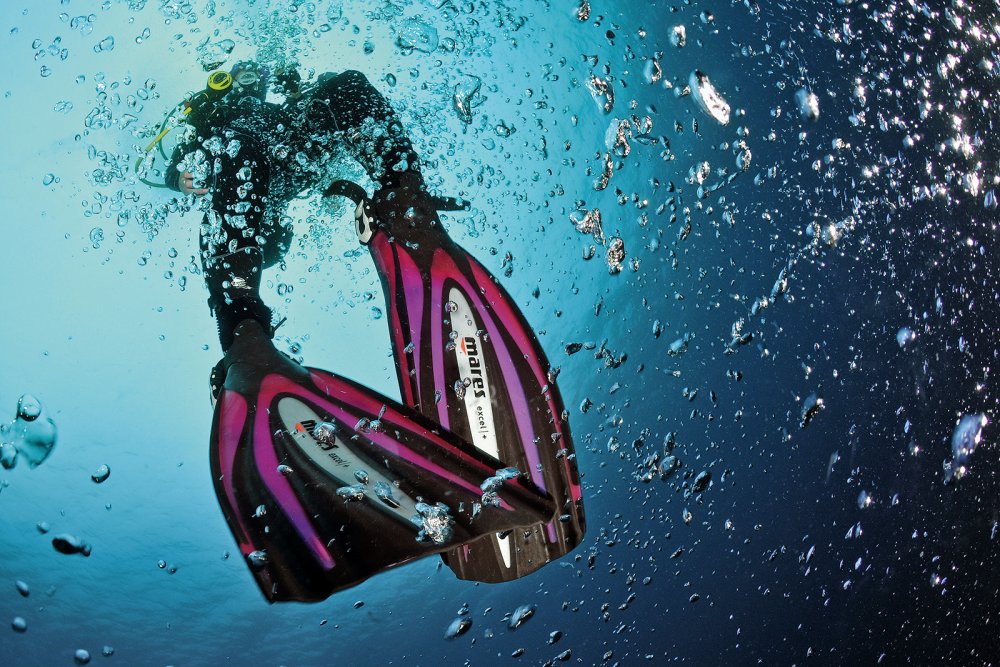
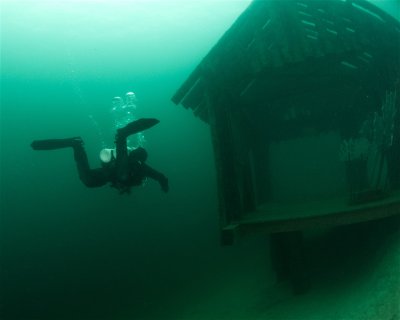
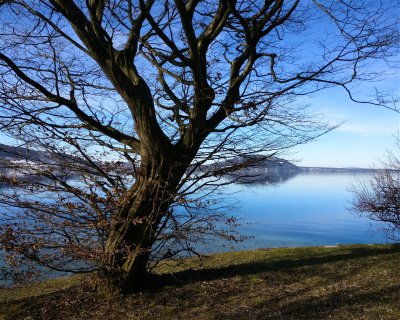
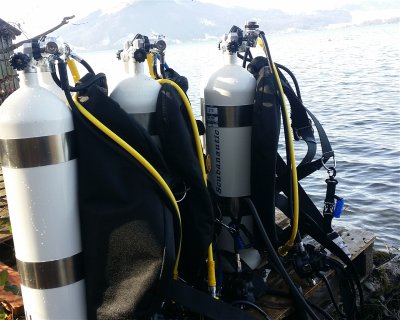
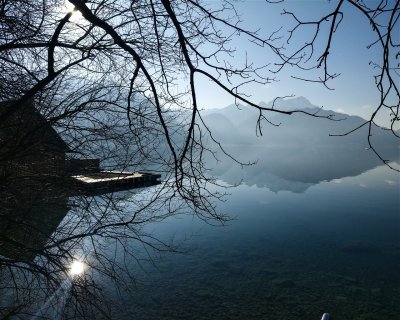
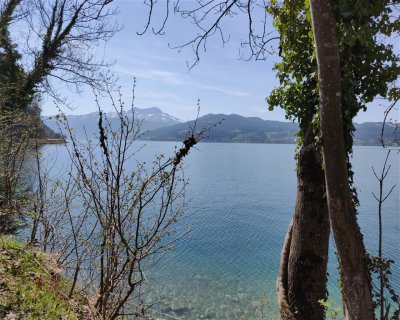
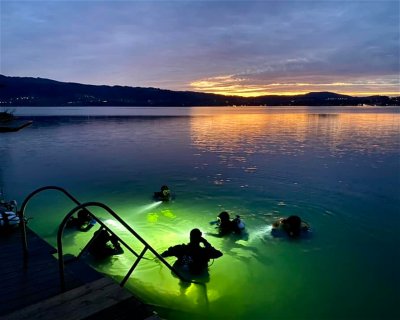
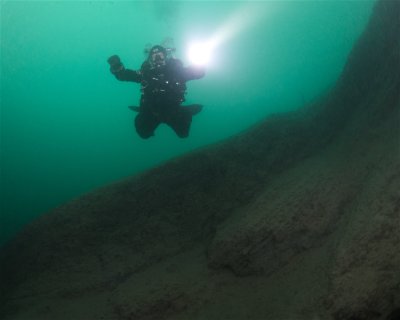
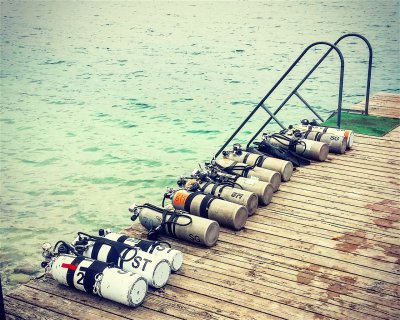
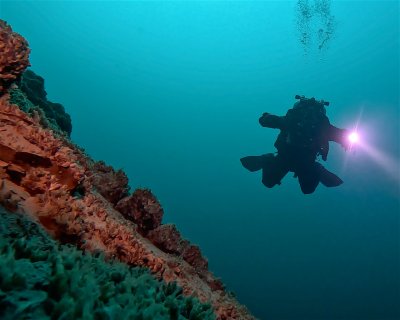
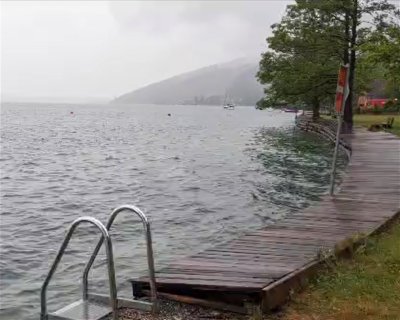
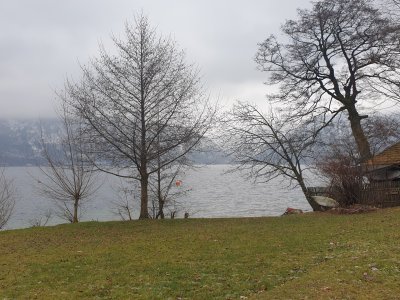
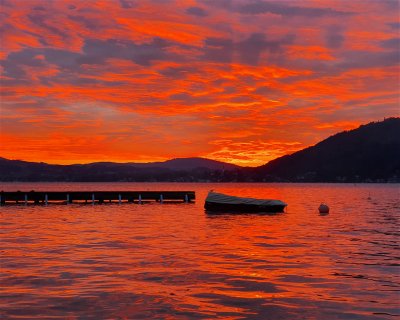
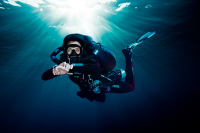
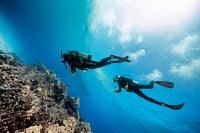
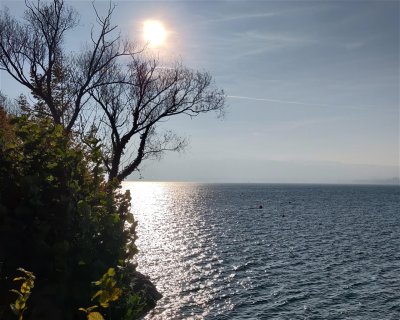
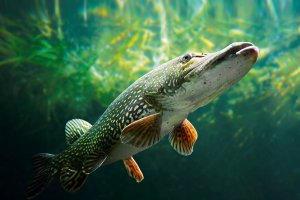
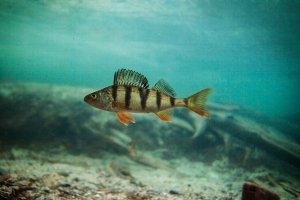
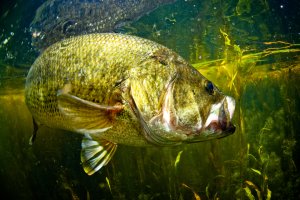
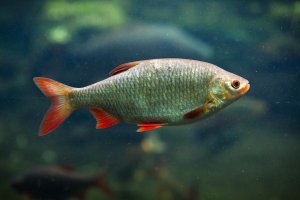
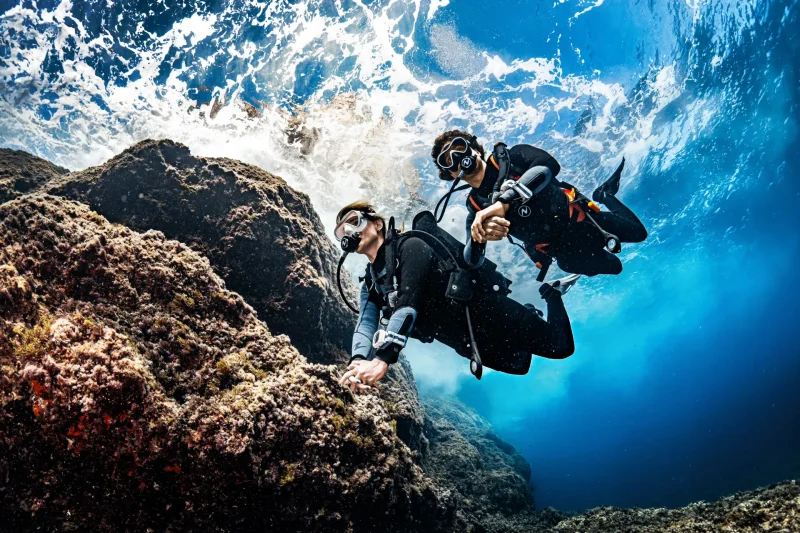
Nestled in a charming, diverse landscape lies Austria’s largest inland body of water, the Attersee. With an area of approximately 48 km², a length of 23 km, and a maximum depth of about 171 m, it is the “hot spot” and, at the same time, the heart of the Salzkammergut for all diving enthusiasts in the region.The Attersee offers ideal conditions for diving challenges of all difficulty levels throughout the year: From December through March, visibility consistently reaches 20 m. Even during the height of summer, when visibility ranges from 5 to 10 m, daylight penetrates to a depth of 30 m.With numerous diving zones and interesting dive sites, Lake Attersee is an exciting recreational area for beginners, experienced recreational divers, and children alike. Dive into the primeval “Wandl,” experience the imposing cliff face at the “Kohlbauernaufsatz,” or let yourself be enchanted by the “Unterwasserwald Kammer”!Lake Attersee, with its outstanding topography, stunning underwater flora and fauna, and, last but not least, its excellent water quality, is a wonderful place—and not just for divers and water sports enthusiasts. Thanks to these favorable conditions, a diversity of fish species has developed here unlike in almost any other body of water in Austria. A total of 26 native fish species can be observed in their natural habitat. Night dives, in particular, offer truly extraordinary experiences.There are few places in the world where you can dive as freely and with such good organization as in Austria—but that’s not something to be taken for granted! Lake Attersee, along with the surrounding public waters of Lake Mondsee, Lake Wolfgangsee, and Lake Traunsee, is the center of Alpine diving. The often enormous number of divers led to problems and, consequently, efforts to impose restrictions and far-reaching bans; just to preserve the Attersee as a diving site, ARGE Tauchen Austria and the Dive Card had to be launched. Since then, ARGE Tauchen has been working almost daily to maintain optimal diving conditions, especially at Attersee, and one thing is certain: without ARGE Tauchen and without your support through the purchase of a Dive Card, diving in Attersee—and consequently in other public waters—would by now be severely restricted and, in many places, prohibited.
Tauchschule Alexander Fritzenschaft, Froschmann, Schwerdstr. 40, 67346, Speyer, DEU
March 6, 2027