Explore Bussleton
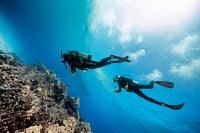
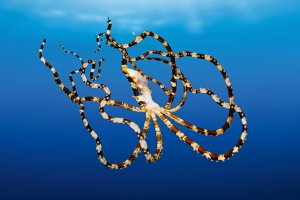
Busselton city is located in the south-west region of Western Australia. Scuba diving in Busselton is centred around Geographe Bay, which is home to Australia’s second-largest seagrass meadow and has an abundance of marine life to rival any tropical reef. Explore some of the best wreck dives in Australia, where you will uncover treasures from the past, or take dive courses in Busselton’s shallow sites that can be entered from the shore. Wobbegong sharks, octopus, and the call of migrating humpback whale will accompany on your dive.
Scuba diving in Busselton is possible from a few dive centres in the area while if you intend to delve deeper into WA diving, explore the coastline via visiting liveaboards.
Dive Activity
Diving in Busselton
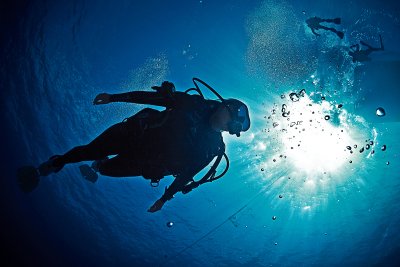
Located near Dunsborough, the HMAS Swan Wreck is one of Western Australia’s most spectacular artificial reefs and is popular among scuba divers. The naval destroyer was scuttled in 1997 and now lies in Geographe Bay with another wreck, the F.V Lena Wreck. For those who intend to take part in dive courses, training dives are hosted in the sandy patches of Busselton Jetty. Once a certified diver, head out into Geographe Bay’s four-mile reef system to explore limestone caves and towering coral bommies surrounded by a myriad of marine life.
Top Wildlife Sightings in Busselton
While at Busselton Pier, divers will encounter herring and salmon swirling around the pylons while closer to the seafloor you will find brightly coloured nudibranch, sea stars, large smooth rays, eagle rays, elusive octopus and curious cuttlefish. At wreck dives, there are resident wobbegong sharks while a number of pelagic species move through the site, including Samson fish, yellowtail kingfish and tuna. Elsewhere around towering coral bommies and in limestone caves, divers will find an abundance of western rock lobster, urchins and blue devilfish. During the migratory season, humpback whales may be seen on your safety stop or during your dive, gracefully making their way through the blue.
Wildlife Sightings are Based on User Generated Content
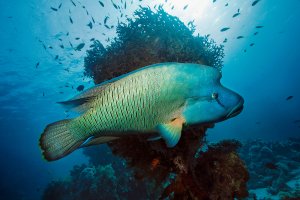
The image shown is a representative illustration and does not depict every individual animal in this category.
Total number of species: 300
The image shown is a representative illustration and does not depict every individual animal in this category.
Total number of species: 600
Wrasse
The image shown is a representative illustration and does not depict every individual animal in this category.
Total number of species: 120
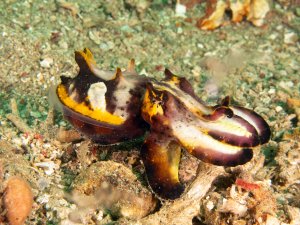
Cuttlefish
The image shown is a representative illustration and does not depict every individual animal in this category.
Total number of species: 130
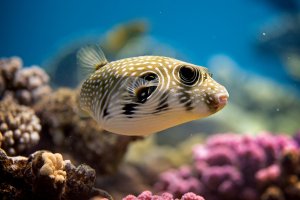
Pufferfish
The image shown is a representative illustration and does not depict every individual animal in this category.
Total number of species: 25
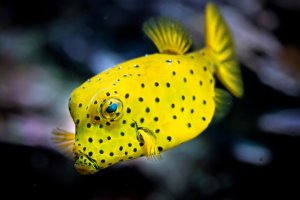
Boxfish
The image shown is a representative illustration and does not depict every individual animal in this category.
Total number of species: 80
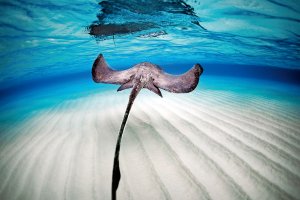
Stingrays
The image shown is a representative illustration and does not depict every individual animal in this category.
Total number of species: 3000
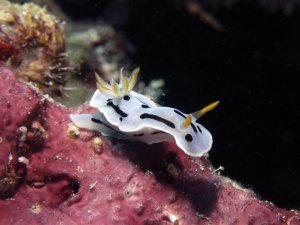
Nudibranch
The image shown is a representative illustration and does not depict every individual animal in this category.
Total number of species: 300
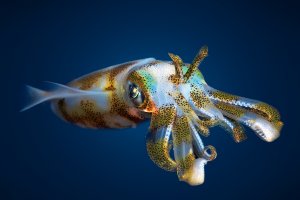
Squid
The image shown is a representative illustration and does not depict every individual animal in this category.
Total number of species: 250
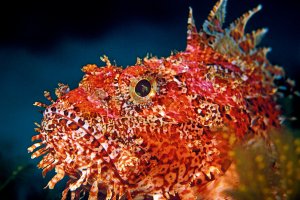
Scorpionfish
The best months to dive in Busselton
Busselton diving is best during the summer months from late September to mid-May. Outside of these dates, no tours operate to some of the dive sites, such as the Swan Wreck. From the months of September to November it is not unusual to see a humpback whale during their annual migration and even if you can not see them, you will definitely hear them! To avoid ‘traffic’ at the popular wreck dive sites, it may be best to dive from liveaboards where you can arrive at the dive site early to avoid busy times.