Explore Camiguin Island
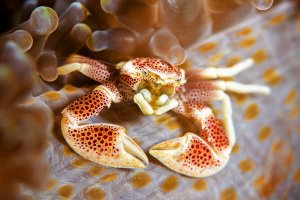
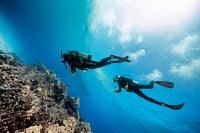
Camiguin Island, otherwise known as ‘The Island Born of Fire’, has a dramatic volcanic history. Today, the volcanoes are at rest and waterfalls, natural springs and underwater lava flows await discovery. Known by very few tourists, Camiguin remains one of Philippines best-kept secrets, where divers can enjoy peaceful black sand muck dives or pristine coral reefs along slopes and walls.
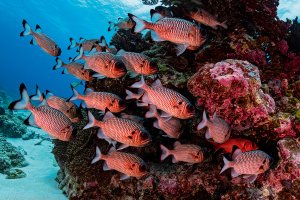
There are a number of dive resorts and dive centres that provide access to the Bohol Sea in Mambajao, where the island's main strip is located. If you plan to visit more than one of the beautiful islands in the Mindanao region, hop on one of the visiting liveaboards.
Dive Activity
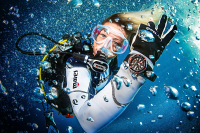
Diving in Camiguin Island
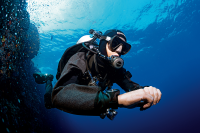
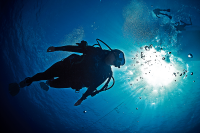
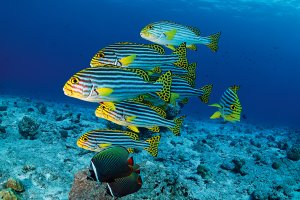
Camiguin Island has started to gain a real reputation for interesting muck dives in volcanic black-sand like Sunken Yacht, which also features the wreck of a small sail-boat. Many of the sites are accessible for novice divers, while there’s always the opportunity to upgrade your skills with dive courses on offer to descend deeper into the Bohol Sea. Dive 30-metres into Jigdup Reef’s wall or follow the trail of lava along rocky slopes at Old Volcano. From Mambajao shores, take a day trip to Mantigue Island Nature Park for large schools of tropical reef fish or visit a former burial site at Sunken Cemetery.
Top Wildlife Sightings in Camiguin Island
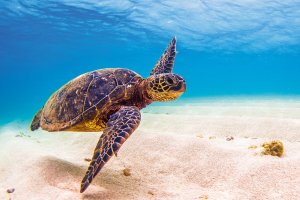
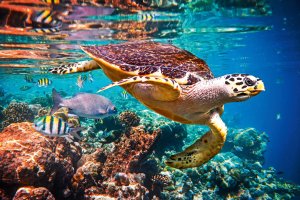
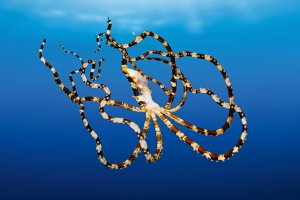
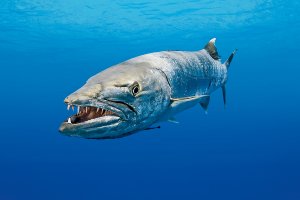
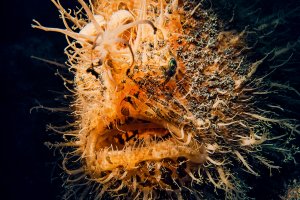
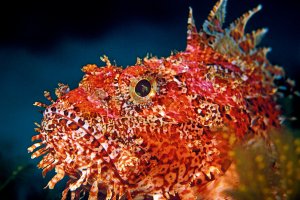
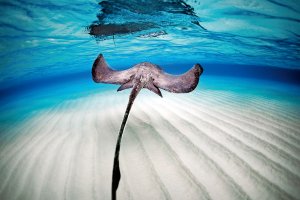
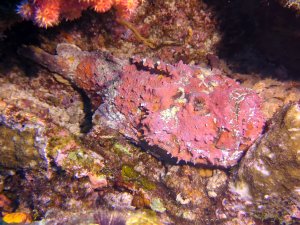
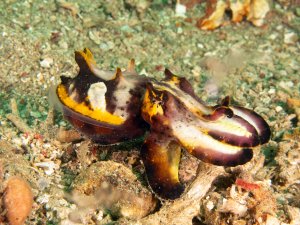
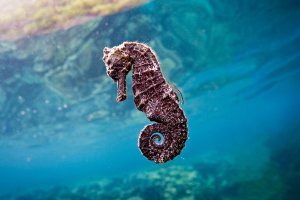
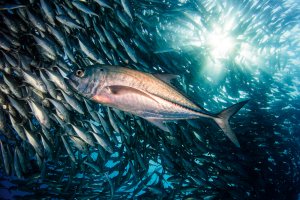
Camiguin Island diving offers the same macro critters found at the Lembeh Strait but with fewer crowds. The pygmy seahorse, Ambon scorpionfish, flamboyant cuttlefish and mandarin fish can all be found as well as the extraordinary wonderpus. Search for ghost pipefish, nudibranch, and giant frogfish in black sand muck dives or head to Mantigue Island to witness schools of barracuda, fusilier, and trevally whether you are snorkeling or diving. Hawksbill turtle and white-tip reef sharks reside in many sites while eagle ray, marble ray and manta ray have occasionally been known to visit.
Wildlife Sightings are Based on User Generated Content
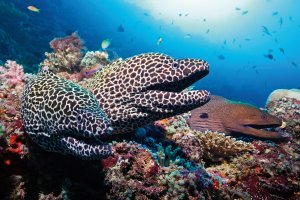
The image shown is a representative illustration and does not depict every individual animal in this category.
Total number of species: 200
Moray Eel
Hawksbill Turtle
The image shown is a representative illustration and does not depict every individual animal in this category.
Total number of species: 27
Barracuda
The image shown is a representative illustration and does not depict every individual animal in this category.
Total number of species: 600
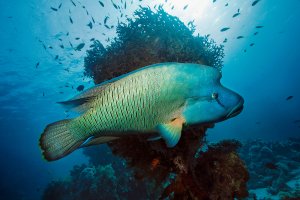
Wrasse
The image shown is a representative illustration and does not depict every individual animal in this category.
Total number of species: 300
Octopus
The image shown is a representative illustration and does not depict every individual animal in this category.
Total number of species: 28
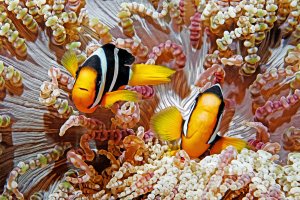
Clownfish
The image shown is a representative illustration and does not depict every individual animal in this category.
Total number of species: 12
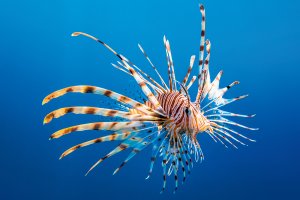
Lionfish
The image shown is a representative illustration and does not depict every individual animal in this category.
Total number of species: 3000
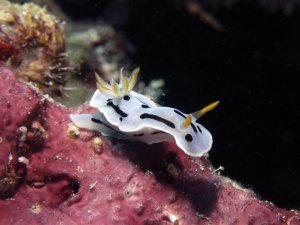
Nudibranch
The image shown is a representative illustration and does not depict every individual animal in this category.
Total number of species: 130
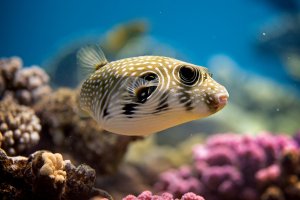
Pufferfish
The best Months to dive in Camiguin Island
Scuba diving in Camiguin Island is good year-round, yet the best time to visit is in the dry season between November and April. The rain in the wet season, from May to October, is dramatic but short-lived and rarely ever interferes with diving. Camiguin’s location, south of the main typhoon belt, means typhoons are rare but not impossible and if one does occur it is likely to be in September and October.