Español/Borracho (★4.3)
A fun reef dive with a cave and swim-through at about 4.5 meters deep. An easy dive with no current great for beginning divers and snorkelers alike.
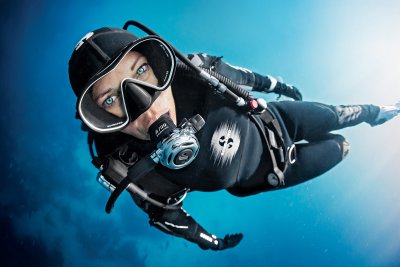
Cayo Santa Maria is a tropical island which lies in the Jardines del Rey archipelago, off of the north coast of Cuba. It is attached to the mainland with a bridge and known for its tropical island features of sparkling turquoise waters and white sandy beaches. These relaxing vibes translate into the underwater world as well. The calm, crystal clear waters filled with a vibrant array of marine flora and fauna create almost a meditative diving experience. These species are attracted to, and live among the coral gardens, caves, tunnels and remnants of old wrecks, which results in some stunning dives. Divers can explore these waters either from the handful of dive centres or from liveaboards. Whether divers are hoping to gain new skills in dive courses or just relax above, and below the water, Cayo Santa Maria is the ideal diving destination.
There are numerous rock formations which lie upon sandy bottoms which create corridors that divers can swim through of which the walls are often completely coral encrusted. There are some large rock formations which have a system of small tunnels and caves running through them for a nice taste of overhang environment diving. The dive sites are shallower in general which means the sun rays are able to really illuminate the many colours of the marine environment, for a beautiful dive. These features also provide the perfect setting for dive courses, for night dives and for underwater photographers to capture some beautiful underwater shots.
What enhances the beauty of diving here is the crystal-clear water, with visibility averaging around 30 meters/98 feet, the calm waters as there is a real lack of currents here, and the warm waters. The water temperatures here range between 23°C–29°C/73°F–84°F.
Between November and April is the dry season, which is also the time of the year with the best, calmest, and warmest water conditions. The other months of the year are generally wetter, but due to the warm waters, it is still possible to dive.
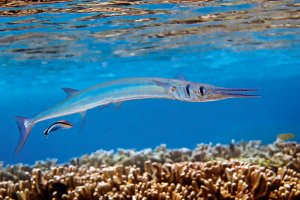
The many rock formations here are often encrusted with a variety of different marine flora, including hard corals, soft corals, sea fans, sea sponges, and sea whips, with some specific species including the impressive black corals, barrel sponges, and gorgonians. The way to imagine it is awkwardly shaped skyscrapers popping up from the rocky topography. These corals are often surrounded by a collection of vibrantly colored reef fish, either individually or in schools. These fish can be spotted having a pampering session in one of the multiple cleaning stations here. Some larger species which have been spotted here include moray eels, groupers which grow up to 1.5 meters/5 feet, barracuda, batfish, and lionfish.
Wildlife Sightings are Based on User Generated Content
The image shown is a representative illustration and does not depict every individual animal in this category.
Total number of species approx.: 27
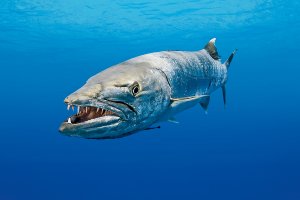
The image shown is a representative illustration and does not depict every individual animal in this category.
Total number of species approx.: 200
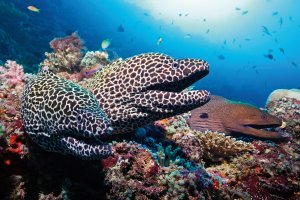
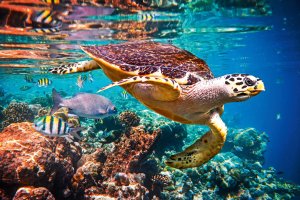
The image shown is a representative illustration and does not depict every individual animal in this category.
Total number of species approx.: 12
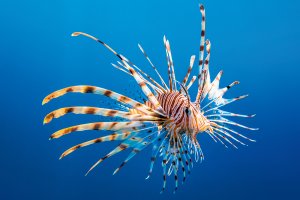
The image shown is a representative illustration and does not depict every individual animal in this category.
Total number of species approx.: 80
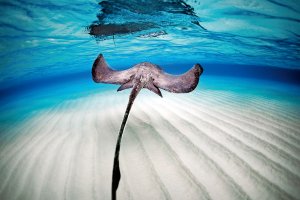
The image shown is a representative illustration and does not depict every individual animal in this category.
Total number of species approx.: 90
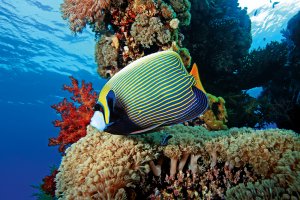
The image shown is a representative illustration and does not depict every individual animal in this category.
Total number of species approx.: 250
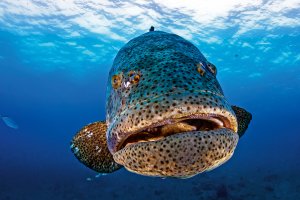
The image shown is a representative illustration and does not depict every individual animal in this category.
Total number of species approx.: 100
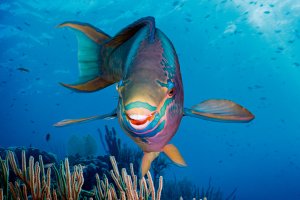
The image shown is a representative illustration and does not depict every individual animal in this category.
Total number of species approx.: 130
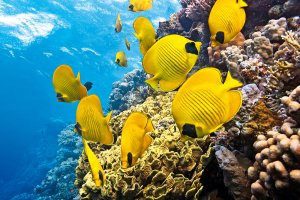
The image shown is a representative illustration and does not depict every individual animal in this category.
Total number of species approx.: 110
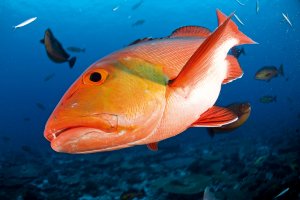
The image shown is a representative illustration and does not depict every individual animal in this category.
Total number of species approx.: 85
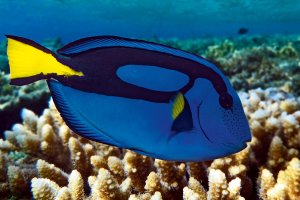
The image shown is a representative illustration and does not depict every individual animal in this category.
Total number of species approx.: 2
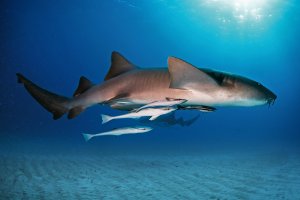
The image shown is a representative illustration and does not depict every individual animal in this category.
Total number of species approx.: 90
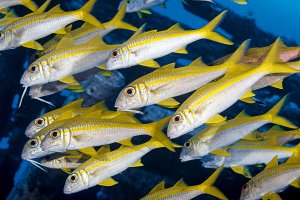
The image shown is a representative illustration and does not depict every individual animal in this category.
Total number of species approx.: 15