Dreetzsee (★3.9)
This dive site boasts a campsite with its own diving center, offering relaxed dives in a refreshing atmosphere.
 © Scubapro
Nestled in the heart of the glacial nature park Feldberger Seenlandschaft, the Dreetzsee offers a unique freshwater diving experience on the border between Brandenburg and Mecklenburg. This secluded location is a hidden gem for divers seeking serene and picturesque underwater landscapes. While diving is restricted in many lakes, the Dreetzsee provides a special opportunity for exploration with permits issued by local dive centers. Divers must adhere to specific entry points to preserve the delicate ecosystem, ensuring that every dive remains both safe and environmentally conscious.
At the Dreetzsee, divers can explore depths up to 10 meters/33 feet, where the underwater terrain is beautifully covered. As you descend beyond 5 meters/16 feet, you'll notice a decrease in aquatic growth, offering clearer views and encounters with local freshwater fish. Although deeper areas might be muddier, the upper levels provide excellent visibility, making it a perfect spot for recreational diving. The lake's tranquil setting, combined with its unique glacial origins, presents an alluring destination for divers eager to experience the natural beauty of Germany's freshwater landscapes.
Dreetzsee, nestled in the scenic landscapes, offers a captivating freshwater diving experience. Among the notable dive spots is the serene shore entry point, ideal for beginners and those seeking a relaxed dive. Divers can explore unique underwater features such as submerged forests and rocky formations that serve as habitats for diverse aquatic life.
In the quarry sections, more experienced divers enjoy the thrill of navigating through deeper waters, discovering hidden crevices and rich biodiversity. The lake is home to various fish species, providing an immersive experience with local aquatic life. Cave diving enthusiasts will also find intriguing passages waiting to be explored, making Dreetzsee a versatile diving destination.
Dreetzsee offers diverse freshwater diving conditions throughout the year, with each season presenting unique challenges and opportunities. In spring, as temperatures begin to rise to around 10°C/50°F, visibility improves with the melting of ice, making it a good time for exploration. However, the water can be chilly, requiring appropriate thermal protection. Summer months are ideal for diving, with temperatures reaching 20°C/68°F. Visibility is at its peak, and aquatic life is most active, providing vibrant underwater experiences. As autumn approaches, the water cools again to about 15°C/59°F, and visibility may decrease slightly due to falling leaves. Winter divers should be cautious, as ice cover may restrict access and visibility can be reduced, necessitating advanced ice-diving skills and equipment.
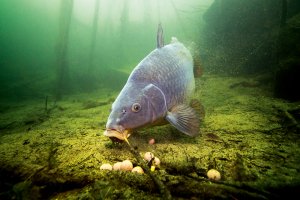
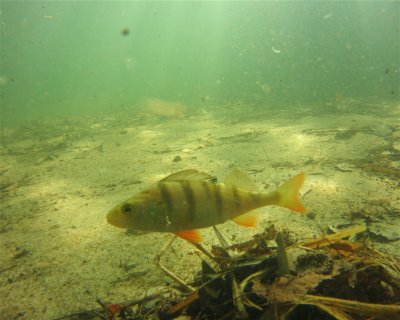
Dreetzsee offers a fascinating range of freshwater wildlife for divers to explore. Typical fish species include perch, pike, and carp, which are often seen near the lake's vegetation-rich areas. The elusive catfish can sometimes be spotted in deeper sections, while the rare sight of a sturgeon is a special treat for lucky divers. Seasonal spawning activity, particularly in spring, enhances the diversity of aquatic life, providing opportunities to observe fish behavior up close.
Visibility in Dreetzsee varies with the time of year, often best in late spring and early autumn when algae blooms are less frequent. The lake's depth can affect sightings, with shallower areas offering more light and better chances to see fish close to the surface. During colder months, fish tend to move to deeper, warmer waters, so divers aiming for sightings might need to adjust their dive plans accordingly. Planning for these conditions can enhance the diving experience and increase the likelihood of encountering Dreetzsee's diverse wildlife.
Wildlife Sightings are Based on User Generated Content
The image shown is a representative illustration and does not depict every individual animal in this category.
Total number of species approx.: 3
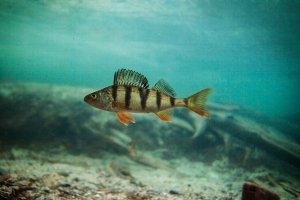
The image shown is a representative illustration and does not depict every individual animal in this category.
Total number of species approx.: 5
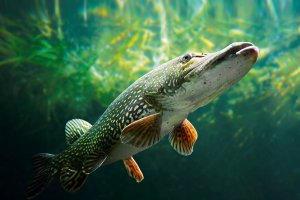
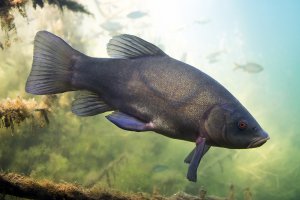
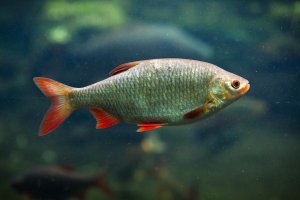
The image shown is a representative illustration and does not depict every individual animal in this category.
Total number of species approx.: 30