Jakarta
Discover Jakarta and explore the heaving and vibrant metropolis.
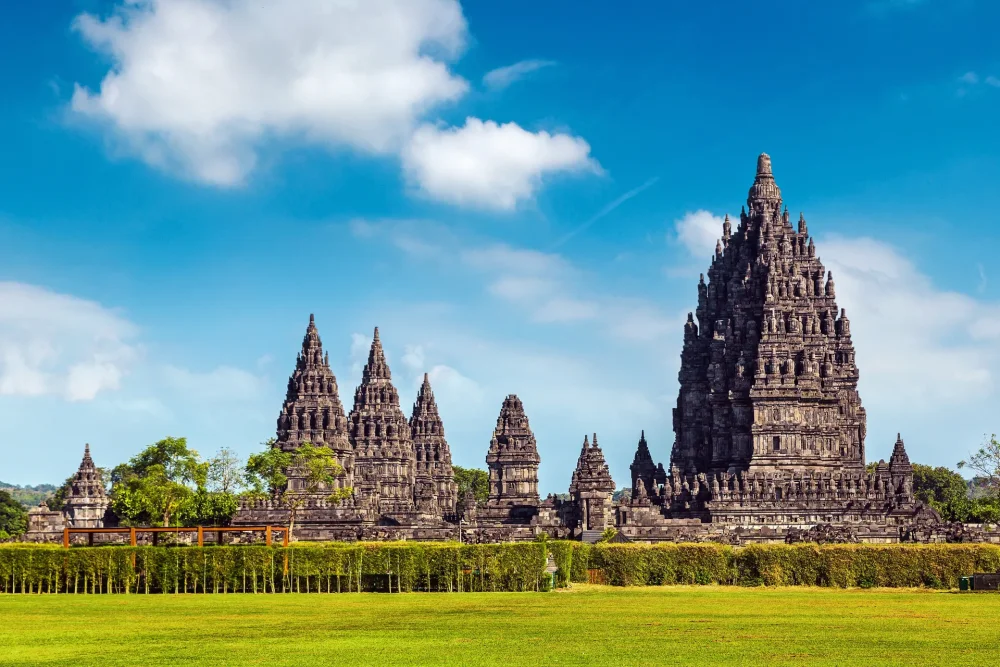 © Shutterstock-Sergii Figurnyi
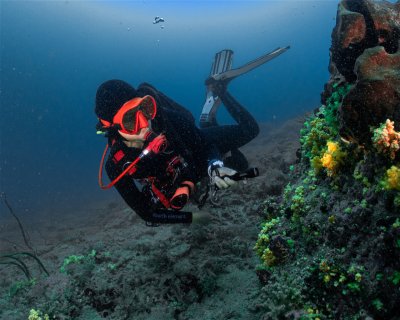
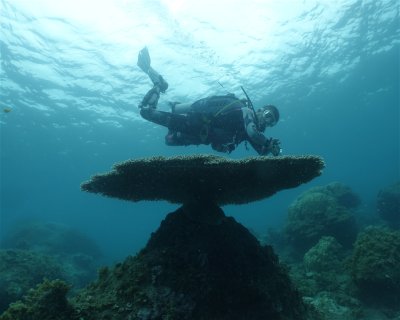
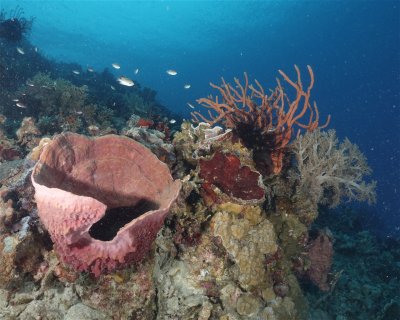
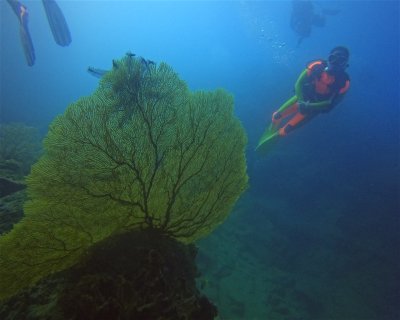
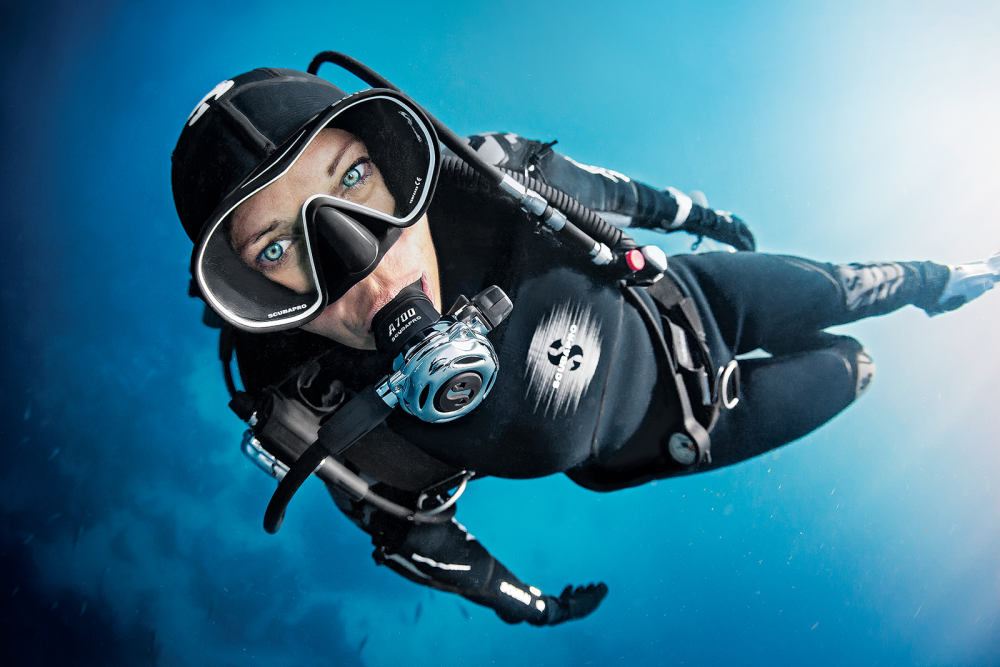
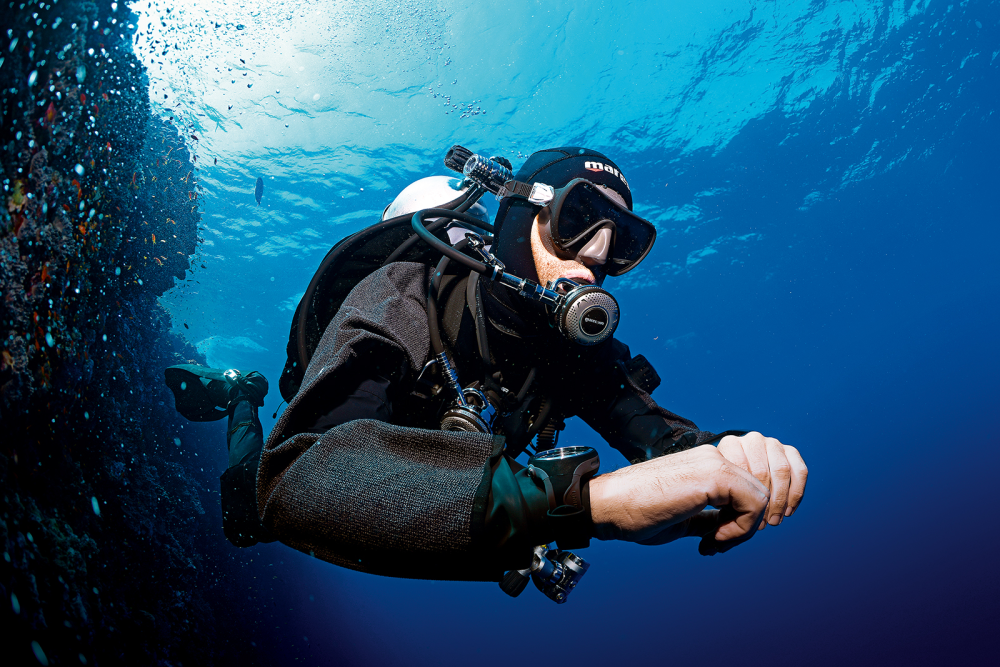
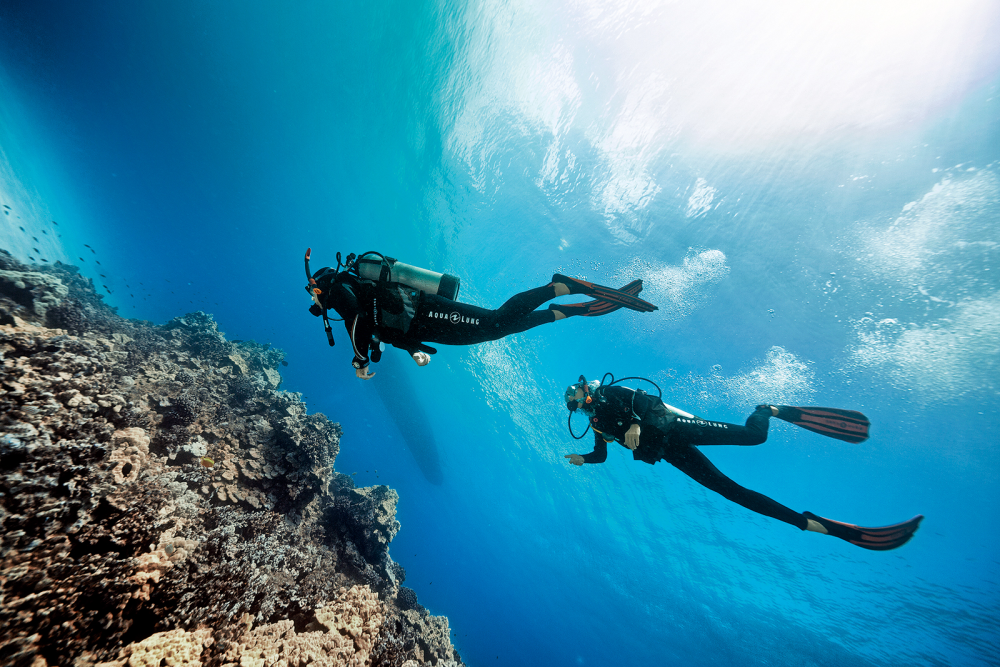
The volcanic nature of Java, Indonesia, and its adjoining islands has led to some incredible underwater formations. From lava rocks and labyrinth tunnels at Krakatoa and Ujung Kulon National Park to calm waters and pristine coral reefs at Thousand Islands and Karimunjawa - scuba diving in Java couldn’t be more diverse.
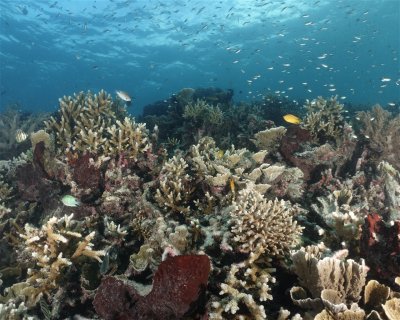
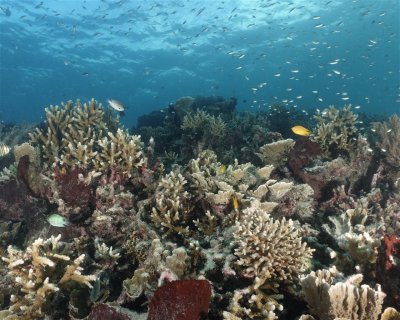
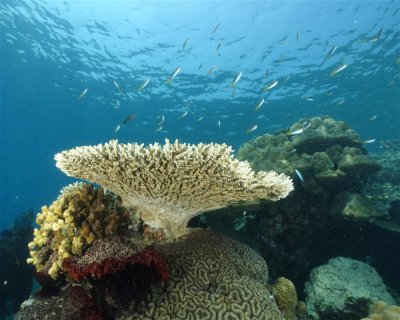
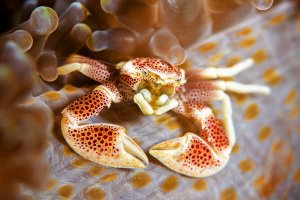
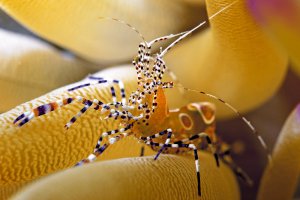
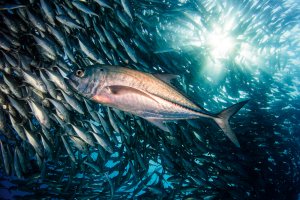
Delve into Java’s crystalline waters at Thousand Islands and Karimunjawa to discover numerous shrimps and crabs hiding among the multi-hued coral reefs. These stunning locations also offer an abundance of reef fish and at one Karimunjawa dive site, there is even the chance to spot the majestic whale shark. To spot more marine megafauna - perhaps not quite as big as the magnificent whale shark - head to the black rocks of Krakatoa and Ujung Kulon. Here, there’s the likelihood of barracuda, reef sharks, and dogtooth tuna all joining you in a drift dive.
You can access the remote dive locations in Java via weekend trips from nearby cities or stay on one of the islands dive resorts. For locations like Krakatoa, there are no dive resorts so often it is more convenient to uncover Java’s underwater secrets from a liveaboard, where the journey itself is a highlight. The best diving spots in Java are located off West and Central Java shores, yet dive centres in Surabaya, East Java offer dive courses among the abundant corals reached from Pasir Putih beach.
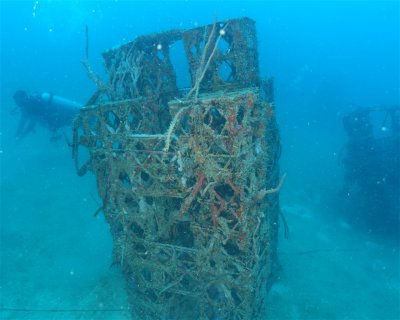
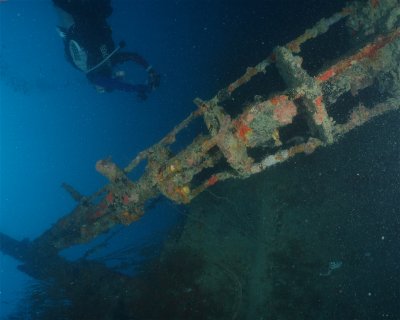
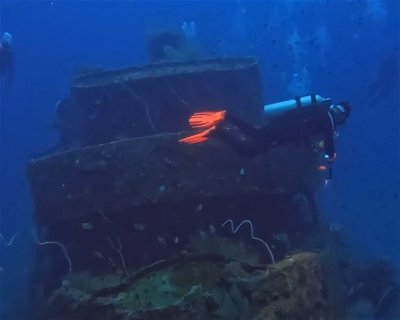
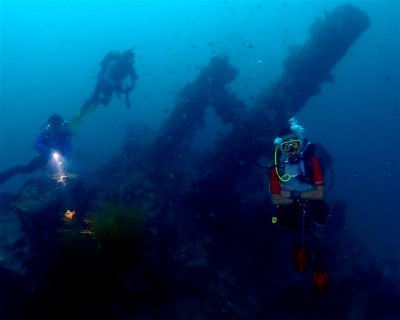
Java, Indonesia, offers a captivating array of dive sites that cater to both shore and liveaboard diving enthusiasts. The island's waters are dotted with notable wrecks like the USS Houston, a historic WWII wreck that promises a glimpse into the past amidst vibrant marine life. Shore dives at spots like Menjangan Island, although technically part of Bali, are accessible from Java and provide stunning coral gardens teeming with biodiversity.
For those interested in unique underwater experiences, night dives at Pulau Seribu reveal the enchanting dance of bioluminescent plankton, creating a mesmerizing underwater light show. Java's strategic location allows divers to enjoy a balance between the ease of shore diving and the extended adventures offered by liveaboard trips, making it a versatile destination for exploring Indonesia's underwater wonders.
Java, Indonesia, offers divers the opportunity to explore its underwater beauty year-round. The water temperatures range from 27°C–30°C/81°F–86°F throughout the year, providing comfortable conditions for divers. Visibility varies, typically ranging from 10–30 meters/33–98 feet, with the best clarity often experienced during the dry season.
Diving is possible all year, but the wet season, from November to April, may bring increased rainfall and occasional storms, which can reduce visibility and lead to stronger currents. The dry season, from May to October, generally offers calmer seas and clearer waters, making it the most favorable period for diving. Divers should be aware of potential strong currents, particularly in coastal areas, and plan accordingly.
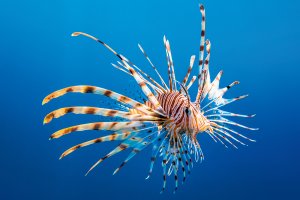
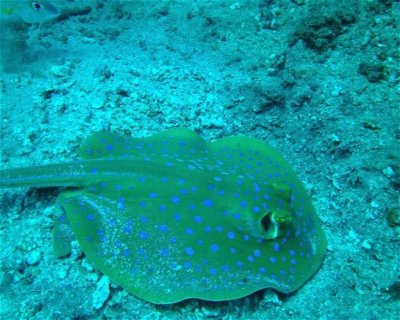
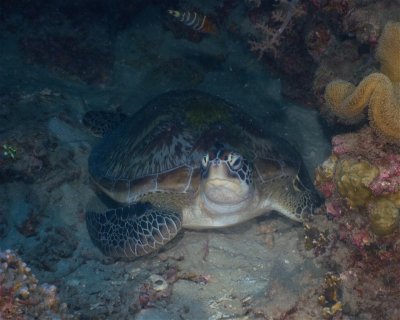
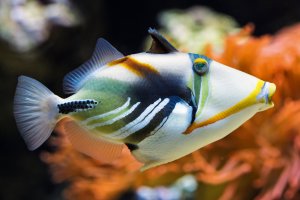
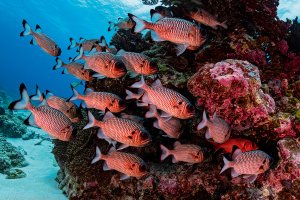
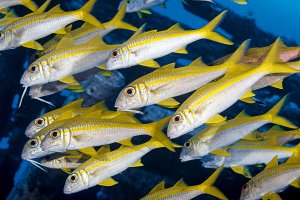
Java, Indonesia, is home to a diverse array of marine life, making it an attractive destination for divers. Common reef fish such as angelfish, butterflyfish, and clownfish can be frequently encountered throughout the year, inhabiting the vibrant coral gardens surrounding the island. These colorful species thrive in the warm, tropical waters, providing a captivating underwater experience. Seasonal highlights include sightings of larger marine creatures. From May to September, divers often encounter white-tip reef sharks and hawksbill turtles, particularly around regions like Karimunjawa and Pulau Seribu. Additionally, manta rays are known to occasionally pass through these waters, especially during the plankton-rich months. The likelihood of encountering these majestic species depends significantly on the specific location and time of year.
Wildlife Sightings are Based on User Generated Content
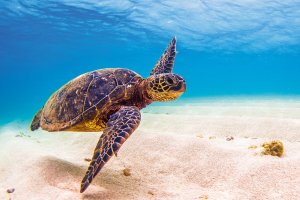
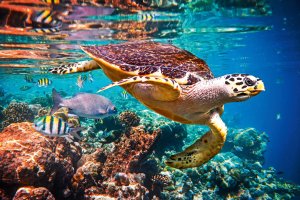
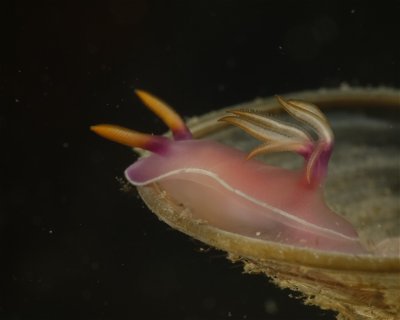
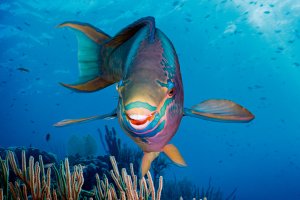
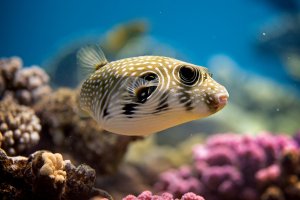
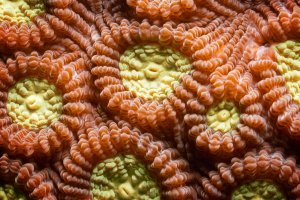
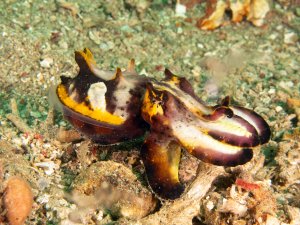
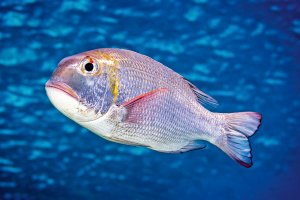
The image shown is a representative illustration and does not depict every individual animal in this category.
Total number of species approx.: 200
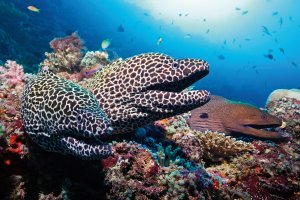
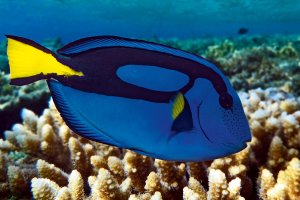
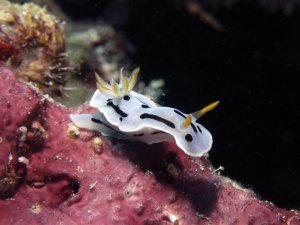
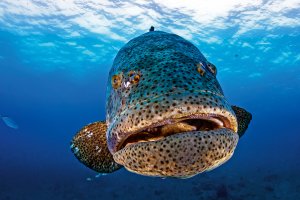
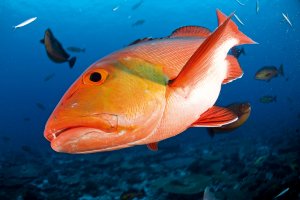
The image shown is a representative illustration and does not depict every individual animal in this category.
Total number of species approx.: 27
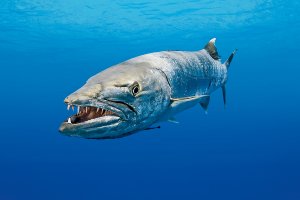
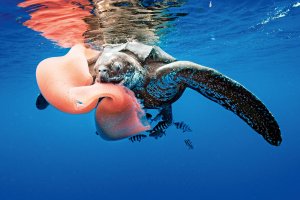
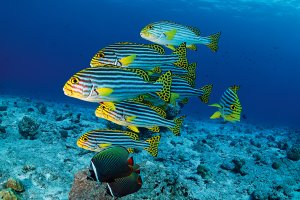
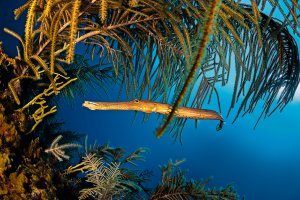
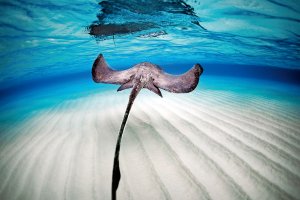
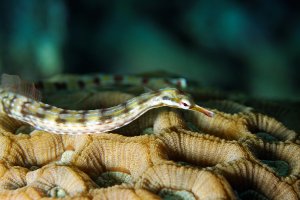
The image shown is a representative illustration and does not depict every individual animal in this category.
Total number of species approx.: 28
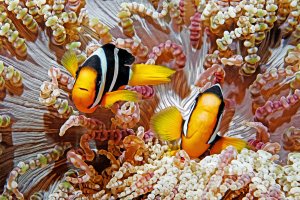
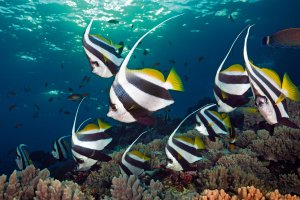
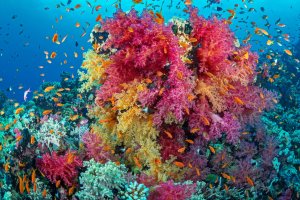
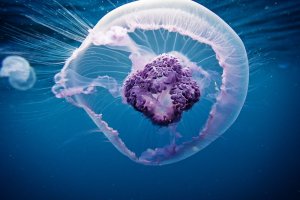
The image shown is a representative illustration and does not depict every individual animal in this category.
Total number of species approx.: 90
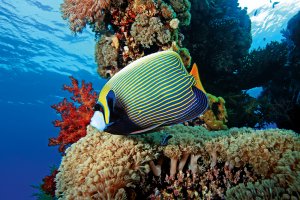
The image shown is a representative illustration and does not depict every individual animal in this category.
Total number of species approx.: 350
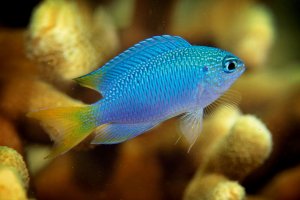
The image shown is a representative illustration and does not depict every individual animal in this category.
Total number of species approx.: 130
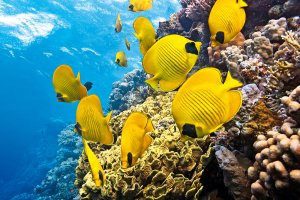
The image shown is a representative illustration and does not depict every individual animal in this category.
Total number of species approx.: 12