The best Months to dive in Koh Lipe
In terms of diving, there really isn’t a
bad time to dive in Koh Lipe. The diving scene is year-round, thanks to the
welcoming tropical climate providing warm waters ranging from approximately
28°C-30°C throughout the seasons.
The high (and dry) season is from November
to April, when the weather and diving conditions are usually excellent and
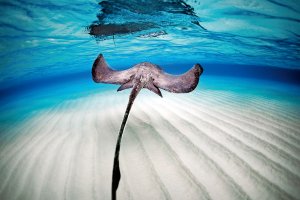
divers are more likely to spot manta rays, devil rays and whale sharks. Also,
popular dive sites like Pattaya Beach, Adang Beach and Koh Yang are all visited
regularly due to their protection from winds during this season.
The monsoon season uusually runs from May
to October, although that doesn’t mean inferior diving. Koh Lipe tends to enjoy
a drier rainy season, with downpours predominantly occurring at night, leaving
the daytime mostly dry with a few clouds here and there, meaning diving isn’t
too affected. Plus, some of the most notable sites such as Talang, Stonehenge,
7 rocks and Koh Taru, are all great options in this season as they’re protected
from the winds.
During
the full moon or dark moon period, currents can be stronger, so make sure to be
aware of this if current isn’t your thing. However, dive centers have the
option of diving at sites that are protected from these currents, such as at
Koh Talang or Koh Yang. In any given month, for the mildest currents and best
visibility, the half moon period is the best time to dive.