Angels Window (★4.5)
interesting site, a small rock on surface descending down to beyond 30M.. with cavern at 25m. easily navigable paying attention to stay near the rock wall.
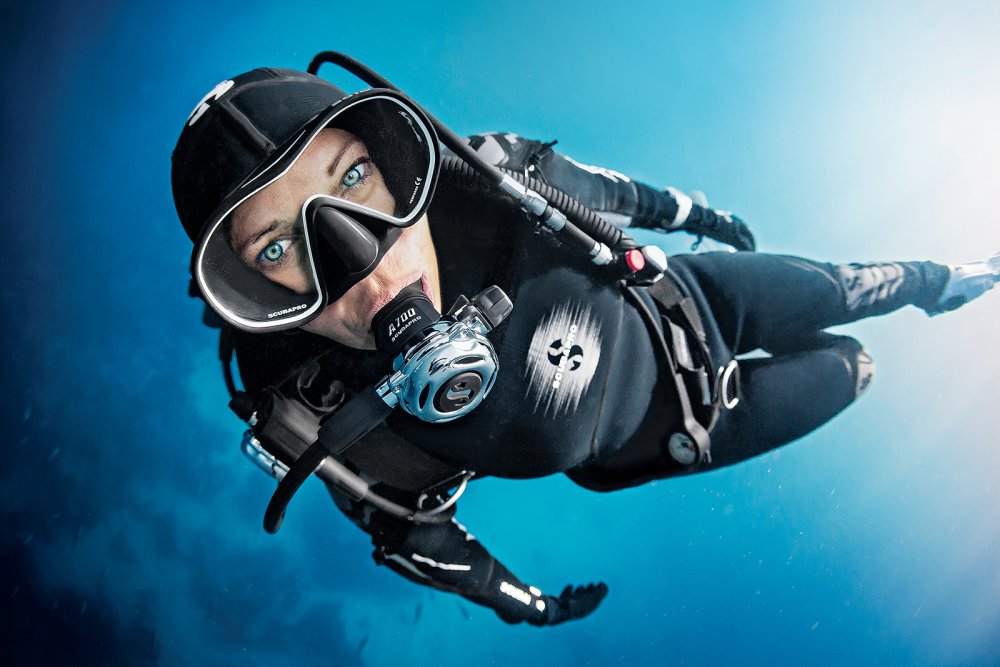 © Scubapro
Nestled in the heart of Indonesia, Lembeh Strait is a gem renowned for its exceptional muck diving experience, captivating divers from around the globe. The strait is famous for its dark volcanic sands, which create an ideal backdrop for uncovering a vibrant tableau of peculiar marine life. Divers here can delight in the presence of fantastical creatures like the hairy frogfish, pygmy seahorses, and the elusive mimic octopus. For macro photography enthusiasts, Lembeh offers a visual feast with every dive, presenting endless opportunities to capture the strait's tiny wonders.
The diving experience in Lembeh is not limited to its shores. Adventurous divers often opt for liveaboard trips that explore the wider region, including the stunning wall dives of Bunaken and the pristine coral reefs of the Bangka Islands. These trips offer a diverse range of underwater topographies and marine life, creating a comprehensive and unforgettable diving journey. Whether you're diving from Manado or right in Lembeh, the waters promise a rich dive experience characterized by some of the world's most unusual and captivating underwater spectacles.
Lembeh diving is renowned worldwide for its incredible muck diving sites. From the dark sandy slopes of Nudi Falls and Police Pier to white sand muck diving at Pantai Parigi, there’s plenty of sites to begin your search for illusory and rare macro critters. Scuba diving in Lembeh is very easy and most of the dive sites have no current making it the perfect place for macro-photography. Aside from muck dives, Lembeh also has some fascinating shipwrecks, such as the Japanese World War II cargo ship, Mawali wreck, which has its fair share of macro creatures to discover. Lembeh also offers reef diving sites with small walls, slopes, and pinnacles, such as the likes of Angel’s Window, to add some colour to your diving trip.
Scuba diving in the Lembeh Strait is possible all year round but conditions can vary. When diving Lembeh, you’ll find that lower visibility and colder temperatures mean a greater abundance of macro creatures and hence the prime time to examine the black sands. Temperatures are at their lowest in July through to August making it peak time to visit. The rainy season runs from November through to February and during the worst rainy months of January and February the seas will be rougher and occasionally some further dive sites will be out of bounds. For divers planning to take a macro photography dive course, they may choose to visit between October and December, when visibility is at its best.
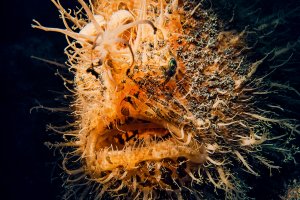
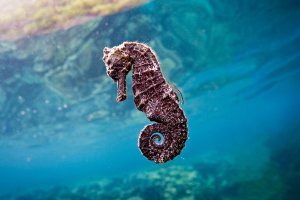
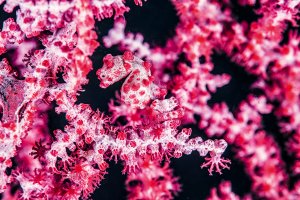
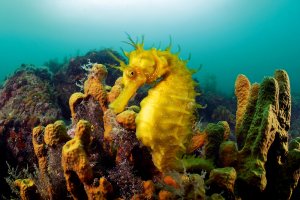
While you are not going to see any of your larger pelagics here, there are enough macro species to entertain almost anyone. Disguising their bodies against the black sand you’ll find the hairy frogfish, thorny seahorse and mimic octopus. While harlequin shrimp, rare nudibranch and the flamboyant cuttlefish stand out from the crowd, gifting you with the perfect opportunity to capture them on camera. Many different kinds of octopus such as the blue-ringed and wunderpus, various squid species, mantis shrimp and orangutan crab all wait for their next human encounter. Pygmy seahorse lie undetected on large pink gorgonian sea fans as you fin by.
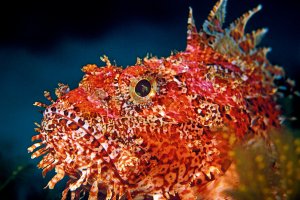
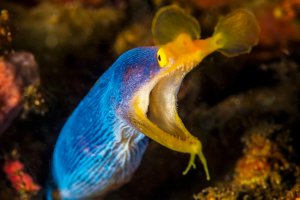
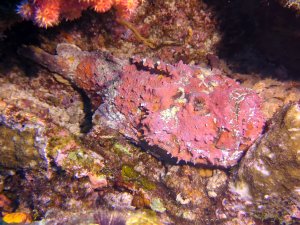
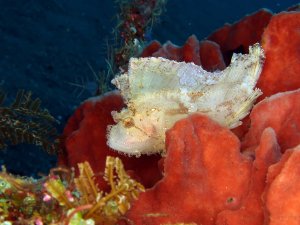
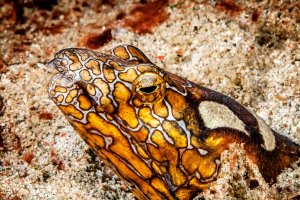
While diving in the Lembeh Strait allows you to see all the usual marine fish suspects, there are also some rarer species ripe for discovery. Ambon scorpionfish, snake eels, stonefish, sea robins, stargazers, devilfish, and even the weedy scorpionfish can be found. While the beautiful mandarinfish, ghost pipefish and the endemic Banggai cardinalfish all lie within the waters of the Lembeh Strait.
Wildlife Sightings are Based on User Generated Content
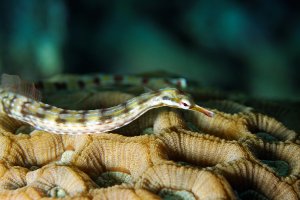
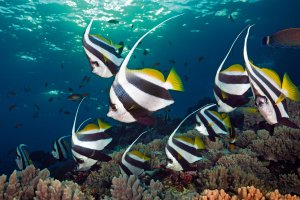
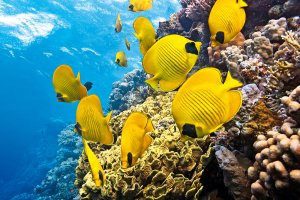
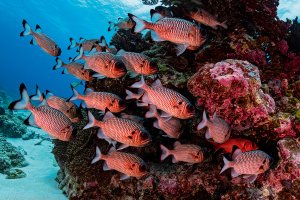
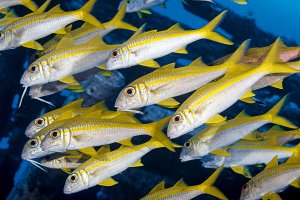
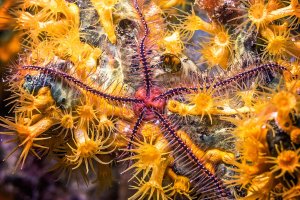
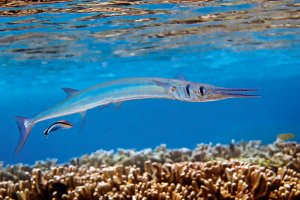
The image shown is a representative illustration and does not depict every individual animal in this category.
Total number of species approx.: 300
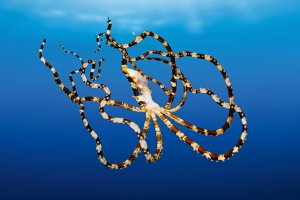
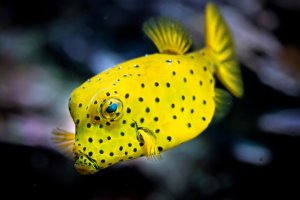
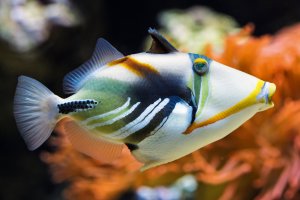
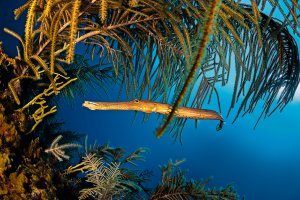
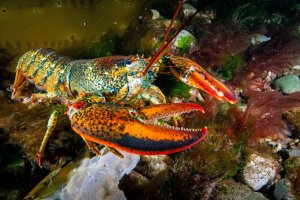
The image shown is a representative illustration and does not depict every individual animal in this category.
Total number of species approx.: 200
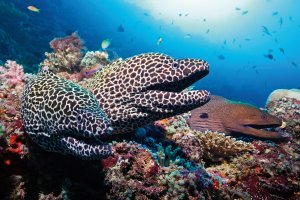
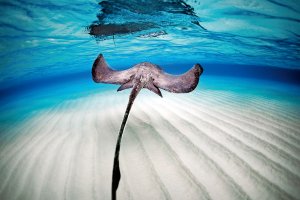
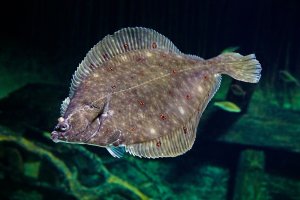
The image shown is a representative illustration and does not depict every individual animal in this category.
Total number of species approx.: 27
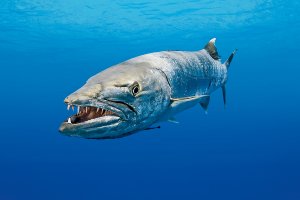
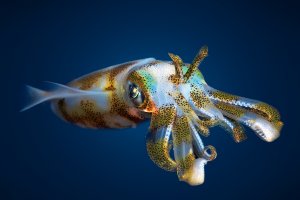
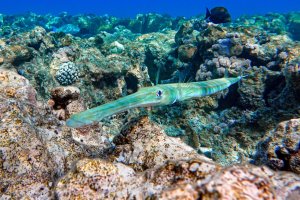
The image shown is a representative illustration and does not depict every individual animal in this category.
Total number of species approx.: 3000
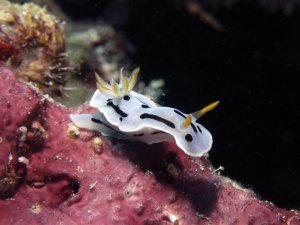
The image shown is a representative illustration and does not depict every individual animal in this category.
Total number of species approx.: 3400
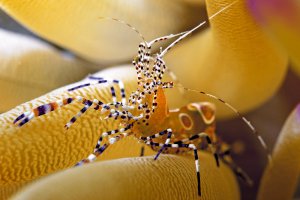
The image shown is a representative illustration and does not depict every individual animal in this category.
Total number of species approx.: 28
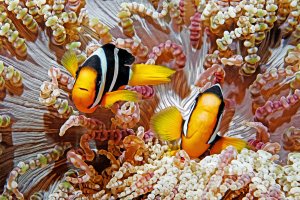
The image shown is a representative illustration and does not depict every individual animal in this category.
Total number of species approx.: 7000
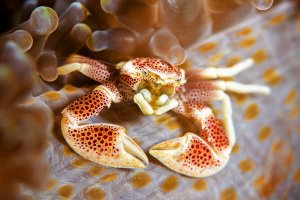
The image shown is a representative illustration and does not depict every individual animal in this category.
Total number of species approx.: 120
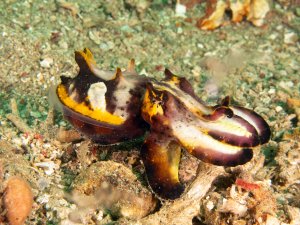
The image shown is a representative illustration and does not depict every individual animal in this category.
Total number of species approx.: 12
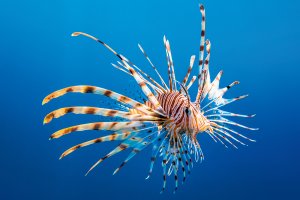
The image shown is a representative illustration and does not depict every individual animal in this category.
Total number of species approx.: 50