Explore Melbourne

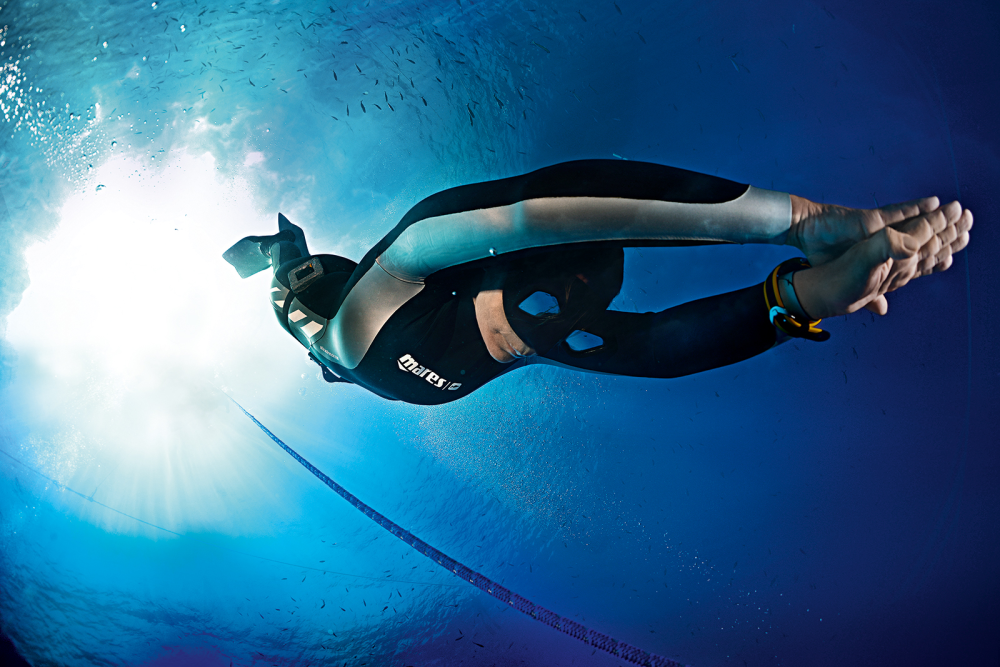
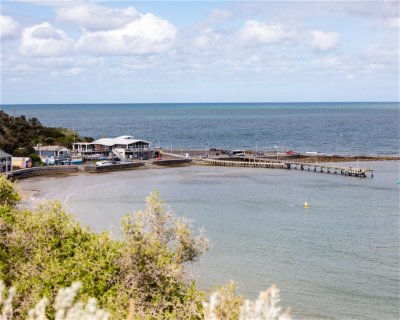
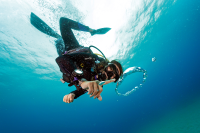
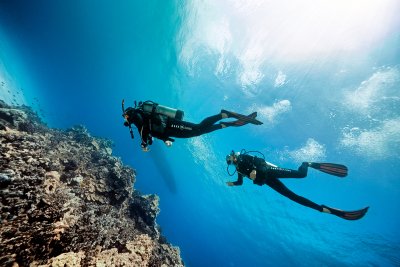
Melbourne is Australia’s capital of culture and is fast gaining recognition among divers as a frontier to be explored. Melbourne’s rich maritime history has led to more than 800 ships coming to rest on Victoria’s sandy seafloors and an incredible wealth of long-lost treasures for divers to discover. In Melbourne’s temperate waters, delight in kelp forests with the weedy sea dragon, steep drop-offs, and drift dives, all with the chance of spotting the resident fur seals or visiting dolphins and humpback whales.

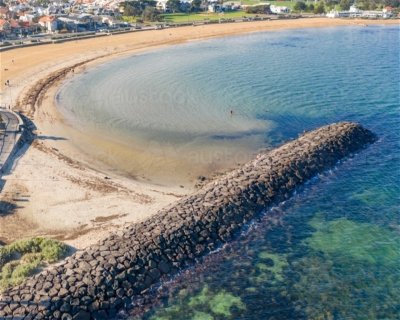
Divers can delve into the incredible underwater world of Port Phillip Bay while Phillip Island is close by with pinnacles, swim-throughs, and overhangs and plenty of shores dives for those who can handle the swell. Nearby, Mornington Peninsula is ideal for novice divers and those who intend to take part in dive courses. If you plan to visit all of these excellent locations without the fuss of arranging travel, hop on visiting liveaboards to experience the best of VIC diving. Dive centres in Melbourne provide trips to nearby locations while dive resorts are less common to the area.
Upcoming Events

  • Dive Activity

    Diving in Melbourne

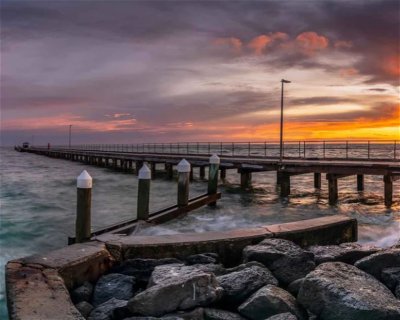
    In the Bass Strait, close to Melbourne, there are a number of wrecks, from the Ozone Wreck sitting within only 4 metres of water to the Don Diego Wreck resting at an astounding 72 metres. This means that Melbourne wrecks are open to everyone from the novice to the most experienced technical divers. There are spectacular wall dives found at Lonsdale Wall and Hanging Gardens while fast drift dives can be found close to Geelong at sites such as Kelp Beds Drift. Novice divers can take part in dive courses under the shadow of piers while there is incredible topography at sites throughout Melbourne, with swim-throughs, pinnacles, and caves eroded into the rugged edges of the coastline.

    Top Wildlife Sightings in Melbourne

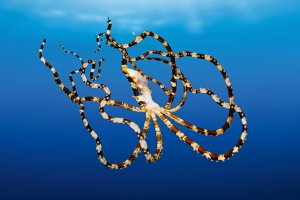
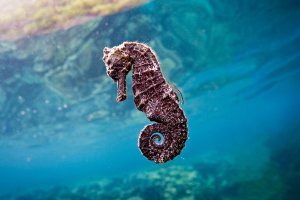
    While scuba diving in Melbourne, divers can search for the weedy and leafy sea dragons living within kelp forests along with seahorses, octopus, huge rays and bobtail squid which all hide among the greenery. Within undercuts in interesting rock formations, it’s likely to find crayfish, with some areas of Melbourne being designated as ‘fishing’ sites where divers can catch crayfish, scallop, and abalone.

    Flounder, gurnard, and angel shark can be seen resting on sandy flats while the Port Jackson shark is occasionally observed here. Blue devilfish are prominent to Victoria, flashing their sapphire scales and at shallow muck dives, a blue-spotted octopus may be spotted. Tuna and trevally are drawn to sites abundant with small fish and the resident group of Australian fur seal can be seen in Port Phillip Bay as well as Phillip Island. Pods of dolphin are often witnessed playing in the blue while occasionally a humpback whale appears off the coast of Melbourne, delighting divers as they force air from their blowholes.

    Wildlife Sightings are Based on User Generated Content

    The image shown is a representative illustration and does not depict every individual animal in this category.

    Total number of species approx.: 600

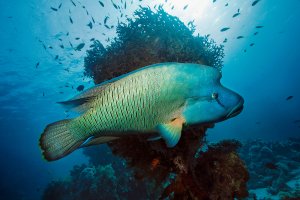
    Wrasse

    Wrasse

    10 Sightings
    J
    0
    F
    5
    M
    4
    A
    0
    M
    0
    J
    0
    J
    0
    A
    1
    S
    0
    O
    0
    N
    0
    D
    0

    The image shown is a representative illustration and does not depict every individual animal in this category.

    Total number of species approx.: 80

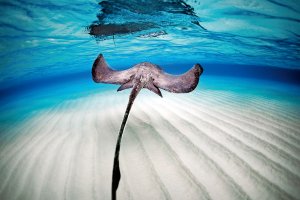
    Stingrays

    Stingrays

    130 Sightings
    J
    30
    F
    18
    M
    34
    A
    5
    M
    6
    J
    8
    J
    3
    A
    2
    S
    2
    O
    4
    N
    15
    D
    3

    The image shown is a representative illustration and does not depict every individual animal in this category.

    Total number of species approx.: 130

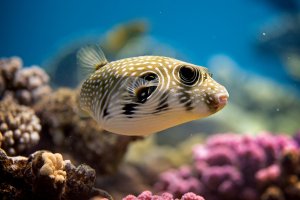
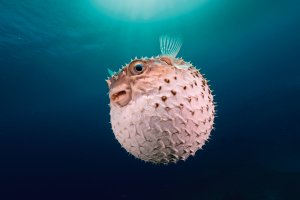
    Pufferfish

    Pufferfish

    51 Sightings
    J
    9
    F
    5
    M
    18
    A
    5
    M
    0
    J
    3
    J
    0
    A
    1
    S
    3
    O
    2
    N
    5
    D
    0
    Common Seahorse

    Common Seahorse

    17 Sightings
    J
    2
    F
    3
    M
    2
    A
    2
    M
    1
    J
    1
    J
    0
    A
    1
    S
    0
    O
    1
    N
    4
    D
    0

    The image shown is a representative illustration and does not depict every individual animal in this category.

    Total number of species approx.: 110

    Snapper

    Snapper

    12 Sightings
    J
    2
    F
    0
    M
    1
    A
    1
    M
    4
    J
    0
    J
    0
    A
    1
    S
    0
    O
    1
    N
    2
    D
    0

    The image shown is a representative illustration and does not depict every individual animal in this category.

    Total number of species approx.: 3000

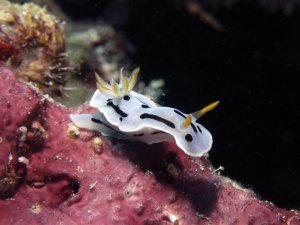
    Nudibranch

    Nudibranch

    11 Sightings
    J
    2
    F
    0
    M
    1
    A
    2
    M
    0
    J
    0
    J
    0
    A
    1
    S
    2
    O
    0
    N
    3
    D
    0

    The image shown is a representative illustration and does not depict every individual animal in this category.

    Total number of species approx.: 20

    Porcupinefish

    Porcupinefish

    10 Sightings
    J
    0
    F
    0
    M
    5
    A
    0
    M
    4
    J
    0
    J
    0
    A
    0
    S
    1
    O
    0
    N
    0
    D
    0

    The image shown is a representative illustration and does not depict every individual animal in this category.

    Total number of species approx.: 90

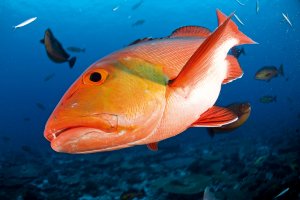
    Goatfish

    Goatfish

    7 Sightings
    J
    1
    F
    5
    M
    1
    A
    0
    M
    0
    J
    0
    J
    0
    A
    0
    S
    0
    O
    0
    N
    0
    D
    0

    The image shown is a representative illustration and does not depict every individual animal in this category.

    Total number of species approx.: 8

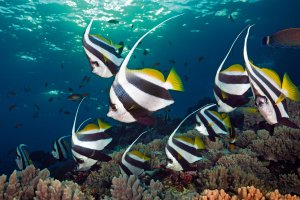
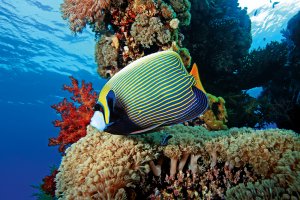
    Bannerfish

    Bannerfish

    7 Sightings
    J
    3
    F
    4
    M
    0
    A
    0
    M
    0
    J
    0
    J
    0
    A
    0
    S
    0
    O
    0
    N
    0
    D
    0

    The best Months to dive in Melbourne

    Melbourne diving is best during the summer months, from November through to April, while outside these times the sea can be much choppier and dive centres may stop operating in certain areas. If you intend to see the penguin’s that waddle back from shore at Phillip Island, the best months to visit are November through to April while pods of dolphin are best watched from October through to April at Mornington Peninsula. In the winter season, divers have the best chance of spotting humpback whales on their surface intervals.

    Dive Centers

    Dive Sites