Miri Divers
Lot 723. No. 10, Jalan Datuk Abang Indeh, 98000, Miri, Sarawak, 98000 Sarawak, Malaysia
 © Mares
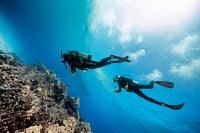
Miri, located in the north of Sarawak on the northeast coast of Borneo, Malaysia, offers a truly exceptional diving experience. This destination is renowned for the Miri-Sibuti Coral Reefs National Park, where pristine coral reefs abound. With dive depths ranging from 7 meters to 30 meters (23 feet to 98 feet), the area caters to divers of all skill levels. What makes Miri particularly special is its stunning biodiversity; approximately 600 of the world's 800 coral species flourish here, attracting over 3,000 species of fish and other marine life. Diving in Miri is a fascinating adventure, with options as varied as WWII wreck explorations, vibrant coral gardens, and artificial reefs. The area boasts over 28 dive sites, each offering unique underwater landscapes from walls to sandy bottoms. The best diving season runs from April to October, when visibility is at its peak, allowing divers to fully appreciate the vibrant marine ecosystem. Easily accessible via its local airport, Miri is not only a convenient choice but also an unforgettable diving destination.
The main type of diving here is coral reef diving, this can be in the form of shallow coral gardens, sloping coral reefs, coral walls or artificial reefs. There are a few thrilling drop offs to be explored and there are also a few shipwrecks, on being the Atago Maru Wrecks is a Japanese World War II vessel of 100 metres long which has become completely coral encrusted. The diving here is done from small speed boats, some dive sites are located just a matter of minutes off the shore, and the further out ones take around 40 minutes to reach.
This area on Borneo has two seasons, rainy and dry seasons. The dry season runs from March to October, and this is the best time to dive in this region, with calm waters, visibility reaching up to 30 metres plus and no rain. The water temperatures range between 26 and 30 degrees Celsius and the air temperatures are similar; between 22 and 32 degrees Celsius. Between November and February there will be rain showers in the afternoon which can affect the visibility, however, it is still possible to dive here during that time.
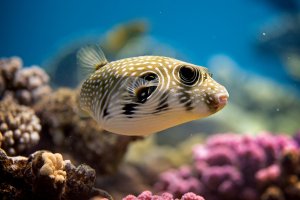
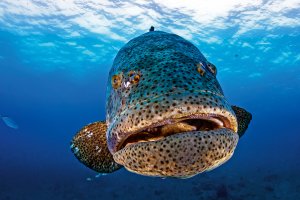
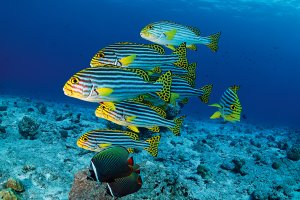
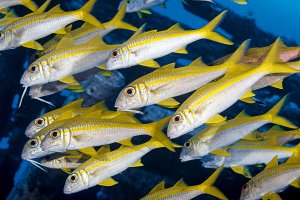
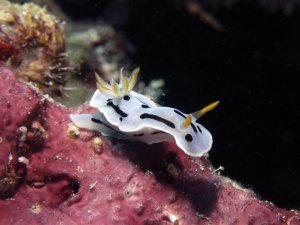
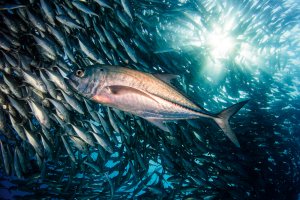
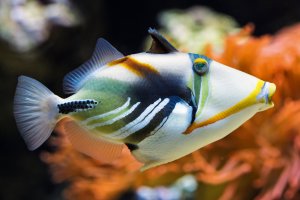
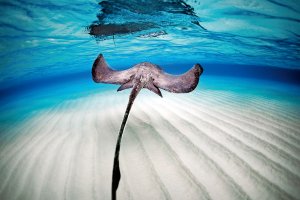
The main spectacle here is the multitude of coral flora, with approximately over 600 species of corals divers will be able to see species such as a wide selection of Hard Corals and Soft Corals, Sea Fans, Sea Whips, spectacular Gorgonians, Sea Sponges, Anemones defended by the adorable Anemone Fish, Feather Stars and the list goes on and on! There is also said to be over 3000 species of fish which reside here including colourful schools of Butterfly Fish, Angel Fish, Parrot Fish, Fusiliers and Wrasse. Some other species include Trigger Fish, Groupers, Sea Turtles, Barracuda, Stingrays and a large number of different species of Nudibranchs, and many many more.
Wildlife Sightings are Based on User Generated Content
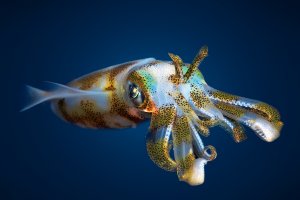
The image shown is a representative illustration and does not depict every individual animal in this category.
Total number of species approx.: 27
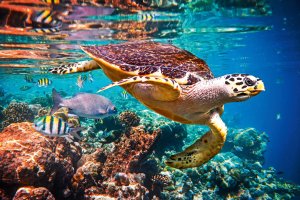
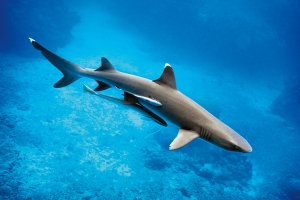
The image shown is a representative illustration and does not depict every individual animal in this category.
Total number of species approx.: 200
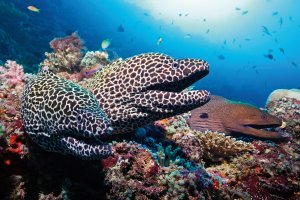
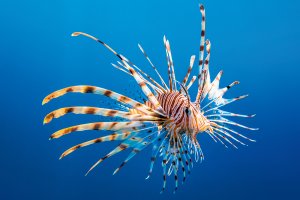
The image shown is a representative illustration and does not depict every individual animal in this category.
Total number of species approx.: 28
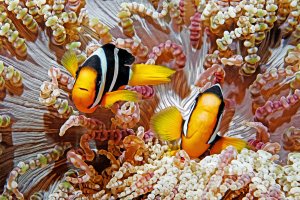
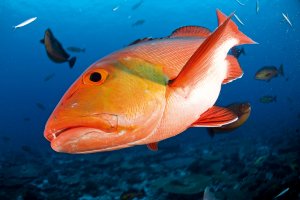
The image shown is a representative illustration and does not depict every individual animal in this category.
Total number of species approx.: 85
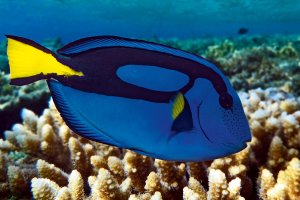
The image shown is a representative illustration and does not depict every individual animal in this category.
Total number of species approx.: 90
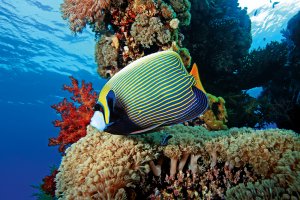
The image shown is a representative illustration and does not depict every individual animal in this category.
Total number of species approx.: 8
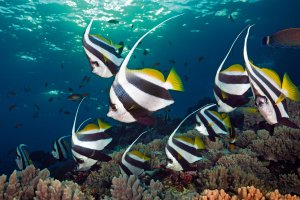
The image shown is a representative illustration and does not depict every individual animal in this category.
Total number of species approx.: 130
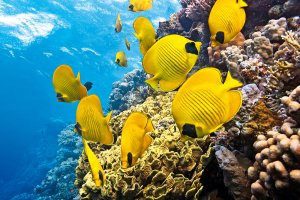
The image shown is a representative illustration and does not depict every individual animal in this category.
Total number of species approx.: 100
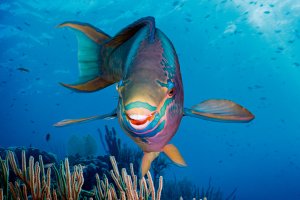
The image shown is a representative illustration and does not depict every individual animal in this category.
Total number of species approx.: 130