Vulcano (★4.4)
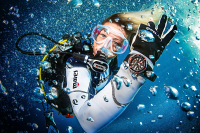
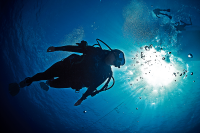
15 minutes boat ride, max deep 13 m, no current strong. you can entry with boat, very happy dive on site, hot water this site
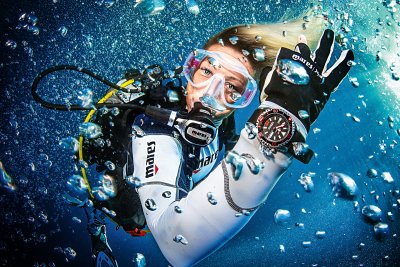
The volcanic island of Pulau Weh in Sumatra marks the farthest northern point of Indonesia and is also home to some of Indonesia’s best diving. From diving to depths of 60 meters/197 feet to discover abandoned wrecks to searching pristine coral reefs for the vast number of species of moray eel, Pulau Weh has something for everyone. The currents in Pulau Weh can be challenging, making diving that much more rewarding when you spot manta rays, eagle rays, and reef sharks swimming alongside you. Despite the small size of the island, it has plenty of dive centers, resorts, and liveaboards visiting to help in your discovery of Pulau Weh’s incredible underwater world.
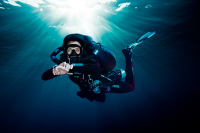
If you are a certified technical diver, you can descend 55 meters/180 feet to the Sophie Rickmer's cargo wreck and explore its coral-encrusted body. Less experienced divers can search a shallower tugboat wreck at Sabang Harbor. Gapang House Reef offers an opportunity to dive among pristine coral reefs, while Batee Tokong showcases a 40-meter/131-foot wall with unparalleled levels of marine life. A trip to Arus Balee will find you drift diving alongside reef sharks in strong currents, while trying to contain your smile so water doesn’t enter your mask. You can even dive hot bubbling volcanic springs in Sabang Harbor if you can get past the smell of the sulfur! Divers wanting to participate in advanced dive courses will find that the strong currents and diverse topography of Pulau Weh couldn’t be further away from the usual classroom.
Conditions for scuba diving in Pulau Weh are good all year round, but, for maximum visibility plan your trip in the dry season from April through to October. During the wet season, where days of rain interrupt idyllic sunny days, the water can be choppier and it's important to plan with this in mind. Despite choppier waters, as the water cools in the rainy season there is the opportunity to spot marine megafauna that are less common to the area. During this season of cooler waters, sunfish have occasionally been spotted.
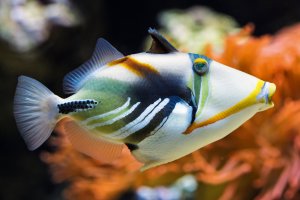
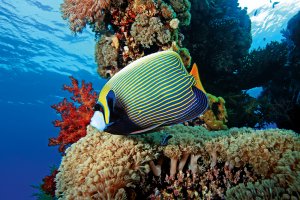
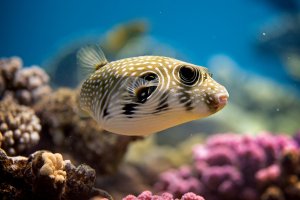
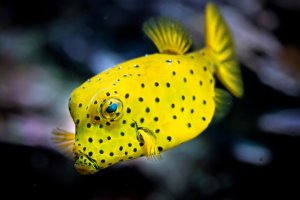
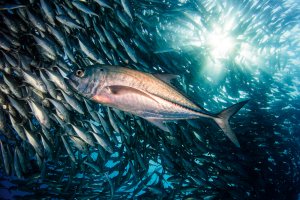
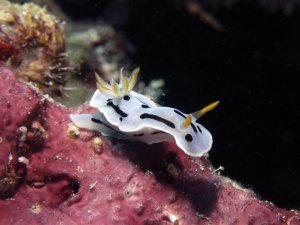
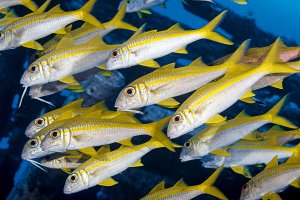
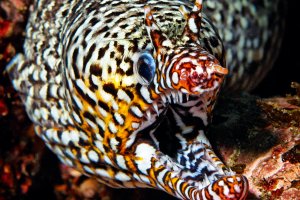
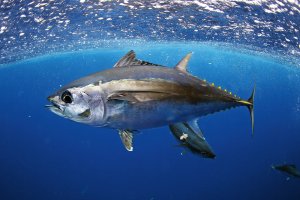
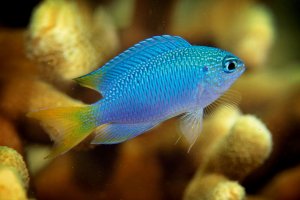
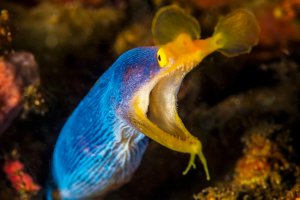
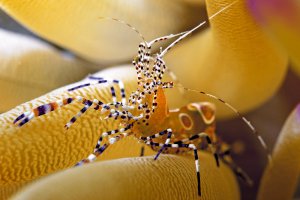
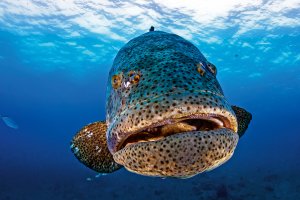
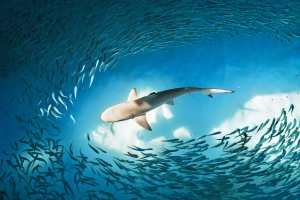
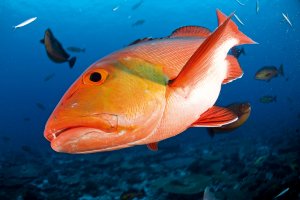
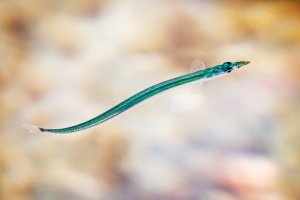
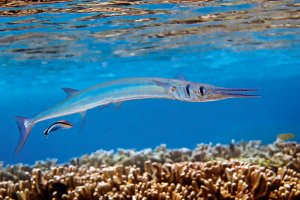
The diversity of marine life while scuba diving in Pulau Weh is exceptional. A highlight is the enormous variety of moray eel that can be found, from giant morays, fimbriated morays, snowflake morays, and blackcheek morays - they are everywhere. Larger reef inhabitants such as reef sharks, manta, eagle rays, tuna, jacks, trevallies, barracuda and Napoleon wrasse are often spotted in Weh’s currents, walls, and drop-offs. Inspect the diverse reef topography for countless species of colourful nudibranch, shrimps, and crabs but remember to keep your eyes on the blue in case you are lucky enough to spot a school of dolphins playing in the deep.
Wildlife Sightings are Based on User Generated Content
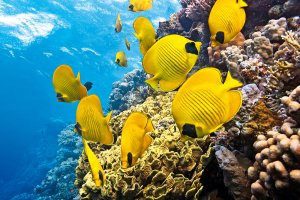
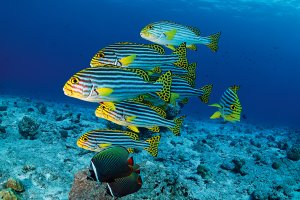
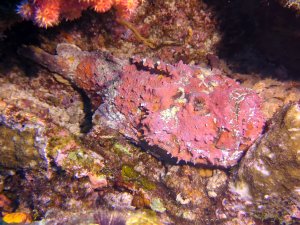
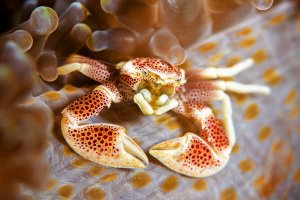
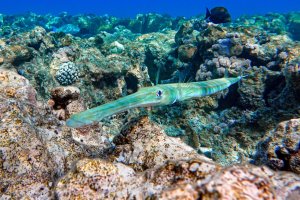
The image shown is a representative illustration and does not depict every individual animal in this category.
Total number of species approx.: 200
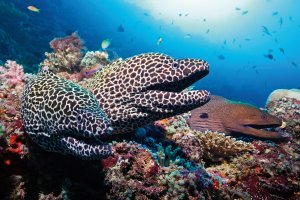
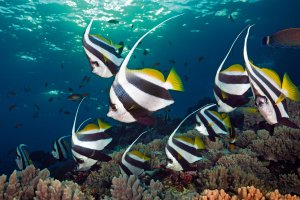
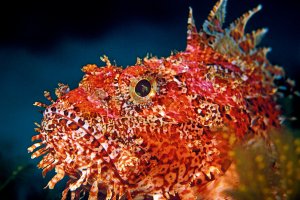
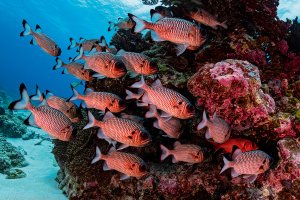
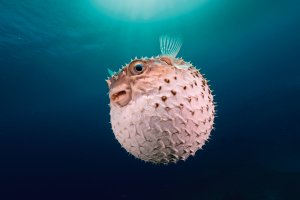
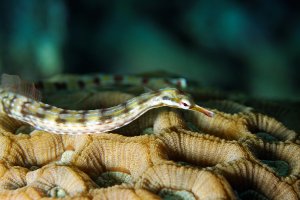
The image shown is a representative illustration and does not depict every individual animal in this category.
Total number of species approx.: 300
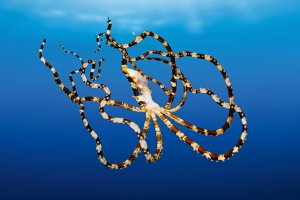
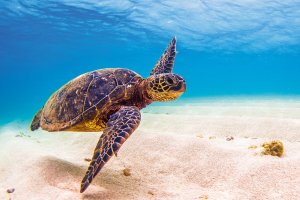
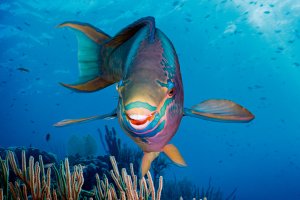
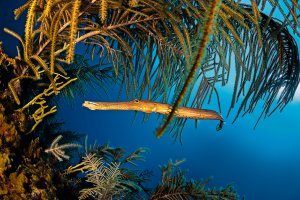
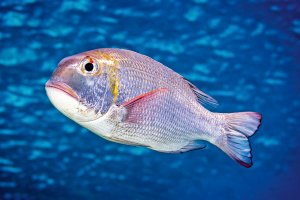
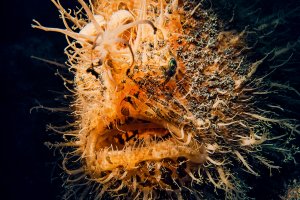
The image shown is a representative illustration and does not depict every individual animal in this category.
Total number of species approx.: 27
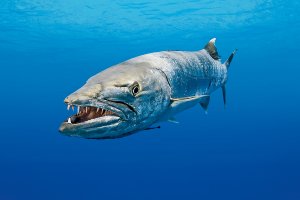
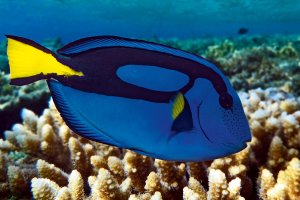
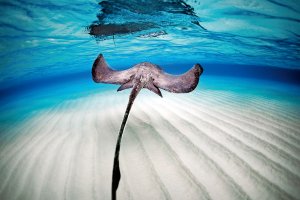
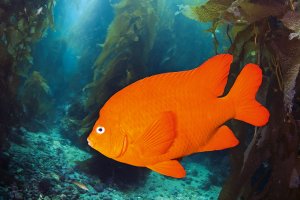
The image shown is a representative illustration and does not depict every individual animal in this category.
Total number of species approx.: 25
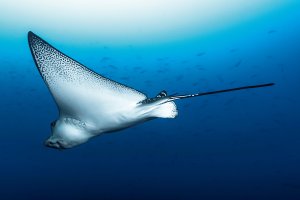
The image shown is a representative illustration and does not depict every individual animal in this category.
Total number of species approx.: 600
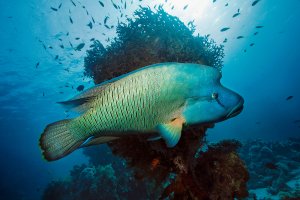
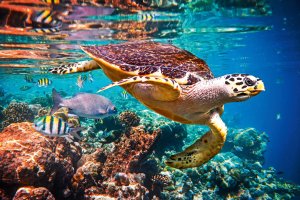
The image shown is a representative illustration and does not depict every individual animal in this category.
Total number of species approx.: 12
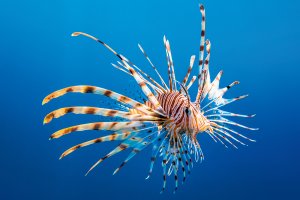
The image shown is a representative illustration and does not depict every individual animal in this category.
Total number of species approx.: 28
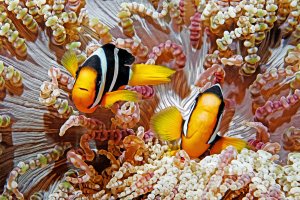
The image shown is a representative illustration and does not depict every individual animal in this category.
Total number of species approx.: 40