The best Months to dive in Raa Atoll
Raa Atoll is located in the north and, as a result, is drier than many atolls in the south. It does still have a monsoon climate, with a dry season from December to May and a rainy season from June to November.
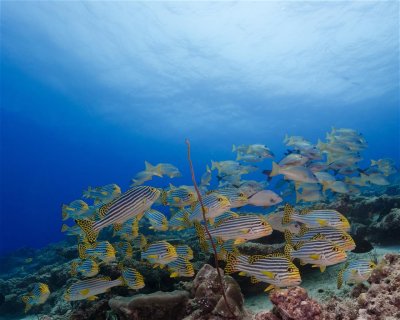
The dry season offers stunning conditions for Raa Atoll diving. There is very little wind, which means the oceans are glassy flat, and the visibility is fantastic at 30 meters/98 feet. This is the busiest (and most expensive) time of the year.
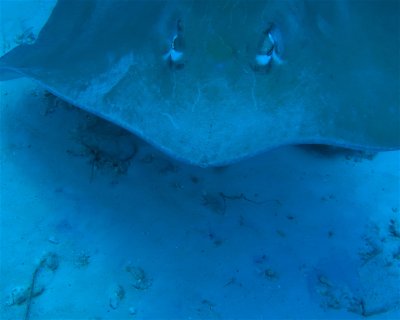
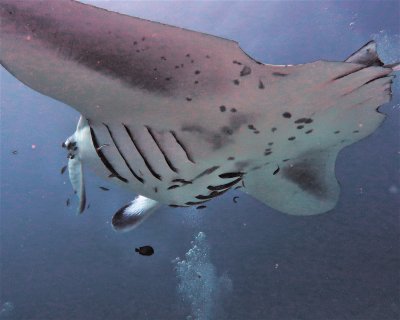
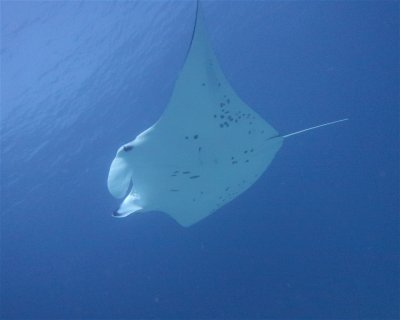
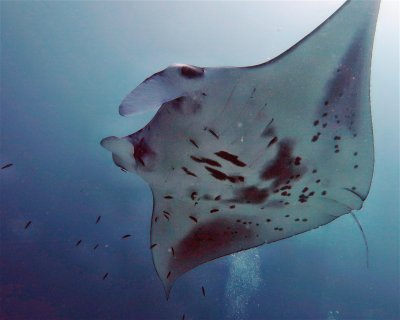
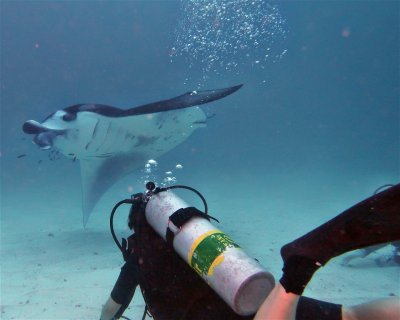
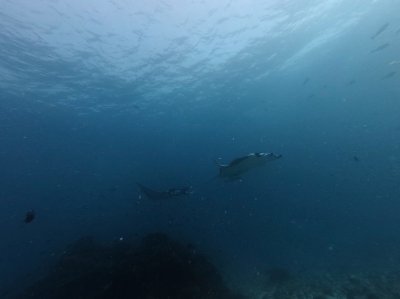
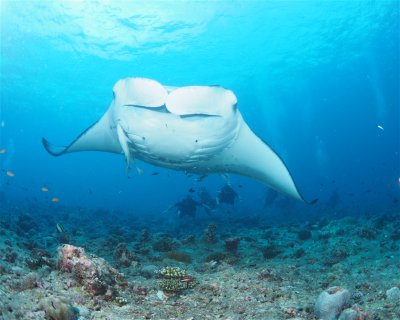
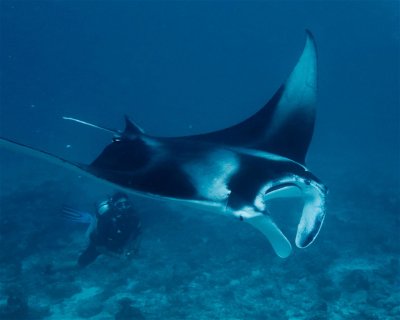
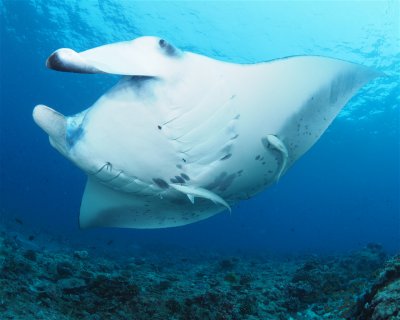
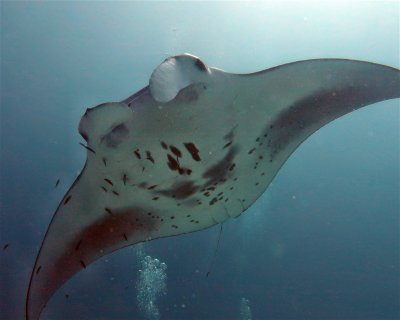
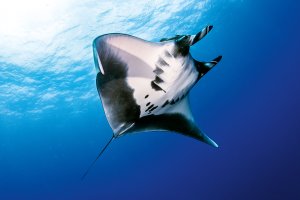
During the rainy season, there are a few more days of rain per month. However, there is, on average, 7 hours of sunshine every day—more than enough to soak up the rays! There are definitely some benefits to the rainy season as well. The windier weather brings in large plankton blooms, which attract the holy grail of many divers—manta rays. These huge animals gather around cleaning stations, making for an impressive show. The plankton blooms reduce the visibility, but the manta rays more than make up for it.
In June, the ocean is considered too choppy for boats to safely take out divers, which is something to bear in mind. For the rest of the monsoon season, you will enjoy reduced rates at many resorts due to there being fewer tourists.
The temperatures year-round remain perfect for warm water diving—the water temperatures are normally between a balmy 28°C/82°F and 30°C/86°F. The air temperatures vary between 26°C/79°F and 32°C/90°F, but bear in mind that the wind is stronger during the monsoon, which may make the weather feel cooler.