Explore St Julians

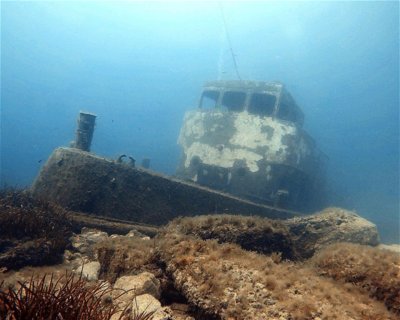
St Julian’s is a lively seaside town located in the Central Region and west coast of the island of Malta in the Mediterranean Sea. It is known for its beaches and bustling nightlife, but it’s also known for its diving. The clear waters of the Mediterranean here, around Malta, hold a plethora of shipwrecks, reefs, rock formations and so much more. The handful of experienced dive centres will take divers to the best dive sites in the region. What is so special here is that no matter the level of diver, they are almost guaranteed to be able to dive a shipwreck. Directly off the coast of St Julian’s are some shallow shipwrecks as well as a protected bay dive site which is perfect for training and night dives. Due to many of the dive sites being accessed from shore, divers have more time to enjoy the area itself while still getting as many dives is as they like.

Courses and Events

Dive Activity

Diving in St Julians

There are multiple types of diving to be done in this region, but the main attractions are definitely the high density of shipwrecks. It’s even the case that if divers are coming for their Open Water Course, they can already experience a wreck because they are scattered everywhere and at shallow depths. The dive sites are accessed either by speed boat or directly offshore. There are also good opportunities for night dives, for underwater photographers, for technical divers wanting to explore the deeper wrecks and reef diving. The dive centres take customers all around Malta, but these are the highlights of this region.

Top Wildlife Sightings in St Julians

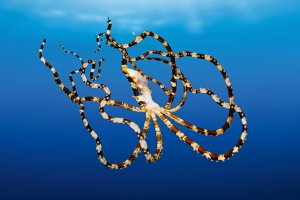
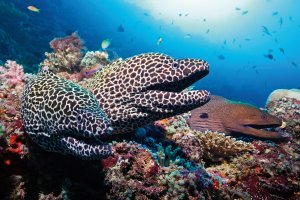
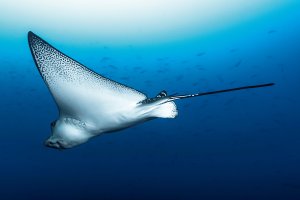
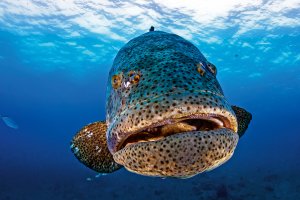
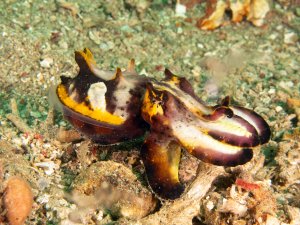
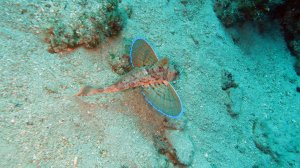
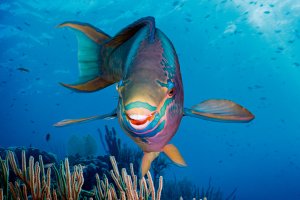
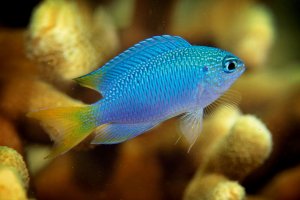
The coral encrusted shipwrecks which have become artificial reefs attract a large number of schools of reef fish and the rocky formations, Sea Grass and reefs in this region attract numerous reef critters for divers to spot. The schools of fish are made up of species such as Damselfish, Sea Bream, Wrasse, Sardines and Parrotfish. Some of the critters spotted here include different species of Octopus, Lobsters, Moray Eels, Groupers, Stingrays and on the luckiest days in the summer; Seahorses. Even though there are species to be spotted here, the main events underwater in this region are the shipwrecks but luckily many of them have been underwater long enough to have attracted marine life to them.

Wildlife Sightings are Based on User Generated Content

The image shown is a representative illustration and does not depict every individual animal in this category.

Total number of species: 300

Octopus

86 Sightings
J
0
F
0
M
0
A
0
M
0
J
10
J
17
A
25
S
16
O
18
N
0
D
0

The image shown is a representative illustration and does not depict every individual animal in this category.

Total number of species: 200

Moray Eel

48 Sightings
J
4
F
0
M
0
A
0
M
0
J
13
J
0
A
16
S
1
O
13
N
0
D
1

The image shown is a representative illustration and does not depict every individual animal in this category.

Total number of species: 250

Grouper/Basslets

14 Sightings
J
0
F
0
M
0
A
0
M
0
J
0
J
0
A
14
S
0
O
0
N
0
D
0

The image shown is a representative illustration and does not depict every individual animal in this category.

Total number of species: 3000

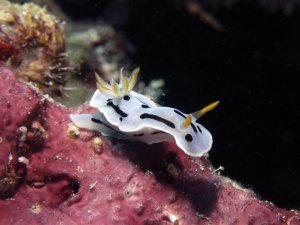
Nudibranch

13 Sightings
J
0
F
0
M
0
A
0
M
0
J
0
J
0
A
13
S
0
O
0
N
0
D
0

The image shown is a representative illustration and does not depict every individual animal in this category.

Total number of species: 250

Scorpionfish

5 Sightings
J
4
F
0
M
0
A
0
M
0
J
0
J
0
A
0
S
1
O
0
N
0
D
0

The best Months to Dive in St Julians

Malta definitely has four seasons, but luckily the summer is much longer than winter meaning more months of warm waters. From May to October, the water temperatures are above 20°C, with 27°C being the maximum in August and 13°C in January being the minimum. The air temperatures range between 10°C in winter and 30°C in the summer. The visibility here is fantastic, ranging between 20 and 40 metres!

The species which are spotted here are, luckily for divers, present throughout the year.

Dive Centers

Dive Sites