Explore Wellington
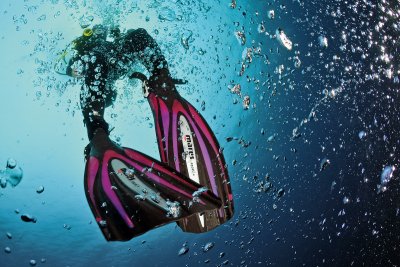
With a 360° coastline and the establishment of the Taputeranga Marine Reserve in 2008, Wellington’s rugged coastline on the southern tip of the North Island has become a sought-after destination for diving. Accessed from the south coast, there are plenty of sites diveable from the shore as well as multiple shipwrecks dating back to as far as 1884 - creating a dive experience that is dripping in history. Wellington Harbour is known for its scallop diving and fascinating macro sites while heading toward Mana, there are dives accessible to both novice and experienced divers among clear water and magnificent landscapes.
Scuba diving in Wellington is possible from a few dive centres based directly on the south coast as well as a dive centre located in Mana and a dive centre close to Kapiti Island, Wellington’s longest established marine reserve. Dive centres in the area offer dive courses ranging from gaining your first dive certification to becoming a professional diver with the Divemaster or Instructor course. The majority of Wellington diving takes place on the weekend.
Top Wellington Dive Sites
1. HMNZS Wellington (F69) Wreck
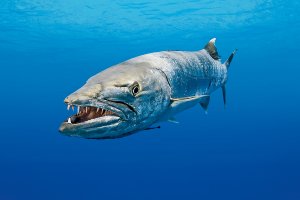
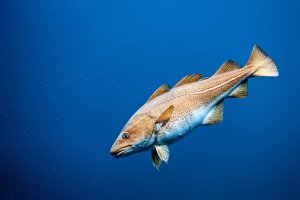
The HMNZS Wellington wreck is a fascinating dive site off Island Bay. The 113-metre frigate is now covered with hydroids and sea tulips, providing shelter to blue cod, goatfish, tarakihi, butterfish, and occasional barracuda. This site is suitable for advanced scuba divers due to its depth of 21 meters. The wreck’s unique underwater architecture and vibrant marine life make it a must-visit.
2. Hunter Bank
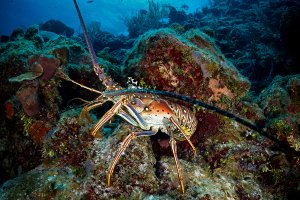
Located between Kapiti and Mana Islands, Hunter Bank is an adventurous dive site ideal for advanced divers. Known for its strong currents, it should be visited during slack tide. The reef rises from 40 meters to 18 meters and hosts large crayfish, kingfish, and occasionally sharks. This site is primarily for scuba diving and offers an exhilarating experience.
3. Kapiti Island Marine Reserve
Kapiti Island offers a mesmerizing diving experience with schools of baitfish, tarakihi, butterfly perch, and pelagic species. Suitable for both scuba and freediving, it caters to varying skill levels. The island is a marine reserve, ensuring protection for its diverse marine life. The scenic underwater topography adds to the allure of this dive site.
4. Whitireia Park
Ideal for all levels, including beginners, Whitireia Park offers calm diving conditions in as little as 3 meters of water. Expect to see juvenile fish, stingrays, and seahorses. This site is suitable for scuba diving and freediving, making it a versatile choice for divers seeking a relaxed underwater experience.
5. Taputeranga Marine Reserve
This marine reserve on Wellington’s south coast offers easy to moderate dives with stunning kelp forests and rocky underwater landscapes. Divers can observe a variety of fish species, including wrasse and blue cod. The protected status ensures a rich biodiversity, making it ideal for both scuba and freediving.
The best Months to Dive in Wellington
Wellington’s coastline ensures there is always somewhere to dive no matter what the weather forecast is - meaning that Wellington diving is available year-round. Dive trips take place on the southerly coast when there are safe weather conditions yet if the southerly winds pick up, the south coast turns into a paradise for surfers instead and divers can look towards Mana for some underwater action. If you intend to try your hand at scallop diving, the season starts in July and ends in February.
Water temperature ranges from 10°C–17C throughout the year. Most divers wear 7 mm wetsuits with parka hoods. The visibility at dive sites close to the shore ranges from 3–10 meters while offshore the visibility can reach 15 meters.
Top Wildlife Sightings in Wellington
At Wellington Harbour, it is possible to get up close with seahorses, pipefish, starfish and juvenile crayfish. On a night dive, discover flying gurnard, kingfish and squid. On most dives around Wellington, you will spot small blue moki, scarlet wrasse, surgeonfish as well as alien-looking wandering anemones quivering across the seafloor. Octopus are common while if you are a nudibranch fan, New Zealand’s largest species, the Wellington’s nudibranch is found here - reaching up to 20 cm long!
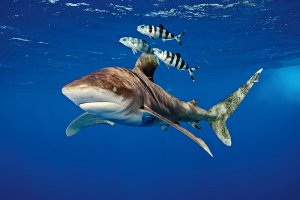
On night dives while hunting for crays, large conger eels snake across the rocky reef. Perhaps a favourite among divers is the curious fur seal that circles you in the water like a friendly dog - great when you are expecting them but when you are not the large dark shadow cruising past can give you a scare! Situated between the two islands of Kapiti and Mana, offshore dive sites may even witness the occasional shark.
Wildlife Sightings are Based on User Generated Content
Alamy/National Geographic Image Collection
3 Sightings
J
0
F
1
M
0
A
0
M
0
J
1
J
0
A
0
S
0
O
0
N
0
D
1
Shutterstock-Shane Myers Photography
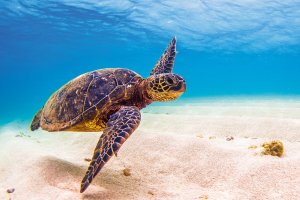
Green Turtle
3 Sightings
J
0
F
0
M
0
A
0
M
1
J
2
J
0
A
0
S
0
O
0
N
0
D
0
The image shown is a representative illustration and does not depict every individual animal in this category.
Total number of species approx.: 200
Alamy-WaterFrame
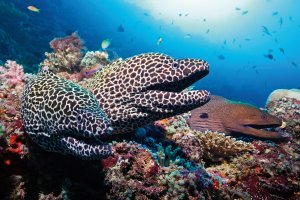
Moray Eel
3 Sightings
J
0
F
0
M
0
A
0
M
0
J
1
J
1
A
1
S
0
O
0
N
0
D
0
The image shown is a representative illustration and does not depict every individual animal in this category.
Total number of species approx.: 27
iStock-Global_Pics
Barracuda
3 Sightings
J
0
F
0
M
0
A
0
M
1
J
2
J
0
A
0
S
0
O
0
N
0
D
0
The image shown is a representative illustration and does not depict every individual animal in this category.
Total number of species approx.: 60
iStock-Global_Pics
Spiny Lobster
11 Sightings
J
0
F
1
M
2
A
3
M
0
J
1
J
0
A
0
S
0
O
2
N
1
D
1
The image shown is a representative illustration and does not depict every individual animal in this category.
Total number of species approx.: 22
Shutterstock-andrzej_67
Cod
10 Sightings
J
0
F
2
M
1
A
3
M
0
J
0
J
0
A
0
S
1
O
2
N
0
D
1
The image shown is a representative illustration and does not depict every individual animal in this category.
Total number of species approx.: 12
iStock/cinoby
Lionfish
4 Sightings
J
0
F
0
M
0
A
0
M
1
J
2
J
0
A
1
S
0
O
0
N
0
D
0
Shutterstock-Damir Zurub
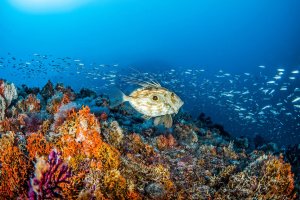
John Dory
4 Sightings
J
0
F
4
M
0
A
0
M
0
J
0
J
0
A
0
S
0
O
0
N
0
D
0
The image shown is a representative illustration and does not depict every individual animal in this category.
Total number of species approx.: 28
Udo Kefrig
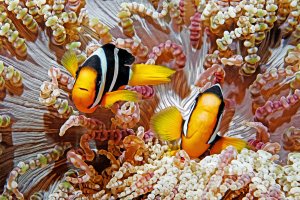
Clownfish
3 Sightings
J
0
F
0
M
0
A
0
M
1
J
2
J
0
A
0
S
0
O
0
N
0
D
0
The image shown is a representative illustration and does not depict every individual animal in this category.
Total number of species approx.: 125
SSI-Peter-Schinck
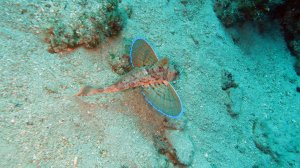
Gurnards
3 Sightings
J
0
F
2
M
0
A
1
M
0
J
0
J
0
A
0
S
0
O
0
N
0
D
0