Explore Whangarei

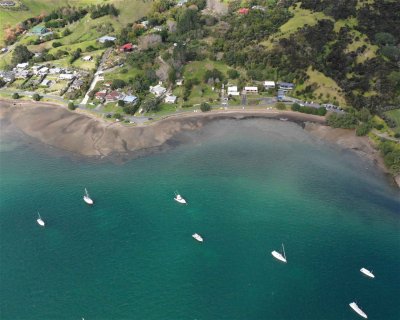
Whangarei is the northernmost city in New Zealand’s North Island, located only a 30-minutes drive from what Jacques Cousteau rated as one of the top 10 dive sites in the world, the Poor Knights Islands. Witness orca whales and enormous congregations of the world’s largest stingray, the short-tailed ray, at the Poor Knights or head out for some shore diving on the Tutukaka Coast and Taiharuru area - excellent for collecting scallops in the right season! Whangarei is lucky enough to have two of the three New Zealand Navy frigates sunk on its doorstep, the HMNZS Canterbury and HMNZS Waikato, available for advanced and technical divers.

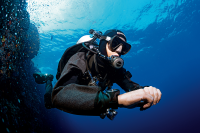
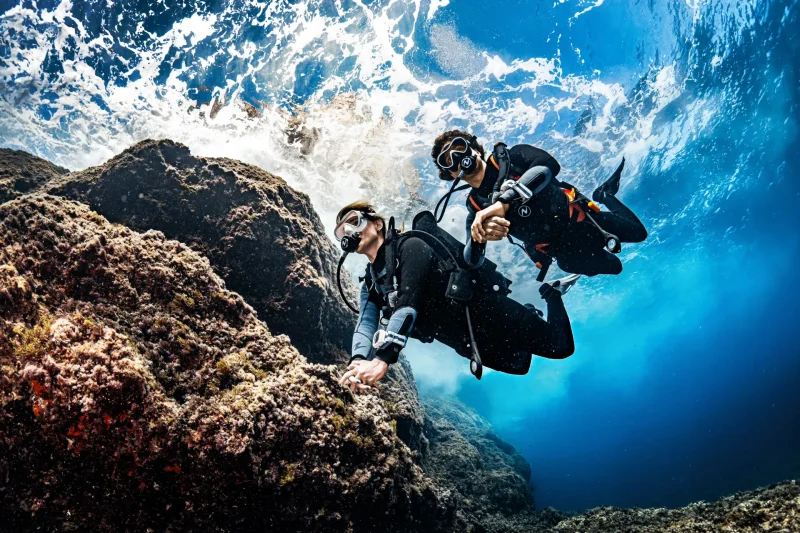
Scuba diving in Whangarei is possible from a few dive centres in the city, with dive trips offered mainly on the weekend. Dive courses range from your first ever scuba experience to becoming a professional diver.

Courses and Events

Dive Activity

Diving in Palma

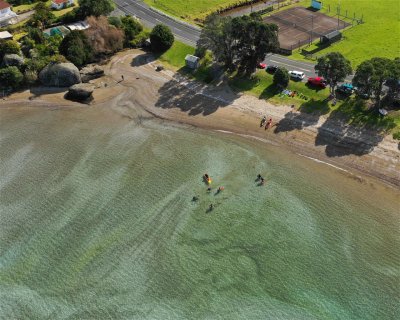
From the shore of the Tutukaka Coast and Taiharuru, divers can explore cliff walls, canyons encrusted with anemones and crayfish. If the sea conditions are rough on the coast, it’s possible to dive within the harbour at McLeod’s Bay, Reothi or Urquharts Bay, which are perfect for scallop diving during the right season. On the rare occasion, even the harbour can’t be explored, some freshwater diving at Kai Iwi Lakes can be enjoyed.

At the Poor Knights Islands, the underwater landscape features caves, tunnels and arches with the southern hemisphere’s largest underwater cave found here – Riko Riko Cave. Two of the three submerged New Zealand frigates can be dived off the Tutukaka Coast.

Top Wildlife Sightings in Whangarei

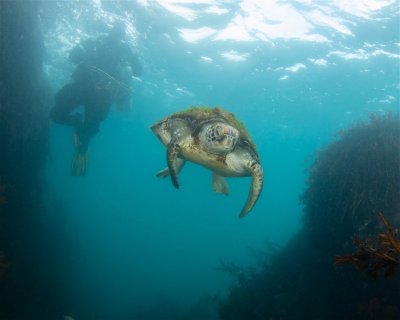
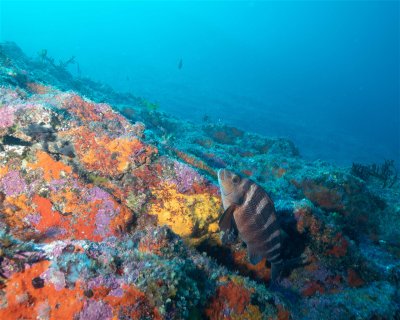
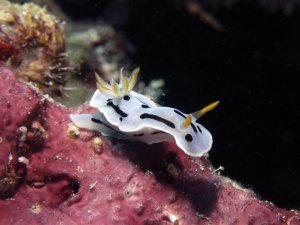
On a day trip to the Poor Knights Islands Marine Reserve, divers will witness seemingly impenetrable walls of blue maomao taking refuge under arches while bull rays, short-tail, long-tail and even the manta ray can be observed during the summer months. Ray are thought to congregate in large numbers to mate as protection from the predatory orca whales that visit the area. On rocky surfaces, brightly coloured nudibranch and a whole host of invertebrates can be spotted. As if this wasn’t already enough, bronze whaler sharks, fur seals, and occasionally sea turtle can be seen at the marine park.

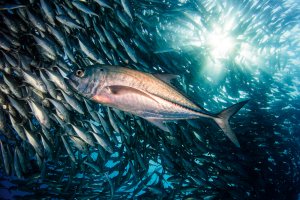
While shore diving from the Tutukaka Coast and Taiharuru area, kingfish are often seen patrolling the rocky reefs while enormous crayfish and scallops are guaranteed.

Wildlife Sightings are Based on User Generated Content

The image shown is a representative illustration and does not depict every individual animal in this category.

Total number of species: 300

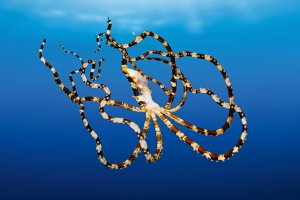
Octopus

25 Sightings
J
3
F
2
M
0
A
1
M
3
J
3
J
3
A
2
S
0
O
1
N
2
D
5

The image shown is a representative illustration and does not depict every individual animal in this category.

Total number of species: 200

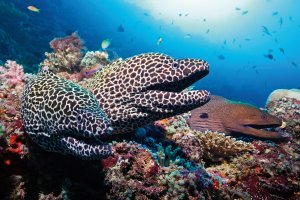
Moray Eel

4 Sightings
J
1
F
0
M
0
A
0
M
0
J
0
J
3
A
0
S
0
O
0
N
0
D
0

The image shown is a representative illustration and does not depict every individual animal in this category.

Total number of species: 25

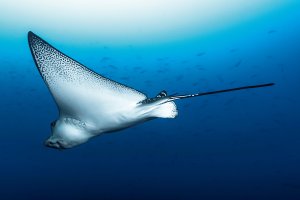
Eagle Ray

3 Sightings
J
2
F
0
M
0
A
0
M
0
J
0
J
0
A
0
S
0
O
0
N
1
D
0

Scalloped Hammerhead

2 Sightings
J
0
F
0
M
0
A
0
M
0
J
0
J
0
A
0
S
0
O
0
N
0
D
2

The image shown is a representative illustration and does not depict every individual animal in this category.

Total number of species: 110

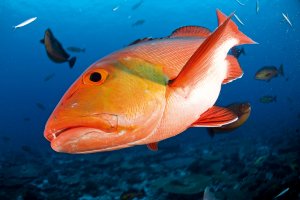
Snapper

14 Sightings
J
5
F
0
M
2
A
0
M
0
J
0
J
6
A
0
S
0
O
0
N
0
D
1

The image shown is a representative illustration and does not depict every individual animal in this category.

Total number of species: 80

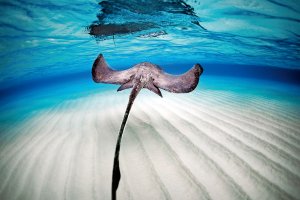
Stingrays

13 Sightings
J
5
F
0
M
0
A
0
M
0
J
0
J
0
A
0
S
3
O
0
N
5
D
0

The image shown is a representative illustration and does not depict every individual animal in this category.

Total number of species: 7000

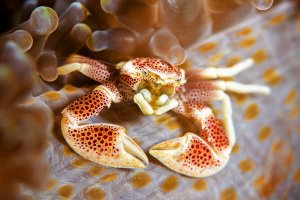
Crab

11 Sightings
J
2
F
0
M
0
A
1
M
0
J
0
J
1
A
0
S
0
O
2
N
1
D
4

The image shown is a representative illustration and does not depict every individual animal in this category.

Total number of species: 90

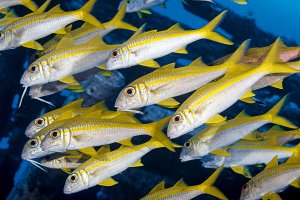
Goatfish

7 Sightings
J
0
F
0
M
0
A
0
M
0
J
1
J
1
A
0
S
1
O
2
N
2
D
0

The image shown is a representative illustration and does not depict every individual animal in this category.

Total number of species: 120

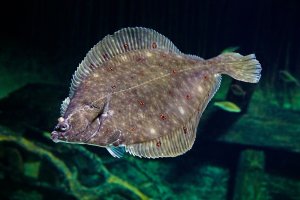
Flounder

6 Sightings
J
0
F
0
M
0
A
0
M
0
J
0
J
0
A
0
S
4
O
0
N
2
D
0

The image shown is a representative illustration and does not depict every individual animal in this category.

Total number of species: 15

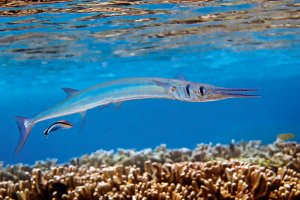
Garfish

5 Sightings
J
0
F
0
M
0
A
0
M
0
J
2
J
0
A
0
S
0
O
1
N
2
D
0

The image shown is a representative illustration and does not depict every individual animal in this category.

Total number of species: 3000

Nudibranch

4 Sightings
J
0
F
0
M
2
A
0
M
0
J
0
J
0
A
0
S
0
O
2
N
0
D
0

The image shown is a representative illustration and does not depict every individual animal in this category.

Total number of species: 300

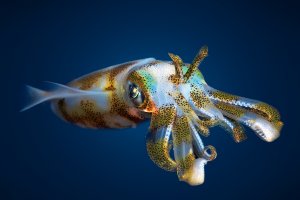
Squid

4 Sightings
J
0
F
0
M
0
A
0
M
0
J
1
J
0
A
0
S
2
O
0
N
1
D
0

The image shown is a representative illustration and does not depict every individual animal in this category.

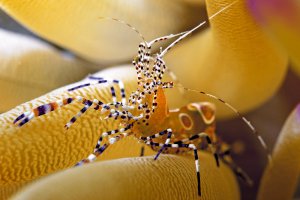
Total number of species: 3400

Shrimp

4 Sightings
J
0
F
0
M
0
A
1
M
0
J
0
J
0
A
0
S
1
O
1
N
1
D
0

The image shown is a representative illustration and does not depict every individual animal in this category.

Total number of species: 40

Jackfish

4 Sightings
J
0
F
0
M
0
A
0
M
0
J
0
J
4
A
0
S
0
O
0
N
0
D
0

The image shown is a representative illustration and does not depict every individual animal in this category.

Total number of species: 55

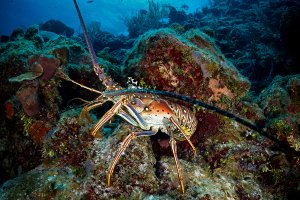
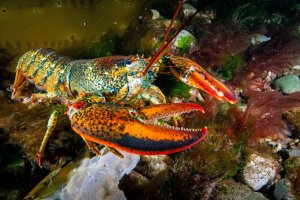
Lobster

3 Sightings
J
0
F
0
M
0
A
1
M
0
J
0
J
2
A
0
S
0
O
0
N
0
D
0

The image shown is a representative illustration and does not depict every individual animal in this category.

Total number of species: 30

Sand Eel

2 Sightings
J
0
F
0
M
0
A
0
M
0
J
0
J
0
A
0
S
0
O
1
N
1
D
0

The image shown is a representative illustration and does not depict every individual animal in this category.

Total number of species: 190

Conger Eel

2 Sightings
J
0
F
0
M
0
A
0
M
0
J
0
J
0
A
0
S
0
O
1
N
1
D
0

The image shown is a representative illustration and does not depict every individual animal in this category.

Total number of species: 100

Parrotfish

2 Sightings
J
0
F
0
M
0
A
0
M
0
J
0
J
2
A
0
S
0
O
0
N
0
D
0

The image shown is a representative illustration and does not depict every individual animal in this category.

Total number of species: 60

Soldierfish

2 Sightings
J
0
F
0
M
0
A
0
M
0
J
0
J
2
A
0
S
0
O
0
N
0
D
0

The image shown is a representative illustration and does not depict every individual animal in this category.

Total number of species: 130

Pufferfish

2 Sightings
J
0
F
0
M
0
A
0
M
0
J
0
J
2
A
0
S
0
O
0
N
0
D
0

The best Months to Dive in Whangarei

The Tutukaka Coast and surrounding sites are influenced by a warm current that comes south from Australia, resulting in water temperatures that are warmer than the rest of New Zealand. There are two distinct seasons underwater, with the summer between November and April featuring water temperatures reaching 20°C–23℃ but with visibility of 20 metres due to plankton blooms. In winter, between May and September, water temperatures drop as low as 14°C–16℃ but visibility increases to over 30 metres.

At Poor Knights Islands, the best time to see orca, manta ray, sea turtles and stingrays is in the summer months.

Dive Centers

Dive Sites