Explore Grüblsee
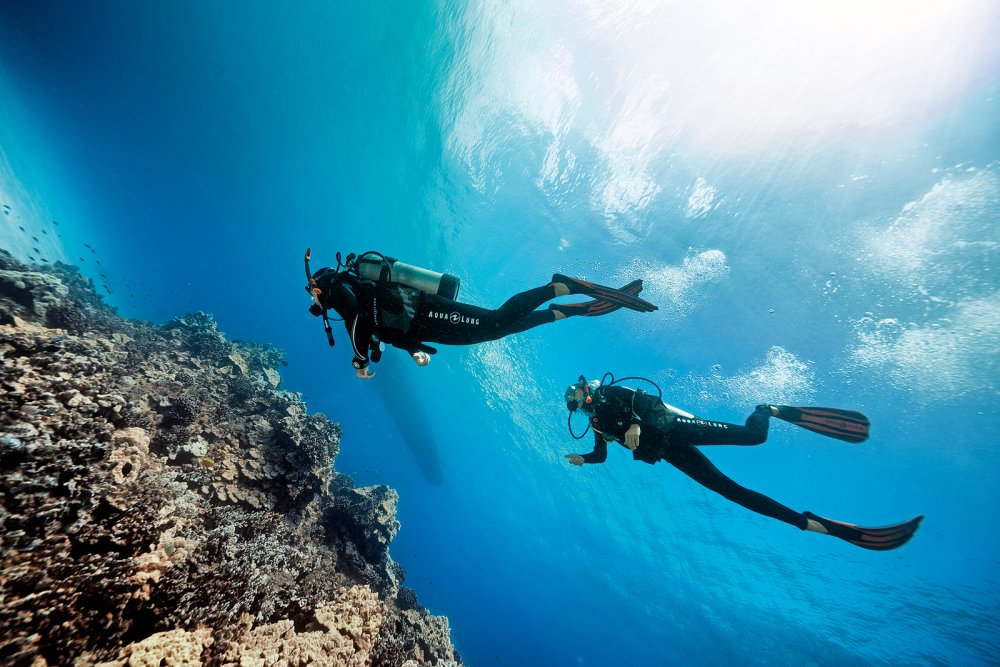
Diving in Grüblsee offers a unique experience unlike any other. Nestled in the stunning Styrian Alps, this lake is celebrated as the highest dive center in Europe, standing at 1,160 meters (3,805 feet) above sea level. Its breathtaking alpine setting provides a fresh and invigorating backdrop for divers of all levels. Despite being relatively small, covering two hectares with a maximum depth of 9 meters (30 feet), Grüblsee is packed with fascinating underwater surprises that delight and intrigue divers from around the world. Known as the Styrian Alpine Aquarium, Grüblsee is famed for its rich biodiversity and specially designed aquatic environment. Divers can encounter a wide range of fish species, set against a backdrop of cleverly placed underwater attractions. These include an array of intriguing sights, from ancient Egyptian figures and Greek statues to whimsical aliens with flying saucers, and even a knight’s armor. This carefully curated underwater petting zoo offers a playful yet educational dive experience, making it a must-visit destination for those seeking an adventurous alpine escape. With its unique combination of natural beauty and artistic installations, Grüblsee stands out as a truly remarkable dive location.
Dive Activity
Diving in Grüblsee
Grüblsee, nestled in the Austrian Alps, is a captivating freshwater diving destination known for its clear waters and unique underwater features. This high-altitude lake offers divers the opportunity to explore a quarry diving environment, with various submerged sculptures and artifacts that create an underwater art gallery experience.
Notable dive spots include areas with artificial reefs and platforms, making it ideal for both novice and experienced divers. Shore diving is the primary style here, providing easy access to explore the serene aquatic environment. Divers may encounter local aquatic life such as trout and char, adding to the lake's appeal as a recreational dive site.
Top Wildlife Sightings in Grüblsee
Grüblsee, located in Austria, is a popular diving spot renowned for its clear waters and diverse freshwater wildlife. Typical fish species include trout, char, and perch. Divers often encounter unique sightings such as catfish and sturgeon, which are known for their impressive size and rarity in freshwater environments.
Visibility in Grüblsee can be exceptional, often reaching several meters, which enhances the diving experience. The lake's depth varies, offering different habitats as you descend. Seasonal changes, such as spawning activities in spring, can affect what species are visible. Timing your visit during these periods increases the chances of witnessing fascinating behavioral displays, making it an exciting destination for divers throughout the year.
Wildlife Sightings are Based on User Generated Content
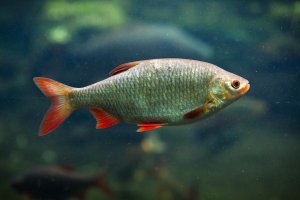
The image shown is a representative illustration and does not depict every individual animal in this category.
Total number of species: 35
The image shown is a representative illustration and does not depict every individual animal in this category.
Total number of species: 27
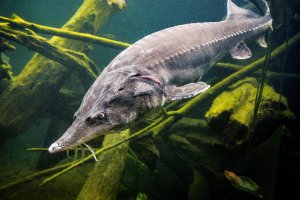
Sturgeon
The image shown is a representative illustration and does not depict every individual animal in this category.
Total number of species: 50
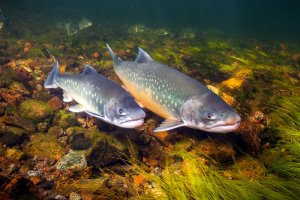
Char
The image shown is a representative illustration and does not depict every individual animal in this category.
Total number of species: 30
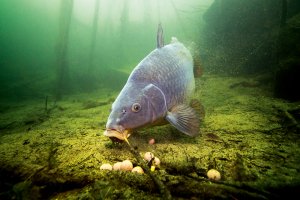
Carp
The image shown is a representative illustration and does not depict every individual animal in this category.
Total number of species: 19
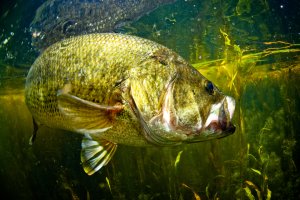
Bass
The image shown is a representative illustration and does not depict every individual animal in this category.
Total number of species: 5
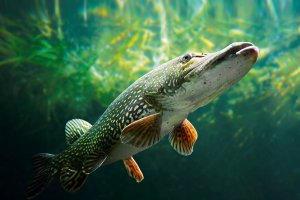
Pike
The best Months to dive in Grüblsee
Grüblsee, situated in Austria, offers a unique freshwater diving experience with clear waters and a vibrant underwater ecosystem. During the warmer months from May to September, water temperatures range from 10°C to 20°C/50°F to 68°F, providing comfortable diving conditions. Visibility is excellent, often exceeding 15 meters/49 feet, allowing divers to explore the lake's submerged attractions fully.
In winter, the lake can freeze, forming an ice cover that presents challenges for divers. However, for those equipped for ice diving, it offers a different experience with unique visibility conditions due to the ice layer. The best months for diving are late spring and summer when temperatures are stable, and the lake is accessible without ice cover. During these months, divers can also enjoy the surrounding alpine scenery. Winter diving requires specialized equipment and experience due to the cold and ice cover.